
Introduzione
Se hai mai acquistato lo schermo di un telefono cellulare da un fornitore, conosci la difficoltà: alcuni sembrano nuovi di zecca ma si rivelano difettosi o di bassa qualità una volta che inizi a testarli. Che tu sia un tecnico riparatore, rivenditore, o il proprietario di un negozio, essere in grado di distinguere rapidamente tra uno schermo buono e uno cattivo può farti risparmiare denaro e mal di testa.
La buona notizia? Non hai bisogno di strumenti fantasiosi o di un laboratorio per capirlo. Tutto ciò di cui hai bisogno è un occhio acuto, un telefono di prova, e questo semplice 5-metodo a gradini. Immergiamoci.
Fare un passo 1 – Controlla l'aspetto
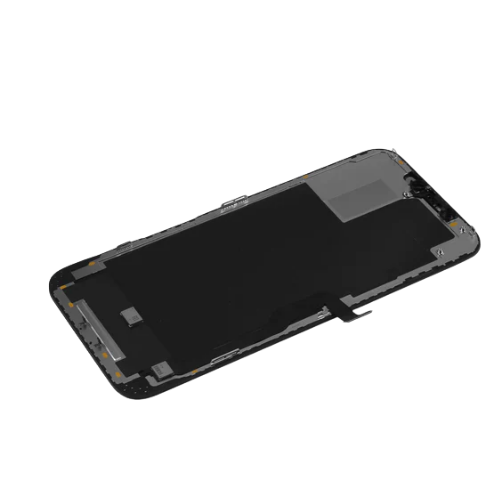
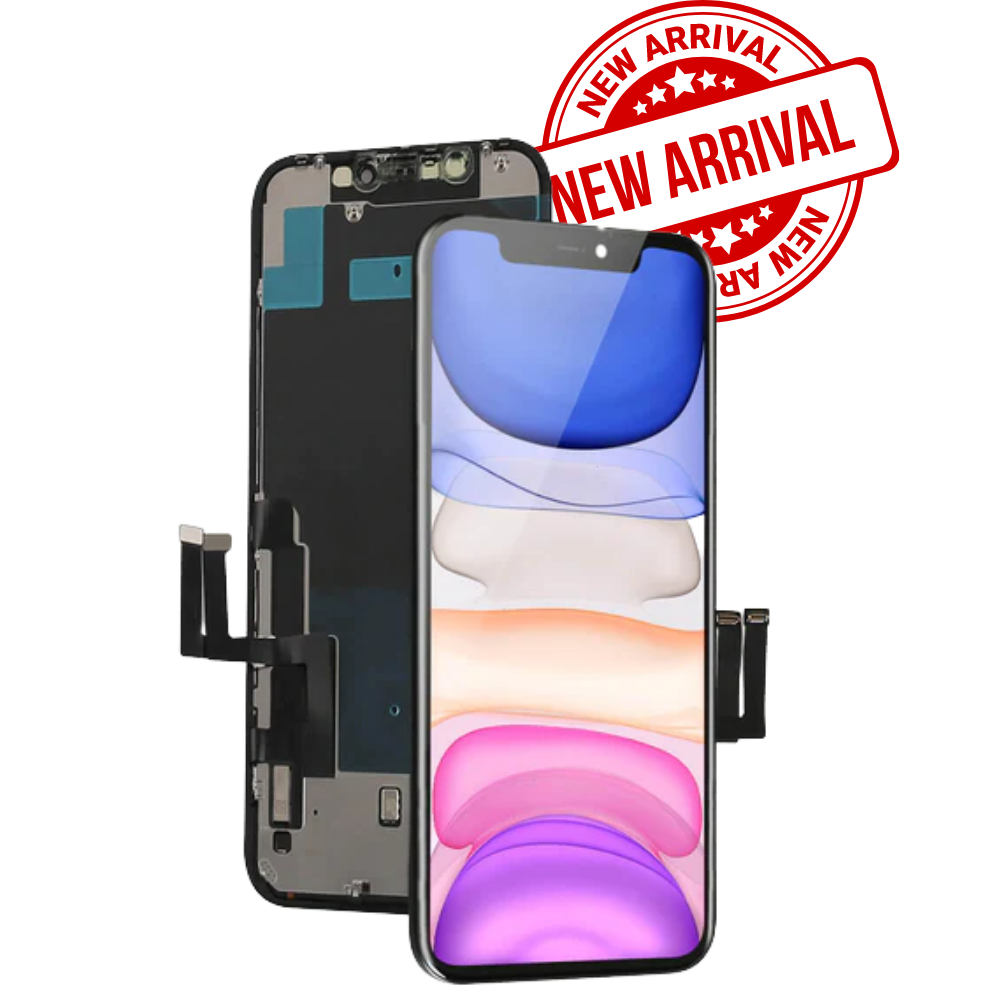
La prima impressione spesso dice molto. Prima ancora di collegare lo schermo, inizia guardando attentamente il suo esterno.
Cerca graffi e crepe
Un vero e proprio, lo schermo inutilizzato dovrebbe avere una superficie impeccabile. Graffi, crepe, o gli angoli scheggiati sono segnali di allarme: potrebbe significare che lo schermo è di seconda mano o mal gestito.
Residui di colla o segni di riparazione
Se vedi residui di colla attorno ai bordi, potrebbe essere uno schermo rinnovato mascherato da nuovo. Controllare sempre attentamente con una buona illuminazione.
Ammaccature del telaio e bordi irregolari
Cornici piegate o bordi irregolari possono causare problemi di installazione successivamente. Uno schermo di alta qualità dovrebbe adattarsi perfettamente all’alloggiamento del telefono senza ulteriore forza.
Fare un passo 2 – Testare la funzione touch
Uno schermo potrebbe sembrare perfetto ma non funzionare correttamente durante l'uso se il tocco non risponde correttamente.
Utilizza un telefono di prova per la precisione
Porta sempre con te un telefono di prova compatibile. È il modo più semplice per sapere se la funzione touch funziona correttamente.
Apri l'app Disegno o Note
App come "Paint" o "Note" ti consentono di testare l'intera superficie touch. Disegna linee sullo schermo, da un angolo all'altro, e da bordo a bordo.
Controlla le interruzioni di tocco e i tocchi fantasma
Se alcune righe non vengono visualizzate, questo è un toccare la pausa. Se vengono visualizzate linee casuali senza che il dito si muova, questo è un tocco fantasma. Entrambi sono rompicapo.
Fare un passo 3 – Verificare la qualità di visualizzazione
Il display è il cuore dello schermo di un telefono. Un cattivo display può rovinare l'esperienza dell'utente.
Test con schermo bianco fisso
Uno sfondo bianco puro ti aiuta a individuare macchie scure, ombre, o variazioni di colore.
Prova con schermo nero solido
Su uno schermo nero, puoi facilmente vedere perdita di luce o luminosità non uniforme attorno ai bordi.
Prova con RGB (Rosso, Verde, Blu)
Passa al rosso, verde, e immagini di prova blu. Se vedi pixel mancanti, scolorimento, o sfarfallio, lo schermo è difettoso.
Individuazione dei pixel morti, Perdita di luce, o macchie di colore
Anche un pixel morto può infastidire gli utenti. Guarda attentamente ogni angolo del display prima di approvare lo schermo.
Fare un passo 4 – Ispezionare il cavo flessibile
Il cavo flessibile è come il sistema nervoso dello schermo. Qui compaiono molti problemi di qualità nascosti.
Confronta con il design del cavo originale
I cavi flessibili originali di solito sono puliti, disegni simmetrici. Se sembra disordinato o diverso, è probabilmente aftermarket.
Guarda Saldatura e lavorazione
Giunti scarsamente saldati o componenti irregolari suggeriscono una produzione di bassa qualità.
Contare componenti e chip
Alcune repliche più economiche utilizzano meno chip per ridurre i costi. Confronta con uno schermo autentico per individuare la differenza.
Scansiona codici QR ed etichette per maggiore chiarezza
Sfocato, sbavato, o i codici QR mancanti spesso indicano che lo schermo non è originale.
Fare un passo 5 – Controllare le parti aggiuntive
I buoni schermi non si fermano solo al display e al tocco: sono dotati anche di piccole parti adeguate.
Maglia dell'auricolare
Assicurarsi che la rete che copre l'auricolare sia intatta e fissata saldamente. La rete allentata o mancante può influire sulla qualità della chiamata.
Pulsante Home (Se applicabile)
Per i modelli con pulsante Home, controlla se scatta senza intoppi. Molti sostituti economici utilizzano pulsanti deboli che si guastano rapidamente.
Altri piccoli accessori che contano
Attenzione ai sensori, parentesi, e pellicole protettive. Le parti mancanti potrebbero comportare costi aggiuntivi in seguito.
Perché questo metodo in 5 passaggi funziona
Questo processo è rapido, affidabile, e non richiede strumenti avanzati. Seguendo questi passaggi, puoi individuare 90% degli schermi difettosi direttamente sul posto, prima che ti costino tempo e denaro.
Errori comuni da evitare
- Non giudicare solo dall'aspetto: uno schermo lucido può comunque essere difettoso.
- Non dimenticare il cavo flessibile: è la parte più trascurata.
- Non saltare il controllo degli accessori: piccole parti mancanti possono causare grossi problemi in seguito.
Suggerimenti professionali per gli acquirenti in loco
- Portare un telefono di prova ovunque.
- Conserva le immagini di esempio (bianco, nero, RGB) nella tua galleria per un test rapido.
- Confronta sempre fianco a fianco con un schermata originale se possibile.
Vantaggi di padroneggiare questa abilità
- Risparmi soldi evitando cattivi acquisti.
- Risparmi tempo evitando di installare schermi difettosi.
- Tu costruisci Fiducia con i fornitori perché sanno che non puoi lasciarti ingannare facilmente.
Conclusione
Individuare un buon schermo non è scienza missilistica. Con questo 5-metodo a gradini, puoi controllare con sicurezza lo schermo di qualsiasi telefono cellulare direttamente sul posto. La prossima volta che ti trovi presso il negozio di un fornitore o provi un nuovo lotto, ricorda e basta: Aspetto, tocco, display, flettere, e parti. Questo è tutto ciò che serve per evitare errori costosi.
FAQ
1. Qual è il modo più semplice per testare uno schermo senza strumenti?
Utilizza un telefono di prova e una semplice app di disegno. Rivela istantaneamente la maggior parte dei problemi di tocco e visualizzazione.
2. Come sapere se uno schermo è stato rinnovato?
Controlla la presenza di segni di colla, graffi, o disallineamenti del cavo flessibile. Gli schermi ricondizionati spesso mostrano segni di riassemblaggio.
3. I problemi relativi al tocco possono essere risolti dopo l'acquisto?
Di solito no. I problemi relativi al tocco sono legati all'hardware e non possono essere risolti senza sostituire lo schermo.
4. Gli schermi di terze parti sono sempre peggiori dell'originale?
Non sempre. Alcuni schermi di terze parti sono decenti, ma raramente corrispondono alla qualità originale.
5. Quali accessori mancano più spesso?
Maglia dell'auricolare, parentesi, e le coperture dei sensori vengono comunemente saltate nei sostituti di bassa qualità.
 Lolylollyjiang@foxmail.com