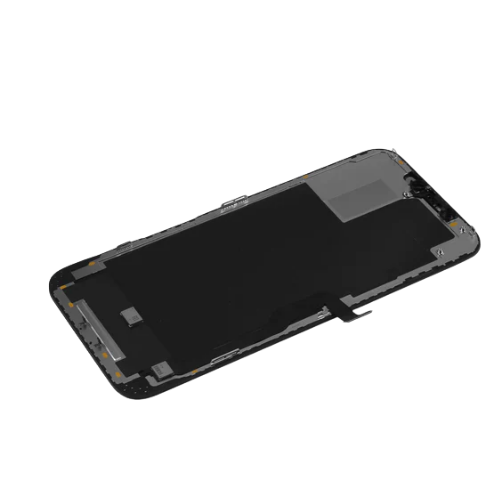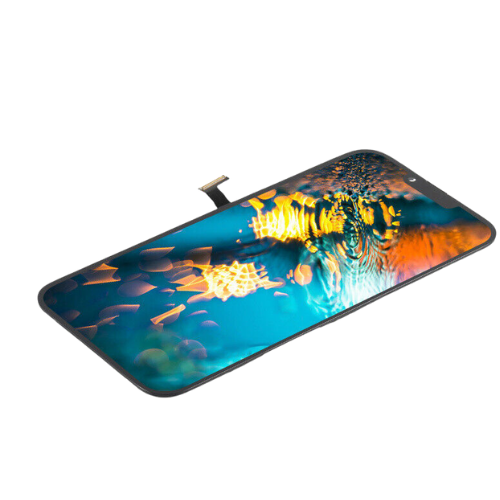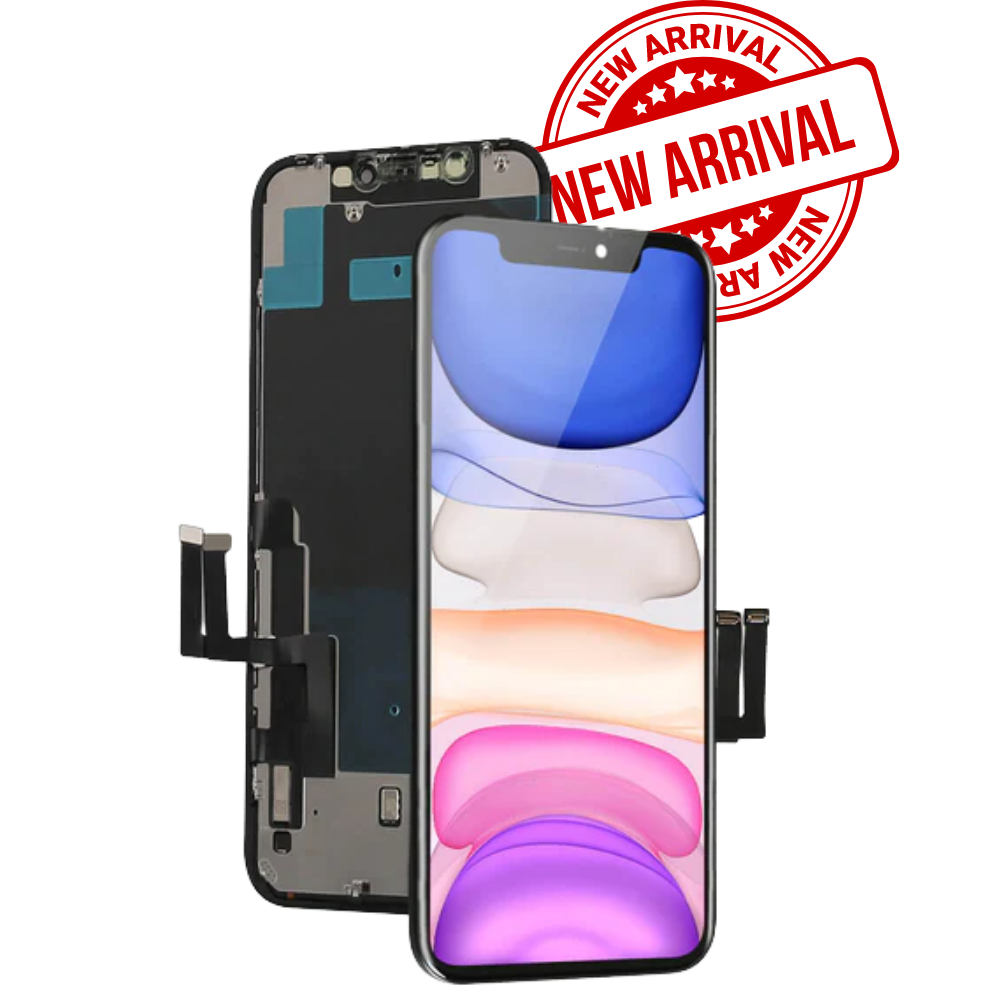

Se hai intenzione di acquistare o sostituire lo schermo di uno smartphone Redmi, comprendere le tecnologie dello schermo, specifiche prestazionali, e l'acquisto di canali è fondamentale per fare la scelta giusta. Questa guida analizza tutto, dai tipi di schermo ai suggerimenti per l'acquisto, così puoi selezionare con sicurezza il miglior display Redmi per le tue esigenze.
1. Comprendere i tipi di schermi e le differenze tecniche
Gli smartphone Redmi sono disponibili in una varietà di modelli con diverse tecnologie di schermo. Per prendere la migliore decisione d'acquisto, diamo un'occhiata da vicino a come differiscono le tecnologie LCD e OLED e come Redmi le applica alle sue linee di prodotti.
1.1 LCD contro. OLED: Panoramica della tecnologia
schermo LCD (Display a cristalli liquidi) e OLED (DIODO EMITTANO DI LUCE ORGANICA) rappresentano le due principali tecnologie di visualizzazione negli smartphone.
- schermo LCD si basa su un pannello retroilluminato che illumina le molecole di cristalli liquidi.
- OLED utilizza composti organici che emettono luce in modo indipendente, eliminando la necessità di una retroilluminazione.
Ciascuno presenta vantaggi e compromessi distinti.
1.2 Pro e contro degli schermi LCD
Vantaggi:
- Costo inferiore
- Durata della vita più lunga
- Nessuno sfarfallio a bassa luminosità
- Bilanciamento del bianco più stabile
Svantaggi:
- Impossibile ottenere il nero puro
- Rapporto di contrasto inferiore
- Tipicamente più spesso dell'OLED
- Angoli di visione limitati rispetto all'OLED
1.3 Pro e contro degli schermi OLED
Vantaggi:
- Contrasto più elevato e neri reali
- Migliore saturazione del colore
- Più sottile e più flessibile
- Supporta funzionalità come Always-On Display
- Tempo di risposta dei pixel più veloce (ottimo per i giochi)
Svantaggi:
- Costo più elevato
- Possibile sfarfallio a bassa luminosità (PWM)
- Potenziale di burn-in dopo un uso a lungo termine
1.4 Configurazioni dello schermo nelle linee di prodotti Redmi
Diverse serie Redmi utilizzano tipi di display diversi a seconda degli utenti target e del budget.
Serie di numeri Redmi (per esempio., Redmi 13C)
- Principalmente Schermi LCD
- Risoluzione HD+
- 60Frequenza Hz
- Progettato per gli utenti entry-level e l'efficienza dei costi
Serie di note Redmi (per esempio., Nota 13 Famiglia)
- Miscela di LCD e OLED
- I modelli di fascia media offrono 90Hz–120Hz
- Le varianti Pro utilizzano FHD+ OLED con campionamento ad alto tocco
- Tuttofare perfetti
Serie Redmi K. (per esempio., Serie K70)
- Pieno Schermi di punta OLED
- Fino a 2K ad alta risoluzione
- 120Frequenza di aggiornamento Hz
- Forte HDR e luminosità massima
- Ideale per giocatori e amanti dei media
1.5 Tabella comparativa: LCD contro. OLED & Serie Redmi
| Serie | Tipo di schermo | Risoluzione | Frequenza di aggiornamento | Note |
|---|---|---|---|---|
| Serie di numeri Redmi | schermo LCD | HD+ | 60Hz | Livello base, durevole |
| Serie di note Redmi | schermo LCD / OLED | FHD+ | 90–120 Hz | Scelta equilibrata |
| Serie Redmi K. | OLED | FHD+–2K | 120Hz | Esperienza di punta |
2. Spiegazione dei principali parametri prestazionali della schermata
Scegliere uno schermo Redmi non è solo una questione di confronto tra LCD e display. OLED: anche le specifiche prestazionali contano.
2.1 Risoluzione & Densità dei pixel (PPI)
- HD+ (720P): Chiarezza di base, utilizzato su modelli budget
- FHD+ (1080P): Standard per la maggior parte dei telefoni Redmi
- 2K/WQHD+: Trovato sulle ammiraglie della serie K
Più alto PPI (Pixel per pollice) = dettagli visivi più nitidi.
Qualunque cosa sopra 400 Il PPI è già “di livello Retina” per la maggior parte degli utenti.
2.2 Frequenza di aggiornamento & Toccare Frequenza di campionamento
- 60Hz: Levigatezza standard
- 90Hz: Notevolmente migliore
- 120Hz: Molto liscio, ottimo per i giochi
La frequenza di campionamento del tocco determina la reattività:
- 240Hz e superiori forniscono una migliore precisione per i giochi
- Un campionamento più elevato riduce i ritardi di input e i tocchi fantasma
2.3 Livelli di luminosità & Funzionalità HDR
Uno schermo più luminoso significa:
- Migliore visibilità esterna
- Prestazioni HDR più dinamiche
I modelli Redmi di fascia media e di punta in genere superano 1000 lendini luminosità di picco.
2.4 Precisione del colore, Gamma, e qualità di visualizzazione
Cercare:
- Gamma di colori DCI-P3
- Delta E < 2 per colori realistici
- Molteplici modalità colore (Standard, Vivido, Professionale)
Se ami la fotografia o guardare film, queste caratteristiche contano.
3. Canali di approvvigionamento & Identificazione della qualità
Puoi acquistare schermi Redmi da luoghi diversi, ma non tutti sono ugualmente affidabili.
3.1 Negozio ufficiale Xiaomi & Centri Assistenza Autorizzati
Meglio per:
- Parti originali
- Protezione della garanzia
- Installazione professionale
Aspettatevi prezzi leggermente più alti ma qualità garantita.
3.2 Come identificare schermi originali e di alta qualità
Ispezione visiva
- Bordi uniformi
- Nessun residuo di colla
- Coerenza del colore con il dispositivo originale
Test di visualizzazione
Prova i colori puri:
- Rosso, verde, blu, bianco, nero
Controlla: - Pixel morti
- Tinta di colore
- Luminosità non uniforme
Test di risposta al tocco
- Garantire un rilevamento accurato dei bordi
- Nessun ritardo o tocco mancato
Prestazioni dell'impronta digitale sul display (Se applicabile)
- Prova la velocità di sblocco
- Verifica la precisione in condizioni di scarsa illuminazione e in diverse posizioni delle dita
4. Raccomandazioni per diversi gruppi di utenti
Non tutti gli utenti necessitano dello stesso tipo di schermo. Ecco cosa si adatta meglio a te.
4.1 Giocatori
Cercare:
- 120Hz OLED
- 240Hz+campionamento del tocco
- Alta luminosità
- Piatto (non curvo) display per evitare tocchi accidentali
Le migliori scelte:
- Serie Redmi K
- Varianti di Redmi Note Pro
4.2 Amanti dei video/media
Priorità:
- Display OLED
- HDR10+ e Dolby Vision
- Elevata precisione del colore
- Risoluzione FHD+ o 2K
Gli schermi della serie K offrono una qualità simile al cinema.
4.3 Utenti giornalieri e impiegati
Concentrarsi su:
- Conforto per gli occhi
- Luminosità stabile
- Schermi di lunga durata
Si adatta meglio:
- LCD o OLED di alta qualità con PWM ad alta frequenza (1920Hz+)
- Serie Redmi Note
4.4 Studenti attenti al budget
La soluzione migliore:
- Schermi LCD
- Edizioni standard Redmi Number Series o Note
Conveniente da acquistare e più economico da riparare.
4.5 Tabella riepilogativa
| Tipo utente | Esigenze chiave | Schermata consigliata | La migliore serie Redmi |
|---|---|---|---|
| Giocatori | Liscio & reattivo | 120Hz OLED | Serie K, Nota Pro |
| Amanti dei media | Colore & contrasto | OLED HDR | Serie K |
| Uso quotidiano in ufficio | Conforto per gli occhi | OLED con oscuramento CC / schermo LCD | Serie di note |
| Studenti | Basso costo | LCD ad alto aggiornamento | Numero / Nota |
5. Tendenze future & Strategie di acquisto
Redmi migliora continuamente le tecnologie di visualizzazione. Ecco le tendenze da tenere d'occhio.
5.1 Tendenze LTPO e frequenza di aggiornamento adattiva
Presto, verranno adottati altri dispositivi Redmi di fascia media:
- LTPO SEI
- 1–Aggiornamento intelligente a 120 Hz
Ciò riduce significativamente il consumo della batteria.
5.2 Maggiore luminosità & Protezione oculare avanzata
Aspettarsi:
- 1500+ luminosità di picco delle lendini
- 1920Dimmerazione PWM Hz o 2160 Hz
- Modalità di scarsa illuminazione blu migliorate
5.3 Disegni a schermo intero & Telecamere sotto il display
Entro i prossimi anni:
- I disegni perforati svaniranno
- La tecnologia sotto il display si estenderà alla serie K
5.4 Il momento migliore per acquistare & Fasce di prezzo
Acquista durante:
- 618
- Raddoppiare 11
- Lancio di nuovi modelli
Costi tipici della sostituzione dello schermo:
- LCD serie Redmi Number: ¥200–¥400
- Redmi Nota OLED: ¥500–¥800
- OLED serie Redmi K: ¥800–¥1200
5.5 Considerazioni sui costi di riparazione
Gli schermi OLED sono più costosi da sostituire: considera l'acquisto:
- Assicurazione sullo schermo
- Garanzia estesa
Soprattutto per la serie K.
Conclusione
Per scegliere lo schermo giusto per lo smartphone Redmi è necessario comprendere la tecnologia di visualizzazione, specifiche prestazionali, canali di approvvigionamento, e le tue specifiche esigenze di utilizzo. Redmi continua a spingere le funzionalità avanzate dello schermo su modelli convenienti, rendendo più semplice che mai vivere esperienze visive premium. Applicando questa guida, puoi scegliere con sicurezza la migliore configurazione dello schermo e assicurarti un acquisto della massima qualità.
FAQ
1. Uno schermo OLED vale il costo aggiuntivo per i telefoni Redmi?
Sì, se dai la priorità ai colori vivaci, contrasto, e visualizzazione premium, Ne vale la pena.
2. Gli schermi sostitutivi di terze parti sono affidabili?
Possono esserlo, purché si scelgano venditori affidabili e si verifichi la qualità del prodotto.
3. Quali modelli Redmi sono i migliori per i giochi?
Serie Redmi K (Famiglia K60/K70) e varianti Note Pro con schermi OLED a 120 Hz.
4. Come posso verificare se il mio schermo Redmi è originale?
Eseguire test di visualizzazione e tocco, ispezionare i contrassegni sul pannello, e confrontare luminosità e colore con le specifiche originali.
5. Quando è il momento migliore per acquistare uno schermo o un dispositivo Redmi?
Durante i principali eventi di vendita come 618, Raddoppiare 11, o subito dopo il lancio di un nuovo modello.