Comprendere la catena di fornitura del display mobile
Componenti chiave nello schermo di uno smartphone
Se hai mai provato a procurarti schermi di telefoni cellulari, probabilmente hai notato quanto possa diventare confusa la terminologia. Un fornitore afferma: “Modulo LCD,” un altro dice “touch assembly,” e qualcun altro aggiunge “vetro esterno” o “digitalizzatore”. È come se tutti parlassero la stessa lingua, ma con dialetti completamente diversi.
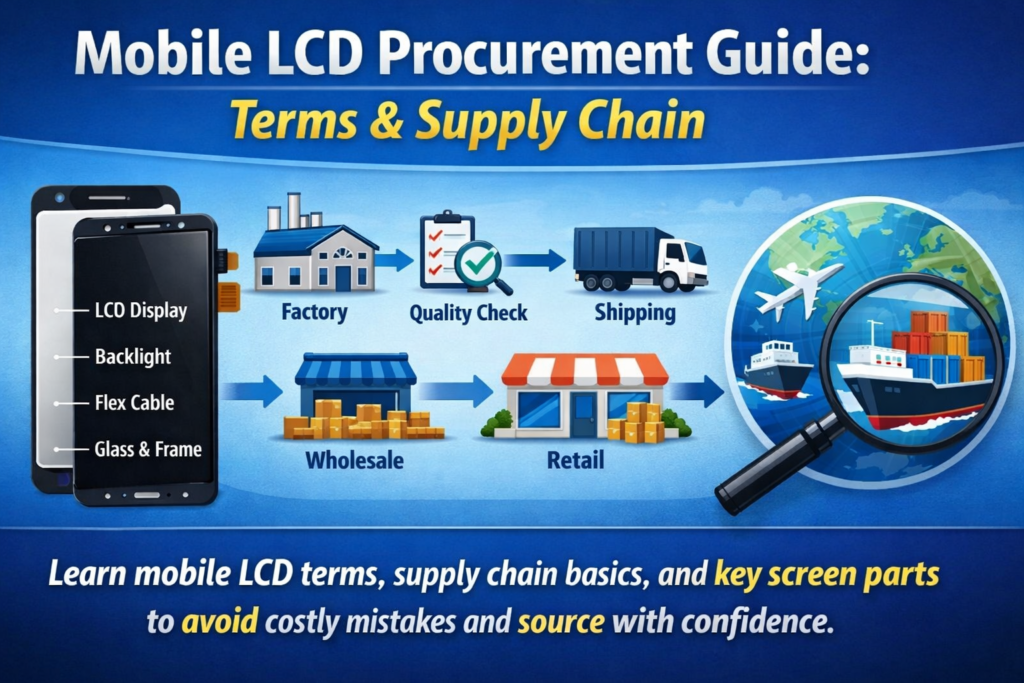
Al suo centro, il display di uno smartphone non è solo un pezzo unico. Si tratta di un insieme di componenti accuratamente progettati che lavorano insieme per offrire immagini e risposta al tocco. IL Pannello LCD produce l'immagine, IL strato tattile rileva i movimenti delle dita, e il vetro di copertura protegge tutto ciò che sta sotto. Questi elementi possono essere venduti separatamente o come modulo completamente integrato, a seconda del tipo di prodotto e dei requisiti di riparazione.
Capire come interagiscono queste parti è essenziale, soprattutto se ti occupi di appalti. Un piccolo malinteso, come confondere un gruppo completo con una semplice lente in vetro, può portare a errori costosi, ritardi, o reclami dei clienti. Ecco perché acquisire familiarità con questi termini non è solo utile, ma è assolutamente necessario se vuoi operare in modo efficiente in questo settore..
Perché la terminologia è importante nel procurement
Siamo onesti: nel settore delle parti mobili, la chiarezza equivale al profitto. Se non definisci chiaramente cosa stai acquistando, potresti finire per pagare qualcosa che non intendevi acquistare o peggio, ricevere componenti incompatibili.
Per esempio, ordinare uno "schermo" senza specificare se si tratta di a modulo LCD completo o semplicemente il vetro esterno può portare a una grande confusione. I fornitori potrebbero assumere cose diverse in base ai propri standard. E perché è coinvolto il commercio internazionale, le barriere linguistiche non fanno altro che amplificare il problema.
Una terminologia accurata aiuta a semplificare la comunicazione, riduce le controversie, e garantisce la coerenza tra gli ordini. Inoltre, rende più semplice confrontare i preventivi di diversi fornitori. Quando tutti sono allineati sulle definizioni, i prezzi diventano trasparenti, e la negoziazione diventa molto più agevole.
Insomma, padroneggiare questi termini non è solo una conoscenza tecnica: è un vantaggio strategico.
Che cos'è un modulo schermo LCD mobile?
Definizione di modulo LCD (LCM)
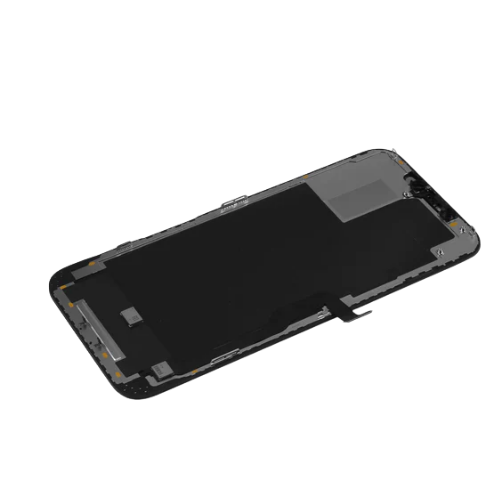
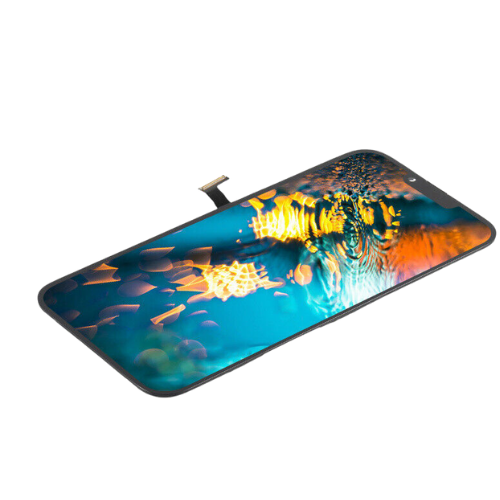
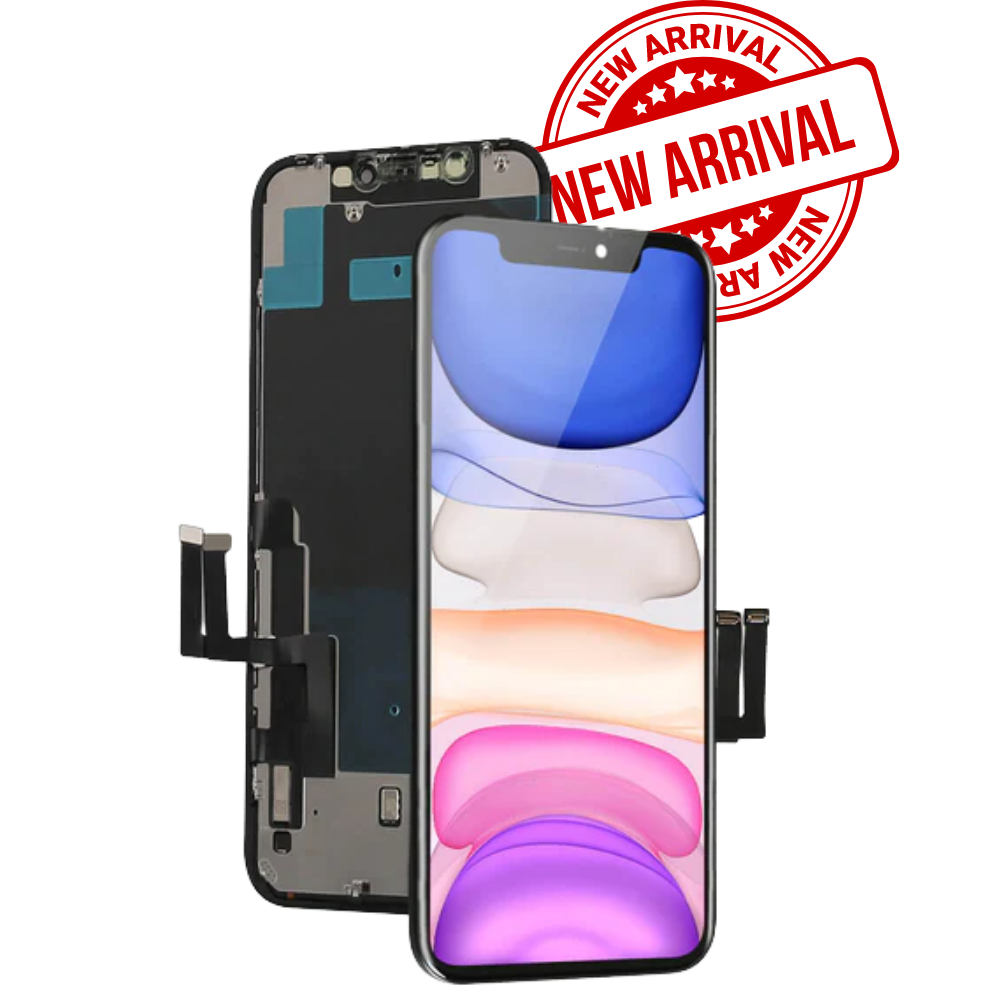
Il termine Modulo LCD (LCM) è una delle frasi più comunemente usate nel settore dei display mobili. In poche parole, un LCM è a unità espositiva completa che include il pannello LCD e solitamente la funzionalità touch, il tutto preassemblato in un unico componente.
Consideratelo come un pacchetto pronto per l'installazione. Invece di gestire più livelli separatamente, ottieni tutto legato insieme. Ciò riduce i tempi di installazione e minimizza il rischio di danni durante la riparazione o il montaggio.
Negli appalti, specificare "LCM" in genere significa che si desidera a unità espositiva perfettamente funzionante, non solo singole parti. Tuttavia, è comunque importante chiarire se il modulo prevede componenti aggiuntivi come il telaio, retroilluminazione, o chip IC.
Componenti principali all'interno di un LCM
Un modulo LCD standard è solitamente costituito da diversi strati:
- Pannello LCD (Display a cristalli liquidi) – responsabile della generazione delle immagini
- Unità di retroilluminazione – fornisce illuminazione
- Tocca Digitalizzatore – rileva l'input tattile
- Vetro di copertura – protegge lo schermo
- FPC (Circuito stampato flessibile) – collega il modulo alla scheda madre
Questi strati sono spesso incollati utilizzando tecniche di laminazione avanzate come OCA (Adesivo otticamente trasparente). L'integrazione migliora la chiarezza del display e la sensibilità al tocco riducendo i riflessi.
Per gli acquirenti, comprendere questi componenti ti aiuta a valutare la qualità e il prezzo del prodotto. Un modulo con una migliore laminazione e materiali di qualità superiore costerà naturalmente di più, ma offrirà anche prestazioni e durata migliori.
Spiegazione della tecnologia touch dello schermo mobile
Tocco capacitivo vs tocco resistivo
La tecnologia touch è la magia invisibile dietro ogni tocco, rubinetto, e pizzicare. Oggi, quasi tutti gli smartphone utilizzano touch screen capacitivi, ma i dispositivi più vecchi o specializzati possono ancora fare affidamento tecnologia touch resistiva.
I touch screen capacitivi rilevano i segnali elettrici provenienti dal dito, offrendo tempi di risposta più rapidi e funzionalità multi-touch. Ecco perché dominano il mercato dei consumatori. Schermi resistivi, d'altra parte, fanno affidamento sulla pressione e sono meno sensibili ma più durevoli in determinati ambienti industriali.
Dal punto di vista degli appalti, i pannelli touch capacitivi sono lo standard. Tuttavia, non tutti gli schermi capacitivi sono uguali. Variazioni di sensibilità, durata, e i circuiti integrati del controller possono avere un impatto significativo sull'esperienza dell'utente.
Ruolo del pannello touch negli smartphone moderni
IL pannello a sfioramento, conosciuto anche come il digitalizzatore, si trova sopra lo strato del display e traduce il tocco fisico in segnali digitali. Nei design moderni, questo strato è spesso integrato direttamente nel display LCD o nel vetro utilizzando tecnologie simili Incell O Oncell.
Questa integrazione riduce lo spessore e migliora la reattività. Semplifica anche la catena di fornitura, poiché sono necessari meno componenti separati. Tuttavia, può rendere le riparazioni più costose poiché potrebbe essere necessario sostituire l'intero modulo se uno strato si guasta.
Per gli acquirenti, la scelta tra pannelli touch separati e soluzioni integrate dipende dal mercato di riferimento, che si tratti di prodotti incentrati sulla riparazione o per l'utente finale.
Schermo esterno (Bicchiere) rispetto allo schermo interno (Display)
Cos'è lo schermo esterno (Vetro di copertura)?
IL schermo esterno, spesso indicato come vetro di copertura, è lo strato più alto che gli utenti toccano fisicamente. Il suo ruolo principale è la protezione. Protegge i delicati componenti interni dai graffi, impatti, e danni ambientali.
Il vetro di copertura di alta qualità è generalmente realizzato con materiali rinforzati come il vetro temperato. Alcuni dispongono addirittura di rivestimenti per anti-impronta digitale O antiriflesso proprietà.
Negli appalti, il vetro esterno viene spesso venduto separatamente a scopo di riparazione. È più economico di un modulo completo ma richiede l’installazione da parte di tecnici qualificati. Questa opzione è popolare nei mercati in cui si preferiscono riparazioni a basso costo.
Cos'è lo schermo interno (Pannello LCD)?
IL schermo interno si riferisce al pannello di visualizzazione effettivo, la parte che genera immagini. Ciò include lo strato di cristalli liquidi, filtri colorati, e sistema di retroilluminazione.
A differenza del vetro esterno, lo schermo interno è altamente sensibile e costoso. I danni a questo componente di solito causano problemi di visualizzazione come pixel morti, linee, o nessuna immagine.
Separare lo schermo interno dal vetro esterno è possibile ma tecnicamente impegnativo. Ecco perché molti acquirenti optano invece per moduli completi: è più semplice e affidabile.
Differenze tra l'assemblaggio completo e le parti separate
Laminazione completa vs separazione del telaio
UN assemblaggio completo (chiamata anche laminazione completa) significa tutti gli strati: vetro, tocco, e display: sono uniti in una singola unità. Ciò fornisce una migliore chiarezza ottica e durata.
Al contrario, parti separate consentire la sostituzione individuale di ogni strato. Allo stesso tempo, ciò riduce i costi dei materiali, aumenta la complessità del lavoro e il rischio durante l'installazione.
Pro e contro per gli acquirenti
| Opzione | Vantaggi | Svantaggi |
|---|---|---|
| Assemblea completa | facile installazione, migliore qualità | Costo più elevato |
| Parti separate | Costo inferiore, riparazione flessibile | Rischio lavorativo più elevato |
La scelta dell’opzione giusta dipende dal tuo modello di business. Se dai priorità alla velocità e all'affidabilità, le assemblee complete sono la strada da percorrere. Se il risparmio sui costi è il tuo obiettivo principale, parti separate potrebbero essere più adatte.
Termini comuni del settore che devi conoscere
OEM, Aftermarket, Rinnovato spiegato
- OEM (Produttore di apparecchiature originali): Parti originali prodotte in fabbrica
- Aftermarket: Componenti prodotti da terzi
- Ristrutturato: Parti usate ripristinate e funzionanti
Ogni categoria ha il proprio prezzo e livello di qualità. Le parti OEM sono le più costose ma offrono la massima affidabilità.
Incell, Oncell, e tecnologie TFT
- Incell: Tocco integrato nello strato LCD
- Oncell: Tocca il livello sulla parte superiore del display LCD
- TFT: Tecnologia LCD tradizionale
Comprendere questi termini ti aiuta a confrontare i prodotti in modo più efficace.
Gradi di qualità e standard di prova
Schermate di grado A e di grado B
La valutazione della qualità è fondamentale negli appalti. Schermi di prima qualità sono quasi perfetti, Mentre Schermi di grado B potrebbe presentare piccoli difetti.
Principali procedure di test prima della spedizione
I fornitori in genere eseguono:
- Test di luminosità
- Test di sensibilità al tocco
- Ispezione dei pixel morti
Questi test garantiscono l'affidabilità del prodotto prima della consegna.
Fattori di prezzo nell'approvvigionamento di schermi LCD
Costo dei materiali e impatto della tecnologia
Tecnologie avanzate come Incell aumentano i costi di produzione ma migliorano le prestazioni.
MOQ e considerazioni sulla catena di fornitura
Quantità minima di ordine (Moq) possono influenzare significativamente i prezzi. Gli ordini all'ingrosso di solito prevedono sconti.
Scegliere il fornitore giusto
Criteri chiave di valutazione
Cercare:
- Qualità costante
- Comunicazione trasparente
- Consegna affidabile
Bandiere rosse da evitare
Evita i fornitori che:
- Mancano certificazioni
- Fornire specifiche poco chiare
- Offri prezzi insolitamente bassi
Tendenze future nell'approvvigionamento di display mobili
Passare agli schermi OLED e flessibili
Mentre l'LCD domina ancora i dispositivi economici, L'OLED sta guadagnando popolarità grazie a colori e flessibilità migliori.
Crescente domanda di moduli integrati
Le soluzioni integrate continueranno a crescere, semplificando la produzione e le riparazioni.
Conclusione
All'inizio, orientarsi nel mondo dell'approvvigionamento di schermi LCD mobili può sembrare travolgente, ma una volta compresa la terminologia, tutto comincia ad avere un senso. Da Moduli LCD A pannelli tattili, da vetro esterno A manifestazioni interiori, ogni termine rappresenta una componente specifica con il proprio ruolo nel quadro più ampio.
Quando capisci chiaramente cosa stai acquistando, riduci i rischi, migliorare la comunicazione con i fornitori, e, infine, prendere decisioni di acquisto più intelligenti. Che tu stia cercando officine di riparazione, distribuzione all'ingrosso, o manifatturiero, padroneggiare questi concetti ti dà un vero vantaggio competitivo.
FAQ
1. Qual è la differenza tra modulo LCD e touch screen?
Un modulo LCD include sia il display che i componenti touch, mentre il touch screen si riferisce solo allo strato sensibile al tocco.
2. Posso sostituire solo il vetro esterno dello schermo di un telefono?
SÌ, ma richiede attrezzature specializzate e tecnici qualificati.
3. Cosa significa la tecnologia Incell?
Incell integra la funzione touch direttamente nello strato LCD, rendere gli schermi più sottili e più reattivi.
4. Gli schermi aftermarket sono affidabili?
Possono esserlo, ma la qualità varia a seconda del produttore.
5. Perché gli assemblaggi completi sono più costosi?
Perché combinano più componenti in un'unica unità, offrendo prestazioni migliori e un'installazione più semplice.