Introduzione – Perché la tecnologia dello schermo è importante
Pensa alla prima cosa che noti quando sblocchi il telefono. È lo schermo: la tua finestra sulle app, giochi, film, e tutto il resto. Ancora, quando le persone acquistano un nuovo dispositivo, di solito sentono solo due parole: schermo LCD E OLED. Sembra semplice, Giusto? Ma la verità è molto più profonda. All'interno di queste due categorie si trovano più sottotipi, ciascuno influenza la nitidezza, colorato, durevole, e anche il livello di batteria del tuo telefono. Analizziamolo passo dopo passo.
Le basi dei display degli smartphone
Che cos'è un pannello di visualizzazione?
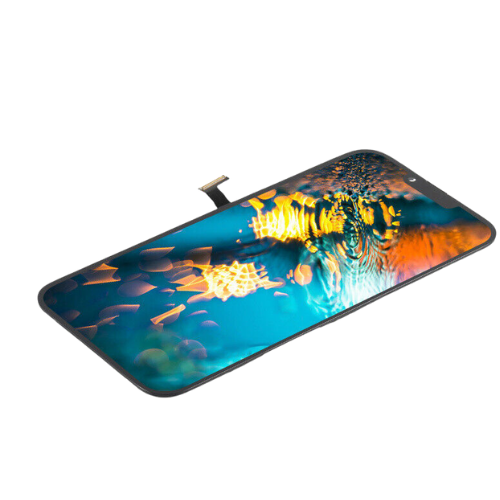
Lo schermo di uno smartphone è molto più che semplice vetro. Sotto la superficie si trova il pannello di visualizzazione, il vero mago responsabile della visualizzazione di ogni pixel.
Il ruolo della retroilluminazione vs. Tecnologia autoemissiva
La differenza fondamentale tra i tipi di display si riduce a questo:
- Gli LCD necessitano di retroilluminazione (come una lampada che splende da dietro).
- Gli OLED sono autoemissivi, il che significa che ogni pixel si illumina da solo.
Questa divisione fondamentale influenza tutto il resto: lo spessore, consumo di energia, e la qualità dell'immagine.
Spiegazione della tecnologia LCD
Come funziona l'LCD
LCD sta per Display a cristalli liquidi. I cristalli liquidi non emettono luce da soli; Invece, controllano la quantità di retroilluminazione che passa per formare un'immagine.
LCD IPS: colori e angoli di visualizzazione bilanciati
- IPS (Commutazione in aereo) Gli LCD sono famosi per i loro colori uniformi e gli ampi angoli di visione.
- Utilizzato in molti telefoni di fascia media, trovano un buon equilibrio tra prezzo e qualità.
LCD TFT: conveniente ma limitato
- TFT (Transistor a film sottile) Gli LCD sono più economici da produrre ma hanno angoli di visione più stretti e colori meno vivaci.
- Comunemente presente nei modelli budget.
Spiegazione della tecnologia OLED
Come funziona l'OLED
OLED sta per DIODO EMITTANO DI LUCE ORGANICA. Qui, ogni pixel è una minuscola sorgente luminosa. Quando è spento, il pixel è veramente nero. Ecco perché gli OLED possono offrire un contrasto straordinario.
OLED rigido: resistente ma spesso
- Costruito su a substrato di vetro.
- Più conveniente degli OLED flessibili ma aggiunge spessore al dispositivo.
OLED flessibile: sottile, Curvo, e Premio
- Fatto l'a substrato plastico, consentendo disegni piegati e persino pieghevoli.
- Più leggero e più sottile, ampiamente utilizzato nelle ammiraglie di fascia alta come Samsung Galaxy e iPhone.
Differenze chiave tra LCD e OLED
Spessore e flessibilità
- schermo LCD: Più ingombrante a causa degli strati di retroilluminazione.
- OLED: Può essere estremamente sottile, versioni particolarmente flessibili.
Qualità di visualizzazione: colori e contrasto
- schermo LCD: Buona luminosità, ma i neri sembrano grigiastri.
- OLED: Neri veri, contrasto più ricco, e spesso colori più saturi.
Consumo energetico
- schermo LCD: La retroilluminazione è sempre attiva → maggiore consumo energetico.
- OLED: Risparmia energia quando si mostrano contenuti scuri (poiché i pixel neri sono disattivati).
Costi e complessità di produzione
- schermo LCD: Più economico e più facile da produrre in serie.
- OLED: Più costoso, OLED particolarmente flessibili, a causa della produzione complessa.
Stili di connettori comuni (“Cavi flessibili”)
Cos'è un cavo flessibile?
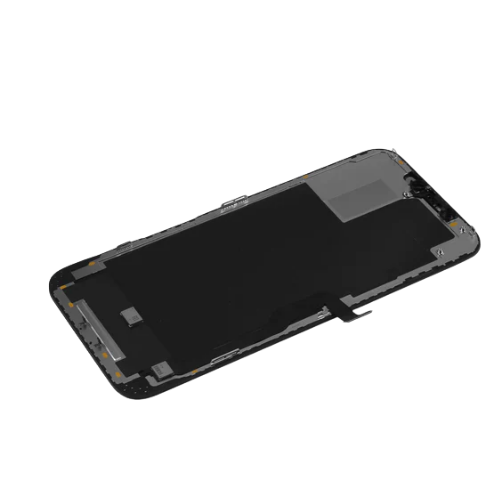
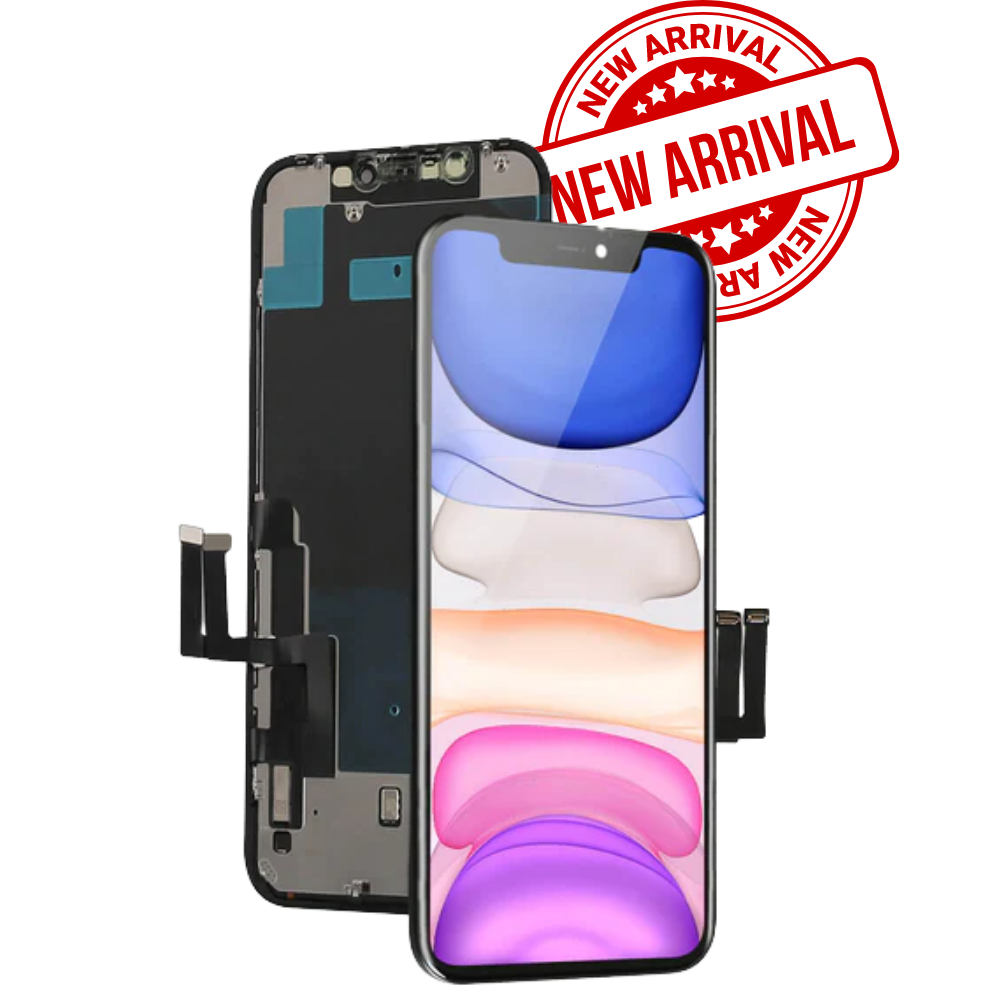
IL cavo flessibile è come il vaso sanguigno che collega lo schermo alla scheda madre del telefono. Senza di essa, nessun segnale sul display o input tattile funzionerebbe.
Stili tipici nel display LCD
- Generalmente connettori flessibili singoli in fondo.
- Più semplice e meno costoso da sostituire.
Stili tipici in OLED
- Spesso Design a forma di L o doppio flessibile.
- Necessario per il diluente, curvo, o display pieghevoli.
- Le riparazioni possono essere più complicate e costose.
Pro e contro di ciascun tipo di schermo
Vantaggi e svantaggi del display LCD
- ✅ Più conveniente
- ✅ Spesso più luminoso all'aperto
- ❌ Più spesso e più pesante
- ❌ Contrasto più debole
Vantaggi e svantaggi dell'OLED
- ✅Sottile, leggero, aspetto premium
- ✅ Contrasto superiore e colori vivaci
- ✅ Efficiente dal punto di vista energetico con temi scuri
- ❌ Più costoso
- ❌ Rischio di burn-in nel tempo
Idee sbagliate sulla qualità dello schermo
Prezzo più alto ≠ Sempre migliore
Non tutti gli OLED battono automaticamente un LCD. Un LCD IPS di alta qualità può superare un OLED di basso livello in termini di consistenza e durata.
Durabilità vs. Visualizza prestazioni
Gli OLED rigidi potrebbero rompersi più facilmente rispetto agli LCD rinforzati. Gli OLED flessibili si piegano ma possono essere fragili quando si piegano.
Il futuro dei display degli smartphone
Mini LED e Micro LED
- Mini LED utilizza migliaia di minuscole zone di retroilluminazione per un migliore contrasto.
- MicroLED combina l'emissione automatica di tipo OLED con una durata di vita più lunga, vista come il "Santo Graal" dei display futuri.
Schermi flessibili e pieghevoli emergenti
Aspettatevi più telefoni pieghevoli e arrotolabili, man mano che la tecnologia OLED flessibile matura.
Conclusione: scegliere lo schermo giusto per le tue esigenze
Alla fine della giornata, nessun singolo tipo di schermo è perfetto. Gli LCD vincono in termini di convenienza e luminosità, Gli OLED brillano per colore e sottigliezza, e la tecnologia del futuro come Micro-LED potrebbe fondere il meglio di entrambi i mondi. Quando si sceglie, pensa alle tue esigenze: Sei un utente attento al budget, un giocatore che desidera immagini vivide, o qualcuno che vuole semplicemente il telefono più sottile? Il tipo di schermo conta più di quanto pensi.
FAQ
Q1: Che è meglio per i giochi, LCD o OLED?
L'OLED solitamente fornisce neri più profondi e immagini più fluide, ma un LCD IPS di alta qualità può comunque essere eccellente per i giochi.
Q2: Gli schermi OLED consumano la batteria più velocemente?
Non sempre. Gli OLED effettivamente risparmiano energia con contenuti scuri poiché i pixel neri sono disattivati.
Q3: Il burn-in dello schermo è ancora un grosso problema per gli OLED?
Può succedere, ma i moderni OLED hanno una protezione migliore. Gli utenti occasionali raramente se ne accorgono.
Q4: Perché i telefoni OLED flessibili sono così costosi??
Il processo di produzione è complesso, e i rendimenti sono inferiori, facendo lievitare i costi.
Q5: Presto i Micro-LED sostituiranno gli OLED negli smartphone??
Non immediatamente. Pur promettendo, Il micro-LED è ancora troppo costoso per l’adozione di massa degli smartphone.