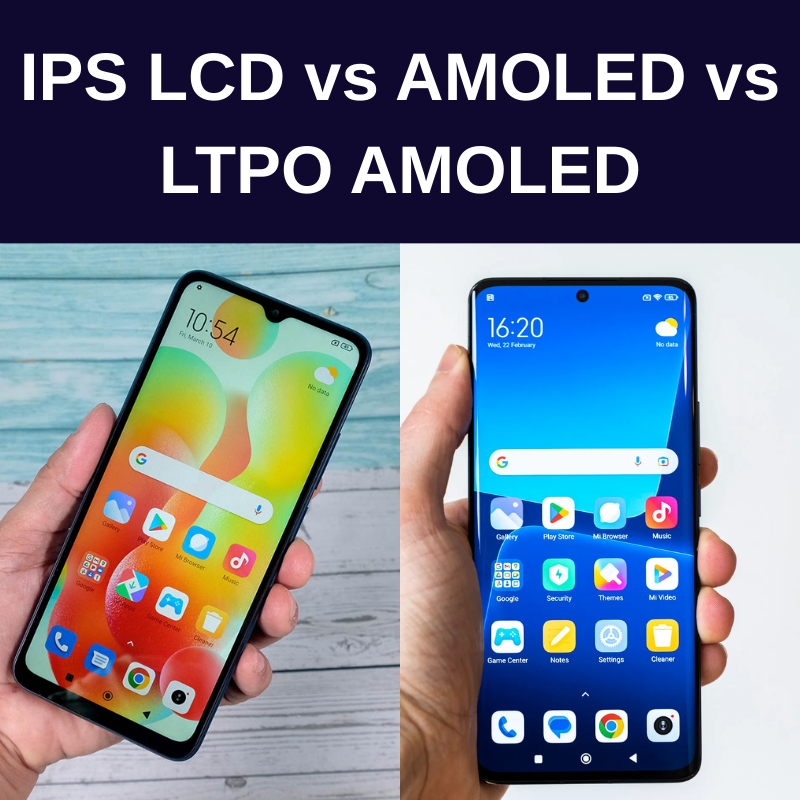
В индустрии смартфонов, дисплей является основным средством взаимодействия с пользователем. Как эталонный бренд на бюджетном рынке, Выбор технологии отображения Xiaomi Redmi напрямую влияет на удобство использования и конкурентоспособность на рынке.. В этой статье рассматриваются технические принципы, плюсы и минусы, и продуктовая стратегия Xiaomi Redmi в отношении IPS LCD, Амоль, и технологии отображения LTPO AMOLED.
1. Анализ трех технологий отображения
1. IPS ЖК-дисплей: Классический и практичный
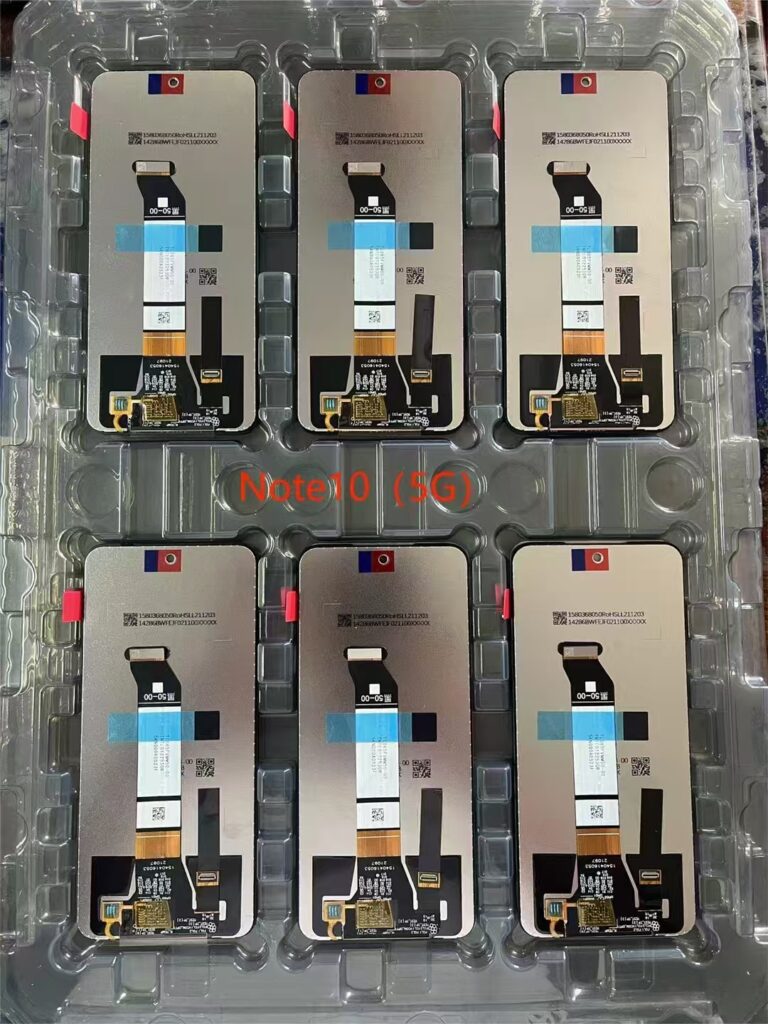
IPS (Плоскостное переключение) ЖК-экраны используют модуль подсветки для излучения света., с молекулами жидких кристаллов, расположенными горизонтально для улучшения углов обзора и точности цветопередачи. К его преимуществам относится низкая стоимость., долгий срок службы, и нет риска обжечься. Многие модели Redmi начального уровня (например Редми 10А) используйте этот тип дисплея, чтобы обеспечить базовые возможности при одновременном снижении затрат..
Подтверждающие данные: По данным GSMArena, Примечание Сяоми Редми 10 оснащен 6,43-дюймовым ЖК-дисплеем IPS с разрешением 1080p и типичной яркостью 450 гниды. Хотя достаточно для ежедневного использования, его контрастность составляет всего 1500:1.
2. Амоль: Революция в цвете и эффективности
Амоль (Активная матрица органический светодиод) экраны позволяют каждому пикселю излучать свет независимо, устранение необходимости в модуле подсветки. Это обеспечивает настоящий черный цвет и сверхвысокую контрастность. (например, 1,000,000:1). К преимуществам AMOLED можно отнести более широкую цветовую гамму. (DCI-P3), более низкое энергопотребление в темных сценах, и потенциал для гибкого дизайна. Модели Redmi среднего и высокого класса (например, Xiaomi Redmi Note 12 Профиль) широко внедрили AMOLED для улучшения визуального восприятия.
Подтверждающие данные: Redmi K60 оснащен 6,67-дюймовым AMOLED-дисплеем с максимальной яркостью 1400 гниды, частота обновления 120 Гц, и сертификация HDR10+, значительное улучшение производительности в играх и видео (источник: GSMАрена).

3. LTPO AMOLED: The Future of Dynamic Refresh Rates
ЛТПО (Низкотемпературный поликристаллический оксид) technology combines the advantages of LTPS and IGZO transistors, enabling dynamic refresh rate adjustments between 1Hz and 120Hz (as seen in the Redmi K70 Pro). Compared to traditional AMOLED, LTPO reduces power consumption by 20%-30%. This technology is primarily used in flagship models, balancing high refresh rates with power efficiency.
Industry Trend: Сяоми 13 Pro has already adopted LTPO AMOLED, and future iterations of the Redmi K series may incorporate this technology, further bringing high-end display tech to budget-friendly models.
2. Pros and Cons Comparison: The Trade-off Between Data and Experience
| Aspect | IPS ЖК-дисплей | Амоль | LTPO AMOLED |
|---|---|---|---|
| Контраст | Низкий (~1500:1) | Чрезвычайно высокий (1,000,000:1) | Same as AMOLED but optimized for power consumption |
| Потребляемая мощность | Always-on backlight, higher power usage | Zero power in black scenes, более энергоэффективный | Dynamic refresh rate further reduces power consumption |
| Расходы | Низкий (5%-8% от общей стоимости устройства) | Высокий (10%-15%) | Самый высокий (15%-20%) |
| Продолжительность жизни | Нет риска выгорания, длительный срок службы подсветки | Потенциальный выгорание при длительном использовании. | То же, что AMOLED, но требует оптимизированных алгоритмов обновления пикселей. |
| Идеальные варианты использования | Основное использование, требуется длительное время автономной работы | Мультимедиа, высококонтрастное изображение | Игры с высокой частотой обновления, эффективность работы от аккумулятора в течение всего дня |
3. Продуктовая стратегия Redmi: Целевое позиционирование и технологические инновации
- Модели начального уровня: IPS LCD для экономичности
- Пример: Xiaomi Redmi 12C оснащен 6,71-дюймовым IPS-экраном., предоставление необходимых функций по доступной цене. Качество дисплея приносится в жертву, это обеспечивает длительный срок службы батареи и долговечность.
- Модели среднего и высокого класса: Массовое внедрение AMOLED
- Пример: Примечание Сяоми Редми 12 Pro+ оснащен 6,67-дюймовым AMOLED-дисплеем., поддержка частоты обновления 120 Гц и Dolby Vision. Расположен в ценовом диапазоне 2000 иен., он конкурирует с такими конкурентами, как Realme 10 Про+, обеспечивает повышенную точность цветопередачи и производительность HDR.
- Флагманское исследование: Будущие перспективы LTPO AMOLED
- Хотя Redmi еще не широко внедрила технологию LTPO., Сяоми 13 ряд’ Дисплей ЛТПО (с адаптивной частотой обновления 1–120 Гц) доказывает зрелость технологии. Ожидается, что будущие модели Redmi K-серии будут интегрировать LTPO., ориентирован на сегмент рынка стоимостью 3000 иен.
4. Руководство по выбору пользователя
- Ограниченный бюджет: Модели с IPS-дисплеем (например, Xiaomi Redmi 12) идеальны для экономных пользователей с базовыми потребностями.
- Любители мультимедиа: AMOLED-модели (например, Сяоми Редми Примечание 12 Профиль) обеспечить более захватывающий визуальный опыт.
- Технические энтузиасты & Геймеры: Будущие модели LTPO (например, Сяоми Редми К70 Про) предложит лучший баланс между высокой частотой обновления и эффективностью батареи.
Заключение
Благодаря дифференцированной стратегии отображения, Xiaomi Redmi находит баланс между ценой и опытом. Поскольку технология LTPO становится более доступной, Ожидается, что Xiaomi Redmi представит “технология отображения следующего уровня” бюджетные флагманы, постоянное изменение ландшафта рынка среднего класса. Для потребителей, Выбор правильного дисплея в конечном итоге зависит от баланса потребностей и бюджета — понимание спецификаций поможет найти идеальный экран..