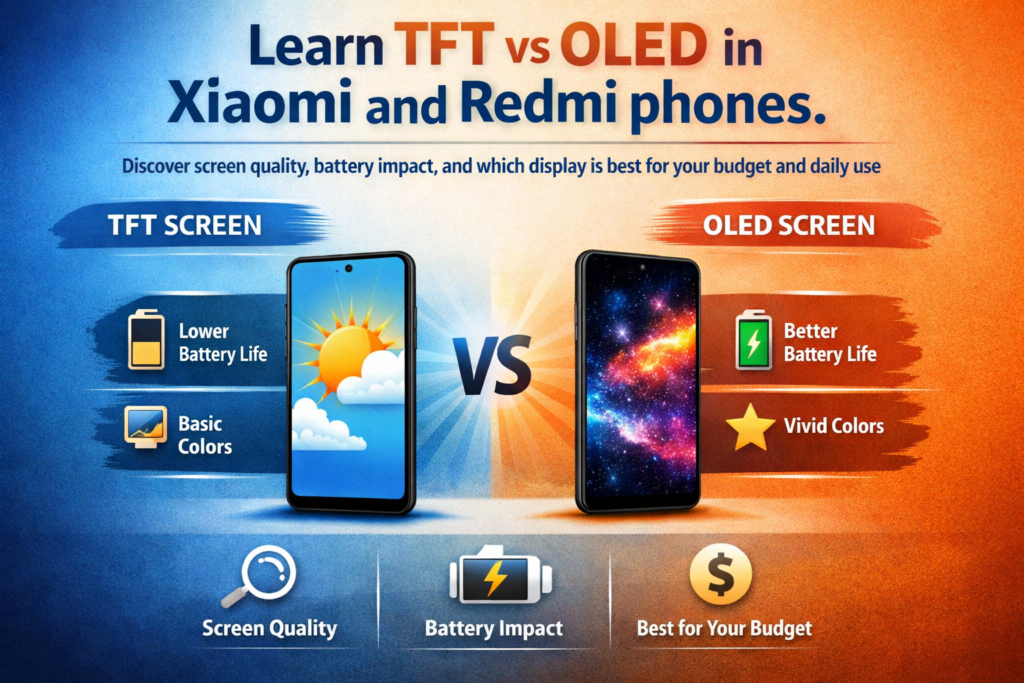
Cén Fáth Tá Cáilíocht Scáileáin i bhFóin Xiaomi agus Redmi
Bímis macánta - is é scáileán do ghuthán cliste gach rud. Is é an fhuinneog do d'aipeanna é, do físeáin, do chuid cluichí, agus fiú do chumarsáid laethúil. Nuair a thagann sé le brandaí cosúil le Xiaomi agus Redmi, éiríonn an taispeáint níos tábhachtaí fós mar go bhfuil cáil ar na cuideachtaí seo as feidhmíocht agus costas a chothromú. Dá réir sin, conas a éiríonn leo eispéiris atá cairdiúil don bhuiséad agus den scoth a thairiscint? Luíonn an freagra den chuid is mó sa chineál teicneolaíochta scáileáin a úsáideann siad.
Bíonn tionchar díreach ag cáilíocht an scáileáin ar an dóigh a bhfeiceann tú fón. A geal, is féidir le taispeáint ildaite fiú fón lár-réimse a mhothú go préimh, agus is féidir le scáileán dorcha taithí feiste ardfheidhmíochta a mhilleadh. Sin an fáth a thuiscint cé acu a úsáideann do ghuthán Tft (LCD) nó Ollainn cúrsaí níos mó ná mar a shílfeá. Ní bhaineann sé le hamharcanna amháin - bíonn tionchar aige freisin ar shaol na ceallraí, marthanacht, agus fiú costais deisiúcháin.
I bhfeistí Xiaomi agus Redmi, tá rogha taispeána straitéiseach. Is minic a bhíonn samhlacha buiséid ag brath ar phainéil TFT LCD, agus úsáideann samhlacha deiridh níos airde OLED. Ligeann an scoilt seo don bhranda díriú go héifeachtach ar lucht féachana éagsúla gan cur isteach ar shástacht iomlán na n-úsáideoirí.
Forbhreathnú ar Theicneolaíochtaí LCD agus OLED
Ag croílár, Tá dhá phríomhchatagóir ag baint le taispeántais smartphone: LCD (Taispeántas criostail leachtach) is Ollainn (Dé-óid astaithe solais orgánaigh). Is cineál LCD é TFT i ndáiríre, agus is foirm de OLED é AMOLED a úsáidtear go forleathan i bhfóin chliste nua-aimseartha.
Tá an difríocht is mó sa chaoi a tháirgeann siad solas. Scáileáin LCD, lena n-áirítear TFT, a cheangal ar backlight chun picteilíní a shoilsiú. Scáileáin OLED, ar an láimh eile, solas a ghiniúint ag an leibhéal picteilín, rud a chiallaíonn gur féidir le gach picteilín dul ar siúl nó as go neamhspleách.
Athraíonn an difríocht bhunúsach seo gach rud - ó chodarsnacht agus doimhneacht datha go héifeachtúlacht fuinnimh. Smaoinigh ar LCD mar flashlight ag taitneamh trí ghloine daite, cé go bhfuil OLED cosúil leis na milliúin bolgán solais bídeach a chasann ar agus as ina n-aonar. Míníonn an analaí sin amháin cén fáth go meastar go minic gur fearr OLED i bhfeidhmíocht amhairc.
Cad is Scáileán Bunaidh Xiaomi nó Redmi ann?
Sainmhíniú Bunaidh (OEM) Scáileáin
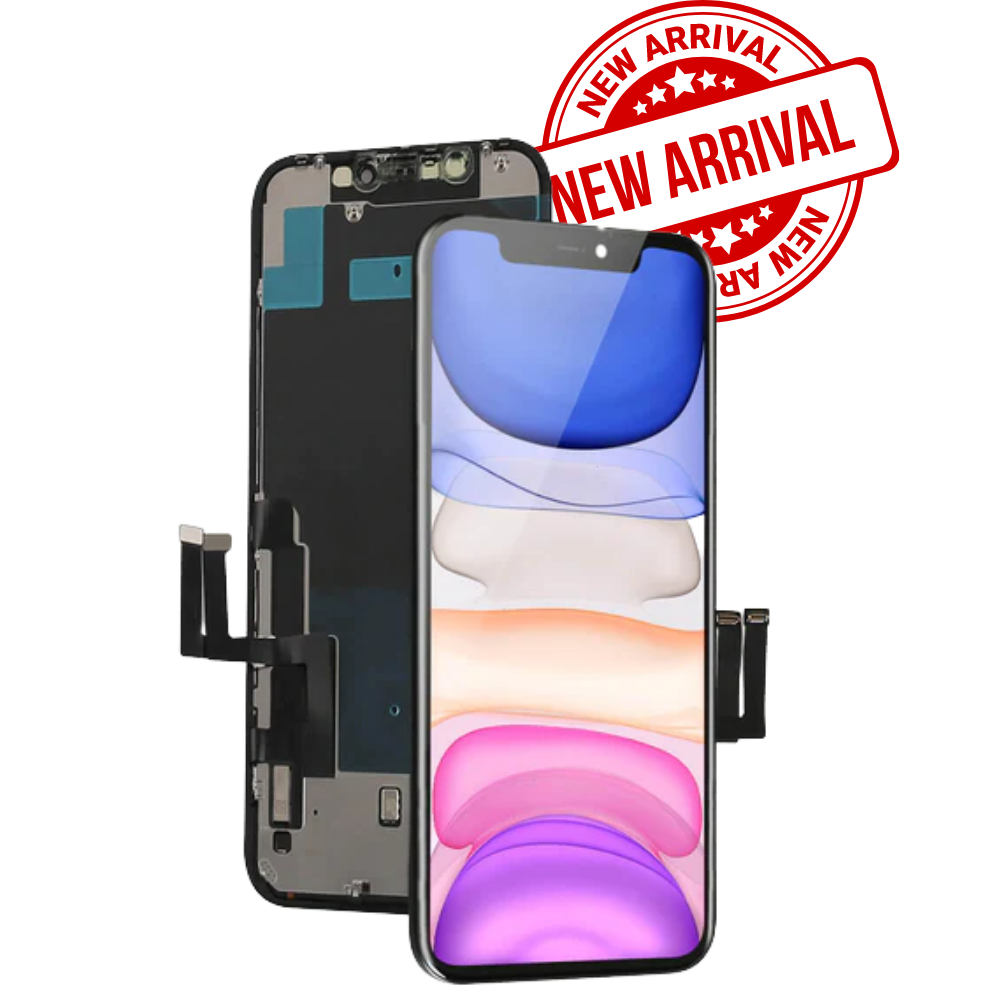
Nuair a labhraíonn daoine faoi “scáileáin bhunaidh,” ar a bhfuil siad ag tagairt OEM (Monaróir Trealaimh Bunaidh) taispeántais. Is iad seo na scáileáin chéanna cruinn a thagann réamhshuiteáilte i bhfóin Xiaomi nó Redmi le linn déantúsaíochta. Déantar iad a tháirgeadh de réir dianchaighdeáin cháilíochta agus tá siad ag luí go hiomlán le crua-earraí agus bogearraí an fheiste.
Cinntíonn scáileáin bhunaidh leibhéil gile cuí, freagra cruinn dteagmháil, agus comhoiriúnacht iomlán le gnéithe cosúil le braiteoirí méarloirg agus rátaí arda athnuachana. I mbeagán focal, soláthraíonn siad an taithí atá beartaithe ag an monaróir.
Difríochtaí idir Scáileáin Bunaidh agus Scáileáin iarmhargadh
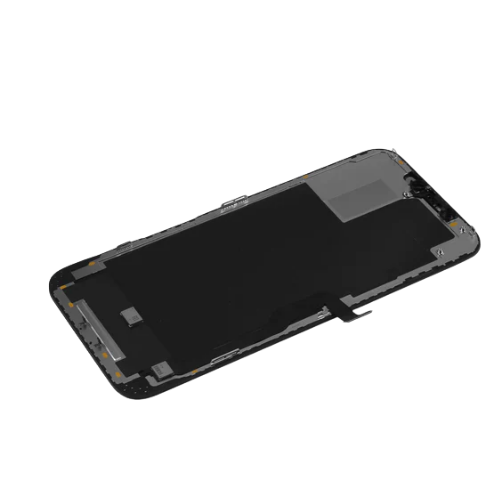
Seo an áit a éiríonn rudaí casta. Nuair a bhriseann scáileán, is minic a gheobhaidh tú roghanna athsholáthair níos saoire agus iad lipéadaithe mar TFT nó “scáileáin cóipe”. Is táirgí iarmhargadh iad seo, agus cé go bhféadfadh siad breathnú cosúil, is féidir leis an difríocht feidhmíochta a bheith suntasach.
De ghnáth bíonn scáileáin TFT iarmhargadh níos saoire mar go n-úsáideann siad teicneolaíocht níos simplí agus costais táirgthe níos ísle. Cén dóigh faoin spéir a ...?, is minic nach mbíonn cruinneas datha acu, comhsheasmhacht gile, agus marthanacht. Ar an láimh eile, is gnách go mbíonn athsholáthar bunaidh OLED níos costasaí ach coinníonn siad bunfheidhmíocht an fhóin.
Is ionann rogha a dhéanamh idir an bhunmhargadh agus an t-iarmhargadh agus roghnú idir na bunpháirteanna gluaisteán agus na hathsholáthairtí cineálacha – d’fhéadfadh go n-oibreoidh an dá cheann, ach tá an taithí an-difriúil.
Scáileáin TFT LCD a thuiscint
Conas a Oibríonn Teicneolaíocht TFT
Seasann TFT do Trasraitheoir scannán tanaí, agus is cineál teicneolaíochta LCD é. I taispeáint TFT, rialaíonn criostail leachtacha cé mhéad solas a théann trí gach picteilín, agus soláthraíonn backlight soilsiú leanúnach taobh thiar den scáileán.
Toisc go bhfuil an backlight ar siúl i gcónaí, tá limistéir dhubh fiú soilsithe beagán. Sin an fáth go mbíonn cuma níos mó ar dhubh ar scáileáin TFT le liath dorcha seachas fíor-dhubh.
Buntáistí Scáileáin TFT
Úsáidtear scáileáin TFT go forleathan i bhfóin chliste buiséid ar chúis - tá siad iontaofa agus cost-éifeachtach. Ceann de na láidreachtaí is mó atá acu ná gile. Feidhmíonn na scáileáin seo go maith lasmuigh, rud a fhágann gur fusa iad a léamh faoi sholas díreach na gréine.
Buntáiste eile is ea marthanacht. Tá taispeántais TFT níos lú seans maith do shaincheisteanna cosúil le sruthán isteach, is féidir a tharlaíonn ar scáileáin OLED le himeacht ama. Coinníonn siad feidhmíocht chomhsheasmhach freisin beag beann ar a bhfuil ar taispeáint, rud a fhágann go bhfuil siad oiriúnach le haghaidh ábhar statach.
Is fachtóir mór eile é costas. Tá painéil TFT i bhfad níos saoire le táirgeadh, ligean do mhonaróirí cosúil le Redmi gléasanna inacmhainne a thairiscint gan inúsáidteacht a íobairt.
Míbhuntáistí a bhaineann le Scáileáin TFT
In ainneoin a gcuid buntáistí, Tá teorainneacha soiléire ag scáileáin TFT. Is é an míbhuntáiste is suntasaí ná codarsnacht níos ísle. Ós rud é go bhfuil an backlight ar siúl i gcónaí, tá sé dodhéanta blacks domhain a bhaint amach, a chuireann isteach ar cháilíocht íomhá iomlán.
Tá uillinneacha féachana níos laige freisin i gcomparáid le OLED. Féadfaidh dathanna athrú nuair a fhéachann tú ar an scáileán ó uillinneacha éagsúla. Ina theannta sin, Ídíonn scáileáin TFT cumhacht seasta toisc nach múchtar an cúlsolas riamh, is féidir tionchar a imirt ar shaol na ceallraí.
Taispeántais OLED a thuiscint
Conas a Oibríonn Teicneolaíocht OLED
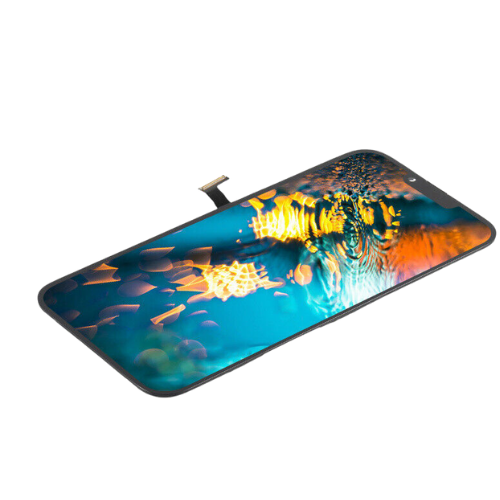
Seasann Oled do Dé-óid astaithe solais orgánaigh, agus léiríonn sé cur chuige go hiomlán difriúil maidir le teicneolaíocht taispeána. In ionad a bheith ag brath ar backlight, astaíonn gach picteilín a solas féin.
Ciallaíonn sé seo nuair a bhíonn picteilín múchta, táirgeann sé dubh fíor. Gan sceitheadh éadrom, aon chomhréiteach. Sin é an fáth go bhfuil “codarsnacht gan teorainn” ag taispeántais OLED agus go bhfuil siad iontach amhairc.
Buntáistí Scáileáin OLED
Taispeántais OLED is eol do a dathanna bríomhara agus blacks domhain. Má bhíonn tú ag breathnú ar fhíseáin nó ag imirt cluichí ar scáileán OLED, mothaítear tumoideachas, beagnach cosúil go bhfuil an íomhá ar snámh os cionn an fheiste.
Buntáiste eile is ea éifeachtúlacht fuinnimh - i gcásanna áirithe ar a laghad. Agus ábhar dorcha á thaispeáint, Ídíonn scáileáin OLED níos lú cumhachta toisc go bhfuil picteilíní dubha múchta go hiomlán.
Tá siad níos tanaí agus níos solúbtha freisin, ag cumasú dearaí fón cliste nua-aimseartha amhail imill chuartha agus taispeántais infhillte.
Míbhuntáistí Scáileáin OLED
Níl scáileáin OLED foirfe. Is ceist mhór amháin í sruthán-i, áit ar féidir le híomhánna statacha marcanna buana a fhágáil ar an scáileán le himeacht ama. Cé nach bhfuil sé seo chomh coitianta i bhfeistí nua-aimseartha, tá sé fós ina riosca.
Tá siad níos costasaí freisin le monarú, rud a mhéadaíonn costas na gcodanna fón agus athsholáthair araon. Ina theannta sin, Uaireanta is féidir le gile OLED luainiú chun róthéamh a chosc nó chun saolré a fhadú.
OLED vs TFT: Difríochtaí Eochair
Cáilíocht Taispeána agus Cruinneas Datha
Bhuaigh OLED go soiléir i dtéarmaí cáilíochta amhairc. Cuireann sé blacks fíor, cóimheasa codarsnachta níos airde, agus dathanna níos beoga. Scáileáin TFT, cé go réasúnta, ní féidir leis doimhneacht agus réalachas na dtaispeántas OLED a mheaitseáil.
Tomhaltas agus Éifeachtúlacht Ceallraí
Braitheann an ceann seo ar úsáid. Tá OLED níos éifeachtaí le téamaí dorcha, agus ídíonn TFT cumhacht comhsheasmhach beag beann ar ábhar.
Difríochtaí Praghas agus Costas
Tá scáileáin TFT i bhfad níos saoire, rud a fhágann go bhfuil siad oiriúnach le haghaidh feistí buiséid. Cosnaíonn scáileáin OLED níos mó ach cuireann siad eispéireas den scoth ar fáil.
Marthanacht agus Reatha
Tá scáileáin TFT níos resistant do dhíghrádú fadtéarmach, agus is féidir le scáileáin OLED fulaingt ó dhó-isteach ró-úsáid leathnaithe.
Tábla Comparáide
| Gné | TFT LCD | Ollainn |
|---|---|---|
| Cúlsolas | Ag teastáil | Ní gá |
| Leibhéal Dubh | Liath dorcha | Fíor dubh |
| Codarsnacht | Íseal | gan teorainn |
| Costas | Íseal | Ard |
| Riosca Dóite Isteach | Dada | Is féidir |
| Úsáid Cumhachta | tairiseach | Athróg |
Straitéis Taispeána Xiaomi vs Redmi
Cén fáth a n-úsáideann Redmi Tuilleadh Taispeántais TFT
Díríonn Redmi ar inacmhainneacht. Trí úsáid a bhaint as scáileáin TFT LCD, Is féidir le Redmi praghsanna a choinneáil íseal agus feidhmíocht mhaith á seachadadh ag an am céanna. Déanann sé seo a gcuid feistí inrochtana do lucht féachana níos leithne.
Cén Fáth a nÚsáideann Príomhlonga Xiaomi OLED
Tá sé mar aidhm ag samhlacha suaitheanta Xiaomi cáilíocht préimhe. Soláthraíonn scáileáin OLED an sármhaitheas amhairc a bhfuiltear ag súil leis ó fhóin chliste ard-deireadh, rud a fhágann gur rogha nádúrtha iad.
Comparáid Feidhmíochta Fíor-Domhanda
Taithí Cearrbhachais
Soláthraíonn scáileáin OLED amhairc níos míne agus amanna freagartha níos tapúla, rud a fhágann go bhfuil siad oiriúnach le haghaidh cearrbhachais. Dathanna pop, agus tá doiléire gluaisne íosta.
Infheictheacht Lasmuigh
Is minic go n-éiríonn níos fearr le scáileáin TFT faoi sholas díreach na gréine mar gheall ar a backlight láidir.
Taithí Úsáide Laethúil
Le haghaidh tascanna laethúla, Feidhmíonn an dá scáileán go maith. Cén dóigh faoin spéir a ...?, nuair a bheidh taithí agat ar OLED, tá sé deacair dul ar ais.
Conas a Roghnaigh an Scáileán Ceart
Bunaithe ar Bhuiséad
Má tá tú ar bhuiséad teann, Tá TFT breá inghlactha. Faigheann sé an jab déanta gan an banc a bhriseadh.
Bunaithe ar Riachtanais Úsáide
Más breá leat féachaint ar fhíseáin, cearrbhachas, nó ag iarraidh an taithí amhairc is fearr, Is fiú an infheistíocht OLED.
Deireadh
Roghnú idir TFT agus OLED i bhfóin Xiaomi agus Redmi ar deireadh thiar a thagann síos do do thosaíochtaí. Más mian leat inacmhainneacht agus iontaofacht, Is rogha soladach é TFT. Más spéis leat amharcléirithe den scoth agus eispéiris thumoideachais, Is é OLED an buaiteoir soiléir. Trí na difríochtaí seo a thuiscint cabhraíonn sé leat cinntí níos cliste a dhéanamh - ní hamháin nuair a bhíonn fón á cheannach agat, ach freisin nuair a athsholáthar scáileán.
Ceisteanna Coitianta
1. An bhfuil OLED níos fearr ná TFT i bhfóin Xiaomi?
Tá, Cuireann OLED codarsnacht níos fearr ar fáil, dathanna, agus cáilíocht amhairc iomlán.
2. Cén fáth a bhfuil fóin Redmi níos saoire?
Is minic a úsáideann siad scáileáin TFT LCD, atá níos saoire le táirgeadh.
3. An féidir liom scáileán OLED a athsholáthar le TFT?
Tá, ach caillfidh tú cáilíocht taispeána agus roinnt gnéithe.
4. An ndéanann OLED ceallraí a dhraenáil níos tapúla?
Ní i gcónaí - braitheann sé ar úsáid agus ábhar scáileáin.
5. Cén scáileán a mhaireann níos faide?
Go ginearálta maireann scáileáin TFT níos faide mar gheall ar aon riosca dóite isteach.