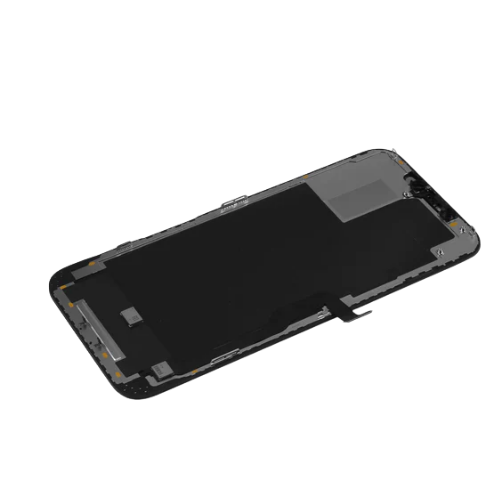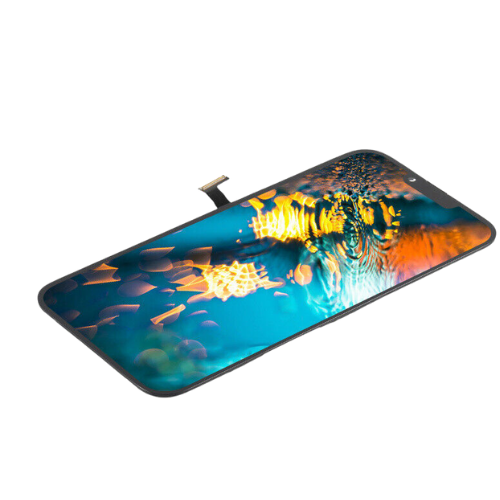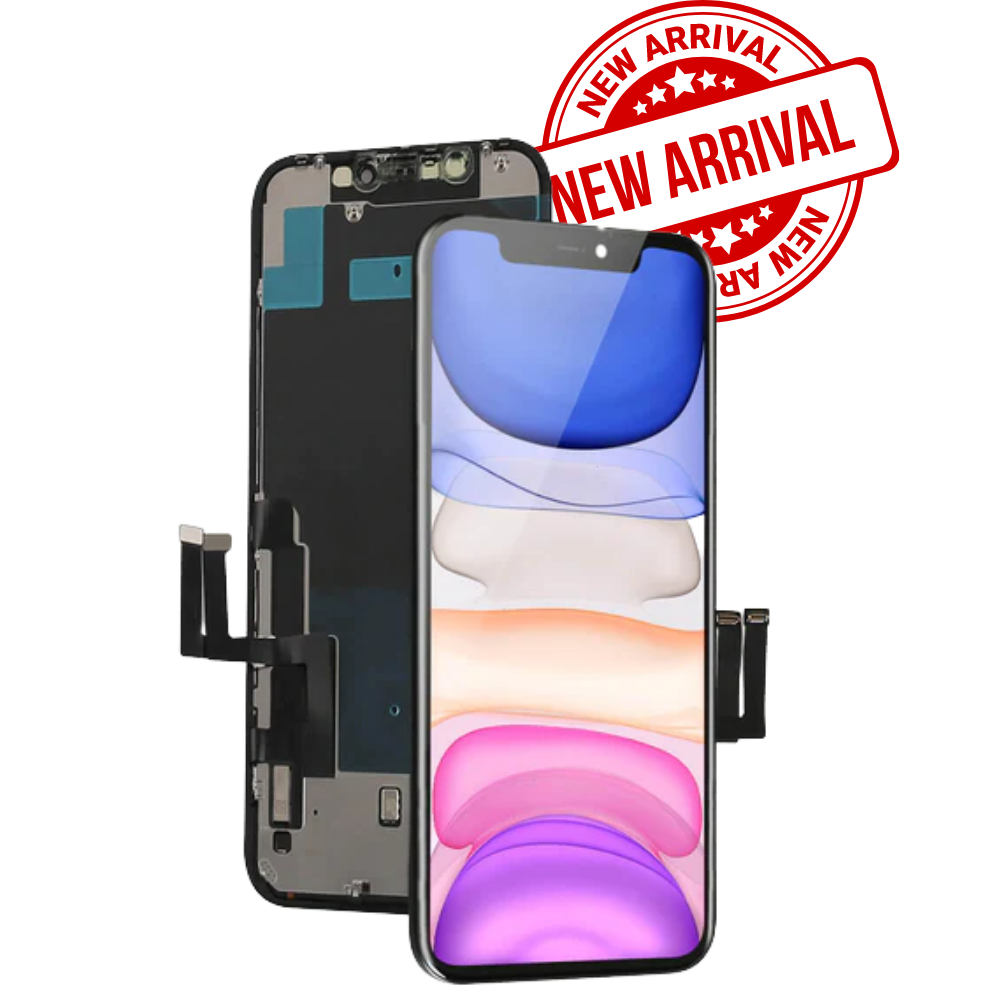
Введение в iPhone ЖК -экран
Когда -либо испытывал разочаровывающий момент, когда экран вашего iPhone перестает отвечать на ваше прикосновение? Да - скорее всего, Touch IC (Интегрированная схема) может быть виновником. Этот крошечный, но необходимый чип действует как мозг, стоящий за функциональностью вашего iPhone от Touch. В этой статье, Мы погрузимся глубоко в мир трансплантации IC IC -экрана iPhone, Как это работает, И почему это важно как для пользователей, так и для специалистов по ремонту.
Что такое Touch IC?
Функция сенсорного IC в iPhone
Touch IC - это небольшой микрочип, ответственный за обнаружение и обработку сенсорных сигналов с экрана вашего iPhone. Когда вы нажимаете, провести время, или ущипнуть, Этот чип переводит эти действия в цифровые инструкции, которым может следовать ваш телефон.. Он подключается непосредственно к дигитизатору с сенсорным экраном, Обеспечение гладкой и точной работы.
Обычные признаки сбоя прикосновения IC
Некоторые очевидные признаки того, что ваш Touch IC может действовать, включают:
- Ответы на экраны
- Случайные призраки
- Задержки в функции прикосновения
- Тотальная отзывчивость в связи с тем, что другие функции работают нормально
Почему имеет значение трансплантацию IC iPhone
Рентабельный ремонт
Вместо замены всей материнской платы или экрана сборки, Трансплантация Touch IC может быть бюджетным решением-сэкономить как время, так и деньги.
Восстановление функциональности устройства
Успешная трансплантация IC может полностью восстановить отзывчивость вашего iPhone от Touch без необходимости полного капитального ремонта, поддержание вашего устройства в идеальном рабочем состоянии.
Понимание структуры экрана iPhone
Слои ЖК-экрана iPhone
Дисплей iPhone — это не просто кусок стекла. Он состоит из нескольких ключевых компонентов:
- Стекло: Верхний защитный слой.
- Сенсорный дигитайзер: Обнаруживает сенсорный ввод.
- ЖК-панель: Отображает изображения.
- Подсветка: Подсвечивает экран для наглядности.
Положение и роль сенсорной микросхемы в дисплее в сборе
Touch IC обычно находится на материнской плате телефона., управление сигналами между дигитайзером и процессором. Его стратегическое расположение делает его уязвимым для физических нагрузок или производственных дефектов., особенно в старых моделях iPhone.
Распространенные проблемы, связанные с iPhone Touch IC
Признаки неисправной сенсорной микросхемы
- Периодический или полный отказ сенсорного экрана
- Вертикальные серые линии на дисплее
- Мерцание экрана или проблемы с призрачным касанием
Затронутые известные модели iPhone
iPhone 6 Ряд
Печально известный “Сенсорная болезнь,” особенно айфон 6 Плюс.
iPhone 7 Ряд
Менее распространено, но проблемы с Touch IC случаются.
iPhone серии X
Даже с технологией OLED, Сообщалось о проблемах, связанных с сенсорным управлением, связанных с неисправностями микросхемы.
Инструменты и оборудование, необходимые для трансплантации сенсорных микросхем
Основные инструменты для ремонта
- Прецизионные отвертки
- Пластиковые инструменты для открывания
- Пинцеты
- Присоска
Специализированное оборудование для удаления микросхем и реболлинга
- Паяльная станция горячим воздухом
- Микроскоп
- Набор для реболлинга BGA
- Паяльная паста и флюс
Средства безопасности и защиты от электростатического разряда
Чтобы предотвратить статическое повреждение, вам понадобится:
- Антистатические ремешки на запястьях.
- антистатические коврики
Пошаговый процесс трансплантации сенсорных микросхем
Диагностика проблемы
Используйте специальные инструменты, такие как мультиметры и тепловизионные камеры, чтобы убедиться, что сенсорная микросхема неисправна..
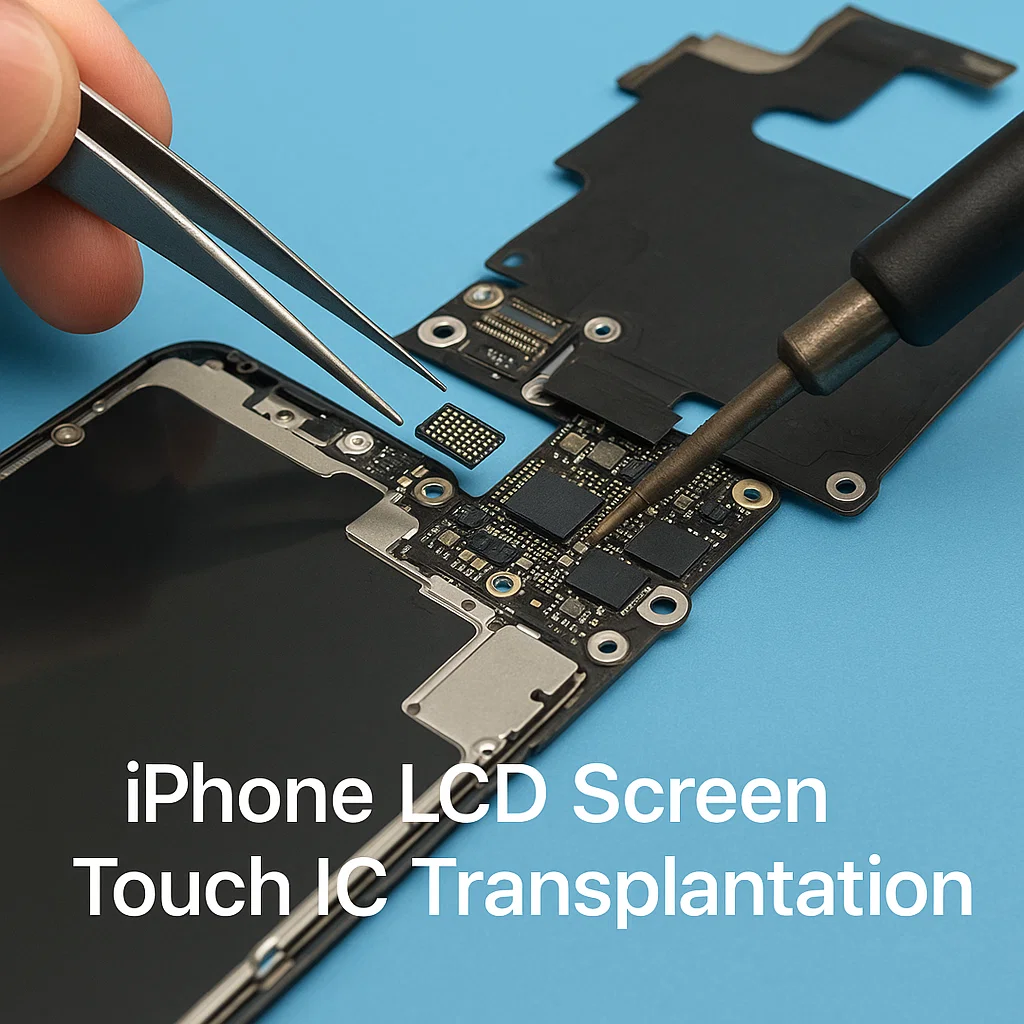
Удаление поврежденной сенсорной микросхемы
Аккуратно отпаяйте неисправный чип с помощью термофена под микроскопом..
Очистка IC Pad
Очистите остатки припоя фитилем и нанесите свежий флюс..
Реболлинг или подготовка новой сенсорной микросхемы
Либо переболтайте старую микросхему, либо подготовьте новую, применив шарики припоя для идеального прилегания..
Установка новой сенсорной микросхемы
Используйте прецизионный пинцет, чтобы расположить микросхему., затем примените контролируемое тепло, чтобы закрепить его.
Окончательное тестирование и проверка качества
После сборки, проверьте функциональность сенсорного экрана и запустите диагностическое программное обеспечение.
Советы и лучшие практики для успешной трансплантации IC
Поддержание правильной температуры
Избегайте перегрева — слишком сильное тепло может деформировать материнскую плату..
Правильное обращение с микрокомпонентами
Используйте точные инструменты и твердую руку, чтобы избежать повреждений..
Важность терпения и точности
Спешка с работой может испортить устройство, не подлежащее ремонту..
Распространенные ошибки, которых следует избегать
Перегрев материнской платы
Чрезмерное нагревание может привести к непоправимому повреждению..
Неправильные методы реболлинга
Неправильно выровненные или отсутствующие шарики припоя могут привести к неудачному ремонту..
Плохая практика пайки
Используйте высококачественный припой и флюс для чистой работы..
Риски и проблемы при трансплантации сенсорных IC
Возможность дальнейшего повреждения
Один промах, и вы можете повредить соседние компоненты..
Потеря данных устройства
Удаление компонентов всегда сопряжено с риском для данных..
Аннулирование гарантии
Несанкционированный ремонт аннулирует официальную гарантию Apple..
Профессиональный и самостоятельный ремонт сенсорных микросхем
Плюсы и минусы ремонта своими руками
Плюс: Экономит деньги, хорошо для обучения.
Минусы: Высокий риск неудачи без правильных инструментов или опыта..
Когда обращаться за профессиональной помощью
Если вы не уверены в том, как обращаться с микропайкой, лучше доверить это сертифицированным ремонтным мастерским.
Рыночный спрос на услуги по ремонту сенсорных микросхем iPhone
Растущие тенденции отрасли
С ростом цен на телефоны, услуги по ремонту сенсорных микросхем и аналогичный ремонт процветают.
Возможности для мастеров по ремонту
Квалифицированные специалисты могут превратить это в прибыльный нишевый бизнес..
Анализ затрат на трансплантацию сенсорных микросхем
Стоимость запасных частей
Сенсорные микросхемы относительно недороги — зачастую дешевле $15.
Затраты на рабочую силу
Профессиональные услуги могут варьироваться от $50 к $150 в зависимости от сложности.
Сравнение с полной заменой экрана
Полноэкранные замены часто превышают 200–300 долларов., сделать ремонт микросхем экономически эффективной альтернативой.
Юридические и этические соображения
Обработка данных клиентов
Всегда создавайте резервные копии и защищайте личные данные перед ремонтом..
Использование оригинальных запчастей по сравнению с запасными частями послепродажного обслуживания
Использование оригинальных запчастей обеспечивает долгосрочную надежность., хотя варианты послепродажного обслуживания зачастую дешевле.
Будущее технологии Touch IC в смартфонах
Достижения в области интегрированных дисплеев
Новые дисплеи интегрируют сенсорные датчики непосредственно в экран., снижение зависимости от отдельных микросхем.
Снижение зависимости от отдельных компонентов ИС
Современные смартфоны могут постепенно отказываться от отдельных сенсорных микросхем, что приводит к меньшему количеству таких ремонтов.
Заключение
В мире, где ремонт смартфонов становится все дороже, Освоение трансплантации сенсорных микросхем iPhone предлагает экономически эффективный и устойчивый вариант. Это требует умения, терпение, и правильные инструменты — но награда как для пользователей, так и для специалистов по ремонту того стоит.. Являетесь ли вы техническим энтузиастом или профессиональным ремонтником, понимание этого процесса может сэкономить как устройства, так и деньги..
Часто задаваемые вопросы
Q1: Можно ли починить неисправную Touch IC без замены?
А: Редко. В большинстве случаев требуется либо реболлинг, либо полная замена..
Q2: Сколько времени занимает трансплантация Touch IC?
А: Обычно 30 к 60 минут с правильными инструментами и опытом.
Q3: Безопасно ли выполнять ремонт Touch IC дома?
А: Только при наличии соответствующего оборудования, обучение, и меры безопасности ESD на месте.
Q4: Повлияет ли замена Touch IC на Face ID или другие функции??
А: Это не должно, при условии, что ремонт является точным и другие компоненты остаются нетронутыми.
Q5: Как узнать, есть ли на моем iPhone проблема с Touch IC?
А: Ищите такие симптомы, как отсутствие реакции на прикосновения., призрачные прикосновения, или серые мерцающие линии на экране.
Пожалуйста, не забудьте оставить отзыв.
Узнайте больше, присоединившись ко мне Патреон