
🧭 Introduction
In today’s booming mobile repair and refurbishment market, distinguishing between an original screen and a reassembled or defective one is a skill that can save you a lot of money—and headaches. Whether you’re sourcing from a local market, testing screens in bulk, or troubleshooting a repair job, mastering the “望闻问切 (Look, Listen, Ask, Feel)” technique gives you an edge.
This guide dives deep into physical, real-world methods of checking smartphone LCD screens. No fancy tools needed—just your eyes, ears, hands, and some industry insight.
🔍 The “Look, Listen, Ask, Feel” Framework Explained
Origins of the Method
Originally derived from traditional Chinese medicine diagnosis, now finds a surprisingly practical application in offline mobile screen inspection.
How It Applies to LCD Screens
- (Look): Visual inspection for hardware signs.
- (Listen): Checking display & touch response behavior.
- (Ask): Inquiring about history and source.
- (Feel): Tactile and pressure-related inspections.
👁 Step 1: Look – Observational Techniques
Examine the Bezel Edge and Frame
- OEM screens have precise mold edges, consistent curvature, and minimal glue overspill.
- Aftermarket frames might show rough trimming, uneven painting, or unusual thickness.
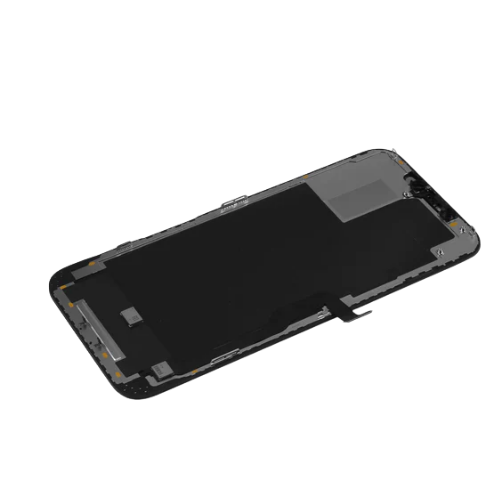
Inspect the Back Adhesive
- Original: Evenly applied black or grey glue; no overflow.
- Repressed: Yellowish, re-applied glue marks; sometimes double-layered.
- Assembled: Mixed glue types or signs of manual patching.
Check the Flex Cable
- Check for:
- Clear, laser-etched serial numbers
- OEM font alignment and spacing
- Gold-plated, clean pins
- Reassembled screens often have soldered joints or bent cable lines.
Flex Cable Serial Number Authentication
Search serial codes online (where possible) or compare with known good samples.
Comparison with Known Originals
Use one original screen as a reference for all inspections—notice color tones, font boldness, and even sticker location.
Front Glass Clarity and Lamination Gap
Tilt the screen against strong light—look for:
- Rainbow effect = low-quality glass or poor lamination.
- Air gap between layers = signs of reassembly or age.
👂 Step 2: Listen – Display and Touch Performance Testing
Test Display Using Solid Colors
Use a screen test app or video to show solid red, green, blue, black, and white:
- Check for color tint, bleeding, or uneven brightness.
Run a Full Grayscale Gradient Test
Test with 0–255 grayscale:
- A good screen shows smooth transitions.
- Reassembled screens often show banding or dithering.
Use Touch Test Apps
Try a multi-touch drawing app or diagnostic tool:
- Draw across the whole screen.
- Check for unresponsive zones, ghost touches, or laggy tracking.
Dead Zones and Ghost Touch Recognition
- Ghost touch: Screen reacts without input.
- Dead zones: No response in certain areas—common in used or repressed panels.
Evaluate Backlight Uniformity
Use a full white screen and check:
- Uneven patches?
- Brighter corners?
- That’s often a sign of worn backlight sheets.
❓ Step 3: Ask – Inquire Smartly
Ask About the Source
Is it:
- Brand new OEM?
- Pulled from a used device?
- Assembled from spare parts?
- A truthful seller will tell you—an evasive one won’t.
Inquire About Refurbishment
Ask:
- Has it been relaminated?
- Any glass changes?
- Glue type used?
Packaging Inspection
Original screens:
- Come in anti-static bags with OEM labels.
- Are sealed with standard foam trays.
Loose or random packaging may indicate refurbished or generic replacements.
🖐 Step 4: Feel – Physical Clues You Shouldn’t Miss
Screen Weight and Flexibility
- OEM = heavier, denser.
- Assembled = may feel hollow or unusually light.
Check Pressure Sensitivity
- Slight press shouldn’t leave marks.
- Press marks = soft or low-grade layers inside.
Thermal Conductivity
Power the screen on for 2–3 minutes:
- Original ones may warm slightly.
- Poor quality ones often stay too cold or too hot.
🧩 OEM vs. Pulled vs. Assembled Screen Comparison
Identifying Disassembly Marks
- Look for pry marks, scratches, or non-uniform sealing.
Re-lamination Clues
- Dust under the glass
- Slight misalignment of layers
- Bubbles or warping under strong light
Original Seal Tape Patterns
Compare edge tapes:
- OEM: clean, factory-cut
- Aftermarket: often hand-cut or misaligned
🧠 Spotting Imperfections Like a Pro
Bright Dots (Stuck Pixels)
- Single-color dots that won’t go away.
- Very hard to fix—instant quality downgrade.
Dark Spots
- Often from aged backlights or burned matrix areas.
Press Marks
- Bruising from overpressure during disassembly.
Colored Lines
- Green, red, or white vertical lines? Likely flex cable or matrix damage.
🎒 Bonus Tips for On-Site Inspection
Essential Tools
- Alcohol wipes
- Mini flashlight
- Test motherboard or universal tester
- Gloves
Lighting Tricks
- Use angled light to detect glass defects or delamination.
Quick Checklist
- Flex label ✅
- Clean edges ✅
- No press marks ✅
- Passes solid color test ✅
- Touch responsive ✅
⚠️ Red Flags in Local Markets
Cheap Pricing Trap
If the price is too low, it’s probably too good to be true.
No Return Policy
A seller not offering warranty or return is a risk.
Vague Answers
If they can’t explain where the screen comes from—run.
✅ Conclusion
In a world filled with screen variants—original, repressed, assembled, refurbished—it’s easy to get duped. But now, armed with the powerful “Look, Listen, Ask, Feel” technique, you’ve got what it takes to make smart, confident decisions during offline sourcing.
Stay observant. Trust your senses. And never stop learning how to tell the real from the fake.
❓FAQs
1. What’s the difference between a repressed screen and an assembled one?
A repressed screen reuses original components like the LCD but replaces parts like glass or backlight. An assembled screen mixes parts from various sources or factories.
2. Can a refurbished screen look identical to an original one?
Yes, visually—but detailed inspection (flex cable, backlight, pressure tests) will reveal the truth.
3. Is it safe to buy used or pulled LCD screens?
It depends on condition. Pulled screens can be reliable if they pass thorough testing.
4. What tools are essential for physical LCD inspection?
A test motherboard, flashlight, cleaning cloths, and screen testing apps are enough for most cases.
5. How do I test a screen without a working phone?
Use a universal LCD tester board—they’re portable and affordable for fieldwork.