Tabhairt isteach
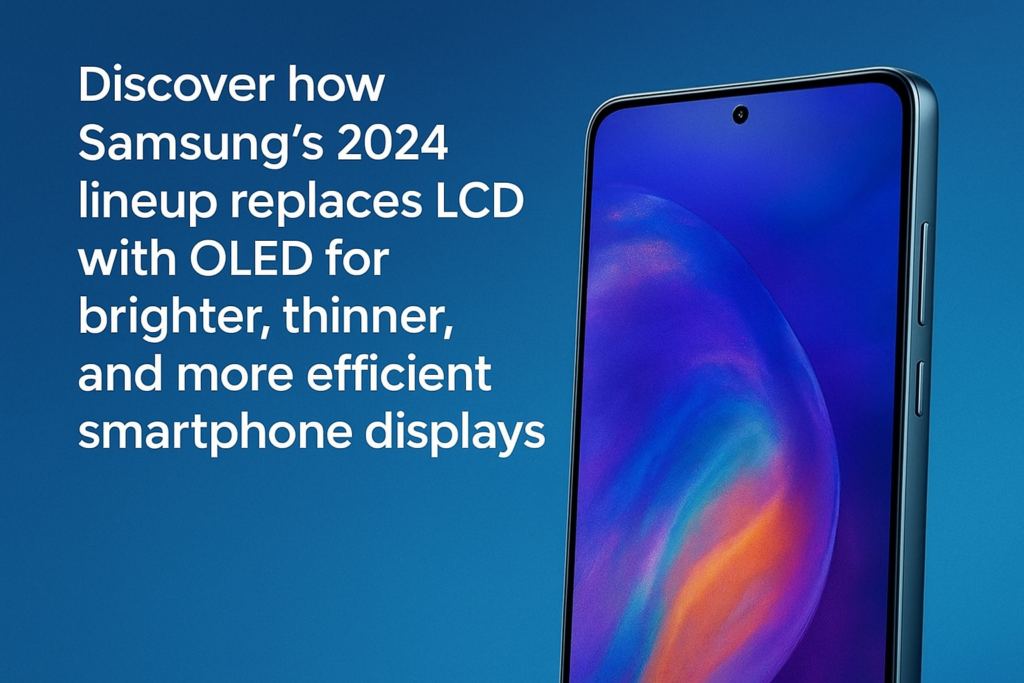
Tá Samsung ina cheannaire le fada sa nuálaíocht taispeána - agus 2024 nóiméad sainiúil é. Tá an fathach teicneolaíochta aistrithe go hiomlán go Scáileáin OLED do bheagnach gach samhail de fhóin chliste atá os cionn na sraithe leibhéal iontrála. LCDs, uair amháin ar an gcaighdeán i lár-raon feistí, ag imeacht go tapa anois. Ón Réaltra S24 Ultra chuig an Réaltra A15 atá cairdiúil don bhuiséad, Léiríonn éabhlóid taispeána Samsung a fhís le haghaidh níos gile, níos tanaí, agus fóin níos tíosaí ar fhuinneamh.
Dá réir sin, cad a spreag an táthcheangal OLED iomlán seo? Léimid go domhain faoin gcaoi a ndearna Samsung athmhúnlú ar a raon fón cliste le teicneolaíocht amhairc iontach.
Teicneolaíocht Taispeána a Thuiscint
Cad é LCD agus Cén Fáth a bhfuil sé Fading Away
LCD, nó Taispeántas criostail leachtach, Bhí uair an rí na scáileáin smartphone. Thairg sé gile réasúnta agus inacmhainneacht. Cén dóigh faoin spéir a ...?, Tá painéil LCD ag brath backlighting, a chuireann srian le codarsnacht agus doimhneacht dubh. Mar thoradh air sin, is féidir le dathanna le feiceáil nite amach, go háirithe i gcomparáid le OLED.
I mbeagán focal, Tá LCD feidhmiúil ach níl sé spreagúil a thuilleadh. Tá tomhaltóirí ag súil le blacks níos doimhne anois, dathanna níos saibhre, agus radhairc níos míne - a sheachadann OLED go léir gan stró.
Cad a Dhéanann OLED Superior
Ollainn (Dé-óid astaithe solais orgánaigh) oibríonn painéil ar bhealach difriúil. Astaíonn gach picteilín a sholas féin, deireadh a chur leis an ngá atá le backlight. An toradh?
- Blacks foirfe
- Cóimheas codarsnachta gan teorainn
- Éifeachtúlacht cumhachta níos fearr
- Painéil níos tanaí agus níos éadroime
Aithnítear scáileáin OLED Samsung ar fud an domhain as a gcuid atáirgeadh dath beoga is fad saoil, rud a fhágann go bhfuil siad oiriúnach do ghléasanna príomhthionscadal agus lár-raoin.
Leaganacha OLED Samsung - Super AMOLED vs. Dinimiciúla AMOLED 2X
Ní hamháin go ndéanann Samsung painéil OLED - foirfeaíonn sé iad.
- Super AMOLED: Úsáidtear é i bhfóin lár-raoin agus leibhéal iontrála mar an A55 nó M55. Tá sé geal, ildaite, agus cumhacht-éifeachtach.
- Dinimiciúla AMOLED 2X: Le fáil i bhfeistí suaitheanta mar an S24 Ultra is Z Fill6. Cuireann sé rátaí athnuachana níos airde ar fáil, Tacaíocht HDR, agus gile oiriúnaitheach suas go dtí 2600 nits.
Samsung 2024 Straitéis Taispeána
An t-athrú ó LCD go OLED Trasna Lineups
I 2024, Chuir Samsung a phlean fadtéarmach i gcrích: athsholáthar na bpainéal LCD go léir os cionn na múnlaí leibhéal iontrála le OLED. Ní fheictear don bhranda LCD a bheith inmharthana d’aon fhón meánach nó préimhe. Fiú samhlacha inacmhainne cosúil leis an Réaltra A15 tá taispeántais OLED le feiceáil anois - gluaiseacht a thugann daonlathú na teicneolaíochta préimhe in iúl.
Conas a Shainmhíníonn Teicneolaíocht Painéil Samsung a Íomhá Préimhe
Ní hamháin gur déantóir fón cliste é Samsung - is é an an soláthróir painéil OLED is mó ar domhan. Tugann sé sin buntáiste iomaíoch dó maidir le rialú costais agus dearbhú cáilíochta. Bhí tionchar ag rathúlacht na cuideachta le OLED ar an tionscal fón cliste ar fad, ag brú ar iomaitheoirí a oireann a leanúint.
2024 Samhlacha Suaitheanta – An tSraith Réaltra S24
Réaltra S24 Ultra – An Tagarmharc Taispeána Deiridh
Tá an Réaltra S24 Ultra tá an taispeáint is fearr riamh ag Samsung: a 6.8-orlach Dinimiciúla AMOLED 2X le ráta athnuachana 120Hz agus taifeach QHD+. Is é an rud a fhágann go seasann sé amach sciath frith-léiritheach is dearadh gloine árasán, feabhas a chur ar inúsáidteacht agus infheictheacht faoi sholas na gréine.
Tá sé cosanta freisin ag Armúr Gloine Corning Gorilla, a thairgeann marthanacht eisceachtúil. Cibé an cearrbhachas nó sruthú, socraíonn an taispeáint seo an caighdeán óir do 2024.
Réaltra S24+ agus S24 – Feidhmíocht agus Foirfeacht a Chothromú
Tá an dá an S24+ is S24 leanúint leis an traidisiún OLED, ag baint úsáide as Painéil AMOLED 2X dinimiciúla. Tairgeann an S24+ taifeach QHD+, agus fanann an S24 ag FHD+, soiléireacht agus gile a chothabháil agus saol na ceallraí á bharrfheabhsú.
Leaganacha Snapdragon agus Exynos
Tairgeann Samsung dhá leagan chipset ar fud an domhain:
- Snapdragon® 8 Ghin 3 don Réaltra (i SAM, Ceanada, An tSín)
- Exynos 2400 (san Eoraip, India, agus margaí eile)
Beag beann ar an sliseanna, tá cáilíocht an taispeántais fós ar an leibhéal uachtarach.
Dearadh Taispeána Maol agus Cumhdach Frith-Frithchaiteach
Don chéad uair, glacann fiú an tsamhail Ultra a taispeáint cothrom, dar críoch blianta d’imill chuartha. In éineacht le a bailchríoch frith-glare nua, tá an dearadh seo praiticiúil agus préimhe.
An tSraith Suaitheanta Infhillte – Réaltra Z Fold6 & Ó Smeach 6
Ealaín na Solúbthachta le Dinimiciúla AMOLED 2X
Rudaí foldable Samsung -Z Fill6 is Ó Smeach 6—úsáid Dinimiciúla AMOLED 2X painéil do phríomhscáileáin agus do scáileáin chlúdaigh araon. Léiríonn nádúr solúbtha na dtaispeántas seo solúbthacht OLED, rud nach bhféadfadh LCD a bhaint amach riamh.
Nuálaíochtaí Taispeáin i nGléasanna Infhillte
An ghné foldables creathanna níos tanaí, gile níos fearr, is tomhaltas fuinnimh optamaithe. Leanann Samsung de bheith i gceannas ar an mír foldable, inoiriúnaitheacht OLED a ghiaráil chun dearaí todhchaíochta a chruthú.
Sármhaitheas Lár-Raon – Réaltra A55 agus A35
Super AMOLED don Mhargadh Aifreann
Tá an A55 is A35 úsáid Super AMOLED taispeántais - níos gile, níos míne, agus i bhfad níos fearr ná LCDs a réamhtheachtaithe. Tugann sé seo cruinneas dath príomhthionscadal agus blacks domhain go pointí praghais inacmhainne.
Gile, Dath, agus Luach ar Chomhardú
Buaileann na feistí seo áit milis idir aeistéitic préimhe agus inacmhainneacht phraiticiúil, ag treisiú ceannas lár-réimse Samsung.
Inacmhainne Ach Casta – Réaltra A15 & Sraith M15
Réabhlóid OLED Leibhéal Iontrála
Fiú an Réaltra A15—samhail buiséid—uasghrádaithe go Super AMOLED, ionad LCD go hiomlán. Ciallaíonn an t-athrú seo go bhfaigheann fiú ceannaitheoirí smartphone den chéad uair eispéireas féachana ardleibhéil.
Cén Fáth a Bhfuil Tábhacht ag an Aistriú Seo do Thomhaltóirí
Ní bhaineann OLED le hamharcanna amháin; baineann sé le compord agus le héifeachtúlacht. Laghdaíonn na scáileáin brú súl agus feabhsaítear saol na ceallraí. Tá ionchas nua á shocrú ag Samsung: Is é OLED an caighdeán anois, ní an só.
Múnlaí Réigiúnacha Speisialta – Réaltra M55 agus F55
Leathnú AMOLED i Margaí atá ag Teacht Chun Cinn
Síneann Samsung uchtú OLED chuig India, Meiriceá Laidineach, agus réigiúin eile i mbéal forbartha leis an M55 is F55 sraith. Úsáideann na samhlacha seo Super AMOLED painéil a sheachadann ardchodarsnacht agus feidhmíocht réidh.
Saol Battery a Chomhardú agus Feidhmíocht Taispeána
Buíochas le héifeachtacht cumhachta AMOLED, sroicheann na samhlacha seo saolré ceallraí fada gan íobartach a dhéanamh ar tharraingteacht amhairc - fachtóir ríthábhachtach i margaí luach-tiomáinte.
Tuar Déanach sa Todhchaí 2024 Múnlaí
Sealúchais LCD féideartha i nGléasanna Ultra-Ísle-Deireadh
Féadfaidh Samsung painéil LCD a choinneáil le haghaidh fóin ultra-bhuiséid mar Réaltra A05s, le haghaidh bainistíochta costais amháin. Cén dóigh faoin spéir a ...?, is féidir fiú an chatagóir seo a aistriú chuig OLED faoi 2025.
Costas vs. Taithí i Margaí Iontrála
Tá an príomh-chomhbhabhtáil fós idir praghas agus cáilíocht amhairc. Ach de réir mar a thagann déantúsaíocht OLED níos saoire, déantar laethanta ceannasacht LCD a uimhriú go hoifigiúil.
Forbhreathnú Comparáideach i bhFoirm Tábla
| Catagóir Sraith | 2024 Samhail Samplaí | Cineál Taispeána | Nótaí |
|---|---|---|---|
| Suaitheanta | Réaltra S24 Ultra, S24+, S24 | Dinimiciúla AMOLED 2X | OLED is fearr sa rang le gile ard agus dath beoga. |
| Suaitheanta Infhillte | Z Fill6, Ó Smeach 6 | Dinimiciúla AMOLED 2X / Super AMOLED | Príomhthaispeántais sholúbtha agus ultra-gheal. |
| Lár-Raon | A55 5G, A35 5G, M55 5G | Super AMOLED | Cothromaíocht sármhaith feidhmíochta agus amhairc. |
| Leibhéal Iontrála | A15 5G, M15 5G | Super AMOLED | Éiríonn OLED príomhshrutha. |
| Ultra-Íseal-Deireadh | (e.g., A05s, ar feitheamh scaoileadh) | LCD féideartha | Ní fhanann LCD ach le haghaidh sraitheanna foircneacha buiséid. |
An Pictiúr Níos Mó - Cén Fáth a Bhfuil OLED sa Todhchaí
Timpeallacht agus Éifeachtúlacht Fuinnimh
Ídíonn scáileáin OLED níos lú cumhachta toisc nach bhfuil ach picteilíní neamhghníomhacha múchta. Sin iontach don bheirt saol ceallraí is inbhuanaitheacht fuinnimh.
Ionchais Tomhaltóirí agus Dearcadh Branda
Trí úsáid a bhaint as OLED fiú i bhfeistí leibhéal iontrála, Neartaíonn Samsung a íomhá préimhe. Tá custaiméirí ag súil le radharcanna saibhir ó gach fón Réaltra anois, beag beann ar phraghas.
Conclúid - Deireadh an LCD do Samsung
I 2024, Chuir Samsung isteach a chuid go hoifigiúil Ré “Uile-OLED”.. Ó shuaitheantais go samhlacha leibhéal iontrála, Sainmhíníonn OLED anois an taithí Réaltra. Tá painéil LCD céimnithe go tapa, le fáil ach amháin sna codanna is saoire.
Ní hamháin gur uasghrádú teicniúil é aistriú Samsung - ach caighdeán nua don tionscal fón cliste ar fad.
Ceisteanna Coitianta
1. Cén fáth ar stop Samsung ag baint úsáide as scáileáin LCD i bhformhór na nguthán?
Soláthraíonn OLED codarsnacht níos fearr, éifeachtúlacht fuinnimh, agus solúbthacht dearaidh.
2. An úsáideann gach fón Samsung OLED anois?
Beagnach gach rud - ní fhéadfaidh ach roinnt samhlacha ultra-íseal LCD a úsáid fós.
3. Cad é an difríocht idir Super AMOLED agus Dinimiciúla AMOLED 2X?
Dinimiciúla AMOLED 2X Cuireann gile níos airde, Tacaíocht HDR, agus rátaí athnuachana níos míne.
4. An bhfuil scáileáin OLED níos leochailí?
Ní gá. Le Armúr Gloine Gorilla agus bratuithe chun cinn, Tá OLEDanna Samsung níos marthanaí ná riamh.
5. An úsáidfidh fóin Samsung amach anseo OLED amháin?
Tá. Le 2025, Táthar ag súil go gcuirfidh Samsung deireadh le LCD go hiomlán thar gach samhail Réaltra.