Introduzione
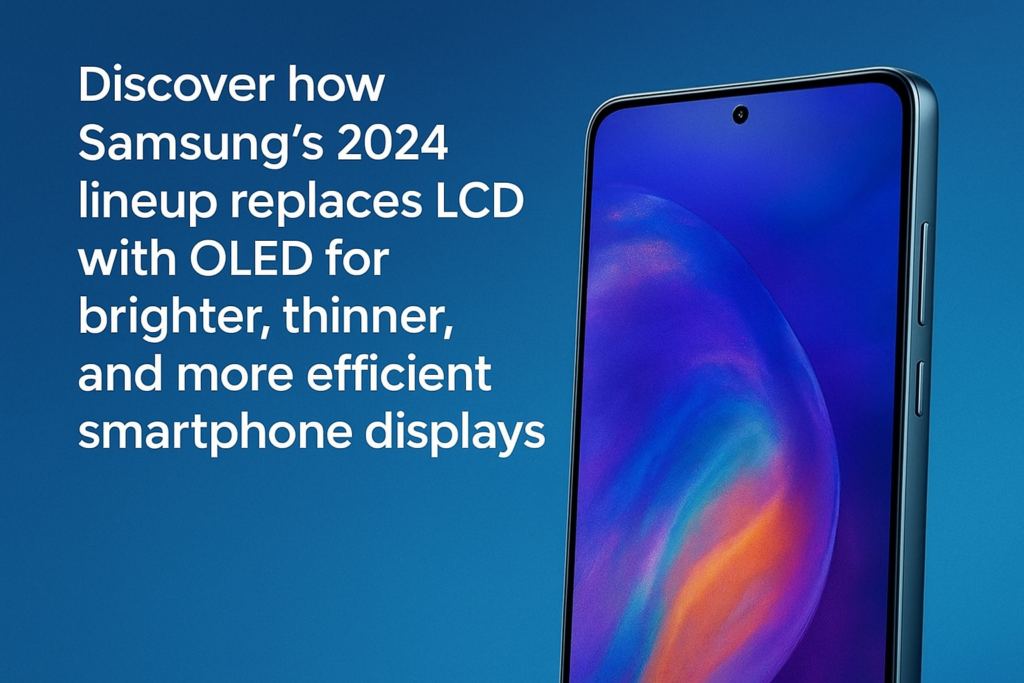
Samsung è da tempo leader nell'innovazione dei display e... 2024 segna un momento decisivo. Il gigante della tecnologia è completamente passato a Schermi OLED per quasi tutti i modelli di smartphone al di sopra del livello entry-level. LCD, una volta lo standard nei dispositivi di fascia media, ora stanno scomparendo velocemente. Dal Galaxy S24Ultra al Galaxy A15 economico, L’evoluzione dei display di Samsung mostra la sua visione di display più luminosi, più sottile, e telefoni più efficienti dal punto di vista energetico.
COSÌ, cosa ha guidato questa completa acquisizione dell’OLED? Immergiamoci in profondità nel modo in cui Samsung ha rimodellato la sua linea di smartphone con una straordinaria tecnologia visiva.
Comprendere la tecnologia di visualizzazione
Che cos'è il display LCD e perché sta svanendo
schermo LCD, O Display a cristalli liquidi, una volta era il re degli schermi degli smartphone. Offriva luminosità e convenienza decenti. Tuttavia, I pannelli LCD si affidano retroilluminazione, che limita il contrasto e la profondità del nero. Di conseguenza, i colori possono apparire sbiaditi, soprattutto se paragonato all'OLED.
Insomma, Il display LCD è funzionale ma non più entusiasmante. I consumatori ora si aspettano neri più profondi, colori più ricchi, e immagini più fluide: tutto ciò che OLED offre senza sforzo.
Ciò che rende OLED superiore
OLED (DIODO EMITTANO DI LUCE ORGANICA) i pannelli funzionano diversamente. Ogni pixel emette la propria luce, eliminando la necessità di una retroilluminazione. Il risultato?
- Neri perfetti
- Rapporto di contrasto infinito
- Migliore efficienza energetica
- Pannelli più sottili e leggeri
Gli schermi OLED di Samsung sono riconosciuti a livello mondiale per la loro riproduzione dei colori vividi E longevità, rendendoli ideali sia per i dispositivi di punta che per quelli di fascia media.
Varianti OLED di Samsung: Super AMOLED vs. AMOLED dinamico 2X
Samsung non si limita a realizzare pannelli OLED, li perfeziona.
- SuperAMOLED: Utilizzato nei telefoni di fascia media e entry-level come il A55 O M55. È luminoso, colorato, ed efficiente dal punto di vista energetico.
- AMOLED dinamico 2X: Trovato in dispositivi di punta come S24Ultra E Piega a Z6. Offre frequenze di aggiornamento più elevate, Supporto HDR, e luminosità adattiva fino a 2600 lendini.
Quello di Samsung 2024 Strategia di visualizzazione
Il passaggio dall'LCD all'OLED nelle diverse lineup
In 2024, Samsung ha eseguito il suo piano a lungo termine: sostituire tutti i pannelli LCD sopra i modelli entry-level con OLED. Il marchio non ritiene più che il display LCD sia praticabile per qualsiasi telefono di fascia media o premium. Anche modelli convenienti come il Galassia A15 ora dispongono di display OLED, una mossa che segnala la democratizzazione della tecnologia premium.
Come la tecnologia dei pannelli Samsung definisce la sua immagine premium
Samsung non è solo un produttore di smartphone, è anche il il più grande fornitore di pannelli OLED al mondo. Ciò le conferisce un vantaggio competitivo nel controllo dei costi e nella garanzia della qualità. Il successo dell’azienda con OLED ha influenzato l’intero settore degli smartphone, spingendo i concorrenti a seguirne l’esempio.
2024 Modelli di punta: la serie Galaxy S24
Galaxy S24 Ultra: il benchmark di visualizzazione definitivo
IL Galaxy S24Ultra presenta il miglior display Samsung di sempre: UN 6.8-pollici AMOLED dinamico 2X con frequenza di aggiornamento di 120 Hz e risoluzione QHD+. Ciò che lo distingue è il rivestimento antiriflesso E design in vetro piatto, migliorare l'usabilità e la visibilità alla luce del sole.
È anche protetto da Armatura in vetro Gorilla Corning, che offre una durata eccezionale. Che si tratti di giochi o streaming, questo display definisce il gold standard per 2024.
Galaxy S24+ e S24: bilanciare prestazioni e perfezione
Entrambi i S24+ E S24 continuare la tradizione OLED, utilizzando Pannelli AMOLED 2X dinamici. L'S24+ offre la risoluzione QHD+, mentre l'S24 rimane su FHD+, mantenendo la chiarezza e la luminosità ottimizzando la durata della batteria.
Varianti Snapdragon ed Exynos
Samsung offre due versioni di chipset a livello globale:
- Snapdragon® 8 Gen 3 per Galassia (negli Stati Uniti, Canada, Cina)
- Exynos 2400 (in Europa, India, e altri mercati)
Indipendentemente dal chip, la qualità del display rimane costantemente di alto livello.
Design del display piatto e rivestimento antiriflesso
Per la prima volta, anche il modello Ultra adotta a visualizzazione piatta, finendo anni di bordi curvi. Combinato con a nuova finitura antiriflesso, questo design è pratico e premium.
La serie di punta pieghevole: Galaxy Z Fold6 & Da Flip6
L'arte della flessibilità con Dynamic AMOLED 2X
I pieghevoli di Samsung—Piega a Z6 E Da Flip6-utilizzo AMOLED dinamico 2X pannelli sia per lo schermo principale che per quello di copertura. La natura flessibile di questi display evidenzia la versatilità dell’OLED, qualcosa che il display LCD non potrebbe mai realizzare.
Mostra le innovazioni nei dispositivi pieghevoli
La funzione pieghevole pieghe più sottili, migliore luminosità, E consumo energetico ottimizzato. Samsung continua a guidare il segmento pieghevole, sfruttando l’adattabilità degli OLED per creare design futuristici.
Eccellenza nella fascia media: Galaxy A55 e A35
Super AMOLED per il mercato di massa
IL A55 E A35 utilizzo SuperAMOLED display: più luminoso, più liscio, e di gran lunga superiori agli LCD dei loro predecessori. Ciò porta la precisione del colore e i neri profondi a livelli di punta a prezzi convenienti.
Luminosità, Colore, e valore in equilibrio
Questi dispositivi raggiungono un punto debole tra estetica premium e convenienza pratica, rafforzando il dominio di Samsung nella fascia media.
Conveniente ma avanzato: Galaxy A15 & Serie M15
Rivoluzione OLED entry-level
Anche il Galassia A15—un modello di budget—è stato aggiornato a SuperAMOLED, sostituendo completamente il display LCD. Questo cambiamento significa che anche chi acquista uno smartphone per la prima volta potrà vivere un’esperienza visiva di fascia alta.
Perché questo cambiamento è importante per i consumatori
OLED non riguarda solo la grafica; si tratta di comfort ed efficienza. Gli schermi riducono l'affaticamento degli occhi e migliorano la durata della batteria. Samsung sta creando una nuova aspettativa: OLED è ormai lo standard, non il lusso.
Modelli regionali speciali: Galaxy M55 e F55
Espansione AMOLED nei mercati emergenti
Samsung estende l'adozione degli OLED a India, America Latina, e altre regioni in via di sviluppo con il M55 E F55 serie. Questi modelli utilizzano SuperAMOLED pannelli che offrono contrasto elevato e prestazioni fluide.
Bilanciamento della durata della batteria e delle prestazioni del display
Grazie all’efficienza energetica di AMOLED, questi modelli raggiungono una lunga durata della batteria senza sacrificare l'aspetto estetico, un fattore critico nei mercati orientati al valore.
Previsioni future per la fine 2024 Modelli
Possibili resistenze LCD nei dispositivi di fascia ultrabassa
Samsung potrebbe mantenere i pannelli LCD per telefoni ultra-economici come Galaxy A05, puramente per la gestione dei costi. Tuttavia, anche questa categoria potrebbe spostarsi verso gli OLED 2025.
Costo vs. Esperienza nei mercati entry-level
Il principale compromesso rimane tra prezzo e qualità visiva. Ma man mano che la produzione di OLED diventa più economica, i giorni del dominio LCD sono ufficialmente contati.
Panoramica comparativa in forma di tabella
| Categoria serie | 2024 Esempi di modelli | Tipo di visualizzazione | Osservazioni |
|---|---|---|---|
| Ammiraglia | Galaxy S24Ultra, S24+, S24 | AMOLED dinamico 2X | OLED migliore della categoria con elevata luminosità e colori vivaci. |
| Ammiraglia pieghevole | Piega a Z6, Da Flip6 | AMOLED dinamico 2X / SuperAMOLED | Display principali flessibili e ultraluminosi. |
| Di fascia media | A555G, A355G, M555G | SuperAMOLED | Eccellente equilibrio tra prestazioni e immagini. |
| Livello base | A155G, M155G | SuperAMOLED | L'OLED diventa mainstream. |
| Fascia ultrabassa | (per esempio., A05, in attesa del rilascio) | Possibile display LCD | Il display LCD rimane solo per livelli di budget estremi. |
Il quadro più ampio: perché OLED è il futuro
Efficienza ambientale ed energetica
Gli schermi OLED consumano meno energia perché i pixel inattivi si spengono semplicemente. È fantastico per entrambi durata della batteria E sostenibilità energetica.
Aspettative dei consumatori e percezione del marchio
Utilizzando OLED anche nei dispositivi entry-level, Samsung rafforza la sua immagine premium. I clienti ora si aspettano immagini ricche da ogni telefono Galaxy, indipendentemente dal prezzo.
Conclusione: la fine degli LCD per Samsung
In 2024, Samsung è entrata ufficialmente nel suo Era “tutto OLED”.. Dalle ammiraglie ai modelli entry-level, OLED ora definisce l'esperienza Galaxy. I pannelli LCD stanno svanendo velocemente, si trova solo nei segmenti più economici.
La transizione di Samsung segna non solo un aggiornamento tecnico, ma un nuovo standard per l’intero settore degli smartphone.
FAQ
1. Perché Samsung ha smesso di utilizzare gli schermi LCD nella maggior parte dei telefoni??
L'OLED offre un contrasto migliore, efficienza energetica, e flessibilità progettuale.
2. Tutti i telefoni Samsung ora utilizzano OLED?
Quasi tutti: solo alcuni modelli di fascia ultra-bassa potrebbero ancora utilizzare il display LCD.
3. Qual è la differenza tra Super AMOLED e Dynamic AMOLED 2X?
Dynamic AMOLED 2X offre una luminosità maggiore, Supporto HDR, e frequenze di aggiornamento più fluide.
4. Gli schermi OLED sono più fragili?
Non necessariamente. Con Gorilla Glass Armor e rivestimenti avanzati, Gli OLED Samsung sono più durevoli che mai.
5. I futuri telefoni Samsung utilizzeranno solo OLED??
SÌ. Di 2025, Si prevede che Samsung eliminerà completamente gli LCD su tutti i modelli Galaxy.