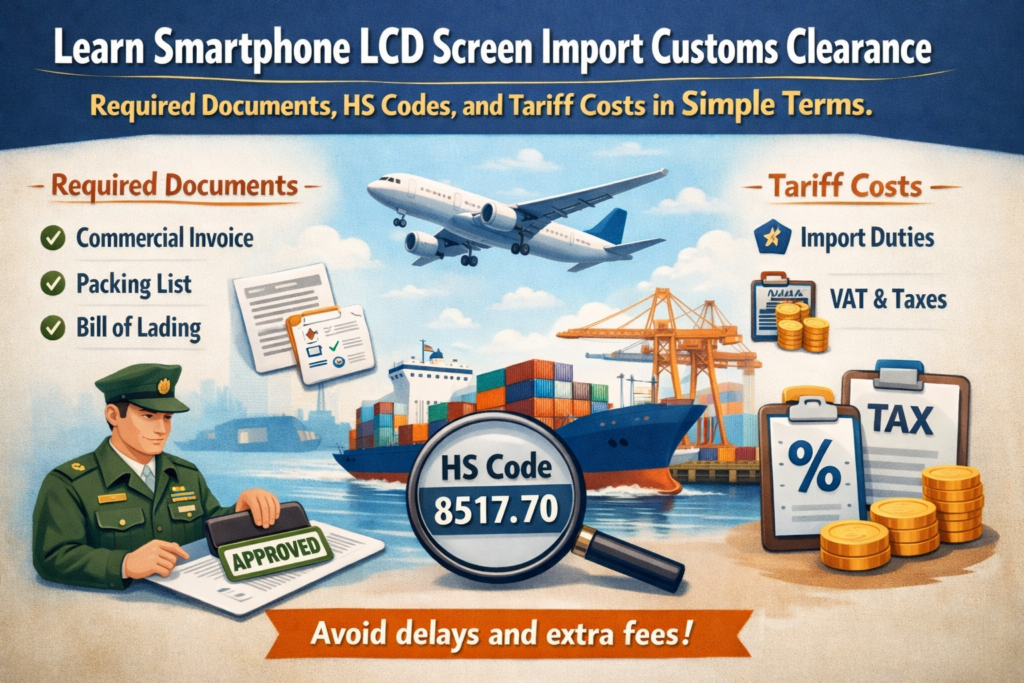
Réamhrá ar Allmhairí Scáileáin Smartphone LCD
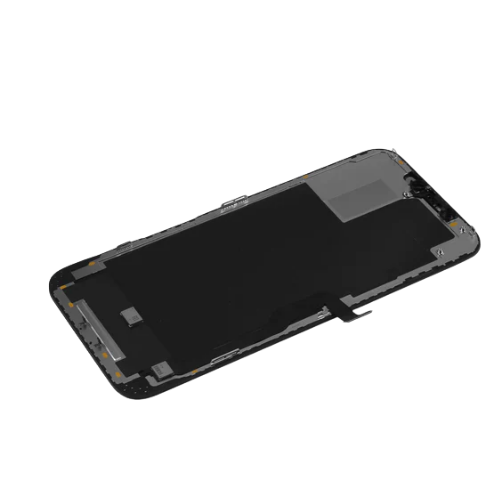
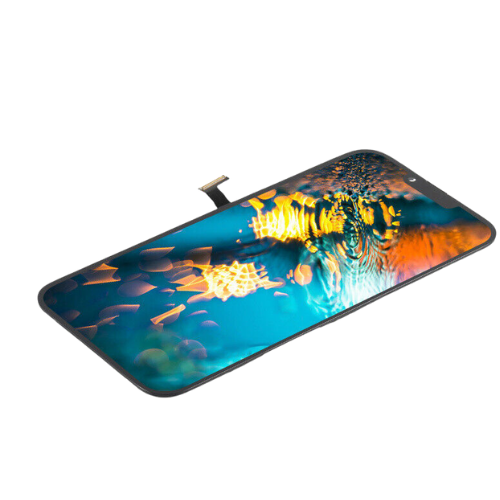
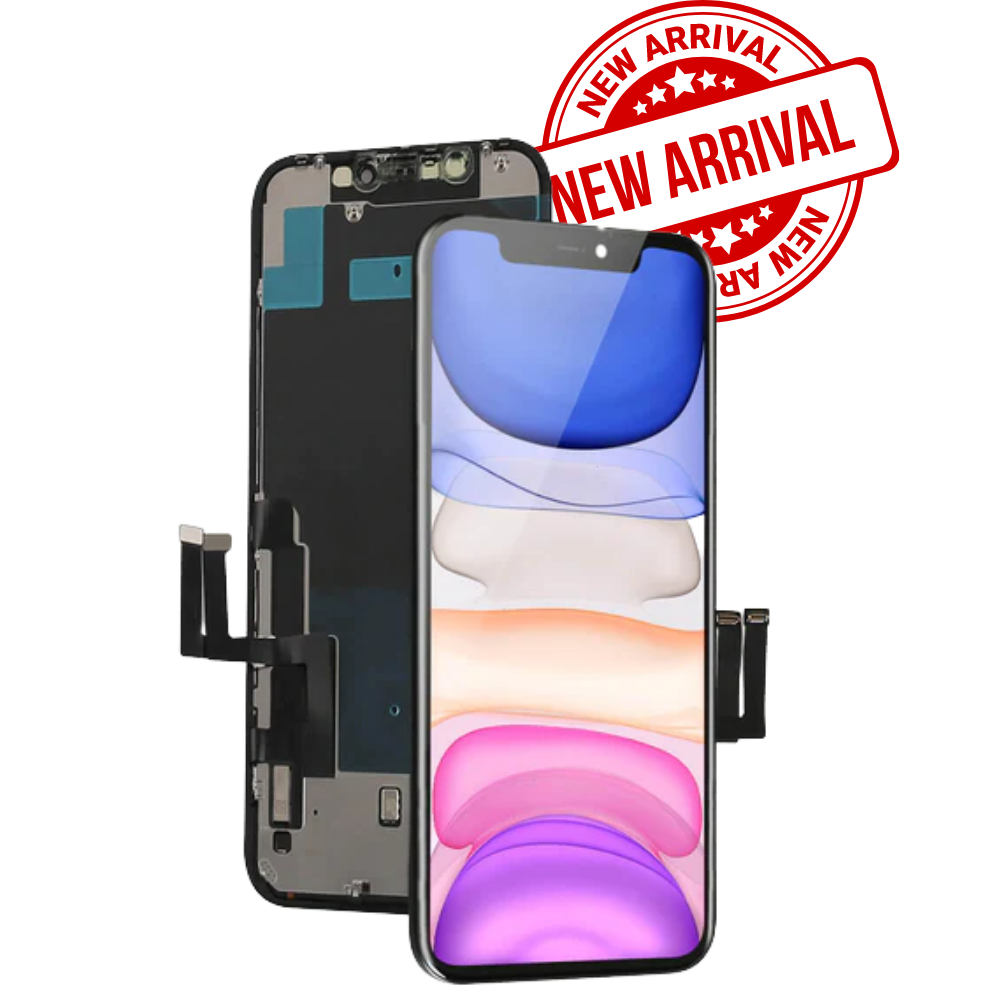
Is iad scáileáin LCD fón cliste croí buailte gléasanna soghluaiste nua-aimseartha. Crack amháin, agus tá an fón beagnach dall. Sin an fáth go bhfuil an t-éileamh domhanda ar scáileáin LCD athsholáthair agus bunaidh smartphone ag fás bliain i ndiaidh bliana. Ó shiopaí deisiúcháin go dáileoirí móra, Is oibríocht ghnó laethúil é allmhairiú scáileáin LCD fón póca seachas trádáil nideoige.
Ach seo an ghabháil: Ní bhaineann iompórtáil scáileáin LCD do ghutháin chliste amháin soláthraí a aimsiú agus na hearraí a sheoladh. Nósanna imeachta imréitigh custaim, ceanglais doiciméadúcháin, taraifí, agus féadfaidh polasaithe cánach do chorrlach brabúis a dhéanamh nó a bhriseadh. Smaoinigh ar imréiteach custaim mar shlándáil aerfoirt le haghaidh earraí - caill doiciméad amháin, agus cuirtear moill ar gach rud.
Déanaimis é a bhriseadh síos i mBéarla simplí.
Imréiteach Custaim Iompórtála a Thuiscint do Scáileáin LCD Smartphone
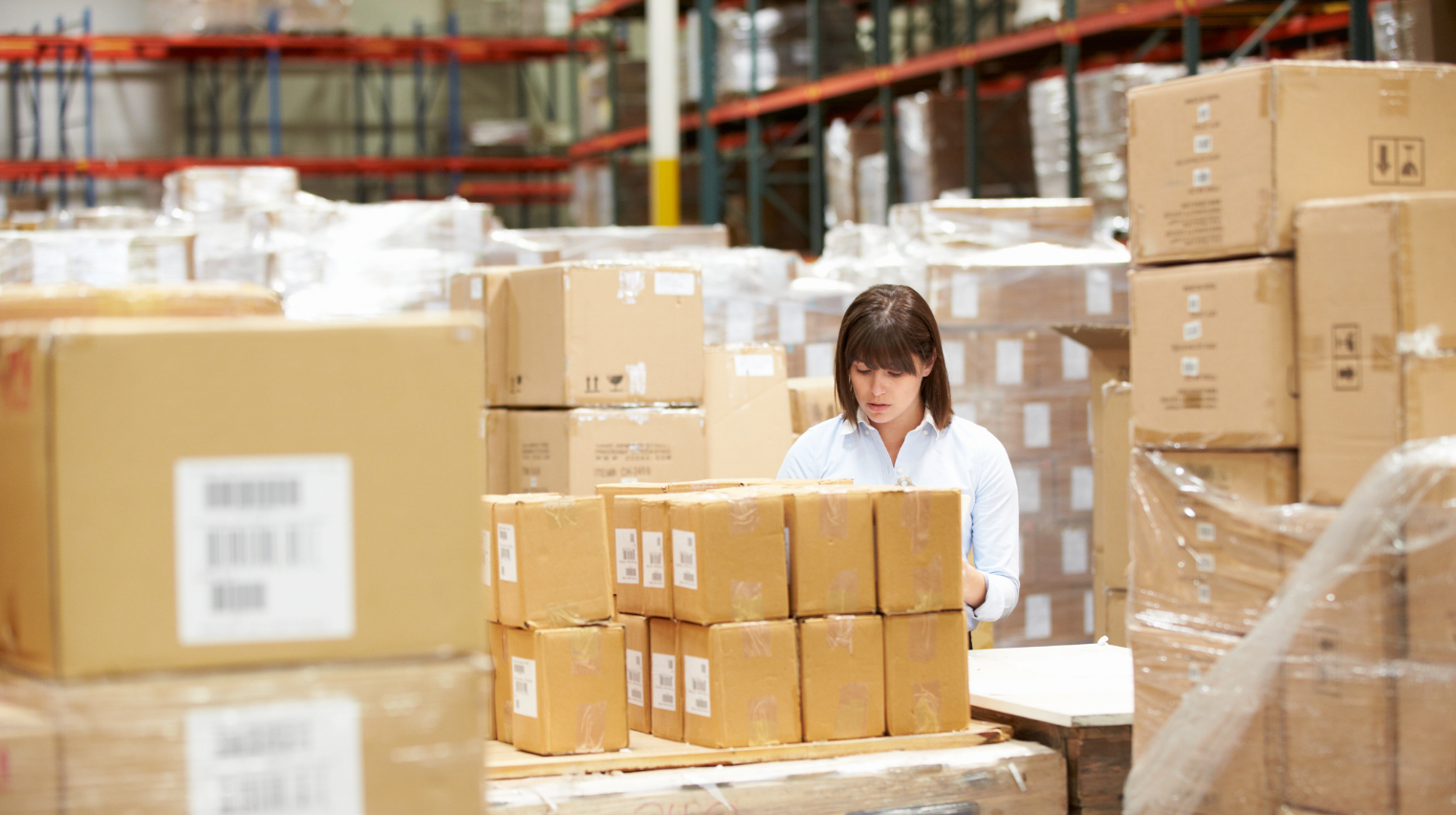
Is éard atá in imréiteach custaim an próiseas dlíthiúil chun earraí a dhearbhú d’údaráis chustaim nuair a théann siad isteach i dtír. Le haghaidh scáileáin LCD smartphone, tá an próiseas seo tábhachtach go háirithe toisc go dtagann na táirgí seo faoi chomhpháirteanna leictreonacha, is minic a bhíonn siad faoi réir dianrialacha iniúchta agus luachála.
Díríonn údaráis chustaim ar:
- Aicmiú táirgí
- Luach dearbhaithe
- Tír tionscnaimh
- Úsáid tráchtála atá beartaithe
Faigh aon cheann díobh seo mícheart, agus seans go mbeidh moill ort, pionóis, nó fiú urghabháil loingsiú.
Aicmiú Cód HS le haghaidh Scáileáin LCD Smartphone
An HS (Córas Comhchuibhithe) is é an cód cnámh droma an imréitigh custaim. Cinneann sé cé mhéad dleachta a íocann tú agus cad iad na rialacháin a bhaineann.
De ghnáth déantar scáileáin LCD fón cliste a aicmiú faoi chóid HS a bhaineann le:
- Modúil taispeána criostail leachtacha
- Páirteanna agus gabhálais fóin phóca
Níl sé roghnach an cód HS ceart a roghnú - tá sé éigeantach. Féadann dleachtanna níos airde nó iniúchtaí custaim a bheith mar thoradh ar chód mícheart. Ailínigh an cód HS i gcónaí le feidhm an táirge iarbhír, ní hamháin an rud a mholann an soláthraí.
Doiciméid Iompórtála Riachtanacha le haghaidh Scáileáin LCD Smartphone
Seans go mbraitheann páipéarachas leadránach, ach in imréiteach custaim, Tá doiciméid rí.
Sonrasc Tráchtála
Léiríonn an doiciméad seo luach an idirbhirt. Caithfidh sé a bheith san áireamh:
- Sonraí an cheannaitheora agus an díoltóra
- Cur síos ar an táirge (e.g., modúl taispeáint LCD smartphone)
- Praghas aonaid agus luach iomlán
- Airgeadra agus téarmaí íocaíochta
Tá cruinneas anseo ríthábhachtach mar úsáideann lucht custaim é seo chun dleachtanna agus cánacha a ríomh.
Liosta Pacála
Sonraíonn an liosta pacála conas a phacáiltear na hearraí:
- Líon cartán
- Meáchan comhlán agus glan
- Cainníocht in aghaidh an phacáiste
Úsáideann lucht custaim é seo le linn iniúchtaí chun earraí fisiceacha a fhíorú i gcoinne sonraí dearbhaithe.
Conradh Díolacháin
The contract proves that the trade is legitimate. It usually includes:
- Sonraíochtaí táirge
- Delivery terms (Incoterms)
- Payment conditions
While not always inspected line by line, customs may request it during audits.
Deimhniú Tionscnaimh
This document shows where the LCD screens were manufactured. It plays a key role in:
- Determining applicable tariff rates
- Applying free trade agreement benefits
Certificates of origin can be:
- Non-preferential
- Preferential (used for tariff reductions)
Bill of Lading or Air Waybill
This is the transport document issued by the carrier. It confirms shipment details and ownership of the goods.
Import Declaration Form
This is submitted electronically or manually to customs, summarizing all shipment information.
Special Compliance Requirements for LCD Screen Imports
Customs often requires detailed product descriptions for LCD screens, lena n-áirítear:
- Cineál scáileáin (LCD, Tft, IPS)
- Méid agus réiteach
- Cibé an bhfuil sé le chéile nó leathchríochnaithe
D’fhéadfadh go mbeadh údarú branda nó dearbhuithe trádmharcanna de dhíth ar scáileáin brandáilte i roinnt tíortha.
Taraifí Iompórtála do Scáileáin LCD Smartphone
Is éard atá i ndleachtanna allmhairithe de ghnáth:
- Bundleacht ar allmhairí
- Cáin bhreisluacha (CBL)
Athraíonn an bunráta dleachta de réir tíre agus cód HS, go minic ag réimsiú ó 0% chuig 10%. Go hiondúil ríomhtar CBL ar luach CIF (Costas + Árachas + Lastais).
Foirmle luach inchánach:
luach CIF + dleacht ar allmhairí = bonn CBL
Cuidíonn an fhoirmle seo a thuiscint leat costais thuirlingthe a thuar go cruinn.
Conas Rátaí Taraife Iompórtála a Sheiceáil
Is féidir leat rátaí taraife a sheiceáil tríd:
- Bunachar sonraí taraife custaim oifigiúla
- Láithreáin ghréasáin náisiúnta custaim
- Bróicéirí custaim ceadúnaithe
Le haghaidh tip: Déan seiceáil faoi dhó ar na rátaí taraife roimh an loingsiú. Athraíonn polasaithe, agus seans nach mbeidh ráta an lae inné i bhfeidhm inniu.
Iompórtáil Beartais Aisíocaíochta Cánach agus Aisíoca
Má dhéantar scáileáin LCD d’fhón cliste iompórtáilte a easpórtáil arís níos déanaí – go minic i moil deisiúcháin agus dáileacháin – d’fhéadfá a bheith incháilithe le haghaidh aisíocaíochtaí cánach.
Iompórtáil Aisíocaíocht Cánach
Ceadaíonn roinnt tíortha CBL allmhairithe a aisíoc má dhéantar earraí a athonnmhairiú laistigh de thréimhse shonraithe.
Easpórtáil Aisíocaíocht CBL
I gcásanna déantúsaíochta nó ath-onnmhairithe, féadfaidh lacáistí CBL onnmhairithe a bheith i bhfeidhm. Is minic a thaitníonn rátaí measartha lacáiste le táirgí a bhaineann le LCD, ag brath ar aicmiú.
Deimhnigh incháilitheacht lacáiste i gcónaí sula ndéantar allmhairí mórmhéide a phleanáil.
Straitéisí Optamaithe Costais d'Allmhaireoirí
Ní hamháin go ndéanann allmhaireoirí cliste custaim a ghlanadh - déanann siad é a bharrfheabhsú.
- Roghnaigh Incoterms fabhracha cosúil le FOB nó CIF go ciallmhar
- Bain úsáid as comhaontuithe saorthrádála nuair is infheidhme
- Lastais a chomhdhlúthú chun costais lóistíochta in aghaidh an aonaid a laghdú
Smaoinigh ar straitéis chustaim mar chluiche fichille, ní rolla dísle.
Rioscaí Coiteann Imréitigh Custaim agus Conas iad a Sheachaint
Áirítear le gaistí tipiciúla:
- Luachanna neamhréireacha sonraisc
- Cur síos ar tháirgí doiléir
- Cóid HS mícheart
An réiteach? Comhsheasmhacht, trédhearcacht, agus ullmhú.
Próiseas Gnáth-Imréitigh Custaim Céim ar Chéim
- Doiciméid a ullmhú roimh theacht an loingsiú
- Cuir isteach dearbhú custaim
- Cigireacht chustaim (más gá)
- Dleachtanna agus cánacha a íoc
- Earraí a scaoileadh
Baineann imréiteach réidh leis an ullmhúchán, ní ádh.
Oibriú le Bróicéirí Custaim agus Seoltóirí Lastais
Má tá tú ag iompórtáil go rialta, Is fiú gach pingin bróicéir gairmiúil. siad:
- Déan dearbhuithe a láimhseáil
- Réitigh díospóidí HS
- Sábháil am agus riosca a laghdú
Roghnaigh comhpháirtithe a bhfuil taithí acu ar allmhairiú leictreonaic, ní lasta ginearálta amháin.
Cás-Staidéar: Scáileáin LCD Smartphone a Iompórtáil ón tSín
Allmhairíonn dáileoir 1,000 Scáileáin LCD:
- Luach dearbhaithe: USD 30,000
- Dleacht ar allmhairí: 5%
- CBL: 13%
Mar thoradh ar dhoiciméadú cuí agus úsáid cód HS déantar imréiteach réidh laistigh de dhá lá oibre - gan aon mhoill, gan aon phionóis.
Treochtaí sa Todhchaí in Allmhairí Scáileáin Smartphone LCD
Córais chustaim digiteacha, réamhdhearbhú, agus tá cigireachtaí le cúnamh AI ag éirí mar an norm. Beidh níos mó tábhachta ag baint le trédhearcacht agus comhlíonadh.
Deireadh
Is gnó brabúsach é scáileáin LCD do chliste a iompórtáil – ach amháin má mháistir tú rialacha imréiteach custaim agus taraife. Leis na doiciméid cearta, cóid HS cearta, agus tuiscint shoiléir ar dhleachtanna agus lacáistí cánach, casann tú custaim ó bhloc bóthair go lána gasta. Caitheamh le comhlíonadh mar chuid de do straitéis ghnó, agus bogfaidh d'allmhairí chomh réidh le swipe scáileáin tadhaill nua.
Ceisteanna Coitianta
Cad iad na doiciméid is gá a allmhairiú scáileáin LCD smartphone?
De ghnáth teastaíonn sonrasc tráchtála uait, liosta pacála, conradh, deimhniú tionscnaimh, agus doiciméad iompair.
An bhfuil scáileáin LCD do chliste faoi réir dleachta allmhairithe?
Tá, cuireann formhór na dtíortha dleacht ar allmhairí bunúsacha agus CBL i bhfeidhm, ag brath ar aicmiú cód HS.
Conas is féidir liom cánacha ar allmhairí a laghdú go dleathach?
Úsáid cóid HS cearta, comhaontuithe trádála saor in aisce,, agus iniúchadh a dhéanamh ar bheartais aisíocaíochta cánach ath-onnmhairithe.
An bhfuil deimhniú tionscnaimh éigeantach?
Tá, go háirithe más mian leat iarratas a dhéanamh ar rátaí fabhracha taraife.
An féidir liom scáileáin LCD brandáilte a allmhairiú gan údarú?
Teastaíonn údarú branda nó comhdú trádmhairc ó thíortha áirithe - seiceáil rialacháin áitiúla i gcónaí.