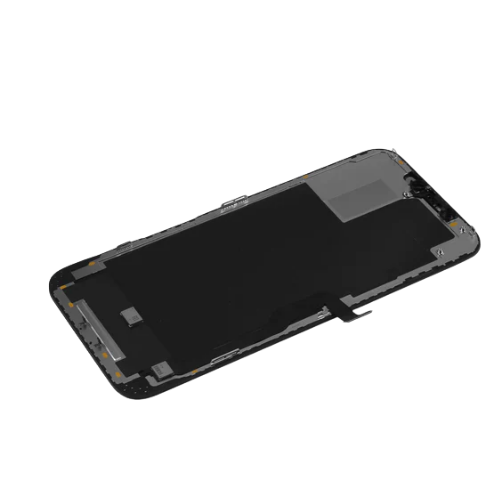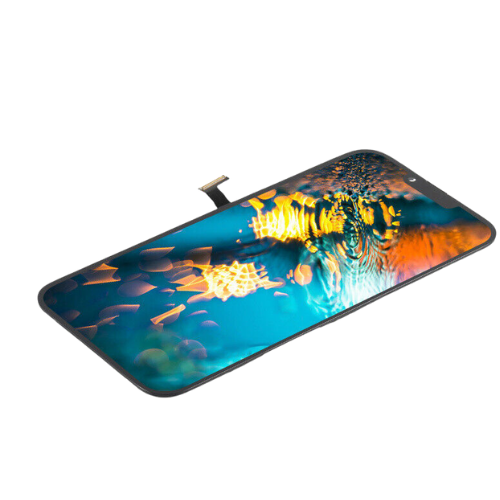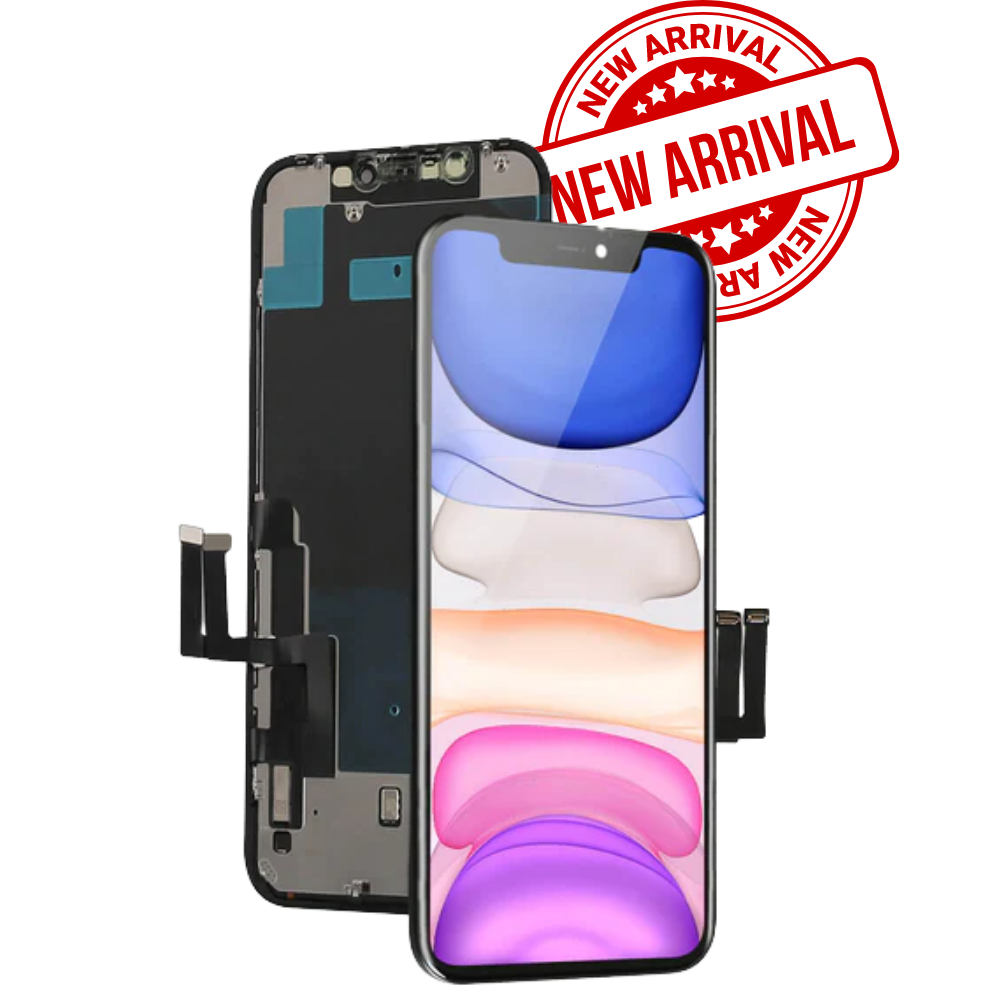

Introduzione
Ti sei mai chiesto perché lo schermo del tuo smartphone sembra più liscio?, più sottile, e più reattivo rispetto ai modelli di qualche anno fa? Questo grazie alle rapide innovazioni in tecnologie di integrazione touch. Dai primi giorni dei pannelli touch esterni a quelli sofisticati In cella E Su cellulare metodi, questi progressi hanno ridefinito il modo in cui interagiamo con i nostri dispositivi.
Esploriamo come In cella, Su cellulare, e OGS (Una soluzione in vetro) evoluto, cosa li rende diversi, e come si stanno unendo per creare l'esperienza di visualizzazione definitiva.
L'evoluzione dell'integrazione del touchscreen
La tecnologia touchscreen è nata con un obiettivo semplice: consentire agli utenti di controllare i dispositivi direttamente tramite il display. I primi smartphone utilizzati moduli touch esterni, dove il sensore tattile è stato posizionato sulla parte superiore del display. Ma poiché gli utenti richiedevano telefoni più sottili e schermi più chiari, i produttori cercavano soluzioni migliori.
Il risultato? Una serie di tappe fondamentali dell'integrazione: Su cellulare, OGS, E In cella - ogni tocco e visualizzazione si fondono più strettamente di prima.
Comprendere le diverse strutture del touchscreen
Modulo touch esterno (Tipo aggiuntivo)
I primi smartphone, come l'iPhone di prima generazione, usato moduli touch separati. Uno strato di vetro con un sensore tattile si trovava sopra il display LCD.
Pro:
- Facile da produrre e riparare
- Affidabile per i primi progetti capacitivi
Contro:
- Struttura più spessa
- Trasmissione luminosa ridotta (display più fioco)
- Sensibilità inferiore a causa di più strati
Questa configurazione ha funzionato bene finché i consumatori non hanno iniziato a desiderare design più eleganti e una migliore qualità visiva.
Tecnologia su cella
Su cellulare incorpora direttamente il sensore tattile sulla parte superiore del pannello del display, piuttosto che su un livello separato.
Come funziona:
Gli elettrodi tattili sono modellati sul vetro esterno del display, riducendo gli strati e migliorando la trasmissione della luce.
Vantaggi:
- Più sottile e leggero dei moduli esterni
- Chiarezza ottica migliorata
- Buon equilibrio tra costi e prestazioni
Limitazioni:
- Difficile ottenere una perfetta precisione del tocco su design curvi o con bordi
- C'è ancora un piccolo spazio tra il sensore touch e i pixel del display
Molti smartphone di fascia media e medio-alta lo hanno adottato come trampolino di lancio verso la piena integrazione.
Tecnologia in cella
In cella rappresenta la prossima evoluzione — integrando i sensori tattili direttamente nella struttura cellulare del display.
Come funziona:
Gli elettrodi tattili sono incorporati nello strato TFT o LCD stesso, il che significa che il rilevamento del tocco avviene dove si formano le immagini.
Vantaggi:
- Design ultrasottile — non sono necessari vetri o strati aggiuntivi
- Migliore trasmissione della luce — immagini più luminose e chiare
- Maggiore sensibilità — risposta diretta al tocco con meno ritardo
- Meno strati — peso ridotto e migliore efficienza produttiva
Questo è il motivo per cui i modelli di punta come iPhone e Android premium fanno molto affidamento su soluzioni In-Cell o ibride In-Cell.
OGS (Una soluzione in vetro)
Prima che In-Cell maturasse, OGS è stata introdotta come tecnologia bridge.
Cos'è:
OGS integra direttamente il sensore touch su un unico pezzo di vetro, rimuovendo uno strato di substrato rispetto ai modelli precedenti.
Pro:
- Più leggero e sottile delle tradizionali strutture aggiuntive
- Più facile da produrre rispetto a In-Cell nelle fasi iniziali
Contro:
- Fragile a causa del vetro più sottile
- Ancora non integrato come In-Cell
OGS ha trovato popolarità negli smartphone dell'inizio degli anni 2010, soprattutto nei mercati sensibili ai costi.
Confronto tecnologico
Spessore e Design
| Tecnologia | Spessore | Applicazione tipica |
|---|---|---|
| Modulo esterno | Più spesso | I primi smartphone |
| OGS | Medio | Modelli di fascia media (2013–2017) |
| Su cellulare | Magro | Di fascia medio-alta |
| In cella | Il più sottile | Ammiraglie e dispositivi premium |
Sensibilità e precisione del tocco
In-Cell supera gli altri rilevando anche i tocchi più leggeri grazie ai suoi sensori incorporati. On-Cell rimane preciso ma leggermente meno reattivo.
Qualità di visualizzazione
Con meno strati che bloccano la luce, In-Cell offre prestazioni superiori luminosità, precisione del colore, E contrasto.
Complessità e costi di produzione
Mentre In-Cell offre prestazioni al top, è più complesso da produrre, il che rende più costoso e più difficile mantenere tassi di rendimento elevati durante la produzione di massa.
Tecnologia in-cell: la svolta
Come funziona In-Cell
Unendo gli elettrodi touch e display, In-Cell elimina i livelli ridondanti. Il display matrice TFT guida sia i pixel dell'immagine che il rilevamento del tocco, consentendo un'elaborazione più rapida e una migliore coerenza visiva.
Vantaggi dell'In-Cell
- Più sottile, dispositivi più leggeri - essenziale per i design moderni
- Immagini più nitide — meno strati significano meno rifrazione
- Tocco più sensibile — rilevamento immediato del segnale
- Efficienza energetica — è necessaria una minore potenza di retroilluminazione
Sfide tecniche
Nonostante i suoi punti di forza, In-Cell affronta problemi come:
- Interferenza del segnale tra display e circuiti touch
- Rese produttive inferiori
- Limiti di compatibilità con pannelli OLED flessibili (anche se migliorando velocemente)
L'ascesa delle tecnologie ibride
Integrazione in-cell e on-cell
I produttori stanno sperimentando disegni ibridi, unendo la flessibilità di On-Cell con l’efficienza di In-Cell. Questo approccio migliora la resa produttiva mantenendo la maggior parte dei vantaggi dell'integrazione In-Cell.
Il ruolo di OLED e LTPO
Poiché i display OLED e LTPO dominano i mercati premium, nuovo Touch-on-OLED (ToF) E Touch OLED integrato sono emerse soluzioni che offrono tempi di risposta ultraveloci e un basso consumo energetico.
Tendenze del mercato e prospettive future
I marchi piacciono Mela, SAMSUNG, Xiaomi, E Oppo stanno guidando le innovazioni touch In-Cell e OLED. Telefoni pieghevoli, fotocamere sotto il display, e i bordi curvi spingono i produttori verso progetti completamente integrati e bilanciati flessibilità, durata, E sensibilità.
Nel prossimo futuro, toccare e visualizzare diventeranno praticamente indistinguibili, offrendo un'interattività senza soluzione di continuità, quasi come toccare la luce stessa.
Conclusione
Dai moduli esterni all'integrazione In-Cell, la tecnologia touch ha fatto molta strada. In-Cell è il più avanzato, combinando la magrezza, chiarezza, e reattività: la santa trinità dei moderni schermi degli smartphone.
Man mano che i display si evolvono verso la flessibilità, pieghevole, e soluzioni sotto-schermo, La fusione tra prestazioni e design di In-Cell rimarrà la base per la prossima ondata di innovazione interattiva.
FAQ
1. Qual è la differenza principale tra On-Cell e In-Cell?
On-Cell posiziona i sensori tattili sopra il display, mentre In-Cell li incorpora negli strati del display per risultati più sottili e reattivi.
2. Perché In-Cell è più popolare negli smartphone di punta?
Perché offre la migliore combinazione di design sottile, chiarezza visiva, e precisione del tocco.
3. Quali sono i limiti della tecnologia OGS?
I pannelli OGS sono più sottili ma più fragili e meno integrati rispetto agli In-Cell.
4. In-Cell sostituirà tutte le altre tecnologie touch?
Probabilmente per dispositivi di fascia alta, sebbene le soluzioni On-Cell e ibride rimarranno in applicazioni economiche o flessibili.
5. In che modo l'OLED influisce sull'integrazione touch?
I pannelli OLED supportano naturalmente i sensori tattili integrati, aprendo la strada alle tecnologie In-Cell avanzate e ibride In-Display.