Introduzione
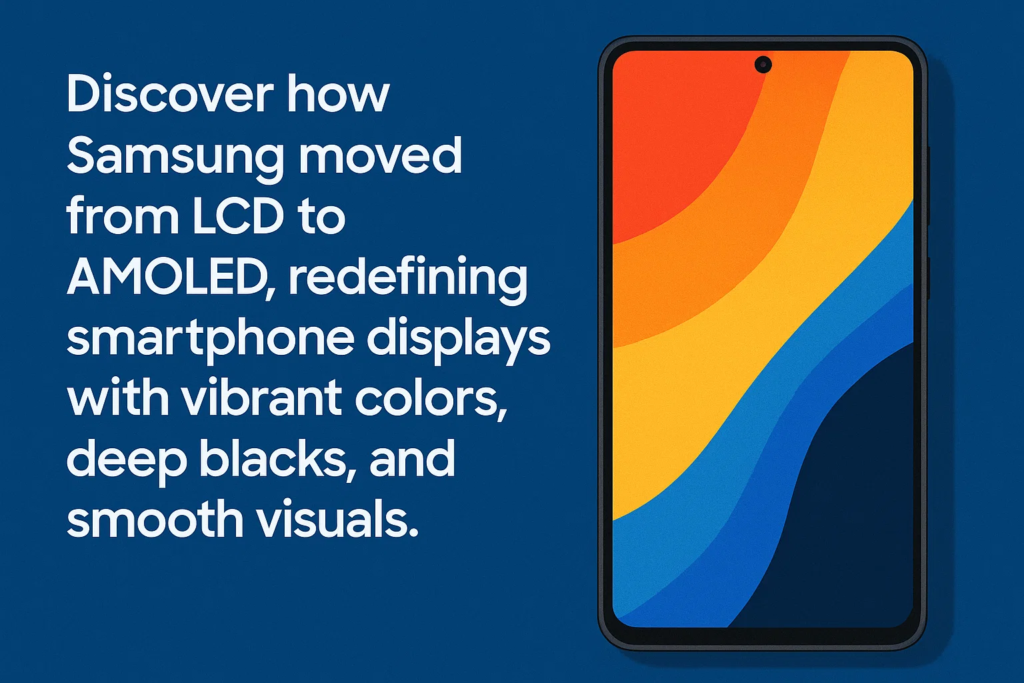
Quando prendi in mano un moderno telefono di punta Samsung, la prima cosa che ti colpisce è il display. Colori vivaci, neri infiniti, frequenze di aggiornamento fluide: sembra quasi di guardare in un'altra realtà. Ma questa magia non è avvenuta dall’oggi al domani. È il risultato di un lungo, tortuoso viaggio in cui Samsung si è trasformata da seguace dell'era LCD a leader indiscusso della tecnologia AMOLED.
Fondazioni ed era di recupero (Età dell'LCD)
All'inizio degli anni 2000, Gli smartphone Samsung facevano affidamento schermo LCD (Display a cristalli liquidi) pannelli. A quel tempo, Giganti giapponesi come Sharp e JDI (Japan Display Inc.) furono i pionieri, impostazione della barra per la qualità di visualizzazione. Gli LCD Samsung erano abbastanza buoni ma non spettacolari. I loro principali punti di forza erano l’efficienza dei costi e la produzione di massa, ma in termini di precisione del colore, luminosità, e leggibilità all'aperto, sono rimasti indietro.
Questa è stata la fase di “recupero” di Samsung: sviluppare competenza rendendosi conto che non sarebbe stato possibile restare al passo semplicemente giocando al gioco dell’LCD.
Punto di svolta strategico: Scommettere su AMOLED
La vera svolta è arrivata quando Samsung ha deciso di farlo vai all-in su AMOLED (Diodo emettitore di luce organico a matrice attiva) visualizza. Intorno alla metà degli anni 2000, quando altre società liquidavano AMOLED come costoso e inaffidabile, Samsung ha visto il potenziale.
Perché?
- Differenziazione: AMOLED offriva punti di vendita unici come i veri neri, pannelli più sottili, e rapporti di contrasto più elevati.
- Controllare: Investendo in AMOLED, Samsung potrebbe ridurre la dipendenza dai fornitori di display giapponesi.
- Visione: L'azienda ha anticipato il boom degli smartphone e ha capito che il display sarebbe diventato il campo di battaglia definitivo.
Questa scommessa coraggiosa avrebbe finito per rimodellare l’intero settore.
Sfondare con la tecnologia AMOLED
AMOLED di prima generazione
Samsung ha introdotto i pannelli AMOLED nei suoi primi modelli Galaxy S. I colori erano incisivi, i neri erano profondi, e la visibilità esterna è migliorata. Ma non era perfetto.
- Problema della matrice pentile: I primi AMOLED utilizzavano una disposizione subpixel che riduceva la nitidezza alla stessa risoluzione rispetto agli LCD. I critici hanno sostenuto che il testo sembrava sfocato.
- Preoccupazioni sulla durabilità: I problemi di burn-in e di durata erano lamentele comuni.
Ancora, era una solida base su cui costruire.
Innovazione Super AMOLED
Il passo successivo di Samsung è arrivato SuperAMOLED, dove l'azienda ha integrato il sensore tattile direttamente nel display.
Vantaggi?
- Immagini più luminose e vivide.
- Schermi più sottili, consentendo design di smartphone più eleganti.
- Migliore leggibilità all'aperto.
Fu allora che AMOLED iniziò a guadagnare terreno, soprattutto nei dispositivi premium.
Era AMOLED dinamica
Con il Galaxy S10 e oltre, AMOLED dinamico è salito sul palco. Samsung ha spinto oltre i limiti:
- Frequenze di aggiornamento elevate (120Hz e oltre) per interazioni estremamente fluide.
- Certificazione HDR10+, rendere film e video incredibilmente realistici.
- Precisione del colore migliorata, contrastando la vecchia critica agli AMOLED “troppo saturi”..
A questo punto, I display Samsung non erano solo appariscenti: erano scientificamente superiori.
Leadership di punta e di settore
Materiali della serie M
Samsung ha sviluppato avanzate Materiali della serie M, utilizzato esclusivamente nelle sue ammiraglie premium. Questi materiali consegnati:
- Livelli di luminosità da record.
- Maggiore efficienza energetica, aumentando la durata della batteria.
Serie E per altri marchi
È interessante notare, Samsung non tiene tutta la sua tecnologia per sé. Fornisce anche Materiali della serie E ai produttori cinesi e ad altri partner. La differenza? I pannelli della serie E sono leggermente meno avanzati, garantendo che Samsung mantenga il vantaggio per i propri flagship Galaxy.
Samsung Display come leader del mercato
Samsung Display non alimenta solo i dispositivi Galaxy: è il re silenzioso dietro gli iPhone di Apple, Pixel di Google, e anche marchi cinesi come Xiaomi e OnePlus. La loro scala di produzione, tassi di rendimento, e il controllo di qualità li rendono i fornitore di riferimento per i pannelli OLED in tutto il mondo.
Definizione dello standard premium
Ai concorrenti piace Schermo LG E Boe hanno fatto progressi, ma Samsung ha impostato il standard aureo per i display degli smartphone. Se vuoi sapere cosa è “il migliore della classe,"basta guardare l'ultimo pannello di Samsung: definisce ciò che gli altri devono inseguire.
Prospettive future della tecnologia display Samsung
OLED pieghevole
Samsung ha aperto la strada ai pieghevoli con le serie Galaxy Z Fold e Flip. Questi pannelli OLED flessibili hanno aperto nuovi fattori di forma e continueranno ad evolversi verso durabilità e convenienza.
Fotocamera sotto il pannello
Un vero design a tutto schermo richiede telecamere nascoste sotto il display. Samsung sta già sperimentando la fotocamera sotto il pannello (UPC) tecnologia, con l'obiettivo di bilanciare la trasparenza con la qualità dell'immagine.
Array di microlenti (MLA/MLP)
Questo miglioramento all'avanguardia utilizza lenti microscopiche per dirigere la luce in modo più efficiente, offrendo una luminosità più elevata senza consumare più energia: una svolta in termini di efficienza.
Visione a lungo termine
Pensa ai display trasparenti, schermi arrotolabili, e tecnologia indossabile: Samsung li tiene d'occhio tutti.
La ricetta per il successo
Il dominio di Samsung si riduce a tre ingredienti:
- A lungo termine: Scommettere su AMOLED quando gli altri ne dubitavano.
- Integrazione verticale: Possedere l’intera filiera, da R&D alla produzione di massa.
- Innovazione incessante: Mai accontentarsi, spingendo sempre per il salto successivo.
Conclusione
Dai suoi umili inizi con l'LCD agli abbaglianti AMOLED dei flagship di oggi, Samsung ha dimostrato che le scommesse audaci e l’innovazione incessante possono trasformare uno sfidante in un leader. L'azienda non solo ha trasformato i propri prodotti, ma ha anche ridefinito l'intero settore dei display per smartphone.
La strada da percorrere: i pieghevoli, telecamere sotto il pannello, e oltre, suggerisce che il regno di Samsung nella tecnologia dei display è lungi dall’essere finito.
FAQ
1. Perché Samsung ha scelto AMOLED anziché LCD?
Perché AMOLED offriva vantaggi unici come i neri più profondi, pannelli più sottili, e un contrasto più elevato, dando a Samsung un modo per distinguersi dai concorrenti bloccati nell'LCD.
2. Qual è la differenza tra Super AMOLED e Dynamic AMOLED?
Super AMOLED ha integrato lo strato tattile più sottile, pannelli più luminosi. AMOLED dinamico ha aggiunto HDR10+, frequenze di aggiornamento più elevate, e una migliore precisione del colore.
3. In che modo la serie M di Samsung differisce dai materiali della serie E?
La serie M è destinata ai dispositivi premium di Samsung, offrendo luminosità ed efficienza all'avanguardia. La serie E viene fornita ad altri marchi, leggermente meno avanzato.
4. I display pieghevoli sostituiranno i tradizionali schermi piatti??
Non del tutto. I pieghevoli aumenteranno in popolarità, ma gli schermi piatti rimarranno dominanti per convenienza e semplicità.
5. In che modo Samsung mantiene la leadership nonostante la crescente concorrenza??
Attraverso l'integrazione verticale, massiccio R&investimento D, e mantenendo la migliore tecnologia (come la serie M) esclusivo per le proprie ammiraglie.