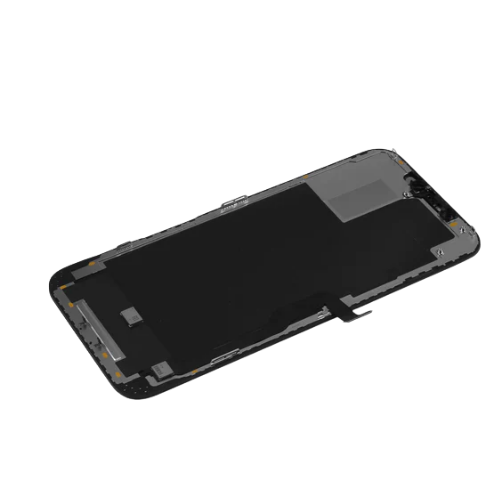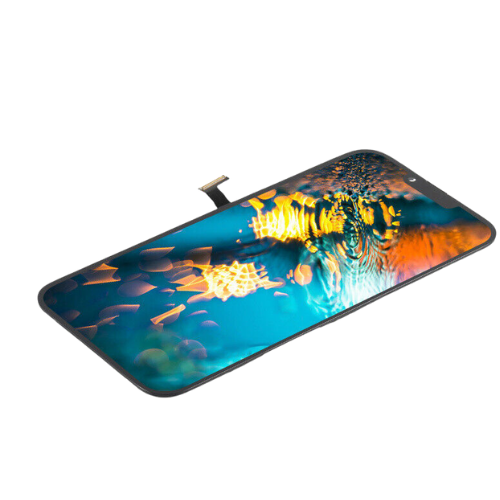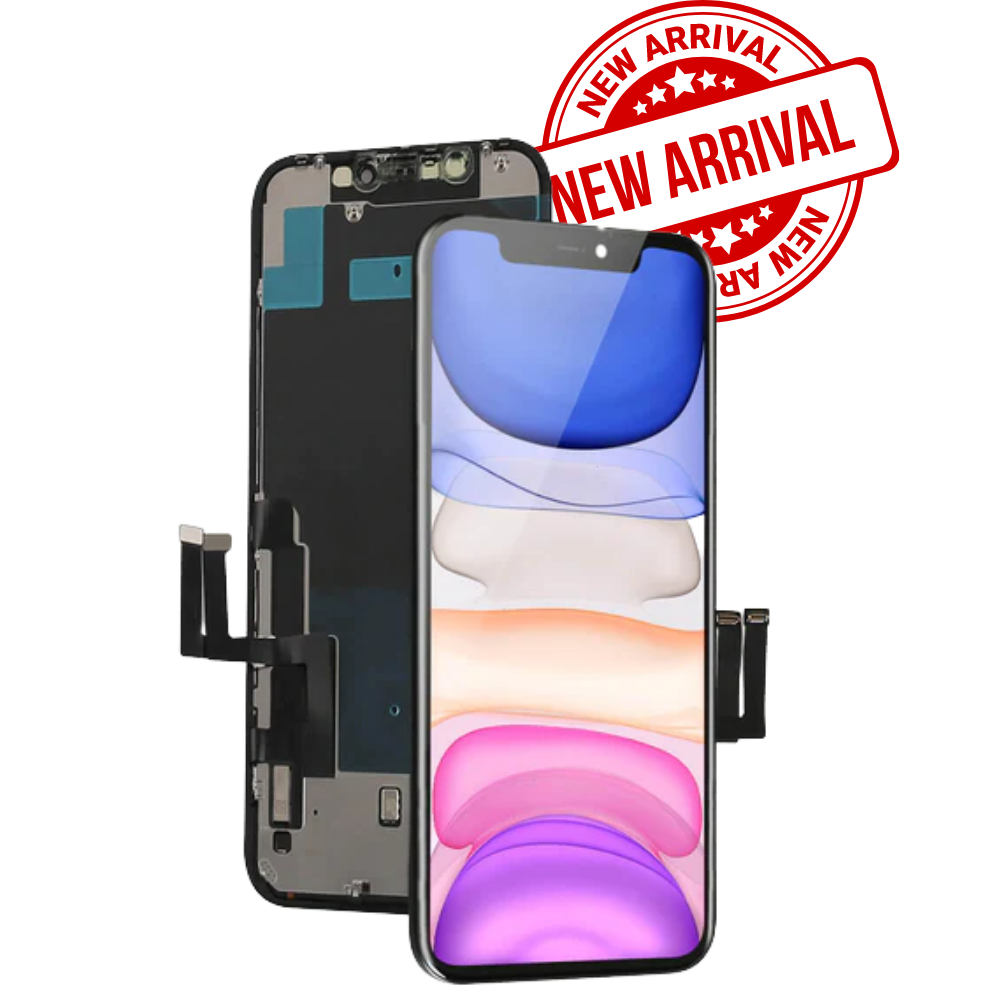
Когда дело доходит до замены ЖК-экрана смартфона, слово «оригинальный» много швыряется. Но вот правда: на сегодняшнем рынке, большая часть того, что рекламируется как «оригинальное», вообще не является оригинальным. Являетесь ли вы владельцем ремонтной мастерской, агент по снабжению, или новый покупатель, понимание того, что вы действительно получаете, является ключом к избежанию ненужных потерь..
Давайте разберем все это ясно, честный, и практический способ.
Понимание рынка экранов
Почему 90% «Оригинальных экранов» на самом деле являются пересобранными экранами
Зайдите на любой оптовый рынок, и ты будешь слышать одну и ту же фразу снова и снова:
«Это оригинально».
Но реальность? Над 90% из этих так называемых оригинальных экранов на самом деле собираются заново (Противодавление) экраны.
В этих повторно собранных экранах используются:
- Оригинальные панели дисплеев от сломанных телефонов.
- Новое внешнее стекло.
- Повторно ламинированные сенсорные слои
Они плохие?? Не обязательно. Но они нет продавцы утверждают, что экраны оригинальные.
Что считается настоящим оригинальным разобранным экраном
Настоящий оригинальный экран:
- Снято прямо с рабочего устройства
- Никогда не ремонтировался
- Никогда не ламинировался и не ремонтировался
Такие экраны встречаются крайне редко., особенно для телефонов высокого класса, таких как iPhone 14/15 серии или флагманские модели Samsung.
Почему оригинальные экраны высокого класса редки и дороги
Высококачественные модели редко попадают в каналы переработки., и когда они это сделают, повреждение экрана — обычное дело. Безупречный оригинальный экран в разобранном виде – это, по сути, единорог-возможный, но очень сложно найти.
Реальность качественно собранных экранов
Почему принимать высококачественные повторно собранные экраны более практично
Вместо охоты за невозможным «оригинальным,» Реальнее искать первоклассные отремонтированные экраны. Правильно собранный экран может обеспечить:
- 95%+ оригинальное исполнение
- Отличный отклик на прикосновение
- Точная цветопередача
- Длительный срок службы
Ключ? Ищем квалифицированного ремонтника.
Как определить надежных мастеров по ремонту экранов
Хороший специалист по ремонту значит больше, чем просто «оригинальная» этикетка..
Технические навыки
Продвинутые навыки включают в себя:
- OCA-ламинирование без пузырьков
- Замена поляризатора
- Точное выравнивание
Используемые материалы
Качественные материалы = лучшая долговечность.
Хороший ремонтник использует:
- Премиум ОСА
- Высококачественные сенсорные микросхемы
- Устойчивое к царапинам стекло
Тестирование и контроль качества
Лучшие поставщики бегут:
- Несколько функциональных тестов
- Тесты на старение
- Калибровка яркости и цвета
Если продавец может с уверенностью сказать, «Мы тестируем каждый экран,» это хороший знак.
Понимание iPhone «True Tone» / «Оригинальный цветной дисплей»
Почему истинный тон теряется после замены экрана
Истинный тон (оригинальный цвет) полагается на шифрование между дисплеем и материнской платой телефона.
После замены экрана—даже с оригинальной деталью—True Tone исчезает, если данные чипа не передаются..
Объяснение спаривания чипов и шифрования
Apple хранит данные профиля цвета/яркости в небольшом чипе дисплея. Без сопоставления этих данных, телефон не может включить True Tone.
Как продавцы добавляют реалистичности неоригинальным экранам
Хорошие поставщики используют оборудование для восстановления True Tone двумя способами.:
Чип записи
Копирование данных со старого экрана на новый.
Пересадка чипа
Физическая пайка оригинального чипа на новый экран.
Оба метода требуют навыков и увеличивают затраты..
Почему экран «с True Tone» стоит дороже
Если продавец предлагает неоригинальный экран с True Tone, это значит:
- Дополнительная работа
- Дополнительное оборудование
- Высшая техническая сложность
Это указывает на то, что продавец не срезать углы.
OLED против LCD — выбор правильного типа
Почему не следует заменять OLED ЖК-дисплеем
Переход с OLED на LCD может показаться идеей экономии средств., но это идет с компромиссами:
Увеличенная толщина
ЖК-модули толще — ваш телефон может больше не подходить идеально.
Повышенное потребление батареи
ЖК-дисплей потребляет больше энергии, особенно на высокой яркости.
Низкое качество дисплея
Вы заметите:
- Тусклые цвета
- Низкая контрастность
- Хуже углы обзора
Нет всегда включенного дисплея
ЖК-дисплей не поддерживает AOD (экран дисплея), серьезное понижение версии телефонов OLED-моделей.
Когда ЖК-дисплей допустим, а когда нет
ЖК подойдет для:
- Старые модели
- Бюджетный ремонт
- Требования к простой функциональности
Но для высококачественных OLED-устройств?
Придерживайтесь OLED — от этого зависит ваш опыт.
Скрытый смысл «гарантийных» обещаний
Что на самом деле подразумевают продавцы под «гарантией включена»
«Гарантия» продавца часто звучит хорошо, но на самом деле она означает следующее::
Замена только на аналогичный класс
Вы не получаете новый экран — просто еще один отремонтированный.
Не гарантированно новый
Ваша замена может иметь:
- Низкая яркость
- Мелкие дефекты
- Плохая реакция на прикосновение
Скрытые риски
Некоторые продавцы используют гарантии, чтобы замаскировать несоответствующее качество..
Почему лучше купить идеальное качество с первого раза
Вместо того, чтобы полагаться на гарантийный обмен, гораздо лучше:
- Потратьте немного больше
- Получите высочайшее качество
- Избегайте споров и простоев
Один хороший экран > три некачественные замены.
Как купить лучший экран с первой попытки
Ключевые вопросы, которые следует задать поставщику
- Этот экран отремонтирован или оригинал разобран??
- Какие материалы вы используете для ламинирования??
- Можете ли вы предоставить тестовые видео??
- Поддерживаете ли вы написание True Tone??
Этапы тестирования перед установкой
Всегда тестируйте:
- Сенсорная функция
- Яркие пятна / битые пиксели
- Равномерность яркости
- Идентификатор лица / датчики
- Цветовой оттенок камеры через экран
Советы, как избежать распространенных ловушек
- Не покупайте экраны «слишком дешево, чтобы быть правдой».
- Избегайте продавцов, которые не могут объяснить качество своего экрана.
- Отдавайте предпочтение поставщикам, которые предлагают тестирование перед отправкой
Заключение
Рынок ЖК-экранов полон ярлыков: «оригинал».,«А-класс,«Премиум,«с True Tone», но понимая, что они действительно значит поможет вам избежать дорогостоящих ошибок. Высококачественные повторно собранные экраны зачастую являются самым разумным и практичным выбором., при условии, что они исходят от квалифицированных специалистов, использующих подходящие материалы..
Помнить, цель — не охота за мифическим «идеальным оригиналом», а поиск лучшее качество экрана для ваших нужд, от поставщика, которому можно доверять.
Часто задаваемые вопросы
1. Все ли отремонтированные экраны плохие??
Нисколько. Высококачественные отремонтированные экраны могут быть очень близки к оригинальным характеристикам..
2. Почему пропадает True Tone после замены экрана iPhone?
Поскольку данные чипа исходного экрана не совпадают с материнской платой телефона..
3. Безопасно ли выбирать дешевый ЖК-дисплей для OLED-телефона?
Можно, но впечатления будут значительно хуже..
4. В чем разница между «оригиналом» и «оригиналом в разобранном виде»?
Оригинальный значит нетронутый; оригинал в разобранном виде значит снят с рабочего телефона.
5. Почему продавцы дают длительную гарантию на дешевые экраны?
Гарантии часто покрывают замену аналогичной бывшей в употреблении/восстановленной детали., не идеальный новый.