Introduzione
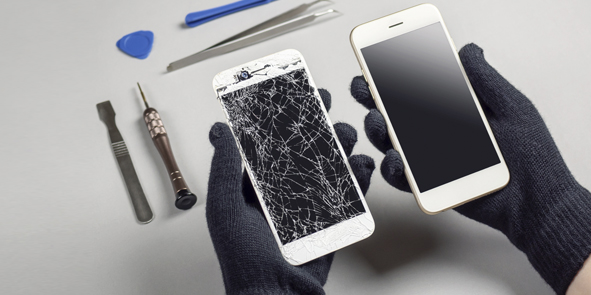
Quando si tratta di iPhone, Tutti adorano l'aspetto elegante e il display cristallino. Ma cosa succede quando quel bellissimo schermo si rompe? O peggio - quando il display smette di funzionare? Questo è quando inizi a cercare schermi sostitutivi, E improvvisamente ti rendi conto: C'è un intero mondo di opzioni sullo schermo LCD di iPhone là fuori. E fidati di me, Non tutti gli schermi sono creati uguali.
In questo blog, Abbatteremo i diversi tipi di schermi LCD per iPhone disponibili sul mercato, In che modo differiscono per la qualità, e come scegliere il migliore per le tue riparazioni o le esigenze aziendali.
Perché la qualità dello schermo LCD di iPhone è importante
Il display del tuo telefono non riguarda solo l'aspetto di Netflix. Influisce sul modo in cui il telefono risponde al tocco, quanto dura la batteria, e quanto è durevole il tuo dispositivo nel complesso. Gli schermi di bassa qualità possono far sembrare il tuo iPhone un'imitazione economica.
Più, con così tanti tipi di schermo sul mercato, dalle versioni originali a quelle copiate, sapere per cosa stai pagando è fondamentale.
L’ascesa degli schermi per iPhone aftermarket
Con milioni di iPhone venduti in tutto il mondo, la richiesta di pezzi di ricambio è esplosa. Mentre i sostituti ufficiali di Apple sono di alto livello, sono anche costosi e limitati ai centri di riparazione autorizzati. È qui che entrano in gioco gli schermi aftermarket.
Ma ecco il problema: gli schermi aftermarket spaziano da copie di alta qualità a spazzatura assoluta. Quindi è essenziale comprendere le differenze.
Comprendere i tipi di schermi LCD dell'iPhone
Cos'è lo schermo LCD dell'iPhone?
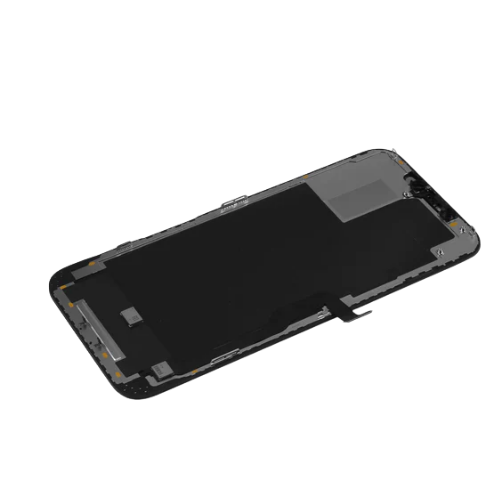
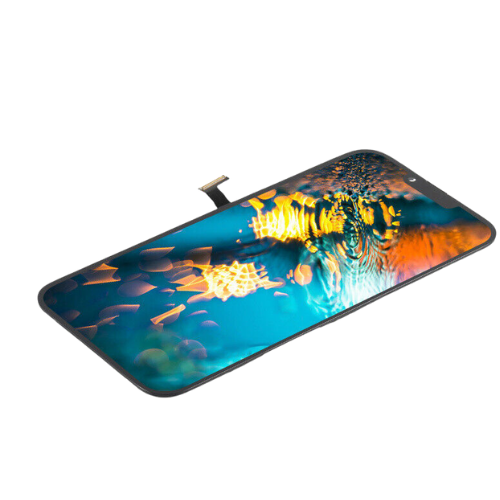
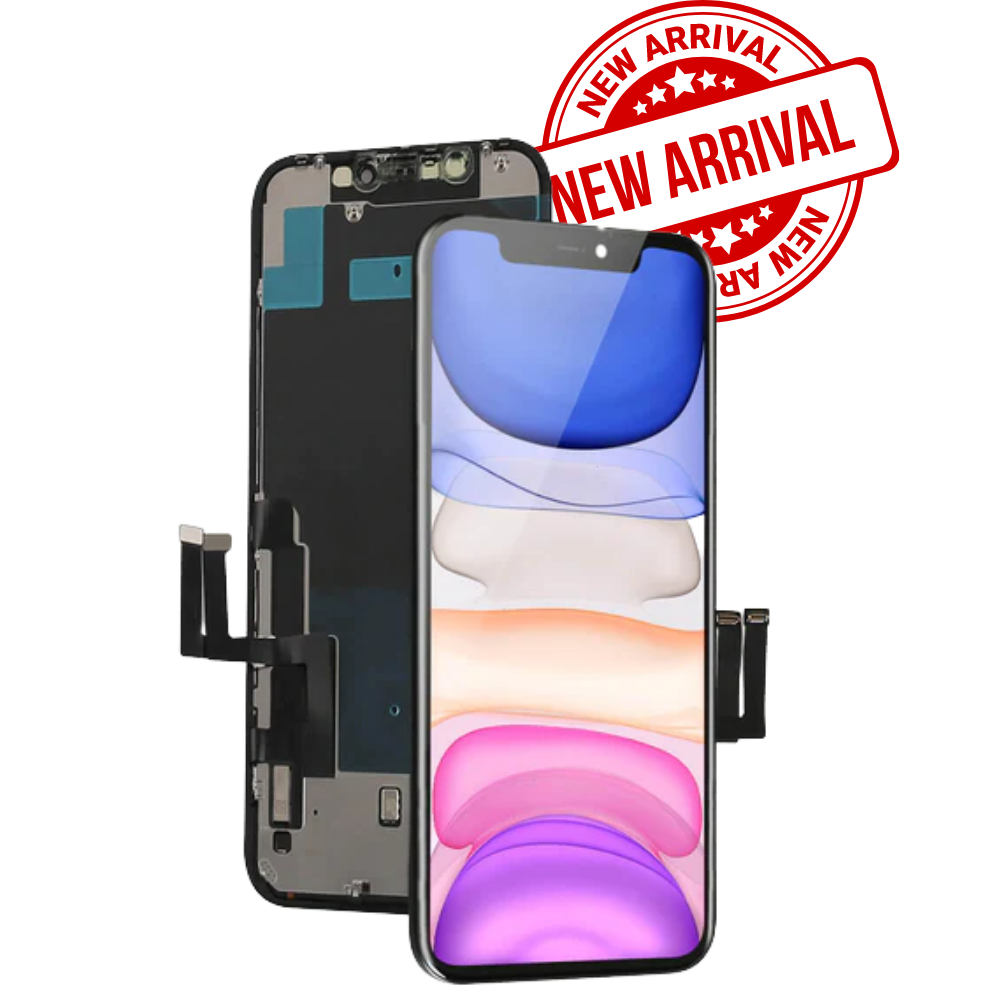
Un display LCD (Display a cristalli liquidi) Lo schermo di un iPhone visualizza le immagini utilizzando una retroilluminazione e cristalli liquidi. Quando senti "Sostituzione schermo LCD,” generalmente include sia il display che il digitalizzatore touch.
OEM (Produttore di apparecchiature originali) Schermi
Questi sono il meglio del meglio. Gli schermi OEM sono realizzati dagli stessi produttori che forniscono Apple, come LG, Affilato, o JDI. Offrono la stessa luminosità del display, sensibilità al tocco, e costruisci la qualità dello schermo originale fornito con il tuo iPhone.
Pro: Vestibilità perfetta, precisione del colore, durata
Contro: Costo elevato, disponibilità limitata
Schermi ricondizionati OEM
Si tratta di schermi Apple originali che sono stati riparati, solitamente sostituendo il vetro mantenendo intatti il display LCD e il digitalizzatore originali.
Pro: Alta qualità, più economico dell'OEM nuovo di zecca
Contro: Può avere un'usura minore o un leggero problema di sensibilità al tocco se non adeguatamente rinnovato
Copia (Aftermarket) Schermi
Gli schermi aftermarket o copia sono prodotti di terze parti progettati per imitare l'originale. Vanno dalle copie di alta qualità a versioni di qualità molto bassa.
Pro: Conveniente, ampiamente disponibile
Contro: Qualità variabile, Mismatch del colore, scarsa durata
Schermate di oled oled morbido
OLED (DIODO EMITTANO DI LUCE ORGANICA) I display sono usati in nuovi iPhone. OLED morbido è flessibile e resistente, Mentre Hard OLED usa un substrato di vetro, rendendolo più economico ma più fragile.
OLED morbido: Migliore durata, più costoso
Duro oled: Budget-friendly, meno resistente
Tecnologia Incell vs Oncell
Incell Integra il livello touch nel pannello LCD, Rendere più sottile lo schermo e toccare la risposta più veloce.
Oncell Posiziona lo strato di touch sopra l'LCD. È più economico ma più spesso e meno reattivo.

Differenze chiave tra le qualità dello schermo
Visualizza luminosità e precisione del colore
Gli schermi OEM brillano più luminosi con i colori della vita reale. Gli schermi aftermarket sembrano spesso noiosi o troppo saturati.
Toccare la sensibilità e il tempo di risposta
Uno schermo OEM sembra liscio burroso. Le copie di livello inferiore potrebbero essere in ritardo, Miss tocchi, o registrare input accidentali.
Materiali di costruzione e durata
Gli schermi OEM e rinnovati di alta qualità utilizzano materiali di vetro e telaio premium. Copie economiche possono rompersi facilmente o deformare nel tempo.
Impatto del consumo della batteria
Gli schermi di scarsa qualità possono drenare la batteria più velocemente a causa dell'inefficiente retroilluminazione e sensori di touch.
Differenze di prezzo
- OEM: $$$$
- Ristrutturato: $$$
- Copia di alta qualità: $$
- Copia di bassa qualità: $
Come identificare diverse qualità dello schermo
Imballaggio ed etichettatura
Gli schermi OEM sono disponibili, imballaggio marchiato. Gli schermi aftermarket usano spesso scatole generiche o senza marchio.
Aspetto fisico e corporatura
Controlla:
- Logo o contrassegni (Gli schermi OEM di solito hanno piccoli identificatori)
- Colore dei cavi flessibili
- Allineamento e finitura del telaio
Diagnostica del software
Alcune app diagnostiche o strumenti di riparazione possono identificare versioni dello schermo e differenze di prestazioni. Utile per verificare la precisione del tocco e l'integrità del display.
Pro e contro dei diversi schermi dell'iPhone
Professionisti OEM & Contro
Pro: Prestazioni perfette, qualità originale
Contro: Costoso, difficile da trovare fuori dai centri autorizzati
Pro rinnovati & Contro
Pro: Conveniente, alta qualità
Contro: Potenziale usura nascosta
Professionisti dell'aftermarket & Contro
Pro: Budget-friendly, accessibile
Contro: Qualità incoerente, problemi di durabilità
Dove procurarsi schermi iPhone affidabili
Direttamente da Apple
Qualità garantita, ma richiede l'accesso alla rete di riparazione di Apple.
Rivenditori autorizzati
Offri schermi OEM e ricondizionati di alta qualità con garanzie.
Fornitori aftermarket affidabili
Scegli fornitori con una solida reputazione e una chiara classificazione dei prodotti (come l'AAA, AA, UN).
Suggerimenti per scegliere il giusto fornitore di schermi per iPhone
Verificare la garanzia e le politiche di restituzione
Evita i fornitori che non offrono almeno una garanzia di 3 mesi.
Cerca recensioni e reputazione dei clienti
Sfoglia i forum, mezzi di comunicazione sociale, e riparare il feedback della comunità.
Valutare il supporto post-vendita
I buoni fornitori forniscono assistenza tecnica e sostituzioni rapide per parti difettose.
Errori comuni da evitare quando si acquistano schermi per iPhone
Cadere per prezzi irrealisticamente bassi
Se sembra troppo bello per essere vero, probabilmente lo è.
Ignorare i termini della garanzia
Controlla sempre le politiche di restituzione e cambio prima di acquistare.
Impossibile verificare la compatibilità dello schermo
Assicurati di acquistare uno schermo per il modello esatto di iPhone (SÌ, anche i numeri di modello minori contano).
Conclusione
Scegliere lo schermo LCD per iPhone giusto non riguarda solo il prezzo: si tratta di bilanciare la qualità, durata, e affidabilità dei fornitori. Sia che tu stia riparando il tuo telefono o rifornisci per il tuo negozio di riparazioni, Conoscere la differenza tra OEM, ristrutturato, E gli schermi aftermarket possono farti risparmiare tempo, soldi, e mal di testa. Dai la priorità ai fornitori di fiducia, Controlla le garanzie, e non tagliare mai gli angoli sulla qualità.
FAQ
Q1: Qual è la differenza tra schermi morbidi OLED e Hard OLED?
UN: OLED morbido è flessibile e più resistente, Mentre Hard OLED usa una base di vetro, rendendolo più economico ma più facile da rompere.
Q2: Sono affidabili schermi OEM rinnovati?
UN: SÌ, Finché il processo di ristrutturazione è stato eseguito correttamente, Mantenere il LCD e il digitalizzatore originali.
Q3: L'iPhone aftermarket può danneggiare il mio telefono?
UN: Le copie di bassa qualità possono portare a una scarsa risposta al tatto, consumo rapido della batteria, o problemi di compatibilità.
Q4: Vale la pena pagare un extra per uno schermo OEM?
UN: Se dai priorità alla qualità di visualizzazione, sensibilità al tocco, e durata: assolutamente.
Q5: Come posso sapere se uno schermo è OEM?
UN: Cerca segni specifici, colori dei cavi flessibili, e confezione originale. Anche, richiedere la certificazione del fornitore.