Введение
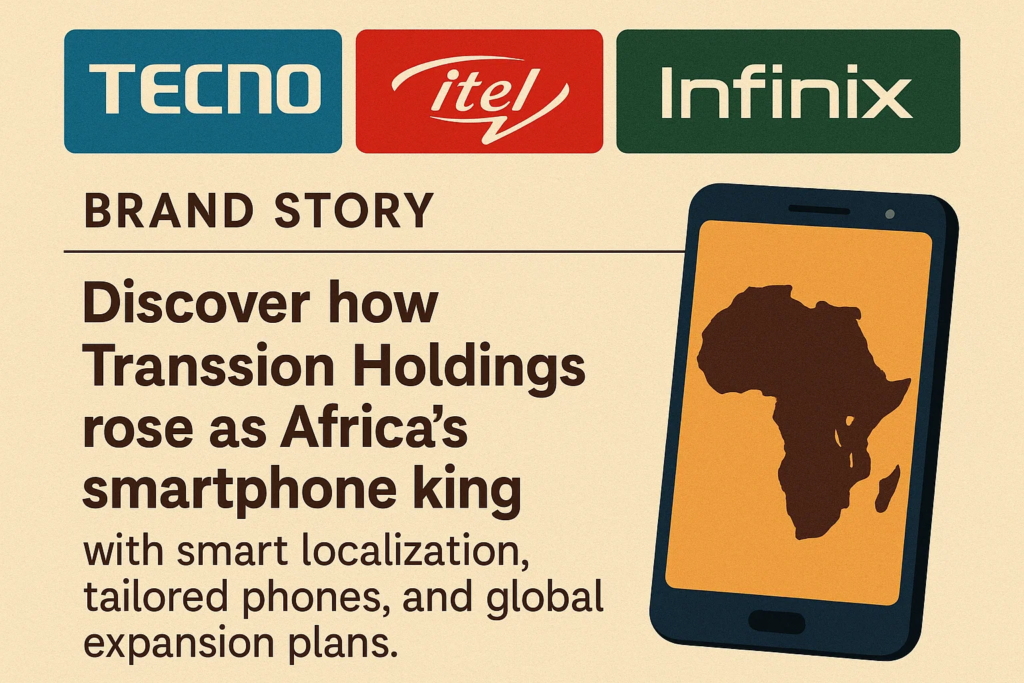
В гиперконкурентном мире смартфонов, Большинство людей сразу же думают о Apple, Samsung, или huawei. Но на обширном африканском континенте, относительно менее известная китайская компания царит безраздельно: Переводы. Штаб-квартира в Шэньчжэне, этот бренд создал уникальную империю и заслужил титул «Король Африки». Его путь — это не просто история успеха в бизнесе, это мастер-класс по локализации и глобальной стратегии..
Истоки переходных холдингов
Компания Transsion не всегда была мировым гигантом. Основан в Шэньчжэне, Инновационный центр Китая, она вышла на рынок мобильных телефонов в то время, когда уже доминировали тяжеловесы. Вместо борьбы за объедки в многолюдных городских центрах Китая или Европы, Transsion выбрал жирный шрифт, пропущенный путь: Африка.
Первоначальное видение компании было простым, но мощным:понимать реальные потребности недостаточно обслуживаемых рынков и предлагать продукты, которые кажутся индивидуальными. Эта философия позже стала основой его успеха..
Понимание африканского рынка
Африка, с быстро растущим молодым населением и растущим проникновением мобильной связи, представлял собой золотую жилу для правильной компании. Однако, международные бренды часто недооценивали рынок, предложение телефонов, не подходящих для местных условий.
«Транссион» пошел по противоположному пути: изучать рынок, слушать пользователей, и решать реальные проблемы. Такое мышление имело решающее значение.
Индивидуальные инновации для Африки
Технология камеры для темных тонов кожи
Большинство камер смартфонов с трудом передают красоту темных оттенков кожи.. Инженеры по трансформации переработали свои алгоритмы, сосредоточив внимание на зубах и глазах в качестве ориентиров, и представили расширенные режимы красоты. Внезапно, Африканцы чувствовали себя по-настоящему замеченными на селфи — это меняет правила игры в отношении лояльности к бренду.
Революция в использовании нескольких SIM-карт
В регионах, где пользователи часто переключаются между несколькими операторами связи, чтобы сэкономить средства., Компания Transsion первой разработала телефоны с двумя и даже четырьмя SIM-картами.. Это была не просто особенность — это было выживание на фрагментированном рынке телекоммуникаций..
Решения с длительным сроком службы батареи
Дефицит электроэнергии распространен во многих африканских странах. Компания Transsion представила модели с сверхдолгие аккумуляторы в режиме ожидания, обеспечение того, чтобы пользователи могли оставаться на связи даже во время отключений электроэнергии.
Большие колонки для музыкальной культуры
Музыка вплетена в культурную ткань Африки. Телефоны Transition поставлялись в комплекте мощные встроенные динамики, мгновенно делая их фаворитами на вечеринках, собрания, и углы улиц.
Сила портфеля брендов
TECNO – Ориентация на рынок среднего и высокого класса
TECNO стала премиальным лицом Transsion, сосредоточив внимание на ультрасовременная фотография и стильный дизайн, привлекательным для амбициозных покупателей среднего класса.
Itel – Доступно и Надежно
Для обычных пользователей, Компания Itel предоставила долговечный, бюджетные телефоны. Девиз Itel был ясен: надежная связь для масс.
Infinix – стильно и молодежно
Infinix покорил сердца молодых африканцев своей модный дизайн, умные функции, и яркие маркетинговые кампании— бренд образа жизни в такой же степени, как и телефонная компания..
Локализованный маркетинг и распространение
В отличие от мировых гигантов, которые доставляли продукцию издалека, Настройка перехода местные сервисные центры, склады, и партнерство с дистрибьюторами. Они даже участвовали в общественных мероприятиях., музыкальное спонсорство, и футбольное партнерство. Это была не просто продажа телефонов — это было погружение в африканскую жизнь..
За пределами Африки – глобальное расширение
Как только африканская цитадель была захвачена, Транссион посмотрел наружу. Он расширился до Южная Азия (Индия, Пакистан, Бангладеш), Ближний Восток, и Латинская Америка. Стратегия была та же: найти пробелы, которые игнорируют мировые лидеры, и заполнить их локализованными инновациями.
Вызовы и конкуренция
Конечно, дорога не была гладкой. Transsion сталкивается с конкуренцией со стороны Samsung и Huawei, наряду с растущими местными брендами. Политическая нестабильность, колеблющиеся валюты, и нормативные препятствия являются постоянными проблемами. Еще, его сильное местное присутствие обеспечивает буфер, который конкуренты изо всех сил пытаются воспроизвести..
Роль инноваций в обеспечении устойчивого роста
Transsion знает, что успех сегодня не гарантирует завтра. Вот почему он продолжает инвестировать в визуализация на основе искусственного интеллекта, более разумное управление питанием, и региональные программные решения идти в ногу с меняющимися ожиданиями пользователей.
Вклад Transsion в развитие местных сообществ
Помимо телефонов, Трансформация играет роль в создание рабочих мест и обучение. В сервисных центрах работают местные жители, а программы корпоративной социальной ответственности в сфере образования и здравоохранения усиливают положительный имидж компании..
Уроки для других китайских брендов
Рост популярности Transsion преподает мощный урок: локализация превосходит стандартизацию. Хотя многие компании пытаются продвигать универсальные продукты,, Транссион показывает, что успех приходит от слушаю, адаптация, и глубокое внедрение в местную культуру.
Будущее транзитных холдингов
С Африкой в качестве стартовой площадки, Transsion имеет хорошие возможности для следующей волны роста. От 5G-ready устройства к Функции на базе искусственного интеллекта, ее амбиции теперь выходят за рамки развивающихся рынков. Сможет ли он однажды составить конкуренцию Apple или Samsung во всем мире?? Только время покажет, но фундамент выглядит прочным.
Заключение
Путешествие Transsion просто примечательно. К превращение упущенных из виду потребностей Африки в возможности, он построил королевство, где другие видели препятствия. Его сценарий — поймите, локализовать, доставить — превратил его из шэньчжэньского стартапа в «Король Африки». Для компаний, планирующих глобальную экспансию, Переход – это больше, чем тематическое исследование – это вдохновение.
Часто задаваемые вопросы
1. Почему Transsion называют «королем Африки»?
Потому что она доминирует на африканском рынке смартфонов, предлагая специализированные продукты, и занимает наибольшую долю рынка во многих странах..
2. Каковы основные бренды Transsion Holdings??
Tecno, Тел., и Инфиникс, каждый из которых ориентирован на разные сегменты рынка: от премиум-класса до бюджетного и молодежного..
3. Как компания Transsion добилась успеха там, где мировые гиганты боролись с трудностями?
Сосредоточив внимание на глубокой локализации — настройке телефонов для нужд Африки вместо предложения типовых моделей..
4. Транссион ориентирован только на Африку??
Нет, он распространился на Южную Азию, Ближний Восток, и Латинская Америка со схожими стратегиями.
5. Какие уроки другие компании могут извлечь из Transsion?
Важность понимание потребностей клиентов, адаптация к местной культуре, и совершение долгосрочных а не гоняться за быстрой прибылью.