
Tabhairt isteach
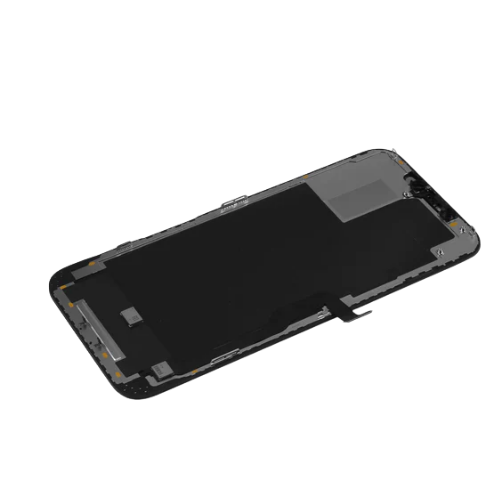
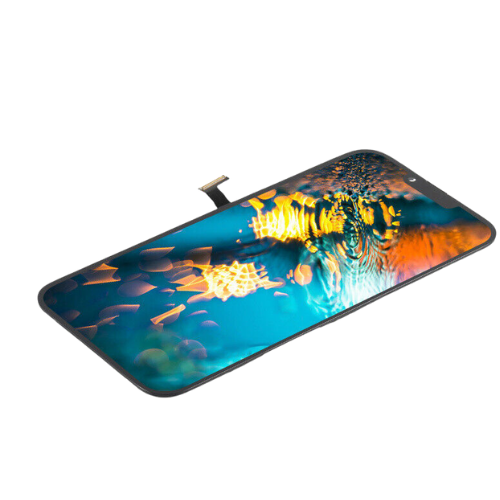
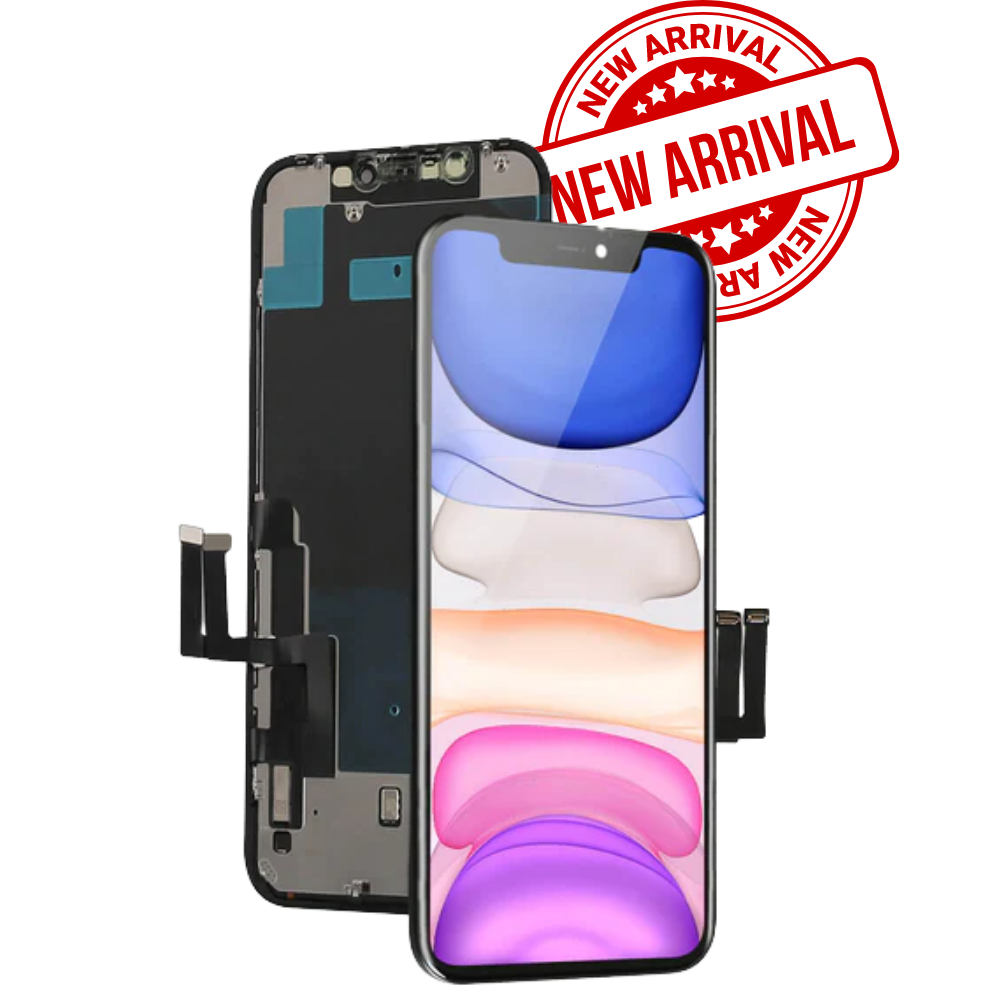
Tá aithne ar iPhones Apple le fada mar gheall ar a gcáilíocht taispeántais den scoth, agus tá scáileáin OLED mar chuid mhór den rath sin. Ach an raibh a fhios agat nach gcruthaítear gach painéal OLED cothrom? I sraith Apple, tá dhá mhórchineál scáileáin OLED - OLED Crua agus OLED Bog. Tá a buntáistí féin ag gach ceann acu, míbhuntáistí, agus tréithe uathúla a théann i bhfeidhm ní hamháin ar fhís, ach freisin marthanacht, meáchan, agus costas.
Léimimis go domhain isteach sa príomhdhifríochtaí idir scáileáin OLED crua agus bog i iPhones, ionas gur féidir leat cinneadh eolasach a dhéanamh roimh do chéad uasghrádú eile.
Cad é Teicneolaíocht OLED?
Ollainn sheasann do Dé-óid astaithe solais orgánaigh. Murab ionann agus painéil LCD traidisiúnta a dteastaíonn backlight, scaoileann gach picteilín i dtaispeántas OLED a solas féin. Ligeann sé seo do dubh fíor, cóimheasa codarsnachta níos airde, agus éifeachtacht cumhachta níos fearr — go háirithe agus ábhar dorcha á thaispeáint.
Mar gheall ar na tréithe seo, Tá taispeántais OLED caighdeánach anois i bhfóin chliste préimhe, lena n-áirítear Apple iWord 12 sraith agus níos faide anonn.
OLED crua vs. OLED bog: An Difríocht Lárnach
Tá an idirdhealú bunúsach idir an dá chineál painéil OLED luíonn sa ábhar tsubstráit a úsáidtear chun iad a thógáil:
- OLED crua: Úsáideann substráit gloine.
- OLED bog: Úsáideann plaisteach (polaiimide) tsubstráit.
Athraíonn an t-athrú aonair seo ar ábhar conas a iompraíonn an scáileán — ó marthanacht agus tiús chuig solúbthacht dearadh is praghas.
Tábla: Difríochtaí Lárnacha idir Scáileáin OLED Crua agus Bog i iPhones
| Toise Comparáide | Deacair Scáileán OLED | bog Scáileán OLED |
|---|---|---|
| Ábhar Foshraith Croí | Foshraith gloine | Foshraith plaisteach |
| Friotaíocht Tionchair | Measartha bocht, seans maith go briseadh | Friotaíocht níos fearr, lú an seans go crack |
| Tadhaill agus Cruth | Dteagmháil chrua, ní féidir lúbadh | Dteagmháil bhog, tacaíonn sé le dearaí cuartha agus foldable |
| Próiseas Déantúsaíochta | Cuireann ciseal roisín trédhearcach leis mar sciath cosanta | Úsáideann lamination scannáin agus imchochlú le haghaidh solúbthachta |
| Costas agus Praghsáil | Teicneolaíocht aibí, costas níos ísle | Próiseas casta, costas níos airde |
| Cáilíocht Taispeána | Éilíonn backlight, níos lú blacks íon | Picteilín féin-astaíoch, blacks foirfe agus codarsnacht |
| Tiús agus Meáchan | Níos tibhe agus níos troime | Slimmer agus níos éadroime |
| Buntáistí Príomha | Inacmhainne, struchtúr soladach (faoi ghnáthúsáid) | Taispeántas den scoth, solúbtha, éadrom, durable |
| Príomh-Míbhuntáistí | leochaileach, meánchodarsnacht, aon dearadh cuar | Daor, riosca dóite, imní strus huaire |
Comparáid Ábhar Foshraith
I Crua Scáileáin OLED, úsáidtear bonn gloine, a thugann an scáileán daingean, dromchla cobhsaí. Déanann sé seo táirgeadh níos éasca agus costéifeachtach ach cuireann sé teorainn le solúbthacht an phainéil.
bog Scáileáin OLED, ar an láimh eile, úsáid a tsubstráit plaisteach, go hiondúil polaiimide, a ligeann don taispeáint lúbadh nó cuar - gné ríthábhachtach do dhearaí imeall-go-imeall Apple agus do dhearaí infhillte sa todhchaí.
Marthanacht agus Friotaíocht Tionchair
Tá OLEDs crua níos brittle mar gheall ar a bhfondúireacht gloine. Má thit, is dóichí go scoiltfidh siad nó go mbrisfidh siad.
Tá OLEDs bog níos turraing-resistant. Ionsúnn a gcuid tsubstráit plaisteach tionchar níos fearr, ag laghdú an seans go ndéanfar damáiste don scáileán. Déanann sé seo OLEDs bog iontach do dhearaí caol nua-aimseartha agus feistí le bezels íosta.
Dteagmháil, Mothaigh, agus Fachtóir Foirme
Nuair a úsáideann tú scáileán OLED crua, tabharfaidh tú faoi deara a bhraitheann dteagmháil daingean — cosúil le cnagadh ar dhromchla soladach.
bhraitheann OLEDs bog níos boige agus níos freagraí, ach uaireanta tugann úsáideoirí faoi deara ripples beag agus tú ag brú ró-chrua nó ag sleamhnú trasna imill chuartha.
Cuireann scáileáin solúbtha ar chumas freisin dearaí cuartha agus foldable, rud crua nach féidir le OLEDs a bhaint amach.
Teicnící Déantúsaíochta
Déantar painéil chrua OLED a mhonarú trí chomhpháirteanna OLED a leagan ar a tsubstráit gloine, le a sciath roisín trédhearcach curtha leis le haghaidh cosanta.
Déantar OLEDs bog ag baint úsáide as a próiseas cuimsithe scannán tanaí, áit a bhfuil sraitheanna cosanta iolracha lannaithe ar bhonn solúbtha. Caomhnaíonn sé seo an dá bendability agus marthanacht, ach tá an próiseas níos casta agus níos costasaí.
Costas agus Castacht Táirgthe
Toisc go bhfuil an próiseas déantúsaíochta le haghaidh OLEDs bog éilíonn céimeanna níos mó agus cruinneas níos airde, a gcuid tá costas táirgthe i bhfad níos airde.
Tá OLEDs crua níos saoire a tháirgeadh mar gheall ar theicneolaíocht aibí agus línte tionóil níos simplí.
Míníonn an difríocht costais seo cén fáth Samhlacha Apple Pro agus Pro Max Tá praghas níos airde orthu - is minic a bhíonn siad i gceist Scáileáin bog OLED.
Feidhmíocht Taispeána agus Cáilíocht Amharc
Seachadann OLEDs bog feidhmíocht amhairc níos fearr, go háirithe i gcodarsnacht agus doimhneacht dath. Ós rud é go bhfuil siad féin-dochar, éiríonn leo dubh fíor is cóimheasa codarsnachta gan teorainn.
Breathnaíonn OLEDs crua fós den scoth, ach ní féidir leis a mheaitseáil toin dubh íon agus raon dinimiciúil dá gcomhghleacaithe bog.
Breithnithe Tiús agus Meáchan
Cuireann OLEDs Bog le feistí níos éadroime agus níos tanaí - príomhchúis go n-úsáideann Apple iad i múnlaí préimhe.
OLEDs crua, agus iad níos daingne, cuir mórchóir beag mar gheall ar an tsubstráit gloine.
Forbhreathnú Buntáistí agus Míbhuntáistí
Deacair Buntáistí OLED
- Costas déantúsaíochta níos ísle
- Dromchla soladach le haghaidh dteagmháil
- Próiseas táirgthe aibí agus iontaofa
Deacair Míbhuntáistí OLED
- Níos éasca a crack
- Leibhéil dubh níos lú bríomhar
- Gan tacaíocht do dhearadh cuartha nó solúbtha
bog Buntáistí OLED
- Meáchan éadrom agus caol
- Tacaíonn dearaí cuartha agus foldable
- Caighdeán agus marthanacht taispeána Superior
bog Míbhuntáistí OLED
- Níos costasaí
- Riosca dóite scáileáin isteach
- Caitheamh féideartha ó lúbadh arís agus arís eile
Cé na iPhones a úsáideann Cén Cineál Scáileáin?
- iWord 12 / 13 / 14 / 15 Pro agus Pro Max: OLED bog (M11, M12, M14 sraith)
- iWord 12 / 13 / 14 Caighdeán: Is féidir painéil chrua OLED a úsáid ó sholáthraithe mar BOE nó LG
- iWord 16 agus níos nuaí: Táthar ag súil le haistriú iomlán go OLED bog thar na samhlacha go léir
Roghnú an iPhone Ceart Duitse
- Dírithe ar Luach agus Marthanacht:
Roghnaigh múnla le scáileán crua OLED. Tá sé níos inacmhainne agus níos praiticiúla nuair a dhéantar é a phéireáil le cás láidir. - Díograiseoir Feidhmíochta agus Dearaidh:
Téigh le haghaidh múnla Bog OLED. Bainfidh tú sult as cáilíocht taispeána préimhe, meáchan níos éadroime, agus saoirse dearaidh cheannródaíoch.
Deireadh
An croí-difríocht idir crua agus bog Scáileáin OLED thagann síos go dtí a gcuid ábhar tsubstráit — gloine i gcoinne plaisteach. Bíonn tionchar ag an idirdhealú aonair seo ar gach rud ó marthanacht agus costas chuig gile amhairc agus féidearthachtaí dearaidh.
Má tá tú feasach ar bhuiséad, soláthraíonn iPhone crua OLED luach den scoth. Ach más mian leat an taithí taispeána deiridh is dearadh sleekest, Is é OLED bog an bealach le dul.
Ceisteanna Coitianta
1. Cé na iPhones a úsáideann scáileáin OLED Bog?
An chuid is mó samhlacha Pro agus Pro Max ón iPhone 12 bain úsáid as painéil bhog OLED ar aghaidh.
2. An bhfuil scáileáin OLED bog níos marthanaí?
Tá, láimhseálann siad suaití níos fearr a bhuíochas dá bhfoshraith plaisteach.
3. Cén fáth a bhfuil iPhones OLED bog níos costasaí?
Tá a bpróiseas monaraíochta casta agus éilíonn ábhair ardchéime.
4. An féidir liom OLED bog a athsholáthar le ceann crua?
Níl, toisc go bhfuil struchtúir agus airíonna lúbthachta éagsúla acu.
5. An bhfeabhsaíonn OLED bog cáilíocht íomhá?
Cinnte - cuireann sé blacks níos doimhne, codarsnacht níos fearr, agus aonfhoirmeacht gile níos airde.