
Tabhairt isteach
Ar smaoinigh tú riamh cén fáth go bhfuil cuma geal agus cothrom soilsithe ar scáileán LCD do ghuthán cliste, fiú faoi sholas na gréine? Tagann an draíocht sin ó na modúl backlight, croí i bhfolach gach taispeáint LCD. Is é an córas a iompaíonn solas dofheicthe isteach sna híomhánna beoga a fheiceann tú. Ó Foinsí solais stiúir chuig scannáin optúla, tá ról beacht ag gach ciseal maidir le gile a chothromú, aonfhoirmeacht, agus tomhaltas cumhachta.
Cad is Modúl Backlight ann?
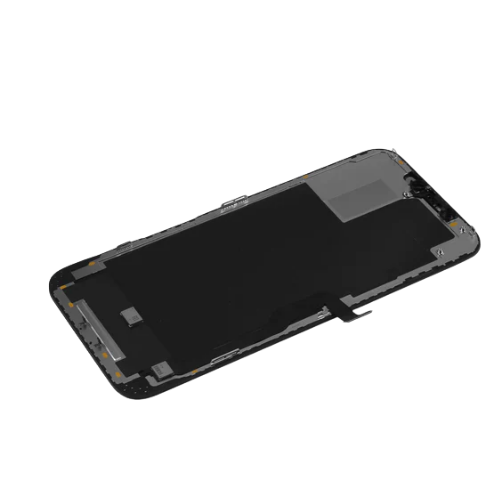
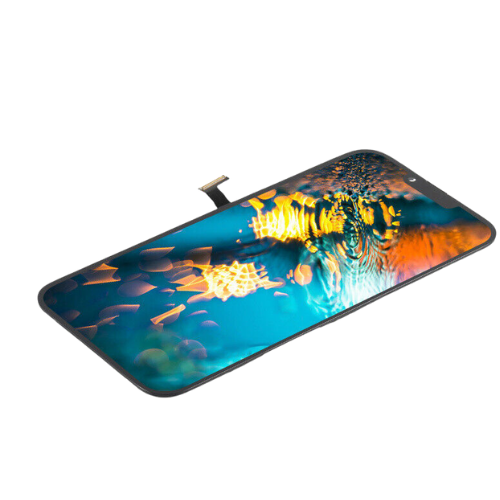
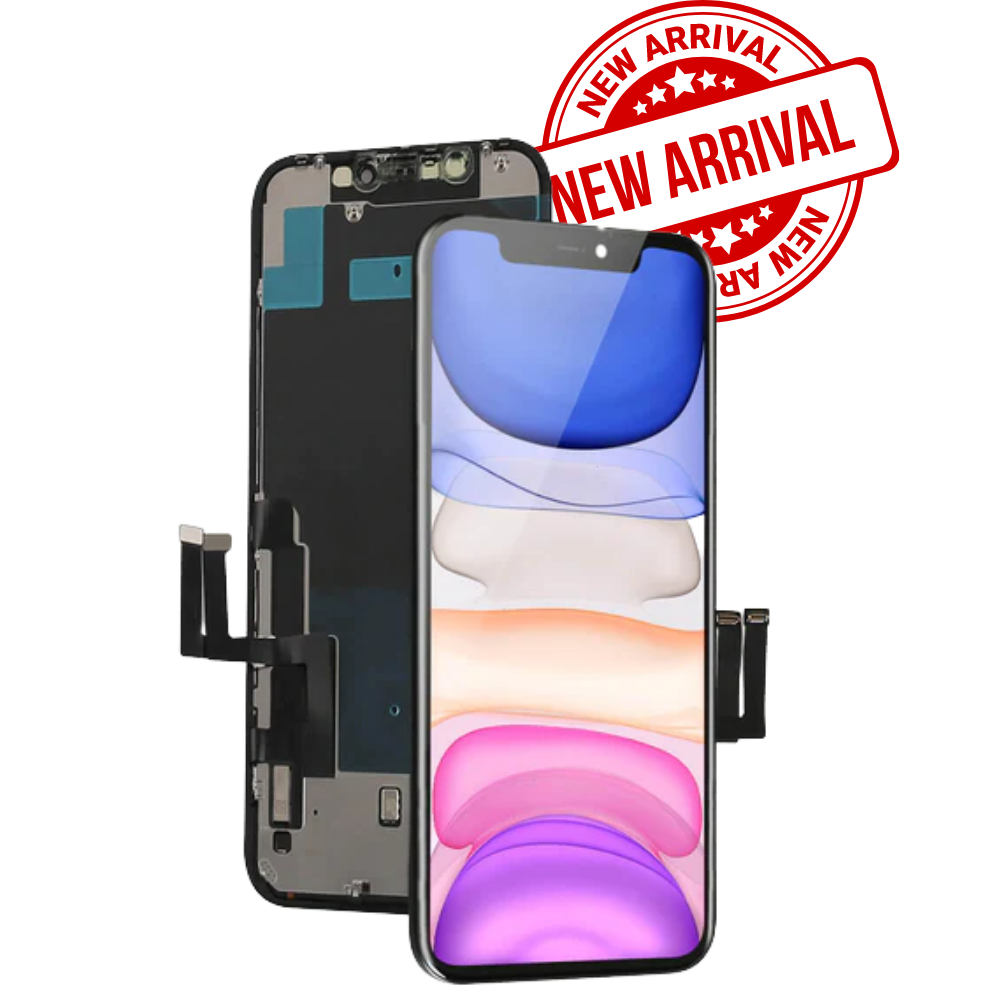
LCD (Taispeántas criostail leachtach) ní scaoileann solas leis féin. Murab ionann agus scáileáin OLED, áit a glows gach picteilín ina n-aonar, Braitheann LCDs go hiomlán ar a córas backlight chun an ciseal criostail leachtach a shoilsiú ón taobh thiar. Cinneann an backlight seo ní hamháin cé chomh geal atá do scáileán ach freisin cé mhéad fuinnimh a úsáideann sé.
Príomh-chomhpháirteanna Modúl Backlight LCD
Foinsí Solais LED
Ag bunús gach modúl backlight atá Soilse (Dé-óid astaithe solais). Soláthraíonn siad an solas amh a chumhachtaíonn an taispeáint.
- Bunúsacha stiúir Bán: Most smartphone LCDs use white LEDs, de ghnáth soilse gorma atá brataithe le fosfar buí chun solas bán cothromaithe a chruthú.
- Imeall-Lit vs. Díreach-lit:
- Dearaí imeall-lit soilse a chur ar imill an phainéil le haghaidh scáileáin ultra-tanaí.
- Dearaí soilsithe díreacha soilse a scaipeadh go cothrom taobh thiar den taispeáint le haghaidh aonfhoirmeacht gile níos fearr.
- Éifeachtúlacht agus Saoil: Cinntíonn soilse ardchaighdeáin gile cobhsaí agus saolré fada agus an t-aschur teasa á íoslaghdú.
Pláta Treoraithe Solais (LGP)
Tá an LGP Tá sé cosúil le mhórbhealaigh éadrom - dáileann sé solas ó na soilse LED go cothrom ar fud an taispeántais ar fad.
- Dearadh Micrimhilseogra: Déantar poncanna nó línte beaga a phriontáil nó a léasair-eitseáilte ar dhromchla an phláta chun solas a scaipeadh ar uillinneacha rialaithe.
- Ábhair: PMMA (aicrileach) is most common for its excellent optical clarity, cé PC (polacarbónáit) cuireann friotaíocht teasa níos fearr.
- Cuspóir: Gan LGP, ní shroichfeadh solas ó na himill an t-ionad go haonfhoirmeach.
Bileog Difuser
Smaoinigh air seo mar an scagaire bog a scaipeann solas go réidh ar fud an scáileáin.
- Feidhm: Cuireann an diffuser deireadh le spotaí geala (ar a dtugtar “spotaí te”) de bharr tiúchan solais LED.
- Comhdhéanamh: Úsáideann sé micrea-cháithníní atá leabaithe i scannáin phlaisteacha chun solas a scaipeadh go cothrom.
- Toradh: Gile comhsheasmhach agus eispéireas compordach amhairc, fiú ag uillinneacha.
Scannán feabhsú gile (BEF)
Is scannán optúil é an BEF atá deartha chun gile a threisiú gan níos mó cumhachta a chaitheamh.
- Prionsabal Optúil: Úsáideann sé struchtúir phriosmatacha a atreoraíonn solas i dtreo an bhreathnóra.
- Rialú Polarúcháin: Bainistíonn roinnt BEFanna polarú freisin chun caillteanais machnaimh a laghdú.
- Trádmharcanna: Cé go méadaíonn gile suas le 60%, féadfaidh an uillinn féachana caolú beagán - ní mór do dhearthóirí cothromaíocht íogair a bhainistiú.
Bileog Frithchaiteora
Curtha ar chúl an mhodúil, an frithchaiteoir cinntíonn sé nach gcuirtear aon solas amú.
- Feidhm: Preabann sé solas strae ar ais i dtreo an LGP le haghaidh athúsáide, feabhas a chur ar éifeachtacht éadrom.
- Cineálacha: Tá scannáin bán PET éifeachtach ó thaobh costais, cé go dtugann sraitheanna airgid-brataithe frithchaiteacht níos airde ach ar phraghas préimhe.
Conas a Oibríonn na Comhpháirteanna seo le chéile
Cosán Solais agus Tiontú
Tosaíonn solas ag na LEDs, ag taisteal tríd an LGP, idirleata go cothrom, cuireann BEF leis, agus scoireann sé ar deireadh tríd na picteilíní LCD. Múnlaíonn gach ciseal, athsheolaidh, agus déanann sé solas a bheachtú - cosúil le damhsa fótóin a bhfuil cóiréagrafaíocht breá déanta air.
Gile Éide a Bhaint Amach
Is ionann aonfhoirmeacht agus gach rud. Micrea-patrúin mionchoigeartaithe dearthóirí, Socrúchán stiúir, agus comhcheangail scannáin chun criosanna dorcha nó athruithe datha a chosc. Tá ról mór anois ag bogearraí insamhalta optúla san optamú seo.
Éifeachtúlacht Cumhachta agus Bainistíocht Theirmeach
Ciorcaid Tiomána LED
Chun gile comhsheasmhach a choinneáil, Tiománaithe reatha seasta rialáil chumhacht LED go beacht. Úsáideann smartphones nua-aimseartha PWM (Modhnú Leithead Pulse) nó DC dimming chun gile a rialú.
- Cuireann PWM rialú fíneáil ar fáil ach d'fhéadfadh sé a bheith ina chúis le flicker.
- DC dimming cuireann sé deireadh le caochaíl ach is féidir leis cur isteach ar chruinneas datha ag gile íseal.
Straitéisí Diomailt Teasa
Gineann soilse stiúir teas, agus laghdaíonn an iomarca de gile agus saolré. Úsáideann monaróirí frámaí alúmanaim, pillíní teirmeacha, agus bileoga graifíte teas a scaipeadh agus a scaipeadh go héifeachtach.
Nuálaíochtaí sa Teicneolaíocht Backlight
Córais Backlight Mini-LED
Úsáideann glúin nua de LCDs Mini-LEDs — na mílte soilse micreascópacha roinnte ina gcriosanna maolúcháin.
- Buntáistí: Codarsnacht níos fearr, Tacaíocht HDR, blacks níos doimhne.
- Toradh: LCDs a théann in iomaíocht le OLEDs i gcáilíocht pictiúr.
Scannán Feabhsúcháin Quantum Dot (QDEF)
Is criostail leathsheoltóra bídeacha iad poncanna chandamach a thiontaíonn solas gorm ina thonnfhaid dearga agus glasa an-íon..
- Éifeacht: Dathanna níos saibhre agus éifeachtacht fuinnimh níos airde.
- Glacadh: Anois caighdeánach i dteilifíseáin LCD ardleibhéil agus fóin chliste préimhe.
Tástáil Aonfhoirmeachta Backlight agus Rialú Cáilíochta
Déantar tástálacha déine ar gach modúl le haghaidh:
- Comhionannas Luminance (comhsheasmhacht gile)
- Teocht Dath (CCT)
- Lochtanna Optúla cosúil le Mura, spotaí, nó scamallú.
Úsáideann monaróirí ardchórais íomháithe agus fhótaiméadrachta chun a chinntiú go gcomhlíonann gach scáileán caighdeáin dhian.
Treochtaí sa Todhchaí i nDearadh Backlight LCD
An bhrú i dtreo níos tanaí, níos éadroime, agus níos éifeachtaí dearaí ar aghaidh. Ag súil le:
- LGPanna ultra-tanaí ag baint úsáide as teicneolaíocht nana-imprint.
- Modúil backlight solúbtha le haghaidh LCDs foldable.
- Taispeántais hibrideach ag cumasc Mini-LED agus LCD buntáistí le haghaidh feistí den chéad ghlúin eile.
Deireadh
Ó coirníní LED go scannáin optúla, gach ciseal sa Modúl backlight LCD oibríonn le chéile chun geal a sheachadadh, faoi mar, agus taispeáint tíosach ar fhuinneamh. Cuidíonn tuiscint na gcomhpháirteanna seo le míniú a thabhairt ar an bhfáth go bhfuil teicneolaíocht LCD - in ainneoin ardú OLED - ina chumhachtaí i bhfóin chliste, le chéile inacmhainneacht, marthanacht, agus cáilíocht amhairc den scoth.
Ceisteanna Coitianta
1. Cad é an príomh-difríocht idir córais backlight OLED agus LCD?
Scaoileann picteilíní OLED a solas féin, cé go bhfuil LCDs ag brath ar mhodúl backlight ar leith.
2. Conas a dhéanann an pláta treorach solais difear do ghile an scáileáin?
Dáileann sé solas LED go cothrom ar fud an phainéil, cosc a chur ar ghile míchothrom.
3. Cén fáth go bhfuil scannán feabhsaithe gile riachtanach?
Méadaíonn sé gile scáileáin go héifeachtach trí solas a atreorú i dtreo an bhreathnóra.
4. Cad é an buntáiste a bhaineann le backlighting Mini-LED?
Tairgeann mion-LEDanna maolú logánta le haghaidh codarsnachta feabhsaithe agus feidhmíocht HDR.
5. Conas a dhéanann monaróirí aonfhoirmeacht backlight a thástáil?
Úsáid braiteoirí optúla agus córais íomháithe chun gile agus comhsheasmhacht dath a thomhas ar fud an phainéil.