Forstå betydningen af Teardown Screen
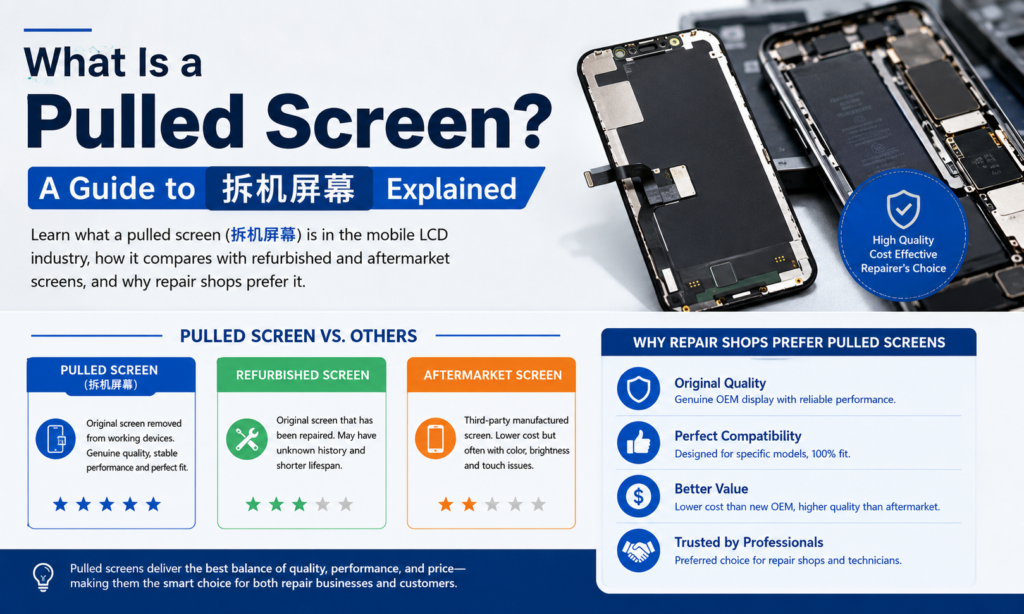
Hvis du har brugt tid på mobiltelefonreparationsfabrikker, engrosmarkeder for reservedele, eller værkstedsdiske i Shenzhen, Guangzhou, eller endda online B2B-platforme, chancerne er, at du har hørt udtrykket "Teardown skærm" smidt meget rundt. Bogstaveligt oversat fra kinesisk, det betyder "afmonteret skærm"—men i den mobile display-industri, de fleste kalder det en trukket skærm.
Så hvad er det helt præcist?
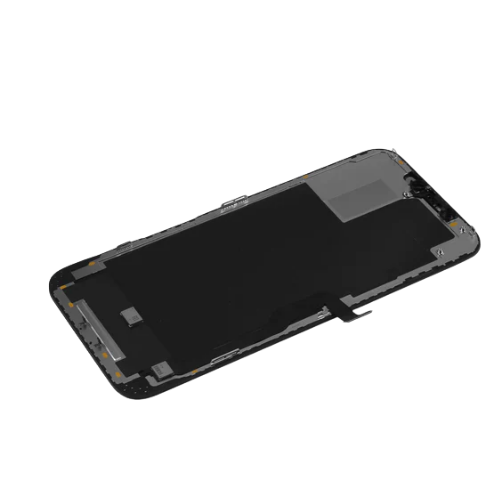
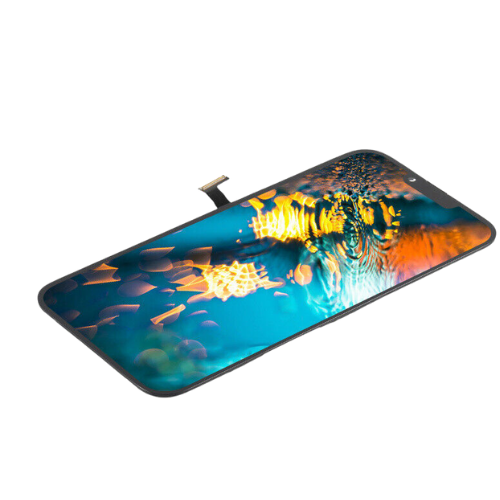
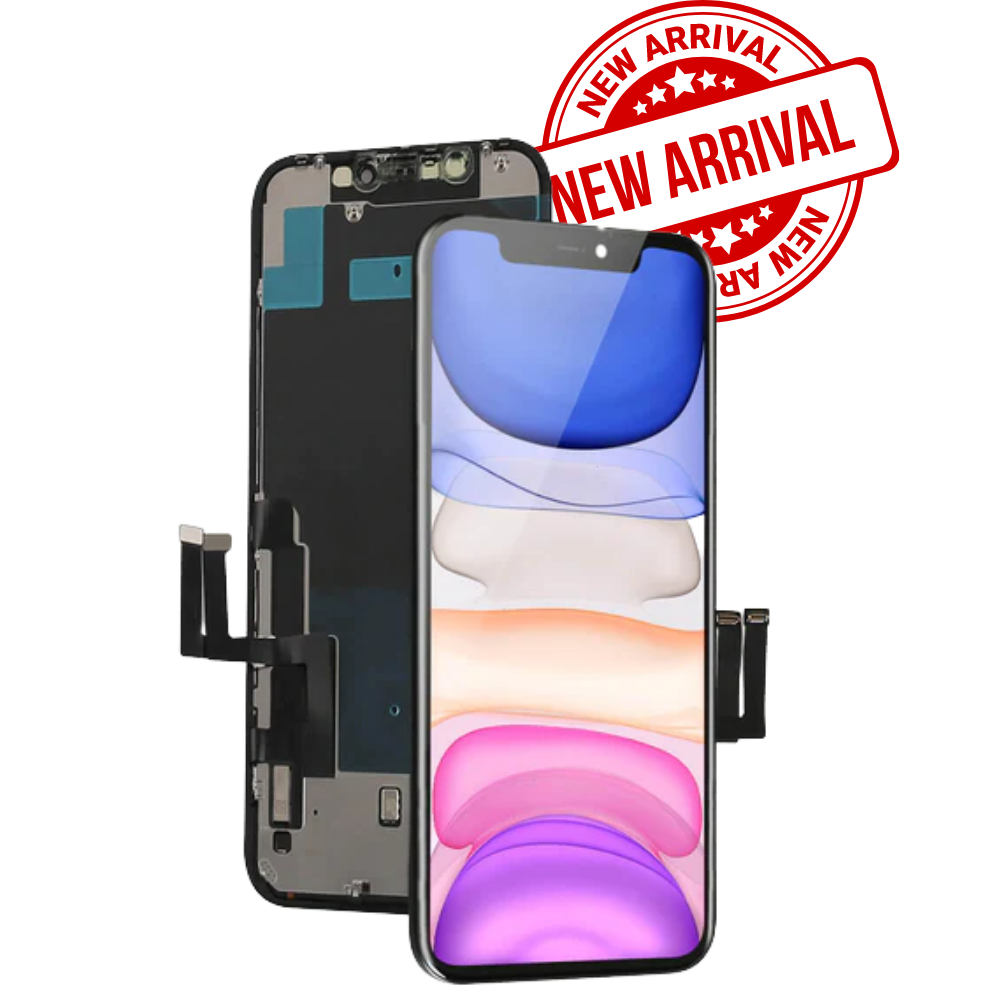
En trukket skærm er en original smartphone-skærm fjernet fra en brugt eller beskadiget telefon. Selve telefonen kan have haft en skade på bundkortet, batteriproblemer, boligskader, eller andre ikke-skærmrelaterede problemer, mens skærmen forblev brugbar. Teknikere fjerner forsigtigt den originale skærmenhed, test det, bedømme det, og videresælge det til reparationsmarkedet.
Tænk på det som at redde en perfekt motor fra en forulykket bil. Køretøjet kan lægges sammen, men motoren kører stadig flot. Det er i bund og grund, hvad en trukket skærm er. Skærmen levede allerede ét liv inde i en telefon, blev fjernet, og får nu et andet liv i en anden reparation.
Dette udtryk er især almindeligt i Kina, fordi Kina er et af verdens største knudepunkter for renovering af smartphone, display genbrug, og distribution af reservedele. Værksteder adskiller ofte skærme i kategorier som f.eks:
| Skærmtype | Mening | Original producentdel | Tilstand |
|---|---|---|---|
| Træk skærm (Demonteringsskærm) | Fjernet fra brugt telefon | Ja | Brugt |
| Renoveret skærm | Originalt panel med udskiftet glas | Ja | Repareret |
| OEM ny skærm | Fabriksny original | Ja | Ny |
| Eftermarkedsskærm | Tredjeparts kopi | Ingen | Ny |
Den skelnen betyder mere, end mange købere er klar over.
Hvorfor udtrykket er almindeligt i Kinas telefonreparationsindustri
Kinas mobile reparationsøkosystem bevæger sig utrolig hurtigt. Millioner af beskadigede smartphones kommer hvert år ind i genbrugs- og renoveringskanaler. Nogle bliver donorenheder. Andre er strippet til genanvendelige komponenter.
Skærme er blandt de mest værdifulde dele.
Da moderne smartphoneskærme er dyre - især OLED-paneler - giver det stærk økonomisk mening at gendanne dem. En revnet iPhone med en fungerende OLED-skærm har stadig betydelig værdi. I stedet for at skrotte det, grossister genopretter skærmen og sælger den.
Det er derfor "拆机屏" blev sådan et standardsprog i branchen.
Trækskærm vs renoveret skærm vs eftermarkedsskærm
Folk blander ofte disse sammen.
EN trukket skærm er original og uberørt, simpelthen fjernet fra en anden telefon.
EN renoveret skærm betyder normalt, at det originale OLED- eller LCD-panel blev bevaret, men knust topglas blev udskiftet gennem laminering og renovering.
An eftermarkedsskærm er nyproduceret af en tredjepartsproducent og er ikke original til mærket.
Denne forskel ændrer alt - fra lysstyrke til berøringsrespons til farvenøjagtighed.
Hvor pulled screens kommer fra
Trækskærme vises ikke på magisk vis i varehuse. De kommer fra en overraskende stor og sofistikeret sekundær enhedsforsyningskæde.
Bjærget fra brugte telefoner
Den mest almindelige kilde er donortelefoner.
Disse enheder kan have:
- døde bundkort
- vandskade
- beskadiget opladnings-IC
- bøjede rammer
- dårlige batterier
- låste enheder
- problemer med operatørens sortliste
Men skærmen virker stadig.
Teknikere adskiller skærmen, køre funktionstest, og hvis den består inspektionen, den kommer på lager.
Gendannet fra bytte- og renoveringskanaler
Det renoverede smartphone-marked fortsætter med at vokse globalt.
Counterpoint Research rapporterede, at det globale marked for renoverede smartphones voksede 5% år over år i 2024, med Apple øger sin andel til 56%.
Denne vækst strømmer direkte ind på markedet for pulled screen.
Flere indbytter betyder, at flere brugte telefoner kommer ind i behandlingscentre. Flere brugte telefoner betyder mere genskabelige originale skærme.
Brancheanalytikere vurderer også det brugte smartphone-marked, der er genereret omkring $83 milliard i omsætning for nylig, gør genbrugte komponenter stadig mere værdifulde.
Hvorfor værksteder foretrækker pulled screens
Original skærmkvalitet
Dette er den største grund.
En trukket skærm er stadig den mærkets originale display.
Det betyder:
- original lysstyrke
- original OLED kontrast
- fabriksfarvekalibrering
- indfødt opdateringsadfærd
- original touch IC
- korrekte sensorudskæringer
- korrekt rammestørrelse
Sammenlignet med mange eftermarkedsalternativer, forskellen kan føles nat og dag.
En billig eftermarkeds-LCD føles ofte som at lytte til en komprimeret MP3. En trukket original skærm føles som at lytte til studiemesteren.
Du bemærker det med det samme.
Bedre kompatibilitet med Face ID, fingeraftryk, og røre ved
Kompatibilitet er en anden stor fordel.
Moderne skærme er dybt integreret med software og hardware:
- Face ID flex justering
- fingeraftrykssensorer under skærmen
- omgivende lyssensorvinduer
- True Tone kalibrering
- touch controller firmware
Brug af en original trukket skærm reducerer kompatibilitetsoverraskelser.
Reparationssamfund fortsætter med at rapportere, at originale eller trukket skærme generelt opfører sig mere forudsigeligt end billige eftermarkedsudskiftninger, især på OLED-flagskibsmodeller.
Kvalitetsklassificering af pulled screens
Ikke alle trukket skærme er lige.
Det er derfor, leverandørerne bedømmer dem.
A-klasse
Betyder normalt:
- ingen ridser eller meget mindre slitage
- ingen døde pixels
- ingen indbrænding
- fuld touch funktion
- fremragende kosmetisk udseende
Disse befaler premium-priser.
B-klasse
Kan omfatte:
- lette ridser
- mindre trykmærker
- lille kosmetisk slid
Funktionaliteten er fortsat god.
Skærme med indbrænding eller mindre defekter
OLED-indbrænding er almindelig.
Især med:
- statuslinjens skygger
- tastatur spøgelse
- TikTok UI brænding
- bevarelse af navigationslinjen
Disse sælges billigere og går ofte til budgetrenoveringsenheder.
Spørg altid leverandører om:
- indbrændte billeder på hvid baggrund
- sort skærm test
- berøringsgitter test
- lysstyrke test
- True Tone eller fingeraftryksbekræftelse
Pulled Screen vs New OEM Screen
En helt ny OEM-skærm er ideel - men dyr.
Trækskærme eksisterer på grund af det prisgab.
| Feature | Træk skærm | OEM ny skærm |
|---|---|---|
| Original producent del | Ja | Ja |
| Tidligere brugt | Ja | Ingen |
| Pris | Sænke | Højere |
| Kosmetisk slid | Mulig | Ingen |
| Præstation | Meget tæt på originalen | Original |
Til mange værksteder, valget kommer ned til økonomi.
Hvis OEM nye omkostninger $150 og en testet trukket skærm koster $95, mange kunder vælger pulled-muligheden.
Pulled Screen vs Aftermarket LCD
Denne sammenligning er, hvor tingene bliver interessante.
Lysstyrke, farve, og berøringsydelse
Eftermarkedsskærme kan variere voldsomt.
Nogle er anstændige.
Nogle er forfærdelige.
Nylige købsvejledninger til reparationsindustrien bemærker, at OLED'er på eftermarkedet ofte opnår nogenlunde 85-90% farvenøjagtighed kontra originale skærme, mens erstatnings-LCD'er i lavere ende kan falde meget lavere afhængigt af kvalitetsniveau.
Fælles forskelle omfatter:
- lavere lysstyrke
- køligere hvide
- fattigere sorte
- tykkere rammer
- laggy berøring
- reduceret opdateringsglathed
Trakne originale skærme overgår normalt dem.
Langtidsholdbarhed
Holdbarhed kan også favorisere trukket skærme.
Hvorfor?
Fordi det originale panel blev designet specifikt til den telefon af producenten.
Eftermarkedsdele reducerer nogle gange omkostningerne:
- glasstyrke
- flex kabelkvalitet
- klæbemidler
- IC kvalitet
Det betyder ikke, at enhver eftermarkedsskærm er dårlig.
Men konsistens er sværere at garantere.
Risici købere bør kende før køb
Trækskærme er fremragende - men ikke risikofrie.
Skjulte skader og indbrænding
Potentielle problemer omfatter:
- OLED indbrænding
- røre ved døde punkter
- løftet ramme
- svækket flex
- forudgående reparationsskader
- trykmærker
Gode leverandører vil oplyse disse.
Dårlige leverandører vil ikke.
Leverandørpålidelighed
Dette betyder næsten mere end selve skærmen.
Køb fra leverandører, der leverer:
- QC videoer
- garanti
- returpolitik
- karakterstandarder
- rigtige billeder
- serialiseret mærkning
Uden det, at købe pulled screens kan føles som at købe mystery boxes.
Og ingen kan lide dyre overraskelser.
Sådan identificeres en højkvalitets trukket skærm
Her er en praktisk inspektionstjekliste, som købere bruger.
Inspektionstjekliste
Før du køber:
- kontrollere modelnummeret
- test lysstyrkens ensartethed
- tjek døde pixels
- efterse flexkabel
- inspicer stikben
- test berøring på tværs af hele panelet
- inspicer OLED-indbrænding på hvid skærm
- inspect scratches under direct light
- verify Face ID or fingerprint compatibility
- request warranty terms
Hvis det er muligt, ask for video testing.
A quick test video often tells more than ten product photos.
Market Trends in 2025–2026 for Pulled Smartphone Screens
The pulled-screen business is riding a larger industry wave.
Consumers are keeping phones longer.
Repairing instead of replacing.
Buying refurbished instead of new.
That shifts demand toward reusable original parts.
Industry data shows global refurbished smartphone sales continued rising into 2025, growing around 3–5% year-over-year, even while new-device growth remained slower in many markets.
That trend supports demand for:
- trukket skærme
- original housings
- used camera modules
- reclaimed batteries
- renoverede displays
Sustainability plays a role too.
A reused screen means:
- less e-waste
- lavere produktionsefterspørgsel
- lavere reparationsomkostninger
- længere levetid på enheden
På mange måder, trukket skærme sidder lige i krydset mellem reparationsevne, overkommelighed, og bæredygtighed.
Konklusion
Udtrykket "Teardown skærm", eller trukket skærm, er et af de vigtigste begreber i smartphone reparationsskærmindustrien.
Det er enkelt på papiret: en original skærm fjernet fra en anden enhed.
Men i praksis, det repræsenterer et massivt globalt økosystem bygget op omkring reparation, genbruge, og forlænger elektronikkens levetid.
Til værksteder, pulled screens tilbyder et sweet spot imellem pris og kvalitet.
For kunder, de giver ofte en bedre seeroplevelse end billigere eftermarkedskopier.
For industrien, de hjælper med at holde millioner af skærme væk fra lossepladser og tilbage i folks hænder.
Hvis du køber nye smartphone-skærme - især til iPhone, Samsung, eller andre premium-modeller – at forstå, hvad en trukket skærm er, kan spare penge, forbedre reparationskvaliteten, og hjælpe dig med at undgå at købe den forkerte del.
Og nogle gange, den bedste skærm er ikke den nyeste.
Det er den originale, der får en ny chance.
FAQS
1. Er en trukket skærm original?
Ja. En trukket skærm er en original producentskærm fjernet fra en brugt enhed.
2. Er en pulled screen bedre end en eftermarkedsskærm?
Normalt ja. Trækskærme giver generelt bedre lysstyrke, farve, og røre ved ydeevne, fordi de er originale.
3. Betyder en trukket skærm, at den er blevet repareret?
Ikke nødvendigvis. Det kan simpelthen være blevet fjernet fra en anden telefon. Det er anderledes end en renoveret skærm.
4. Kan trukket skærme har indbrænding?
Ja. Især OLED-trukket skærme. Undersøg altid før køb.
5. Hvorfor er pulled screens billigere end OEM nye skærme?
Fordi de bliver brugt. Selvom de er originale, tidligere brug sænker deres videresalgspris.