Prečo je dôležité pochopiť LCD obrazovky
Keď si ľudia kúpia smartfón, zvyčajne venujú pozornosť spracovateľovi, fotoaparát, batérie, alebo skladovacia kapacita. Prekvapivo, jedna z najdôležitejších súčastí – displej – je často prehliadaná. Obrazovka je však súčasťou, s ktorou komunikujete každý deň. Či už čítate e-maily, pozeranie videí, prehliadanie sociálnych médií, alebo hranie hier, váš displej určuje, aký príjemný a pohodlný bude váš zážitok.
Aj keď sú OLED displeje čoraz populárnejšie aj vo vlajkových smartfónoch, LCD obrazovky naďalej dominujú mnohým cenovo dostupným zariadeniam a zariadeniam strednej triedy pretože poskytujú spoľahlivý výkon, nižšie výrobné náklady, a vynikajúca odolnosť. Priemyselní analytici uvádzajú, že OLED prekonal 60% zásielok smartfónov, ale lacné telefóny LCn a globálny trh opráv.
Poďme preskúmať 10 fascinujúce fakty o LCD obrazovkách smartfónov ktoré by mal vedieť každý používateľ.
Fakt #1 – Displej LCD sám o sebe nevyžaruje svetlo
Mnoho ľudí verí, že farebné obrázky na obrazovke LCD pochádzajú priamo zo samotných pixelov. V skutočnosti, to nie je pravda.
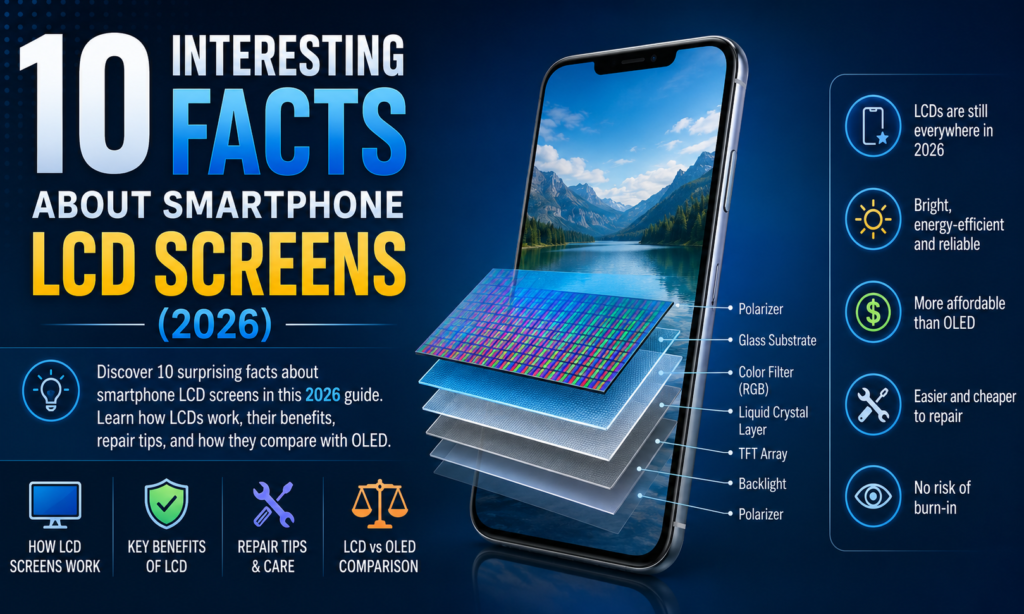
LCD znamená Kvapalina. Na rozdiel od technológie OLED, LCD pixely nemôžu vyžarovať svetlo nezávisle. Namiesto toho, výkonné LED podsvietenie je umiestnené za displejom a svieti cez milióny buniek tekutých kryštálov. Tieto kryštály sa otáčajú a otáčajú, aby kontrolovali, koľko svetla prechádza každým pixelom, vytváranie obrázkov, ktoré vidíte.
Ako funguje podsvietenie
Predstavte si LCD ako okno s nastaviteľnými žalúziami. Podsvietenie vonku pôsobí ako slnečné svetlo, zatiaľ čo tekuté kryštály fungujú ako malé okenné žalúzie, ktoré sa otvárajú a zatvárajú na ovládanie jasu a farby.
Pretože LCD sa vždy spolieha na podsvietenie, čierne plochy nie sú nikdy úplne čierne. To je jeden z dôvodov, prečo OLED poskytuje hlboký jas a nižšie výrobné náklady.
Fakt #2 – IPS LCD je oveľa lepší ako tradičný TFT LCD
Nie všetky LCD obrazovky sú rovnaké.
Bežne používané staršie smartfóny TFT LCD panelov, ktoré boli lacné, ale trpeli úzkymi pozorovacími uhlami a vyblednutými farbami. Bežne používajú moderné smartfóny IPS LCD (Prepínanie v rovine) technológie, čo výrazne zlepšuje kvalitu obrazu.
Pozorovacie uhly a presnosť farieb
IPS LCD panely umožňujú používateľom sledovať obrazovku takmer z akéhokoľvek uhla bez výrazného skreslenia farieb. Poskytujú tiež presnejšiu reprodukciu farieb, vytváranie fotografií, videá, a webové stránky vyzerajú oveľa prirodzenejšie.
Dnes, IPS LCD sa stal štandardnou technológiou LCD pre spoľahlivosť smartfónov, a cenová dostupnosť je mimoriadne dobrá.
Fakt #3 – Vyššie rozlíšenie neznamená vždy lepšie zobrazenie
Mnoho kupujúcich automaticky predpokladá, že vyššie rozlíšenie rovná sa lepšia obrazovka.
Zatiaľ čo Full HD+, 2Klimatizovať, a dokonca aj rozlíšenia 4K znejú pôsobivo, hustota pixelov (PPI) často záleží viac ako na surovom rozlíšení. Raz smartfón dosiahne zhruba 400– 500 pixelov na palec, pri bežnom používaní je pre ľudské oko takmer nemožné rozlíšiť jednotlivé pixely.
Namiesto honby za najvyšším rozlíšením, hodnotiť by mali aj spotrebitelia:
| Funkcia | Prečo na tom záleží |
|---|---|
| Jas | Lepšia viditeľnosť vonku |
| Presnosť farieb | Prirodzenejšie obrázky |
| Kontrast | Vylepšený zážitok zo sledovania |
| Obnovovacia frekvencia | Plynulejšie rolovanie |
| Dotknite sa možnosti Odpoveď | Lepší herný zážitok |
Vyvážený displej ponúka zážitok, než len mať viac pixelov. citujteotočte0hľadajte5otočte0hľadajte2
Fakt #4 – Jas je dôležitejší, ako si mnohí ľudia uvedomujú
Už ste niekedy mali problém s čítaním telefónu pri jasnom slnečnom svetle?
Problémom často nie je riešenie – je jas obrazovky.
Pochopenie Nits
Jas sa meria v hnidy.
Vo všeobecnosti:
- 400–500 nits = prijateľné v interiéri
- 500–700 nits = dobrá viditeľnosť vonku
- 800+ hnidy = vynikajúce slnečné žiarenie
Moderné IPS LCD displeje dokážu dosiahnuť pôsobivý trvalý jas, vďaka čomu sú obzvlášť praktické pre pracovníkov vonku, doručovateľ často používa svoj telefón na priamom slnečnom svetle.
Fakt #5 – LCD obrazovky nezaznamenávajú trvalé vypaľovanie
Jednou z najväčších výhod LCD je jeho odolnosť voči vypálenie obrazovky.
Vypálenie nastane, keď statické obrázky zostanú viditeľné aj po dlhšom zobrazení. Pretože pixely LCD sa spoliehajú skôr na zdieľané podsvietenie než na samovyžarujúce svetlo, trvalé vyhorenie je extrémne zriedkavé.
Vďaka tomu sú LCD displeje vynikajúcou voľbou pre používateľov, ktorí často zobrazujú:
- GPS navigácia
- Statické prístrojové dosky
- Obchodné aplikácie
- Monitorovanie bezpečnosti
- Systémy na mieste predaja
Displeje OLED poskytujú bohatšie zachovanie obrazu za určitých podmienok.
Fakt #6 – Rozbité sklo nemusí vždy znamenať, že LCD je rozbitý
Mnoho majiteľov smartfónov po páde svojich telefónov prepadá panike.
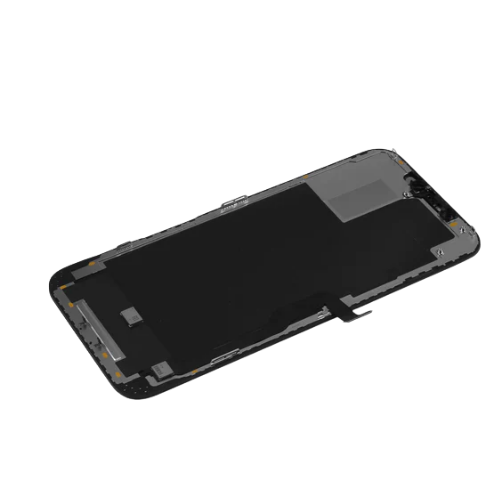
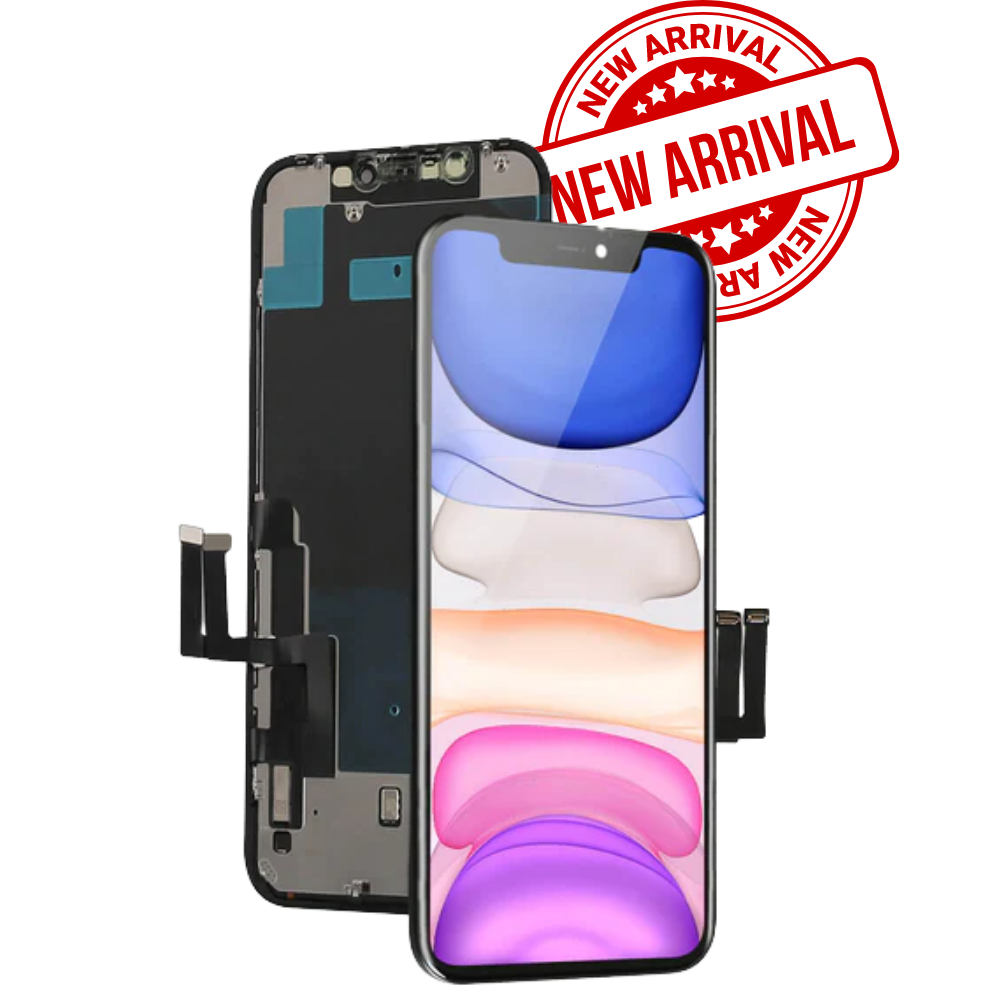
Našťastie, predné sklo, dotykový digitizér, a LCD panel sú rôzne komponenty.
Sklo vs LCD vs dotykový panel
Môže mať poškodený telefón:
| Komponent | Symptómy |
|---|---|
| Predné sklo | Iba praskliny |
| Dotyk digitalizátora | Dotyk prestane fungovať |
| LCD panel | Čierne škvrny, farebné čiary, žiadny displej |
Ak je prasknuté iba sklo, zatiaľ čo displej a dotyk zostávajú normálne, opravy môžu stáť podstatne menej ako výmena kompletnej zostavy displeja.
Profesionálni technici vždy pred odporúčaním opravy diagnostikujú, ktorá vrstva zlyhala.
Fakt #7 - Lacné náhradné LCD obrazovky sa môžu výrazne líšiť v kvalite
Nie každá náhradná obrazovka ponúka rovnaký výkon.
Nízkonákladové displeje na trhu s náhradnými dielmi môžu trpieť:
- Nižší jas
- Slabá kalibrácia farieb
- Pomalšia odozva na dotyk
- Vyššia spotreba energie
- Kratšia životnosť
Prémiové náhradné obrazovky alebo náhradné obrazovky v kvalite OEM vo všeobecnosti poskytujú lepšiu odolnosť a používateľský zážitok oveľa bližšie k pôvodnému displeju. Profesionáli v oblasti opravy neustále odporúčajú zamerať sa výlučne na cenu.
Fakt #8 – Poškodenie vodou nemusí LCD okamžite zabiť
Mnoho používateľov verí, že ak telefón po namočení stále funguje, všetko je v poriadku.
V skutočnosti, vlhkosť môže pomaly korodovať konektory displeja, integrované obvody, a komponenty podsvietenia v priebehu dní alebo dokonca týždňov.
Medzi bežné varovné signály patrí:
- Blikajúci displej
- Náhodné čierne škvrny
- Vertikálne čiary
- Nerovnomerný jas
- Zlyhanie dotyku
Okamžité vysušenie a odborná kontrola výrazne zvyšujú šancu zabrániť trvalému poškodeniu.
Fakt #9 - Chrániče obrazovky zabraňujú predovšetkým poškriabaniu
Ochranný kryt z tvrdeného skla je mimoriadne užitočný – má však obmedzenia.
Chráni pred:
- Keys
- Mince
- Častice piesku
- Každodenné škrabance
Avšak, to nemôže zaručiť ochranu pred silnými nárazmi. Silný pád môže stále prasknúť vnútorný panel LCD, aj keď chránič obrazovky zostane neporušený.
Najlepšia ochrana sa spája:
- Tvrdené sklo
- Nárazuvzdorné puzdro na telefón
- Opatrné zaobchádzanie
Fakt #10 – Dobré denné návyky môžu predĺžiť životnosť LCD
LCD obrazovky sú pri správnej údržbe prekvapivo odolné.
Medzi jednoduché návyky patrí:
- Nevystavujte telefón extrémnemu teplu.
- Udržujte nabíjací port suchý.
- Displej čistite handričkou z mikrovlákna.
- Vyhnite sa sedeniu pri telefóne.
- Používajte kvalitné nabíjačky, aby ste predišli elektrickej nestabilite.
- Zariadenie skladujte v ochrannom obale.
Tieto malé návyky môžu výrazne znížiť náhodné poškodenie a predĺžiť životnosť displeja vášho smartfónu.
LCD vs OLED: Rýchle porovnanie
| Funkcia | IPS LCD | OLED |
|---|---|---|
| Svetelný zdroj | LED podsvietenie | Samovyžarujúce pixely |
| Úroveň čiernej | Dobre | Výborne |
| Vonkajší jas | Výborne | Výborne |
| Riziko popálenia | žiadne | možné |
| Náklady na opravu | Nižšia | Vyššie |
| Výrobné náklady | Nižšia | Vyššie |
| Účinnosť batérie | Stabilný | Závisí od obsahu |
| Hrúbka | Hrubšie | Tenšie |
Zatiaľ čo OLED dominuje prémiovým smartfónom, IPS LCD zostáva výnimočným každodenným výkonom. citujteotočte0hľadajte0otočte0hľadajte1otočte0hľadajte3
Záver
Technológia LCD smartfónov sa za posledné dve desaťročia dramaticky vyvinula. Dnešné IPS LCD displeje ponúkajú živé farby, široké pozorovacie uhly, vynikajúci jas, a spoľahlivý výkon, ktorý uspokojí milióny používateľov na celom svete. Hoci OLED naďalej expanduje do vlajkových zariadení, LCD zostáva základnou technológiou pre lacné smartfóny, vzdelávacie zariadenia, obchodné vybavenie, a globálny opravárenský priemysel.
Pochopenie týchto desiatich faktov pomáha spotrebiteľom robiť inteligentnejšie nákupné rozhodnutia, vyberte si kvalitnejšie náhradné obrazovky, a lepšie chrániť svoje zariadenia. Či už kupujete nový telefón alebo opravujete starý, Vedieť, ako funguje technológia LCD, vám umožňuje vyvážiť výkon, trvanlivosť, a náklady s dôverou.
Často kladené otázky
1. Je IPS LCD lepší ako TFT LCD?
Áno. IPS LCD poskytuje širšie pozorovacie uhly, lepšia presnosť farieb, a lepšia kvalita obrazu v porovnaní s tradičným TFT LCD.
2. Môžu sa LCD obrazovky vypáliť?
Trvalé vypálenie je na LCD displejoch extrémne neobvyklé, pretože používajú samostatné podsvietenie namiesto samovyžarujúcich pixelov.
3. Prečo sú náhradné LCD obrazovky lacnejšie ako OLED?
Výroba LCD je vyspelejšia a lacnejšia, čím sú opravy výrazne dostupnejšie.
4. Môže mať prasknutá obrazovka stále funkčný LCD?
Áno. Niekedy sa rozbije iba predné sklo, zatiaľ čo LCD a dotykové funkcie zostávajú plne funkčné.
5. Ako môžem predĺžiť životnosť obrazovky LCD?
Používajte kvalitné puzdro na telefón, nainštalujte ochranu z tvrdeného skla, vyhýbajte sa vode a extrémnym teplotám, a pravidelne čistite displej handričkou z mikrovlákna.