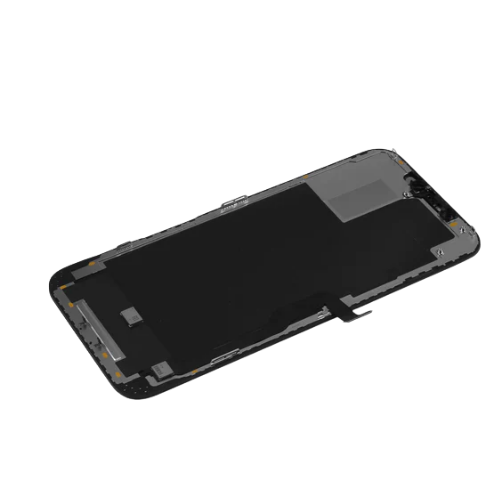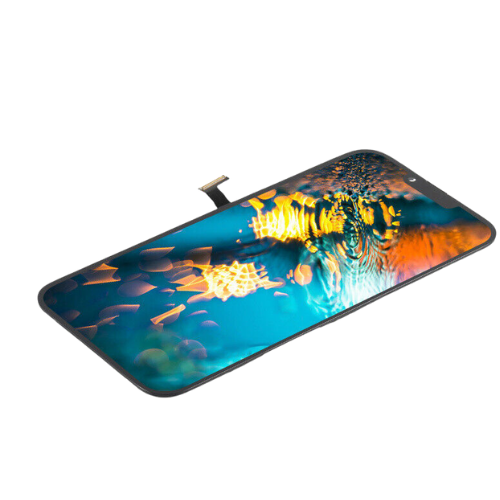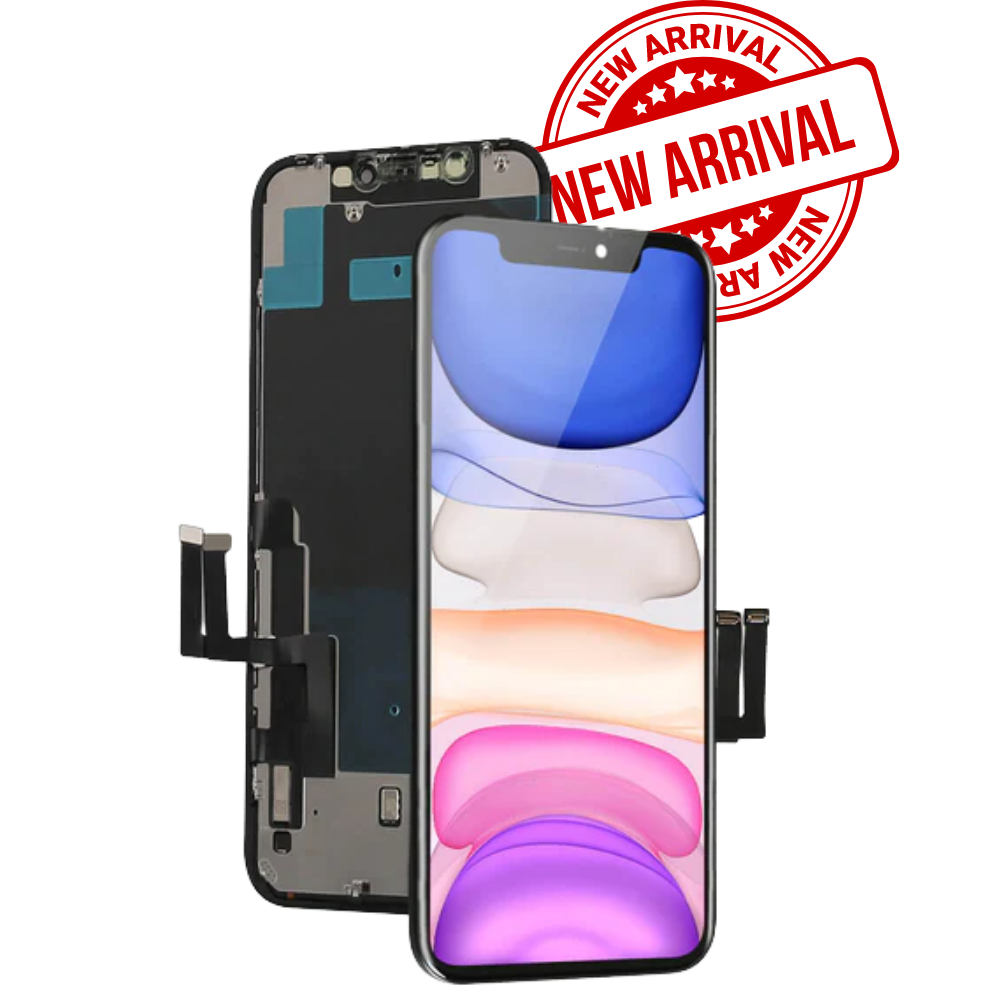

Pokud plánujete nákup nebo výměnu obrazovky smartphonu Redmi, pochopení technologií obrazovky, výkonové specifikace, a nákup kanálů je rozhodující pro správnou volbu. Tato příručka rozebírá vše – od typů obrazovek po tipy pro zadávání zakázek – takže si můžete s jistotou vybrat ten nejlepší displej Redmi pro vaše potřeby..
1. Pochopení typů obrazovek a technických rozdílů
Smartphony Redmi se dodávají v různých modelech s různými technologiemi obrazovky. Chcete-li učinit nejlepší rozhodnutí o nákupu, Podívejme se podrobně na to, jak se technologie LCD a OLED liší a jak je Redmi aplikuje ve svých produktových řadách.
1.1 LCD vs. OLED: Přehled technologie
LCD (Displej z tekutých krystalů) a OLED (Organická světelná dioda) představují dvě hlavní zobrazovací technologie v chytrých telefonech.
- LCD spoléhá na podsvícený panel, který osvětluje molekuly tekutých krystalů.
- OLED využívá organické sloučeniny, které nezávisle vyzařují světlo, eliminuje potřebu podsvícení.
Každý přichází s odlišnými výhodami a kompromisy.
1.2 Výhody a nevýhody LCD obrazovek
Výhody:
- Nižší náklady
- Delší životnost
- Žádné blikání při nízkém jasu
- Stabilnější vyvážení bílé
Nevýhody:
- Nelze dosáhnout čistě černé
- Nižší kontrastní poměr
- Obvykle tlustší než OLED
- Omezené pozorovací úhly ve srovnání s OLED
1.3 Výhody a nevýhody OLED obrazovek
Výhody:
- Vyšší kontrast a skutečná černá
- Lepší sytost barev
- Tenčí a pružnější
- Podporuje funkce jako Always-On Display
- Rychlejší doba odezvy pixelů (skvělé pro hraní her)
Nevýhody:
- Vyšší náklady
- Možné blikání nízkého jasu (PWM)
- Možnost spálení po dlouhodobém používání
1.4 Konfigurace obrazovek napříč produktovými řadami Redmi
Různé řady Redmi používají různé typy zobrazení v závislosti na cílových uživatelích a rozpočtu.
Série čísel Redmi (např., Redmi 13C)
- Především LCD obrazovky
- HD+ rozlišení
- 60Hz frekvence
- Navrženo pro uživatele na základní úrovni a nákladovou efektivitu
Redmi Note Series (např., Poznámka 13 Rodina)
- Směs z LCD a OLED
- Modely střední třídy nabízejí 90 Hz–120 Hz
- Pro varianty používají FHD+ OLED s vysokým dotykovým vzorkováním
- Perfektní všestranní
Série Redmi K. (např., Řada K70)
- Plný Vlajkové obrazovky OLED
- Vysoké rozlišení až 2K
- 120Hz obnovovací frekvence
- Silné HDR a špičkový jas
- Ideální pro hráče a milovníky médií
1.5 Srovnávací tabulka: LCD vs. OLED & Série Redmi
| Série | Typ obrazovky | Rezoluce | Obnovovací frekvence | Poznámky |
|---|---|---|---|---|
| Série čísel Redmi | LCD | HD+ | 60Hz | Vstupní úroveň, odolný |
| Redmi Note Series | LCD / OLED | FHD+ | 90-120 Hz | Vyvážený výběr |
| Série Redmi K. | OLED | FHD+–2K | 120Hz | Zážitek z vlajkové lodi |
2. Vysvětlení klíčových parametrů výkonu obrazovky
Výběr obrazovky Redmi není jen o LCD vs. OLED – záleží také na výkonových specifikacích.
2.1 Rezoluce & Hustota pixelů (PPI)
- HD+ (720p): Základní přehlednost, používá se u rozpočtových modelů
- FHD+ (1080p): Standardní pro většinu telefonů Redmi
- 2K/WQHD+: Nalezeno na vlajkových lodích řady K
Vyšší PPI (Pixely na palec) = ostřejší vizuální detaily.
Cokoli výše 400 PPI je již pro většinu uživatelů „sítnice“..
2.2 Obnovovací frekvence & Klepněte na Vzorkovací frekvence
- 60Hz: Standardní hladkost
- 90Hz: Znatelně lepší
- 120Hz: Velmi hladké, skvělé pro hraní her
Vzorkovací frekvence dotyku určuje odezvu:
- 240Hz a vyšší poskytuje lepší přesnost pro hry
- Vyšší samplování snižuje vstupní zpoždění a duchy
2.3 Úrovně jasu & Možnost HDR
Jasnější obrazovka znamená:
- Lepší venkovní viditelnost
- Dynamičtější výkon HDR
Redmi střední a vlajkové modely obvykle přesahují 1000 hnidy špičkový jas.
2.4 Přesnost barev, Gamut, a Kvalita zobrazení
Hledat:
- DCI-P3 barevný gamut
- Delta E < 2 pro věrné barvy
- Více barevných režimů (Norma, Živý, Profesionální)
Pokud milujete fotografování nebo sledování filmů, na těchto vlastnostech záleží.
3. Kanály zadávání veřejných zakázek & Identifikace kvality
Obrazovky Redmi si můžete koupit na různých místech – ale ne všechny jsou stejně spolehlivé.
3.1 Oficiální obchod Xiaomi & Autorizovaná servisní střediska
Nejlepší pro:
- Originální díly
- Záruční ochrana
- Profesionální instalace
Počítejte s mírně vyššími cenami, ale zaručenou kvalitou.
3.2 Jak rozpoznat originální a vysoce kvalitní obrazovky
Vizuální kontrola
- Jednotné okraje
- Žádné zbytky lepidla
- Barevná konzistence s originálním zařízením
Testování displeje
Vyzkoušejte čisté barvy:
- Červený, zelený, modrý, bílý, černý
Zkontrolujte: - Mrtvé pixely
- Barevný odstín
- Nerovnoměrný jas
Klepněte na Testování odezvy
- Zajistěte přesnou detekci hran
- Žádné zpoždění nebo zmeškané dotyky
Výkon otisků prstů na displeji (Pokud je to možné)
- Otestujte rychlost odemykání
- Otestujte přesnost při slabém osvětlení a různých polohách prstů
4. Doporučení pro různé skupiny uživatelů
Ne všichni uživatelé potřebují stejný typ obrazovky. Zde je to, co vám nejlépe vyhovuje.
4.1 hráči
Hledat:
- 120Hz OLED
- 240Hz+ dotykové vzorkování
- Vysoký jas
- Byt (nezakřivené) displeje, abyste se vyhnuli náhodným dotykům
Nejlepší výběry:
- Řada Redmi K
- Varianty Redmi Note Pro
4.2 Milovníci videa/médií
Priority:
- OLED displej
- HDR10+ a Dolby Vision
- Vysoká přesnost barev
- Rozlišení FHD+ nebo 2K
Obrazovky řady K nabízejí kvalitu jako v kině.
4.3 Každodenní uživatelé a kancelářští pracovníci
Soustřeďte se na:
- Pohodlí pro oči
- Stabilní jas
- Obrazovky s dlouhou životností
Nejlépe sedí:
- Vysoce kvalitní LCD nebo OLED s vysokofrekvenčním PWM (1920Hz+)
- Série Redmi Note
4.4 Studenti, kteří si uvědomují rozpočet
Vaše nejlepší sázka:
- LCD obrazovky
- Redmi Number Series nebo Note standardní edice
Cenově dostupné na nákup a levnější na opravu.
4.5 Souhrnná tabulka
| Typ uživatele | Klíčové potřeby | Doporučená obrazovka | Nejlepší série Redmi |
|---|---|---|---|
| hráči | Hladký & citlivý | 120Hz OLED | Řada K, Poznámka Pro |
| Milovníci médií | Barva & kontrast | HDR OLED | Řada K |
| Každodenní používání v kanceláři | Pohodlí pro oči | DC stmívání OLED / LCD | Note Series |
| Studenti | Nízká cena | LCD s vysokou obnovovací schopností | Číslo / Poznámka |
5. Budoucí trendy & Nákupní strategie
Redmi neustále vylepšuje zobrazovací technologie. Zde jsou trendy, které je třeba sledovat.
5.1 Trendy LTPO a adaptivní obnovovací frekvence
Brzy, přijme více zařízení střední třídy Redmi:
- LTPO JSTE
- 1– Inteligentní obnova 120 Hz
To výrazně snižuje vybíjení baterie.
5.2 Vyšší jas & Pokročilá ochrana očí
Očekávat:
- 1500+ NITS Vrcholný jas
- 1920Hz nebo 2160Hz PWM stmívání
- Vylepšené režimy slabého modrého světla
5.3 Návrhy na celou obrazovku & Kamery pod displejem
Během dalších let:
- Vzory děrování vyblednou
- Technologie pod displejem se rozšíří do řady K
5.4 Nejlepší čas na nákup & Cenové rozpětí
Koupit během:
- 618
- Dvojnásobek 11
- Spouští se nový model
Typické náklady na výměnu obrazovky:
- LCD číselné řady Redmi: 200–400 jenů
- Redmi Note OLED: 500–800 jenů
- OLED Redmi řady K: 800–1200 jenů
5.5 Úvahy o nákladech na opravu
Výměna OLED obrazovek je dražší – zvažte nákup:
- Pojištění obrazovky
- Prodloužená záruka
Speciálně pro řadu K.
Závěr
Výběr správné obrazovky smartphonu Redmi vyžaduje pochopení technologie displeje, výkonové specifikace, nákupní kanály, a vaše specifické potřeby použití. Redmi pokračuje v prosazování pokročilých funkcí obrazovky u cenově dostupných modelů, Díky tomu je snazší než kdy dříve užívat si prémiové vizuální zážitky. Použitím tohoto návodu, můžete si s jistotou vybrat nejlepší konfiguraci obrazovky a zajistit nákup nejvyšší kvality.
Časté časté
1. Stojí OLED obrazovka za příplatek pro telefony Redmi?
Ano – pokud upřednostňujete živé barvy, kontrast, a prémiové sledování, OLED stojí za to.
2. Jsou výměnné obrazovky třetích stran spolehlivé?
Mohou být – pokud si vyberete renomované prodejce a ověříte kvalitu produktu.
3. Které modely Redmi jsou nejlepší pro hraní her?
Řada Redmi K (Rodina K60/K70) a varianty Note Pro se 120Hz OLED obrazovkami.
4. Jak zjistím, zda je moje obrazovka Redmi originální?
Proveďte testy displeje a dotyku, zkontrolovat označení panelu, a porovnejte jas a barvu s původními specifikacemi.
5. Kdy je nejlepší čas na nákup obrazovky nebo zařízení Redmi?
Při velkých prodejních akcích jako 618, Dvojnásobek 11, nebo hned po uvedení nového modelu.