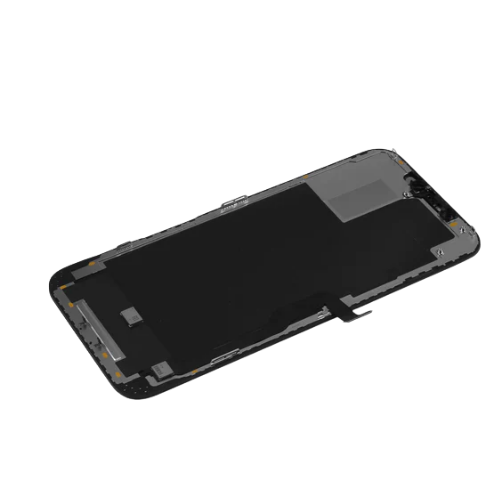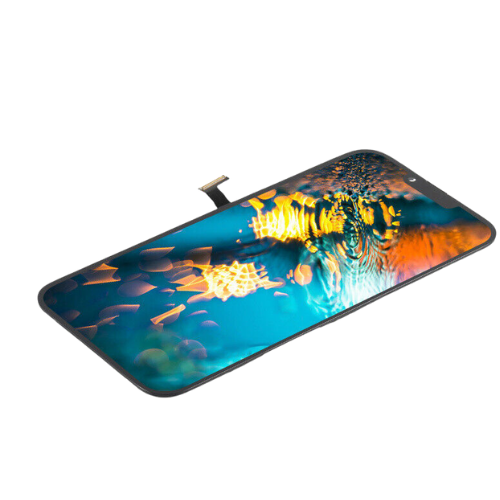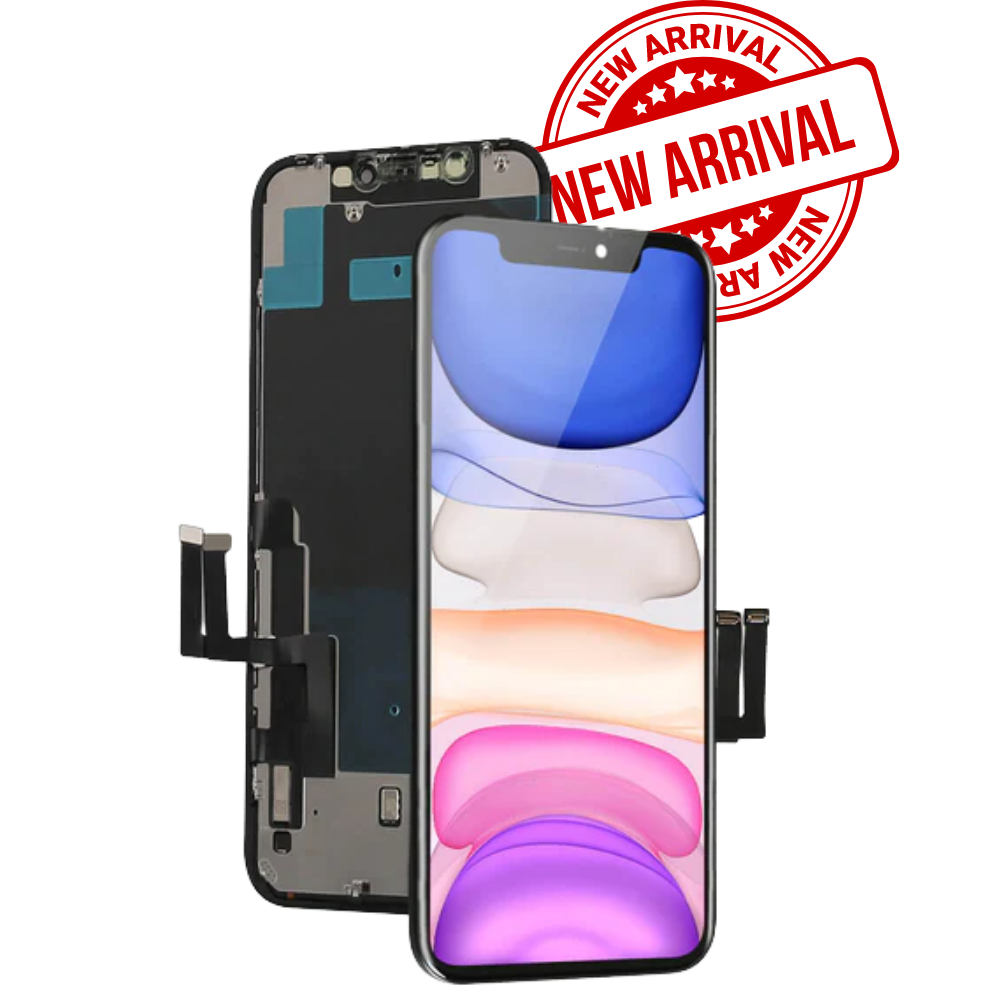

Ak plánujete kúpiť alebo vymeniť obrazovku smartfónu Redmi, pochopenie technológií obrazovky, výkonnostné špecifikácie, a nákup kanálov je rozhodujúci pre správny výber. Táto príručka rozoberá všetko – od typov obrazoviek až po tipy na obstarávanie – takže si môžete s istotou vybrať ten najlepší displej Redmi pre vaše potreby..
1. Pochopenie typov obrazoviek a technických rozdielov
Smartfóny Redmi sa dodávajú v rôznych modeloch s rôznymi technológiami obrazovky. Ak chcete urobiť najlepšie rozhodnutie o kúpe, Pozrime sa bližšie na to, ako sa technológie LCD a OLED líšia a ako ich Redmi aplikuje vo svojich produktových radoch.
1.1 LCD vs. OLED: Prehľad technológie
LCD (Kvapalina) a oled (Organická dióda vyžarujúca svetlo) predstavujú dve hlavné zobrazovacie technológie v smartfónoch.
- LCD sa spolieha na podsvietený panel, ktorý osvetľuje molekuly tekutých kryštálov.
- OLED používa organické zlúčeniny, ktoré vyžarujú svetlo nezávisle, eliminuje potrebu podsvietenia.
Každý prichádza s odlišnými výhodami a kompromismi.
1.2 Výhody a nevýhody LCD obrazoviek
Výhody:
- Nižšie náklady
- Dlhšia životnosť
- Žiadne blikanie pri nízkom jase
- Stabilnejšie vyváženie bielej
Nevýhody:
- Nie je možné dosiahnuť čistú čiernu
- Nižší kontrastný pomer
- Zvyčajne hrubšie ako OLED
- Obmedzené pozorovacie uhly v porovnaní s OLED
1.3 Výhody a nevýhody obrazoviek OLED
Výhody:
- Vyšší kontrast a skutočná čierna
- Lepšia sýtosť farieb
- Tenšie a pružnejšie
- Podporuje funkcie ako Always-On Display
- Rýchlejšia doba odozvy pixelov (skvelé na hranie)
Nevýhody:
- Vyššie náklady
- Možné blikanie s nízkym jasom (PWM)
- Možnosť spálenia po dlhodobom používaní
1.4 Konfigurácie obrazoviek v produktových radoch Redmi
Rôzne série Redmi používajú rôzne typy zobrazenia v závislosti od cieľových používateľov a rozpočtu.
Redmi Number Series (Napr., Redmi 13C)
- Predovšetkým LCD obrazovky
- HD+ rozlíšenie
- 60frekvencia Hz
- Navrhnuté pre používateľov na základnej úrovni a efektívnosť nákladov
Redmi Note Series (Napr., Poznámka 13 Rodina)
- Zmes LCD a OLED
- Modely strednej triedy ponúkajú frekvenciu 90 Hz – 120 Hz
- Varianty Pro využívajú FHD+ OLED s vysokým dotykovým vzorkovaním
- Dokonalé univerzálky
Séria Redmi K (Napr., Séria K70)
- Plný Obrazovky vlajkovej lode OLED
- Vysoké rozlíšenie až 2K
- 120Hz obnovovacia frekvencia
- Silné HDR a špičkový jas
- Ideálne pre hráčov a milovníkov médií
1.5 Porovnávacia tabuľka: LCD vs. OLED & Séria Redmi
| Séria | Typ obrazovky | Rozlíšenie | Obnovovacia frekvencia | Poznámky |
|---|---|---|---|---|
| Redmi Number Series | LCD | HD+ | 60Hz | Vstupná úroveň, odolný |
| Redmi Note Series | LCD / OLED | FHD+ | 90-120 Hz | Vyvážený výber |
| Séria Redmi K | OLED | FHD+–2K | 120Hz | Zážitok z vlajkovej lode |
2. Vysvetlenie kľúčových parametrov obrazovky
Výber obrazovky Redmi nie je len o LCD vs. OLED – dôležité sú aj výkonové špecifikácie.
2.1 Rozlíšenie & Hustota pixelov (PPI)
- HD+ (720p): Základná prehľadnosť, používané na rozpočtových modeloch
- FHD+ (1080p): Štandard pre väčšinu telefónov Redmi
- 2K/WQHD+: Nachádza sa na vlajkových lodiach série K
Vyššie PPI (Pixely na palec) = ostrejšie vizuálne detaily.
Čokoľvek vyššie 400 PPI je už pre väčšinu používateľov „stupeň sietnice“..
2.2 Obnovovacia frekvencia & Dotknite sa možnosti Vzorkovacia frekvencia
- 60Hz: Štandardná hladkosť
- 90Hz: Znateľne lepšie
- 120Hz: Veľmi hladká, skvelé na hranie
Vzorkovacia frekvencia dotyku určuje odozvu:
- 240Hz a vyššie poskytuje lepšiu presnosť pre hry
- Vyššie vzorkovanie znižuje vstupné oneskorenia a duchovné dotyky
2.3 Úrovne jasu & Možnosť HDR
Jasnejšia obrazovka znamená:
- Lepšia viditeľnosť vonku
- Dynamickejší výkon HDR
Stredné a vlajkové modely Redmi zvyčajne presahujú 1000 hnidy špičkový jas.
2.4 Presnosť farieb, Gamut, a Kvalita zobrazenia
Hľadajte:
- Farebný rozsah DCI-P3
- Delta E < 2 pre verné farby
- Viac farebných režimov (Štandardné, Živé, Profesionálny)
Ak milujete fotografovanie alebo sledovanie filmov, na týchto vlastnostiach záleží.
3. Obstarávanie & Identifikácia kvality
Obrazovky Redmi si môžete kúpiť na rôznych miestach – ale nie všetky sú rovnako spoľahlivé.
3.1 Oficiálny obchod Xiaomi & Autorizované servisné strediská
Najlepšie pre:
- Originálne diely
- Záručná ochrana
- Profesionálna inštalácia
Očakávajte mierne vyššie ceny, ale zaručenú kvalitu.
3.2 Ako identifikovať originálne a vysokokvalitné obrazovky
Vizuálna kontrola
- Jednotné okraje
- Žiadne zvyšky lepidla
- Konzistencia farieb s pôvodným zariadením
Testovanie displeja
Otestujte čisté farby:
- Červený, zelený, modrá, biely, čierny
Skontrolujte: - Mŕtve pixely
- Farebný odtieň
- Nerovnomerný jas
Dotknite sa možnosti Testovanie odozvy
- Zabezpečte presnú detekciu hrán
- Žiadne oneskorenia alebo zmeškané dotyky
Výkon odtlačkov prstov na displeji (Ak je to možné)
- Otestujte rýchlosť odomknutia
- Otestujte presnosť pri slabom osvetlení a rôznych polohách prstov
4. Odporúčania pre rôzne skupiny používateľov
Nie všetci používatelia potrebujú rovnaký typ obrazovky. Tu je to, čo vám najviac vyhovuje.
4.1 Hráči
Hľadajte:
- 120Hz OLED
- 240Hz+ dotykové vzorkovanie
- Vysoký jas
- Plochý (nezakrivené) displej, aby ste sa vyhli náhodným dotykom
Najlepšie výbery:
- Séria Redmi K
- Varianty Redmi Note Pro
4.2 Milovníci videa/médií
Priority:
- OLED displej
- HDR10+ a Dolby Vision
- Vysoká presnosť farieb
- Rozlíšenie FHD+ alebo 2K
Obrazovky série K ponúkajú kvalitu ako v kine.
4.3 Denní používatelia a kancelárski pracovníci
Sústreďte sa na:
- Pohodlie pre oči
- Stabilný jas
- Obrazovky s dlhou životnosťou
Najlepšie sedí:
- Vysokokvalitný LCD alebo OLED s vysokofrekvenčným PWM (1920Hz+)
- Séria Redmi Note
4.4 Študenti, ktorí si uvedomujú rozpočet
Vaša najlepšia stávka:
- LCD obrazovky
- Štandardné vydania Redmi Number Series alebo Note
Cenovo dostupné na nákup a lacnejšie na opravu.
4.5 Súhrnná tabuľka
| Typ používateľa | Kľúčové potreby | Odporúčaná obrazovka | Najlepšia séria Redmi |
|---|---|---|---|
| Hráči | Hladký & citlivý | 120Hz OLED | Séria K, Poznámka Pro |
| Milovníci médií | Farba & kontrast | HDR OLED | Séria K |
| Každodenné používanie v kancelárii | Pohodlie pre oči | DC stmievanie OLED / LCD | Séria poznámok |
| Študenti | Nízke náklady | LCD s vysokou obnovou | číslo / Poznámka |
5. Budúce trendy & Stratégie nákupu
Redmi neustále zlepšuje zobrazovacie technológie. Tu sú trendy, ktoré treba sledovať.
5.1 Trendy LTPO a adaptívnej obnovovacej frekvencie
Čoskoro, prijme viac zariadení strednej triedy Redmi:
- LTPO SI
- 1– Inteligentné obnovenie 120 Hz
To výrazne znižuje spotrebu batérie.
5.2 Vyšší jas & Pokročilá ochrana očí
Očakávať:
- 1500+ nits vrchol jasu
- 1920Hz alebo 2160Hz PWM stmievanie
- Vylepšené režimy slabého modrého svetla
5.3 Návrhy na celú obrazovku & Kamery pod displejom
V priebehu nasledujúcich rokov:
- Dierkované vzory vyblednú
- Technológia pod displejom sa rozšíri do série K
5.4 Najlepší čas na nákup & Cenové rozpätia
Kúpiť počas:
- 618
- Dvojité 11
- Spustenie nového modelu
Typické náklady na výmenu obrazovky:
- LCD číselnej série Redmi: 200 – 400 JPY
- Redmi Note OLED: 500 – 800 JPY
- OLED Redmi série K: 800 – 1200 JPY
5.5 Úvahy o nákladoch na opravu
Výmena OLED obrazoviek je drahšia – zvážte nákup:
- Poistenie obrazovky
- Predĺžená záruka
Najmä pre sériu K.
Záver
Výber správnej obrazovky smartfónu Redmi si vyžaduje pochopenie technológie displeja, výkonnostné špecifikácie, obstarávacie kanály, a vaše špecifické potreby používania. Redmi pokračuje v posúvaní pokročilých funkcií obrazovky do cenovo dostupných modelov, vďaka čomu si môžete vychutnať prémiové vizuálne zážitky jednoduchšie ako kedykoľvek predtým. Aplikovaním tohto návodu, môžete s istotou vybrať najlepšiu konfiguráciu obrazovky a zabezpečiť nákup najvyššej kvality.
Časté otázky
1. Stojí OLED obrazovka za príplatok pre telefóny Redmi?
Áno – ak uprednostňujete živé farby, kontrast, a prémiové sledovanie, OLED stojí za to.
2. Sú výmenné obrazovky tretích strán spoľahlivé?
Môžu byť – pokiaľ si vyberiete renomovaných predajcov a overíte kvalitu produktu.
3. Ktoré modely Redmi sú najlepšie na hranie hier?
Séria Redmi K (Rodina K60/K70) a varianty Note Pro so 120Hz OLED obrazovkami.
4. Ako skontrolujem, či je moja obrazovka Redmi originálna?
Vykonajte testy displeja a dotyku, skontrolujte označenie panelov, a porovnajte jas a farbu s pôvodnými špecifikáciami.
5. Kedy je najlepší čas na kúpu obrazovky alebo zariadenia Redmi?
Počas veľkých predajných akcií ako napr 618, Dvojité 11, alebo hneď po uvedení nového modelu.