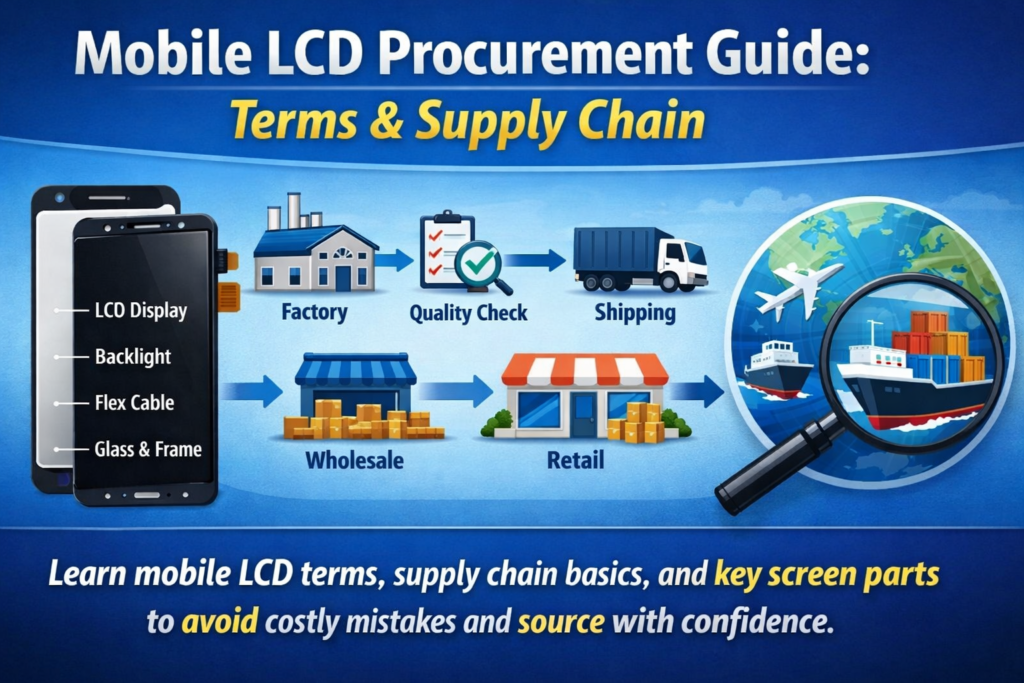
Pochopenie dodávateľského reťazca mobilných displejov
Kľúčové komponenty na obrazovke smartfónu
Ak ste niekedy skúšali získavať obrazovky mobilných telefónov, pravdepodobne ste si všimli, aká mätúca môže byť terminológia. Jeden dodávateľ hovorí „LCD modul,“ iný hovorí „dotyková montáž,“ a niekto iný hodí „vonkajšie sklo“ alebo „digitizér“. Je to ako keby všetci hovorili rovnakým jazykom - ale s úplne odlišnými dialektmi.
Vo svojom jadre, displej smartfónu nie je len jeden kus. Ide o starostlivo navrhnutý súbor komponentov, ktoré spolupracujú na poskytovaní vizuálnych a dotykových reakcií. Ten LCD panel vytvára obraz, ten dotyková vrstva rozpozná pohyby vašich prstov, a krycie sklo chráni všetko pod ním. Tieto prvky môžu byť predávané samostatne alebo ako plne integrovaný modul, v závislosti od typu produktu a požiadaviek na opravu.
Je nevyhnutné pochopiť, ako tieto časti interagujú, najmä ak ste v obstarávaní. Malé nedorozumenie – ako napríklad zámena kompletnej zostavy len so sklenenou šošovkou – môže viesť k nákladným chybám, meškania, alebo sťažnosti zákazníkov. To je dôvod, prečo oboznámenie sa s týmito pojmami nie je len užitočné – je absolútne nevyhnutné, ak chcete v tomto odvetví fungovať efektívne.
Prečo je terminológia dôležitá pri obstarávaní
Buďme úprimní: v obchode s mobilnými dielmi, prehľadnosť sa rovná zisku. Ak jasne nedefinujete, čo kupujete, možno nakoniec zaplatíte za niečo, čo ste si neplánovali kúpiť – alebo ešte horšie, prijímanie nekompatibilných komponentov.
Napríklad, objednanie „obrazovky“ bez uvedenia, či ide o a úplný LCD modul alebo len ten vonkajšie sklo môže viesť k veľkému zmätku. Dodávatelia môžu na základe svojich vlastných noriem predpokladať rôzne veci. A pretože ide o medzinárodný obchod, jazykové bariéry problém len umocňujú.
Presná terminológia pomáha zefektívniť komunikáciu, znižuje spory, a zabezpečuje konzistentnosť medzi objednávkami. Taktiež uľahčuje porovnávanie cenových ponúk od rôznych dodávateľov. Keď sú všetci zosúladení s definíciami, cenotvorba sa stáva transparentnou, a vyjednávanie bude oveľa hladšie.
Skrátka, zvládnutie týchto pojmov nie sú len technické znalosti – je to strategická výhoda.
Čo je to mobilný modul LCD obrazovky?
Definícia LCD modulu (LCM)
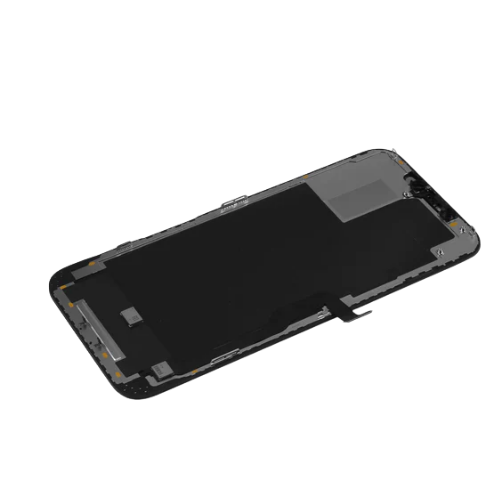
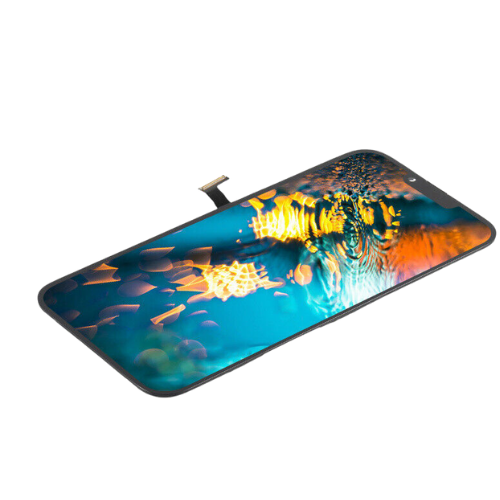
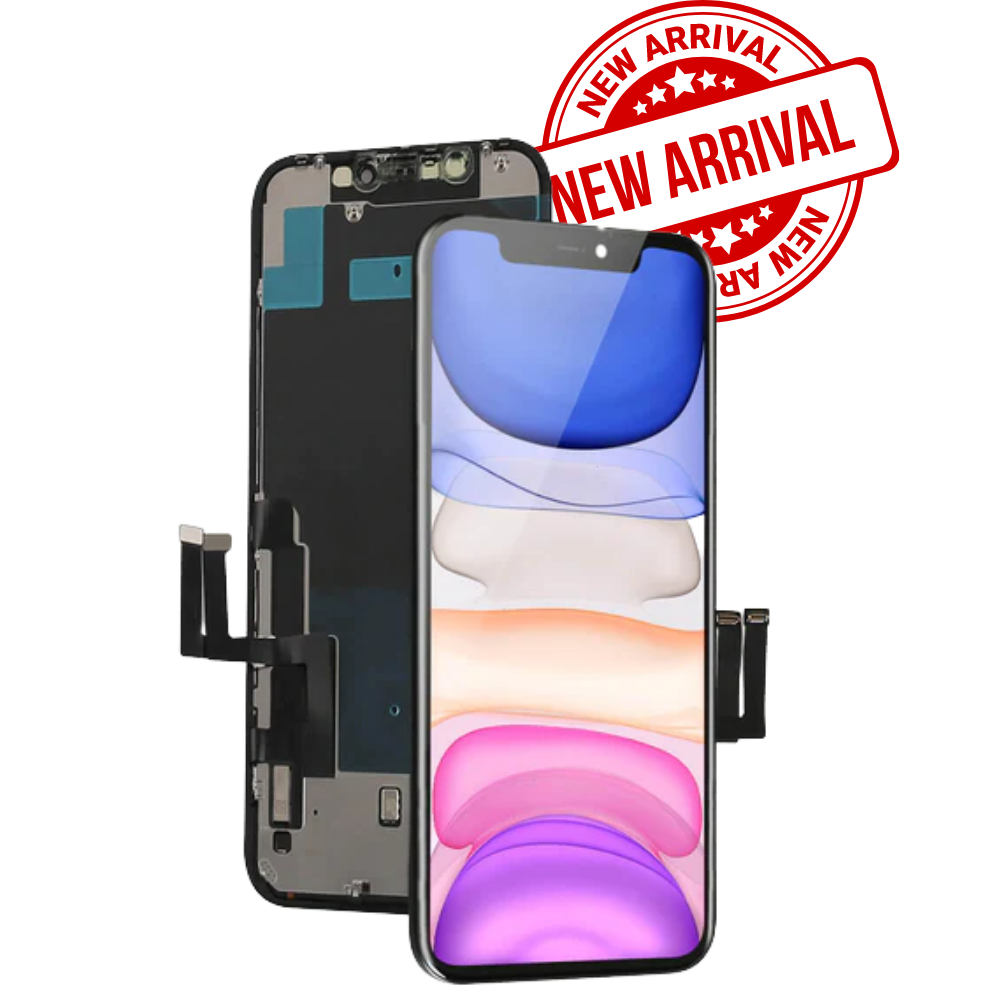
Termín LCD modul (LCM) je jednou z najčastejšie používaných fráz v priemysle mobilných displejov. Jednoducho povedané, LCM je a kompletná zobrazovacia jednotka ktorý zahŕňa LCD panel a zvyčajne dotykovú funkciu, všetko vopred zmontované do jedného komponentu.
Predstavte si to ako balík pripravený na inštaláciu. Namiesto toho, aby ste sa zaoberali viacerými vrstvami oddelene, všetko spojíte. To skracuje čas inštalácie a minimalizuje riziko poškodenia počas opravy alebo montáže.
V obstarávaní, zadanie „LCM“ zvyčajne znamená, že chcete a plne funkčná zobrazovacia jednotka, nielen jednotlivé časti. Avšak, stále je dôležité objasniť, či modul obsahuje ďalšie komponenty, ako je rám, podsvietenie, alebo IC čipy.
Hlavné komponenty vo vnútri LCM
Štandardný LCD modul sa zvyčajne skladá z niekoľkých vrstiev:
- LCD panel (Kvapalina) - zodpovedný za vytváranie obrazu
- Jednotka podsvietenia - poskytuje osvetlenie
- Dotyk digitalizátora – rozpozná dotykový vstup
- Krycie sklo - chráni obrazovku
- FPC (Flexibilný tlačený obvod) – pripája modul k základnej doske
Tieto vrstvy sa často spájajú pomocou pokročilých techník laminácie, ako napr OCA (Opticky čisté lepidlo). Integrácia zlepšuje jasnosť displeja a citlivosť na dotyk a zároveň znižuje odrazy.
Pre kupujúcich, pochopenie týchto komponentov vám pomôže vyhodnotiť kvalitu a cenu produktu. Modul s lepšou lamináciou a kvalitnejšími materiálmi bude prirodzene stáť viac, no zároveň poskytuje lepší výkon a odolnosť.
Vysvetlenie technológie dotykovej obrazovky mobilu
Kapacitný dotyk vs odporový dotyk
Dotyková technológia je neviditeľným kúzlom každého potiahnutia, poklepať, a štipka. Dnes, používajú takmer všetky smartfóny kapacitné dotykové obrazovky, ale staršie alebo špecializované zariadenia sa môžu stále spoliehať na odporová dotyková technológia.
Kapacitné dotykové obrazovky detegujú elektrické signály z vášho prsta, ponúka rýchlejšie časy odozvy a viacdotykové funkcie. Preto dominujú na spotrebiteľskom trhu. Odporové obrazovky, na druhej strane, spoliehajú sa na tlak a sú menej citlivé, ale odolnejšie v určitých priemyselných prostrediach.
Z pohľadu obstarávania, štandardom sú kapacitné dotykové panely. Avšak, nie všetky kapacitné obrazovky sú rovnaké. Rozdiely v citlivosti, trvanlivosť, a integrované obvody ovládačov môžu výrazne ovplyvniť používateľskú skúsenosť.
Úloha dotykového panela v moderných smartfónoch
Ten dotykový panel, tiež známy ako digitizér, sedí nad vrstvou displeja a prevádza fyzický dotyk na digitálne signály. V moderných dizajnoch, táto vrstva je často integrovaná priamo do LCD alebo skla pomocou technológií ako napr Incell alebo Oncell.
Táto integrácia znižuje hrúbku a zlepšuje odozvu. Zjednodušuje aj dodávateľský reťazec, pretože je potrebných menej samostatných komponentov. Avšak, môže to predražiť opravy, pretože v prípade zlyhania jednej vrstvy môže byť potrebné vymeniť celý modul.
Pre kupujúcich, výber medzi samostatnými dotykovými panelmi a integrovanými riešeniami závisí od cieľového trhu – či už ide o produkty zamerané na opravy alebo produkty pre koncových používateľov.
Vonkajšia obrazovka (Pohár) vs vnútorná obrazovka (Zobrazenie)
Čo je vonkajšia obrazovka (Krycie sklo)?
Ten vonkajšia clona, často označovaný ako krycie sklo, je najvyššia vrstva, ktorej sa používatelia fyzicky dotýkajú. Jeho hlavnou úlohou je ochrana. Chráni jemné vnútorné komponenty pred poškriabaním, dopady, a environmentálne škody.
Vysokokvalitné krycie sklo sa zvyčajne vyrába zo spevnených materiálov, ako je tvrdené sklo. Niektoré dokonca obsahujú nátery pre proti odtlačkom prstov alebo proti oslneniu vlastnosti.
V obstarávaní, vonkajšie sklo sa často predáva samostatne na účely opravy. Je to lacnejšie ako úplný modul, ale vyžaduje inštaláciu skúsených technikov. Táto možnosť je populárna na trhoch, kde sa uprednostňujú nákladovo úsporné opravy.
Čo je vnútorná obrazovka (LCD panel)?
Ten vnútorná obrazovka odkazuje na skutočný zobrazovací panel – časť, ktorá generuje obrázky. To zahŕňa vrstvu tekutých kryštálov, farebné filtre, a systémom podsvietenia.
Na rozdiel od vonkajšieho skla, vnútorná obrazovka je veľmi citlivá a drahá. Poškodenie tohto komponentu zvyčajne vedie k problémom so zobrazením, ako sú mŕtve pixely, linky, alebo žiadny obrázok.
Oddelenie vnútornej clony od vonkajšieho skla je možné, ale technicky náročné. Preto sa mnohí kupujúci rozhodnú pre úplné moduly – je to jednoduchšie a spoľahlivejšie.
Rozdiely medzi úplnou zostavou a samostatnými časťami
Úplná laminácia vs oddelenie rámu
A úplná montáž (nazývaná aj plná laminácia) znamená všetky vrstvy – sklo, dotýkať sa, a displej – sú spojené do jedného celku. To poskytuje lepšiu optickú čistotu a odolnosť.
Na rozdiel od toho, oddelené časti umožňujú individuálnu výmenu každej vrstvy. Aj keď to znižuje náklady na materiál, zvyšuje zložitosť práce a riziko počas inštalácie.
Výhody a nevýhody pre kupujúcich
| Možnosť | Výhody | Nevýhody |
|---|---|---|
| Kompletné zhromaždenie | jednoduchá inštalácia, lepšia kvalita | Vyššie náklady |
| Samostatné diely | Nižšie náklady, flexibilná oprava | Vyššie pracovné riziko |
Výber správnej možnosti závisí od vášho obchodného modelu. Ak uprednostňujete rýchlosť a spoľahlivosť, úplné zhromaždenia sú správna cesta. Ak je vaším hlavným cieľom úspora nákladov, oddelené časti môžu byť vhodnejšie.
Bežné priemyselné výrazy, ktoré musíte poznať
OEM, Aftermarket, Renovované Vysvetlené
- OEM (Výrobca originálneho vybavenia): Originálne diely vyrobené v továrni
- Aftermarket: Komponenty vyrobené treťou stranou
- Zrekonštruovaný: Použité diely obnovené do funkčného stavu
Každá kategória má svoju vlastnú cenovú a kvalitatívnu úroveň. OEM diely sú najdrahšie, ale ponúkajú najvyššiu spoľahlivosť.
Incell, Oncell, a TFT Technologies
- Incell: Dotyk integrovaný do vrstvy LCD
- Oncell: Dotyková vrstva na vrchu LCD
- TFT: Tradičná LCD technológia
Pochopenie týchto výrazov vám pomôže efektívnejšie porovnávať produkty.
Stupne kvality a testovacie štandardy
Obrazovky triedy A vs
Pri obstarávaní je rozhodujúce triedenie kvality. Obrazovky triedy A sú takmer dokonalé, zatiaľ čo Obrazovky triedy B môže mať menšie chyby.
Kľúčové testovacie postupy pred odoslaním
Dodávatelia zvyčajne vykonávajú:
- Testovanie jasu
- Testovanie citlivosti na dotyk
- Kontrola mŕtvych pixelov
Tieto testy zabezpečujú spoľahlivosť produktu pred dodaním.
Cenové faktory pri obstarávaní LCD obrazoviek
Náklady na materiál a vplyv technológie
Pokročilé technológie ako Incell zvyšujú výrobné náklady, ale zlepšujú výkon.
MOQ a úvahy o dodávateľskom reťazci
Minimálne množstvo objednávky (Moq) môže výrazne ovplyvniť cenu. Hromadné objednávky zvyčajne prichádzajú so zľavami.
Výber správneho dodávateľa
Kľúčové kritériá hodnotenia
Hľadajte:
- Konzistentná kvalita
- Transparentná komunikácia
- Spoľahlivé doručenie
Červené vlajky, ktorým sa treba vyhnúť
Vyhnite sa dodávateľom, ktorí:
- Nedostatok certifikácií
- Poskytnite nejasné špecifikácie
- Ponúknite nezvyčajne nízke ceny
Budúce trendy v obstarávaní mobilných displejov
Posun smerom k OLED a flexibilným obrazovkám
Zatiaľ čo LCD stále dominuje rozpočtovým zariadeniam, OLED si získava na popularite vďaka lepšej farebnosti a flexibilite.
Rastúci dopyt po integrovaných moduloch
Integrované riešenia budú naďalej rásť, zjednodušenie výroby a opráv.
Záver
Navigácia vo svete obstarávania mobilných LCD obrazoviek môže byť na prvý pohľad ohromujúca, ale keď pochopíš terminológiu, všetko začína dávať zmysel. Od LCD moduly do dotykové panely, od vonkajšie sklo do vnútorné displeje, každý výraz predstavuje špecifický komponent s vlastnou úlohou vo väčšom obraze.
Keď jasne rozumiete tomu, čo kupujete, znižujete riziká, zlepšiť komunikáciu s dodávateľmi, a v konečnom dôsledku robiť inteligentnejšie nákupné rozhodnutia. Či už nakupujete pre opravovne, veľkoobchodná distribúcia, alebo výrobu, zvládnutie týchto konceptov vám dáva skutočnú konkurenčnú výhodu.
Časté otázky
1. Aký je rozdiel medzi LCD modulom a dotykovou obrazovkou?
LCD modul obsahuje zobrazovacie aj dotykové komponenty, zatiaľ čo dotyková obrazovka sa vzťahuje len na vrstvu citlivú na dotyk.
2. Môžem vymeniť iba vonkajšie sklo obrazovky telefónu?
Áno, vyžaduje si to však špecializované vybavenie a skúsených technikov.
3. Čo znamená technológia Incell?
Incell integruje dotykovú funkciu priamo do vrstvy LCD, čím sú obrazovky tenšie a citlivejšie.
4. Sú popredajné obrazovky spoľahlivé?
Môžu byť, ale kvalita sa líši v závislosti od výrobcu.
5. Prečo sú celé zostavy drahšie?
Pretože spájajú viacero komponentov do jedného celku, ponúka lepší výkon a jednoduchšiu inštaláciu.