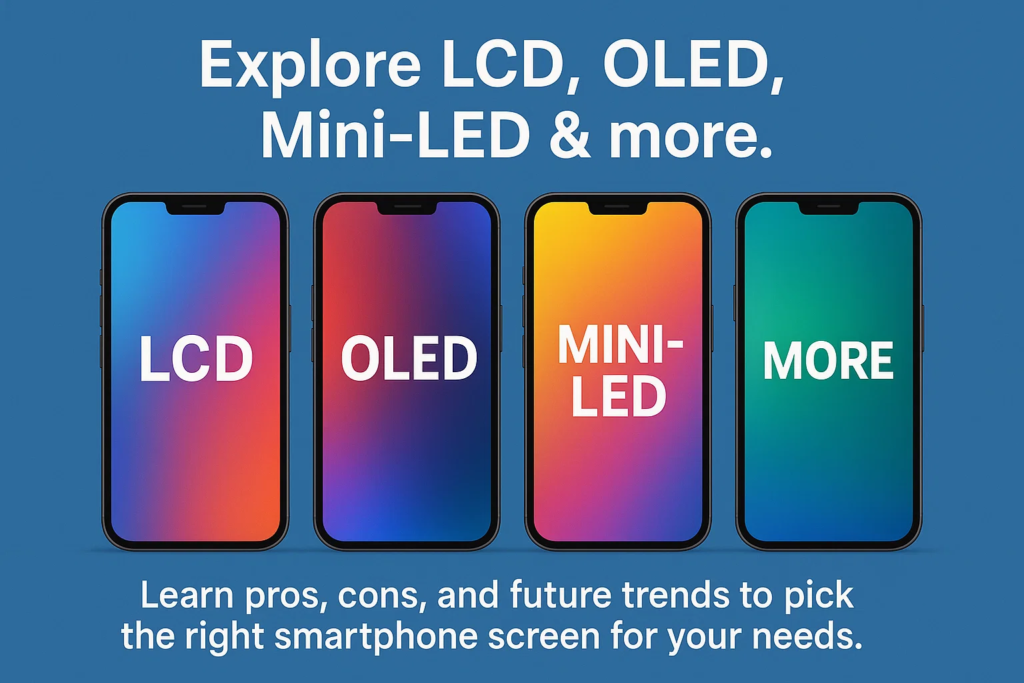
Úvod – Proč na technologii obrazovky záleží
Vzpomeňte si na první věc, které si všimnete při odemykání telefonu. Je to obrazovka – vaše okno do aplikací, hry, filmy, a vše mezi tím. Ještě, když lidé nakupují nové zařízení, obvykle slyší jen dvě slova: LCD a OLED. Zní to jednoduše, právo? Pravda je ale mnohem hlubší. V těchto dvou kategoriích leží několik podtypů, každý ovlivňuje, jak ostrý, barvitý, odolný, a dokonce i to, jak je váš telefon šetrný k baterii. Pojďme si to rozebrat krok za krokem.
Základy displejů smartphonů
Co je zobrazovací panel?
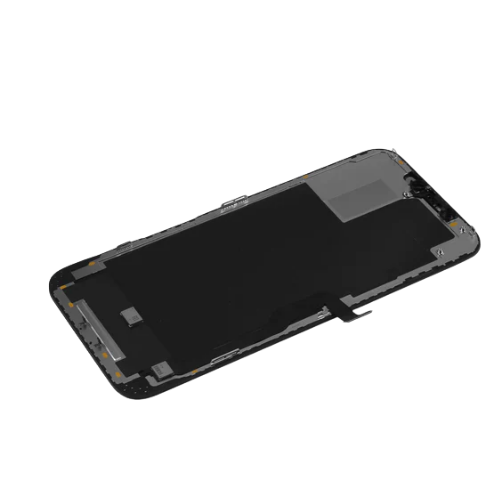
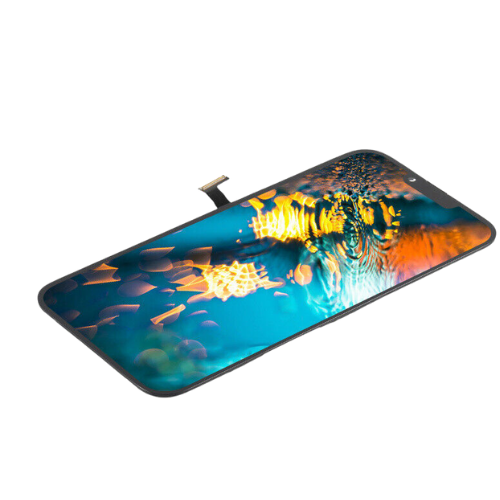
Obrazovka smartphonu je víc než jen sklo. Pod povrchem sedí zobrazovací panel, skutečný tvůrce kouzel, který je zodpovědný za zobrazení každého pixelu.
Role podsvícení vs. Samoemisní technologie
Klíčový rozdíl mezi typy zobrazení se scvrkává na toto:
- LCD potřebují podsvícení (jako lampa svítící zezadu).
- OLED jsou samoemisivní, to znamená, že každý pixel se rozsvítí sám.
Toto základní rozdělení ovlivňuje vše ostatní – tloušťku, spotřebu energie, a kvalitu obrazu.
Vysvětlení technologie LCD
Jak funguje LCD
LCD znamená Displej z tekutých krystalů. Tekuté krystaly samy nevyzařují světlo; místo toho, řídí, kolik podsvícení prochází, aby vytvořilo obraz.
IPS LCD – vyvážené barvy a pozorovací úhly
- IPS (Přepínání v rovině) LCD jsou oblíbené pro své konzistentní barvy a široké pozorovací úhly.
- Používá se v mnoha telefonech střední třídy, vytvářejí dobrou rovnováhu mezi cenou a kvalitou.
TFT LCD – cenově dostupné, ale omezené
- TFT (Tenkovrstvý tranzistor) LCD jsou levnější na výrobu, ale mají užší pozorovací úhly a méně živé barvy.
- Běžně se vyskytuje v rozpočtových modelech.
Vysvětlení technologie OLED
Jak funguje OLED
OLED znamená Organická světelná dioda. Zde, každý pixel je malý zdroj světla. Když je vypnutý, pixel je skutečně černý. To je důvod, proč OLED mohou poskytnout ohromující kontrast.
Pevný OLED – odolný, ale tlustý
- Postaveno na a skleněný substrát.
- Cenově dostupnější než flexibilní OLED, ale dodává zařízení určitou tloušťku.
Flexibilní OLED – tenký, Zakřivený, a Premium
- Vyrobeno na a plastový substrát, umožňující ohýbání a dokonce i skládací konstrukce.
- Lehčí a tenčí, široce používán ve špičkových vlajkových lodích, jako jsou Samsung Galaxy a iPhone.
Klíčové rozdíly mezi LCD a OLED
Tloušťka a flexibilita
- LCD: Objemnější díky vrstvám podsvícení.
- OLED: Může být extrémně tenký, zvláště flexibilní verze.
Kvalita zobrazení – barvy a kontrast
- LCD: Dobrý jas, ale černé vypadají šedavě.
- OLED: Opravdoví černoši, bohatší kontrast, a často sytější barvy.
Spotřeba energie
- LCD: Podsvícení je vždy zapnuto → vyšší spotřeba energie.
- OLED: Šetří energii při zobrazování tmavého obsahu (protože černé pixely jsou vypnuté).
Náklady a složitost výroby
- LCD: Levnější a jednodušší na masovou výrobu.
- OLED: Dražší, zejména flexibilní OLED, kvůli složité výrobě.
Společné styly konektorů ("Flex kabely")
Co je Flex kabel?
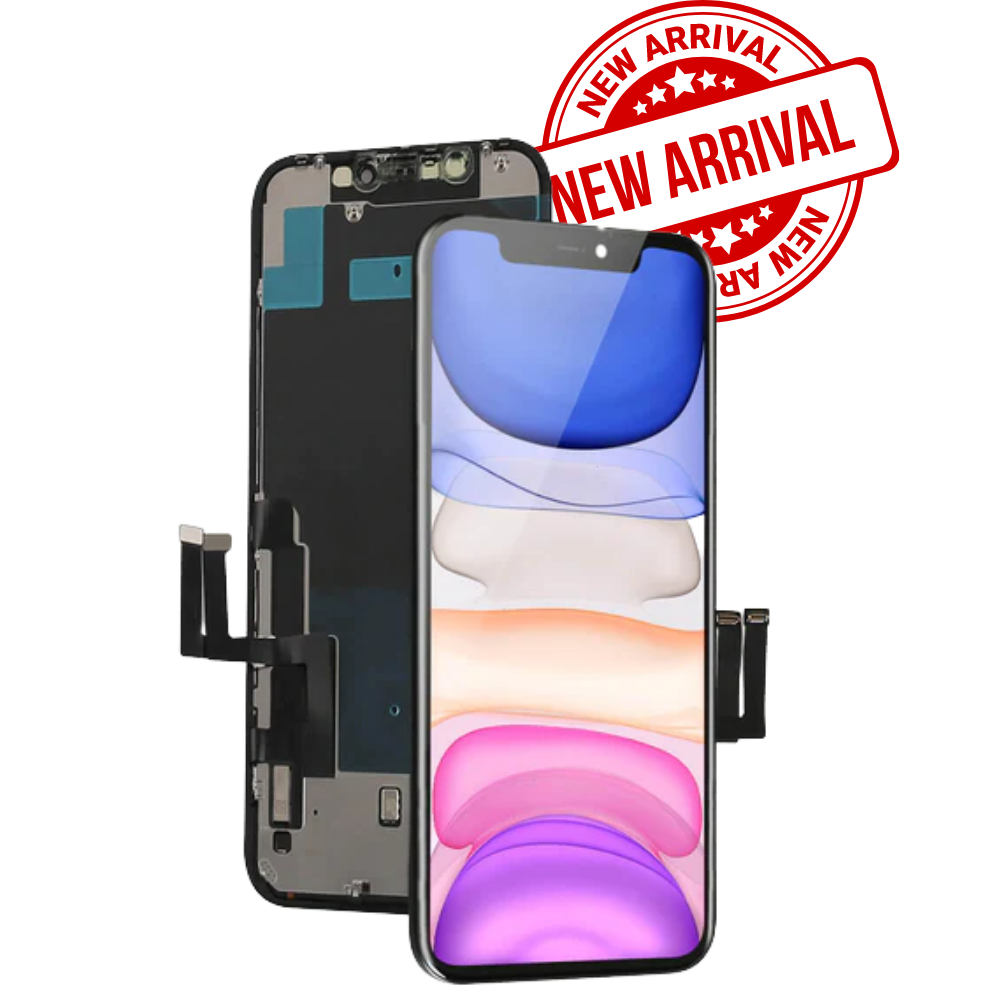
The flex kabel je jako krevní céva spojující obrazovku se základní deskou telefonu. Bez toho, nefungoval by žádný signál displeje ani dotykový vstup.
Typické styly v LCD
- Obvykle jednoduché flex konektory na dně.
- Jednodušší a méně nákladná výměna.
Typické styly v OLED
- Často Provedení ve tvaru L nebo dual flex.
- Potřebné pro ředidlo, zakřivený, nebo skládací displeje.
- Opravy mohou být složitější a dražší.
Výhody a nevýhody každého typu obrazovky
Výhody a nevýhody LCD
- ✅ Cenově dostupnější
- ✅ Venku často jasnější
- ❌ Silnější a těžší
- ❌ Slabší kontrast
Výhody a nevýhody OLED
- ✅ Štíhlý, lehký, prémiový vzhled
- ✅ Vynikající kontrast a živé barvy
- ✅ Energeticky úsporné s tmavými motivy
- ❌ Nákladnější
- ❌ Nebezpečí popálení v průběhu času
Mylné představy o kvalitě obrazovky
Vyšší cena ≠ Vždy lepší
Ne každý OLED automaticky porazí LCD. Vysoce kvalitní IPS LCD může překonat OLED nižší úrovně v konzistenci a odolnosti.
Trvanlivost vs. Výkon displeje
Pevné OLED mohou praskat snadněji než tvrzené LCD. Flexibilní OLED se ohýbají, ale v přehybu mohou být křehké.
Budoucnost displejů pro chytré telefony
Mini-LED a Micro-LED
- Mini-LED využívá tisíce malých zón podsvícení pro lepší kontrast.
- Micro-LED kombinuje vlastní emisi podobné OLED s delší životností – považována za „svatý grál“ budoucích displejů.
Vznikající flexibilní a skládací obrazovky
Očekávejte více skládacích a skládacích telefonů, jak dozrává flexibilní technologie OLED.
Závěr – Výběr správné obrazovky pro vaše potřeby
Konec konců, žádný typ obrazovky není dokonalý. LCD vyhrávají cenovou dostupností a jasem, OLED září barvou a tenkostí, a budoucí technologie jako Micro-LED mohou kombinovat to nejlepší z obou světů. Při výběru, přemýšlet o svých potřebách: Jste uživatel, který dbá na rozpočet, hráč, který touží po živém obrazu, nebo někoho, kdo chce jen ten nejtenčí telefon? Na typu obrazovky záleží víc, než si myslíte.
Časté časté
Q1: Což je na hraní lepší, LCD nebo OLED?
OLED obvykle poskytuje hlubší černou a hladší obraz, ale vysoce kvalitní IPS LCD může být stále vynikající pro hraní her.
Q2: OLED obrazovky vybíjejí baterii rychleji?
Ne vždy. OLED ve skutečnosti šetří energii s tmavým obsahem, protože černé pixely jsou vypnuté.
Q3: Je vypalování obrazovky stále velkým problémem pro OLED?
Stát se to může, ale moderní OLED mají lepší ochranu. Náhodní uživatelé si toho všimnou jen zřídka.
Q4: Proč jsou flexibilní OLED telefony tak drahé?
Výrobní proces je složitý, a výnosy jsou nižší, zvýšení nákladů.
Q5: Micro-LED brzy nahradí OLED ve smartphonech?
Ne hned. Zatímco slibný, Micro-LED je stále příliš nákladné pro masové přijetí smartphonů.