Zavedenie: Modrý oceán opráv v ére akcií
Odvetvie smartfónov oficiálne vstúpilo do „éry akcií“. Každý rok upgraduje menej ľudí. Zariadenia vydržia dlhšie. Ale tu je háčik – obrazovky sa stále rozbíjajú.
Zatiaľ čo vlajkové modely ako séria Mate a P sa do značnej miery presunuli na OLED displeje, Obrovské množstvo zariadení Huawei v obehu sa stále spolieha na LCD panely. Modely ako napr nový huawei 10 SE a Huawei Enjoy 60X naďalej vytvárať silný dopyt v ekosystéme opráv.
Toto je miesto, kde sa trh s náhradnými dielmi LCD stáva zlatou baňou.
Na rozdiel od jednoduchého obchodu s náhradnými dielmi, Trh s náhradnými dielmi LCD od spoločnosti Huawei je bojiskom špecifikácií, dodávateľských stratégií, kompatibilita ovládačov, a klasifikačné štandardy. Poďme si to rozobrať krok za krokom.
Aktuálna situácia na trhu s náhradnými dielmi LCD spoločnosti Huawei
Pôvodné obrazovky (Ťahaný alebo oficiálny prebytok)
Toto je možnosť „najvyššej úrovne“..
Tieto sitá zvyčajne pochádzajú z demontovaných zariadení alebo nadbytočných zásob od veľkých dodávateľov, ako napr Technológia BOE a Mikroelektronika Tianma. Špecifikácie prísne dodržiavajú výrobné štandardy spoločnosti Huawei:
- FHD+ (2388× 1080) alebo HD+ (1600× 720)
- 96% Farebné pokrytie NTSC alebo DCI-P3
- Originálny dotykový IC (často Synaptics alebo Goodix)
- Niektoré modely podporujú obnovovaciu frekvenciu 90 Hz
Poskytujú jas na úrovni továrne, citlivosť na dotyk, a presnosť farieb. Sú však drahé - niekedy sa blížia k oficiálnej cene výmeny.
Zrekonštruovaný (Znovu stlačené) Obrazovky
Zachovajú si pôvodný článok LCD, ale nahradia rozbité vonkajšie sklo.
Predstavte si to ako výmenu prasknutého okna pri zachovaní pôvodného výhľadu. Kvalita zobrazenia zostáva takmer identická s továrenským výstupom, ale spojenie vonkajšej vrstvy môže spôsobiť menšie rozdiely v hrúbke alebo konečnej úprave hrán.
Táto možnosť vyvažuje kvalitu a cenu.
Značkové kompatibilné obrazovky
Tu začína skutočná zložitosť.
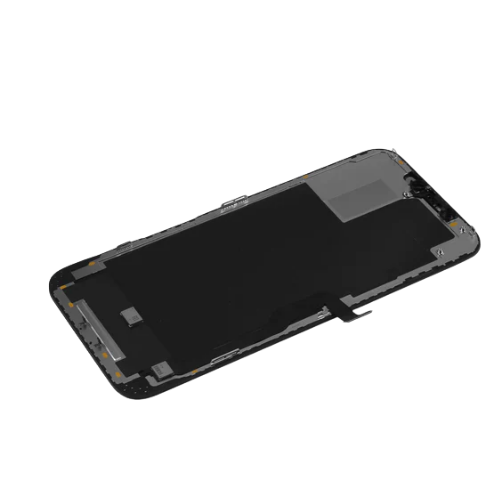
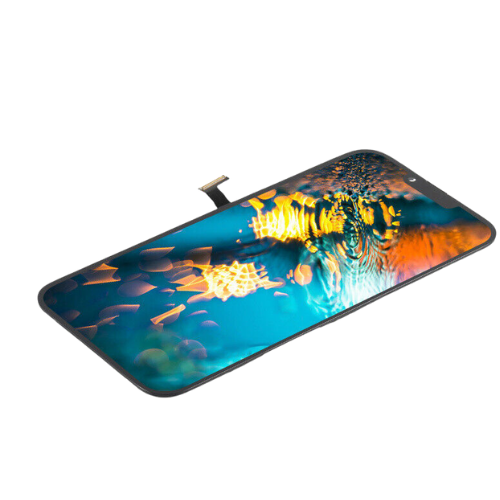
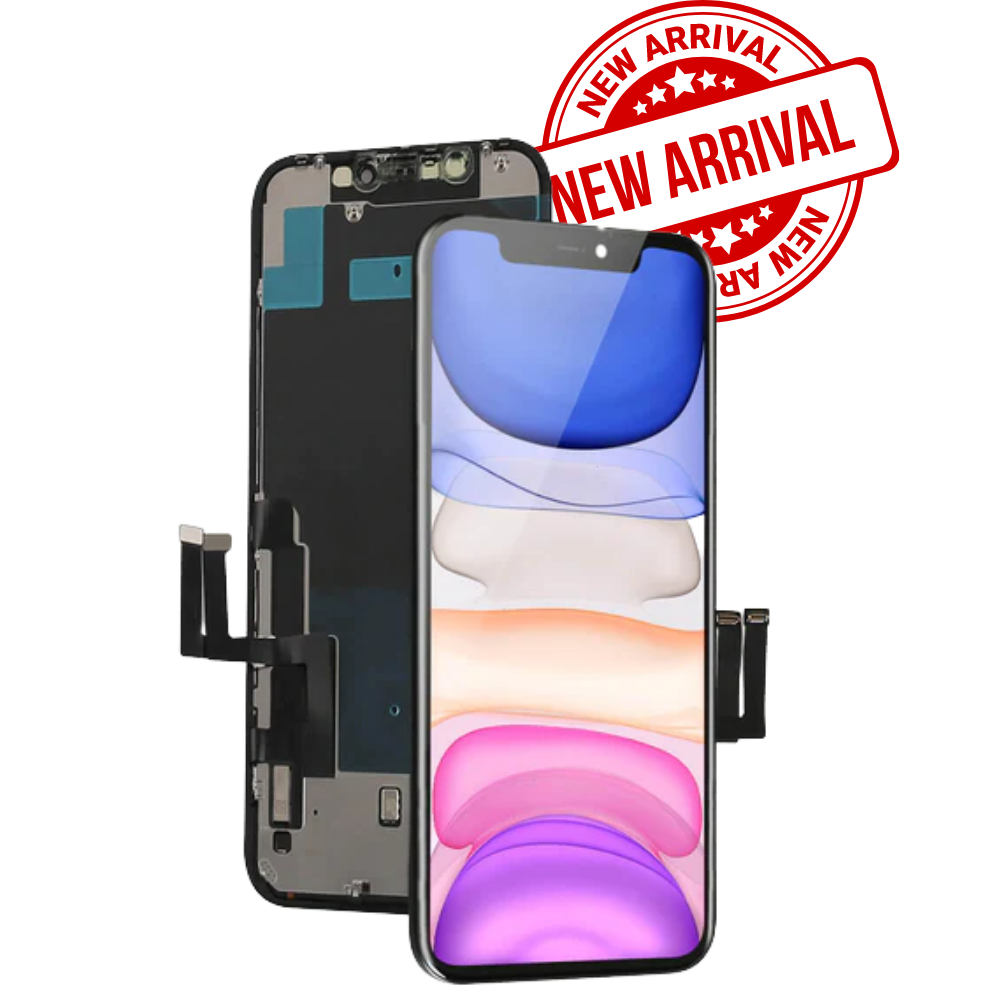
Továrne tretích strán vyrábajú sklenené články LCD, moduly podsvietenia, IC vodiča, a flexibilné káble nezávisle, ich zostavenie do kompatibilných modulov.
Ceny sú atraktívne. Objemy sú obrovské. Ale špecifikácie sa značne líšia.
Vysvetlenie základných technických špecifikácií
Panelový substrát: LTPS vs a-Si
Toto je základ.
- a-Si (Amorfný kremík)
Používa sa v modeloch základnej úrovne. Nižšie náklady, obmedzená na obnovovaciu frekvenciu 60 Hz, vyššia spotreba energie. - LTPS (Nízkoteplotný poly-silikón)
Vyššia mobilita elektrónov. Podporuje rozlíšenie FHD+ a obnovovaciu frekvenciu 90 Hz. Nevyhnutné pre LCD zariadenia Huawei strednej triedy.
Ak predajca tvrdí 90 Hz, ale používa substrát a-Si - je to červená vlajka.
Rozlíšenie a hustota pixelov
LCD zariadenia Huawei vo všeobecnosti spadajú do dvoch kategórií:
- HD+ (720p)
- FHD+ (1080p)
Nesúlad rozlíšenia je zriedkavý kvôli obmedzeniam ovládačov hardvéru. Avšak, nižšie panely môžu vykazovať zubaté písma alebo zníženú ostrosť v dôsledku rozdielov v štruktúre subpixelov.
Obnovovacia frekvencia: 60Hz oproti 90 Hz
Keď sa 90 Hz dostalo do modelov, ako je napr Huawei Užite si to 70 Protest, popredajné obrazovky sa museli prispôsobiť.
Vyžaduje skutočný 90Hz panel:
- Kompatibilný IC ovládača
- Správne rozpoznanie firmvéru
- Primeraná doba odozvy tekutých kryštálov (≤ 25 ms)
Lacné panely môžu „tvrdiť“ 90 Hz, ale počas rýchleho rolovania zobrazujú duchovia pohybu.
Jednotnosť jasu a podsvietenia
Pôvodné panely zvyčajne dosahujú 500–600 nitov.
Popredajné zmontované obrazovky? Často 350–450 nitov.
Nižší jas ovplyvňuje viditeľnosť vonku. Zlá kvalita podsvietenia môže spôsobiť tieňovanie okrajov alebo nerovnomerný jas.
Farebný gamut a kalibrácia
Továrenské displeje Huawei prechádzajú kalibráciou pre správu farieb HarmonyOS.
Obrazovky na trhu s náhradnými dielmi zriedka dostanú presné ladenie. Výsledok?
Mierne žltý odtieň. Modrá zaujatosť. Nekonzistentné vyváženie bielej.
Je to ako počúvanie hudby bez správneho ladenia EQ – nie je to nič hrozné, ale citeľne mimo.
Integrácia dotykového IC a TDDI
Huawei integruje dotykové ovládače hlboko do systémovej architektúry.
Vysokokvalitné obrazovky používajú originálne integrované obvody Synaptics alebo Goodix. Moduly nižšej triedy používajú generické čipy, čo môže spôsobiť:
- Oneskorenie dotyku
- Nepresnosť gest
- Zmeškané vstupy
Vzorkovacie frekvencie dotyku sa zvyčajne pohybujú od 120 Hz (základné) na 240 Hz (priateľský k hrám).
Pre hráčov, na tom záleží viac, ako si myslíš.
Zhoda verzie kábla Flex
Tu je skutočná pasca.
Huawei často odoberá panely od viacerých dodávateľov v rámci rovnakého výrobného cyklu modelu. To znamená:
- Verzia BOE
- Verzia Tianma
- Prípadne verzie iných dodávateľov
Definície kolíkov ohybného kábla sa líšia. Nesúlad môže spôsobiť zlyhanie displeja alebo dokonca poškodenie základnej dosky.
Pred výmenou vždy skontrolujte pôvodný kód obrazovky.
Výzvy v oblasti kompatibility jedinečné pre Huawei
Ekosystém Huawei pridáva ďalšiu vrstvu.
HarmonyOS integruje ovládače displeja na systémovej úrovni. Niektoré modely používajú dotykové riešenia súvisiace s HiSilicon, ktoré sú úzko optimalizované pre firmvér.
Všeobecné náhradné obrazovky môžu fungovať, ale nie dokonale.
Možno uvidíš:
- Pomalšie rozpoznávanie gest
- Jemná latencia
- Znížená plynulosť pri vysokých nastaveniach obnovenia
Kompatibilita už nie je len hardvér. Ide o softvérovú synergiu.
Oficiálna cena výmeny obrazovky ako kotva na trhu
Oficiálny program „výmena obrazovky s pevnou cenou“ od spoločnosti Huawei poskytuje benchmark.
Pre modely LCD strednej triedy:
- Okolo 399 RMB pre vstupné zariadenia
- Až do 699 RMB pre modely nova vyššej kategórie
To núti popredajné ceny do konkurenčného rozsahu – zvyčajne 160 – 650 RMB v závislosti od triedy a mestskej úrovne.
Spotrebitelia neustále zvažujú náklady a skúsenosti.
Medzera v špecifikácii: Originálne verzus aftermarketové obrazovky
Porovnajme reálne.
Jas
Originál: 500– 600 nitov
Aftermarket: 350– 450 nitov
Presnosť farieb
Originálne obrazovky sú kalibrované. Aftermarket sú len zriedka.
Hrúbka a prispôsobenie rámu
Popredajné jednotky môžu byť o 0,2 až 0,5 mm hrubšie. Môžu sa objaviť mierne rozdiely v čiernom ohraničení.
Spotreba energie
Optimalizované integrované obvody ovládača v origináloch spotrebujú menej energie. Niektoré kompatibilné obrazovky mierne znižujú výdrž batérie.
Spoľahlivosť
Miera zlyhania flexibilného kábla pri opravách tretích strán sa pohybuje okolo 8 – 10 %. Nie katastrofálne - ale viditeľné.
Sprievodca nákupom: Ako dekódovať špecifikácie Huawei Aftermarket
Pred zakúpením, skontrolovať:
- Je to trieda A (žiadne mŕtve pixely, žiadny prach)?
- LTPS alebo a-Si substrát?
- Originálny dotykový IC?
- Správna verzia flex kábla?
- Dĺžka záruky (3- Typicky 6 mesiacov)?
Vždy testujte jas, presnosť dotyku, a sila signálu po inštalácii.
Skryté riziká pri opravách tretích strán
Buďte opatrní:
- Zlé uloženie kábla vedie k blikaniu
- Rýchlejšie zníženie jasu
- Prísne záruky „vylúčené ľudské poškodenie“.
- Riziká ochrany osobných údajov počas opravy
- Zanedbanie testovania signálu po oprave
Vyberte si skúsené opravovne, ktoré poskytujú dokumentáciu a transparentnosť.
Výhľad do budúcnosti: LCD bledne alebo sa vyvíja?
Huawei v nových vydaniach presadzuje OLED a LTPO.
Ale tu je ten paradox.
Ako LCD zmizne z nových zariadení, dopyt po vysokokvalitných náhradných LCD paneloch pre existujúce zásoby sa zvyšuje.
Trhy s opravami prosperujú na inštalovanom základe, nie nové štarty.
Budúce trendy zahŕňajú:
- Štandardizovaná certifikácia
- Reprodukčné panely vyššej kvality
- Predĺžené záručné služby
- Profesionálne opravárenské reťaze
Trh sa nezmenšuje. dozrieva.
Záver
Ekosystém obrazoviek LCD s náhradnými dielmi spoločnosti Huawei je oveľa technickejší, ako sa zdá.
Za každou výmenou sa skrýva sieť podkladových materiálov, inžinierstvo obnovovacej frekvencie, kompatibilita dotykového IC, dodávateľské verzie, a integrácia firmvéru.
Pre spotrebiteľov, kľúčová otázka nie je len „Je to lacnejšie?“
Je to „Je zážitok dostatočne blízky originálu?“
Pochopenie špecifikácií umožňuje inteligentnejšie rozhodnutia – vyrovnávanie nákladov, trvanlivosť, a kvalitu zobrazenia na trhu formovanom presnosťou a kompatibilitou.
Časté otázky
1. Sú popredajné LCD obrazovky Huawei bezpečné na používanie??
Áno, ak sú správne zladené a nainštalované. Nesúlad verzií je najväčším rizikom.
2. Je možné upgradovať 60Hz obrazovku na 90Hz?
Nie. Obmedzenia hardvérového substrátu a ovládača takýmto aktualizáciám bránia.
3. Prečo moja náhradná obrazovka vyzerá mierne žltá?
Obrazovkám po predaji často chýba továrenská kalibrácia farieb.
4. Ovplyvňuje výmena obrazovky silu signálu?
Zvyčajne nie, ale nesprávna inštalácia môže zasahovať do konektorov.
5. Oficiálna náhrada je vždy lepšia?
Technicky áno – ale vzhľadom na náklady sú vysokokvalitné popredajné možnosti atraktívne.