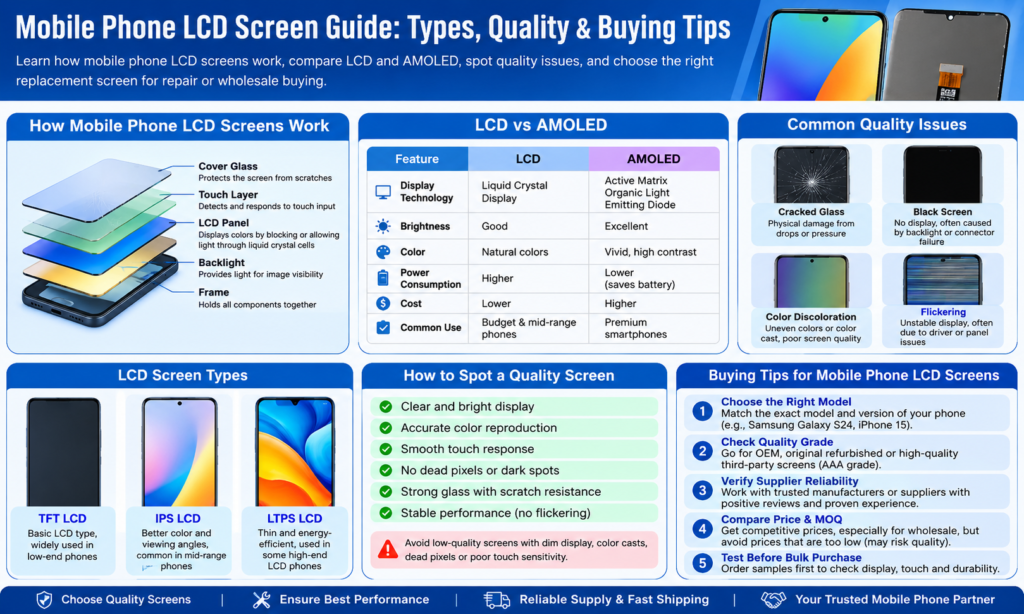
A LCD displej mobilního telefonu může vypadat jako jeden tenký kus skla, ale ve skutečnosti je to pečlivě navržená sestava displeje vyrobená z několika funkčních vrstev a elektronických součástek. I když technologie OLED a AMOLED dominují mnoha prémiovým smartphonům 2026, LCD zůstává důležité, protože nabízí praktickou kombinaci kvality obrazu, výrobní zralost, dostupnost, a náklady. Pokud si koupíte náhradní obrazovky, opravovat telefony, řídit obchod s mobilními díly, nebo prostě chcete pochopit, co je uvnitř vašeho smartphonu, Naučte se pár základů LCD vám ušetří peníze a pomůže vám vyhnout se nekvalitním náhradním dílům. Displej je také jednou z nejčastěji manipulovaných komponent v telefonu, takže pochopení jeho konstrukce usnadňuje rozpoznání, proč praskliny, mrtvých pixelů, linky, problémy s dotykem, poruchy podsvícení, a dojde ke změně barvy displeje. Aktuální průmyslová data ukazují, že LCD ze smartphonů nezmizely: TrendForce odhaduje, že LCD panely smartphonů, včetně a-Si a LTPS LCD, bude představovat asi 59% zásilek panelů smartphonů v 2026, nebo zhruba 1.33 miliarda panelů, zatímco se očekává, že AMOLED bude představovat přibližně 41%. Díky tomu jsou znalosti LCD překvapivě relevantní i na trhu chytrých telefonů s velkým množstvím OLED. Tato příručka vysvětluje technologii srozumitelným jazykem a zaměřuje se na praktické detaily, na kterých záleží 2026, od konstrukce obrazovky a specifikací až po kvalitu výměny, testování, velkoobchodní nákup, skladování, a pokračující přechod na AMOLED.
Co je LCD obrazovka mobilního telefonu?
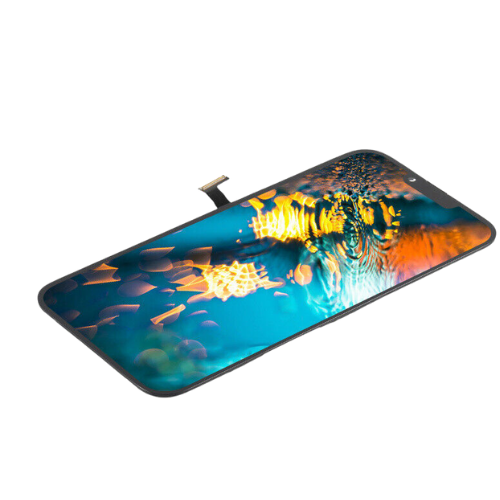
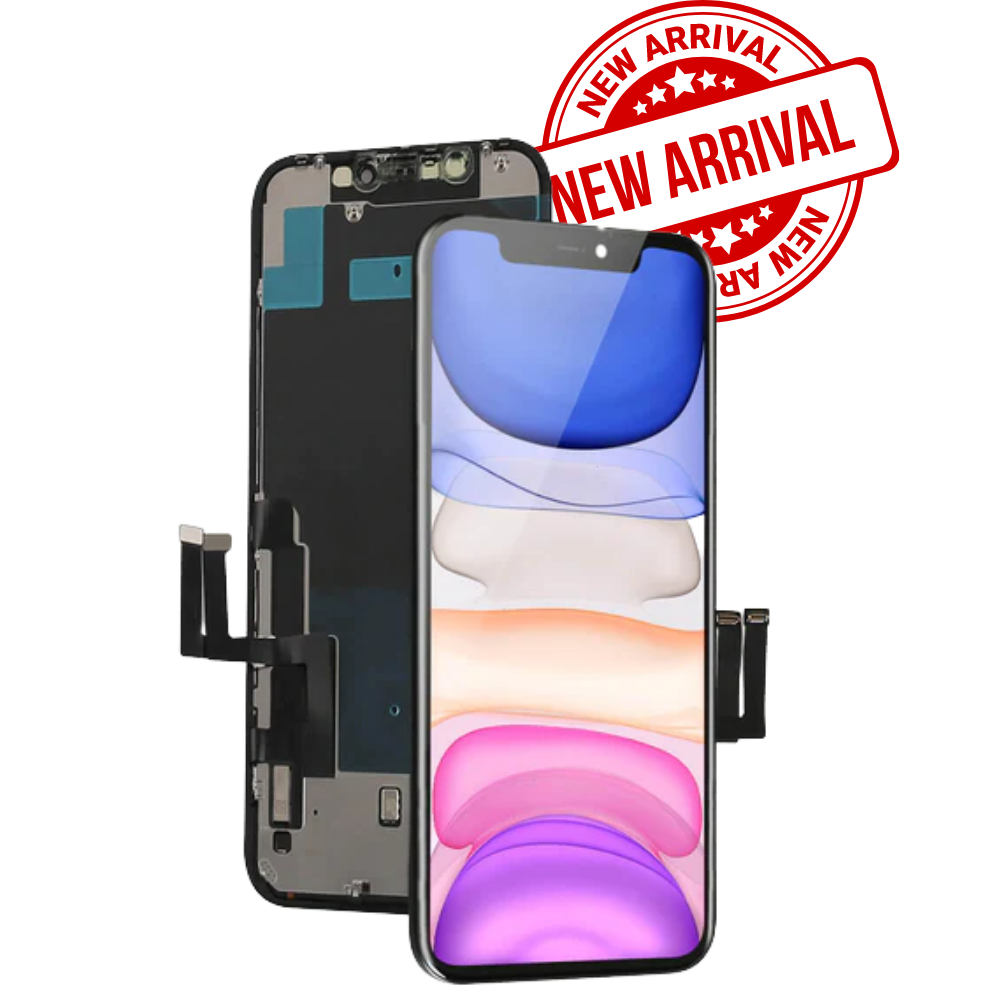
LCD znamená Displej z tekutých krystalů, technologie, která využívá materiál s tekutými krystaly k řízení toho, kolik světla prochází jednotlivými pixely. Na rozdíl od OLED, LCD normálně nevytváří světlo samo o sobě; místo toho, spoléhá na samostatné podsvícení umístěné za panelem s tekutými krystaly. Představte si podsvícení jako lampu za sadou malých nastavitelných oken: světlo je vždy k dispozici, zatímco tekuté krystaly určují, kolik tohoto světla dosáhne vašich očí. Každý pixel je rozdělen na menší subpixely, obvykle červená, zelený, a modrá, a tyto subpixely společně vytvářejí barvy, které vidíte na fotografiích, videa, hry, a aplikace. Samotný LCD panel je řízen tenkovrstvým tranzistorem, nebo TFT, pole, které spravuje jednotlivé pixely elektrickými signály. Sestava displeje telefonu může také obsahovat vrstvu snímající dotyk, polarizátory, optické filmy, krycím sklem, flexibilní tištěné obvody, a integrovaný obvod ovladače displeje. To je důvod, proč tvrzení, že telefon má „obrazovku“, může být při diskuzi o opravných dílech mírně zavádějící: výměna se může týkat samotného LCD panelu nebo kompletní sestavy obsahující několik dalších vrstev. V praktických opravárenských a velkoobchodních trzích, Je nezbytné přesně pochopit, která součást se prodává, protože dva produkty, které vypadají zepředu téměř identicky, mohou mít velmi odlišnou konstrukci, jas, dotykový výkon, trvanlivost, a cenu.
Jak LCD obrazovka vytváří obraz
Základní proces výroby obrazu LCD je snazší pochopit, když si představíte miliony malých závěrek, které spolupracují. Podsvícení vytváří bílé světlo, a vrstva tekutých krystalů mění množství světla, které prochází každým subpixelem. Elektrické signály sdělují obvodům TFT, jak by se každý pixel měl chovat, zatímco barevné filtry určují, zda světlo zčervená, zelený, nebo modrá. Ovládáním intenzity těchto tří subpixelů, displej dokáže reprodukovat obrovskou škálu barev. Pixel zobrazující bílou barvu umožňuje silné příspěvky ze všech tří kanálů, zatímco tmavší pixel snižuje množství procházejícího světla. Tato architektura se zásadně liší od OLED, kde každý pixel je emisní prvek, který produkuje své vlastní světlo. Tento rozdíl vysvětluje několik známých vlastností: LCD vyžadují podsvícení, zatímco OLED pixely lze jednotlivě vypnout; Úrovně černé LCD jsou proto obecně omezeny tím, jak účinně panel a optická soustava blokují podsvícení. Kvalita LCD není určena pouze jeho rozlišením, buď. TFT design, materiál z tekutých krystalů, optické filmy, účinnost podsvícení, barevné filtry, elektronika řidiče, a kalibrace ovlivňují to, co uživatel skutečně vidí. Na náhradním displeji, i když dva panely mají stejné rozlišení a pozici konektoru, nemusí poskytovat stejný jas, Prohlížení úhlů, barvy, dotyková odpověď, nebo spotřeba energie. Dobrá výroba LCD je proto balancováním mezi elektrickým ovládáním, optický výkon, mechanická struktura, a výrobní náklady.
LCD vs OLED vs AMOLED in 2026
Trh s displeji smartphonů v 2026 se stále více dělí podle umístění zařízení. OLED a AMOLED jsou silně spojeny s prémiovými telefony a telefony vyšší střední třídy, protože dokážou poskytnout vynikající kontrast, hluboké černé, tenké struktury, a flexibilní designy. LCD zůstává vysoce konkurenceschopný v zařízeních citlivých na náklady a na sekundárním trhu a trhu oprav, kde je mimořádně důležitá cenová dostupnost a široká dostupnost modelů. TrendForce informoval v srpnu 2026 že a-Si LCD si i nadále udržuje významnou poptávku kvůli své nižší ceně a použití na základní úrovni, střední pásmo, sekundární, a opravárenské aplikace, zatímco poptávka po chytrých telefonech LTPS LCD klesá. AMOLED se stále rozšiřuje, zejména ve střední a vyšší části trhu smartphonů, ale to neznamená, že každá výměna LCD se stává zastaralou. Pro majitele telefonu, rozdíl může být spíše praktický než ideologický: výměna OLED může poskytnout lepší kontrast a tenčí konstrukci, zatímco výměna LCD může být ekonomičtější volbou, pokud je kompatibilní s původním designem zařízení. AMOLED také zavádí své vlastní úvahy o opravách, včetně možného vyhoření, křehkost panelu, složitost spojování, a rozdíly mezi pružnými a tuhými strukturami. V 2026, průmysl také věnuje větší pozornost LTPO JSTE, který umožňuje variabilní obnovovací frekvence a může zlepšit energetickou účinnost u prémiových telefonů. Counterpoint očekává, že LTPO backplane budou stále dominantnější u špičkových smartphonů, s překročením LTPO 40% OLED panelů smartphonů podle jeho 2026 zobrazit předpovědi. Tak, při porovnávání technologií, nejlepší otázka není jen „Která obrazovka je lepší?“, ale „Jaká technologie obrazovky je vhodná pro tento telefon, aplikace, rozpočet, a požadavek na opravu?“
Hlavní typy LCD obrazovek telefonů
Existuje několik LCD technologií a klasifikací, které se mohou objevit v katalozích dílů pro chytré telefony, a terminologie se může rychle stát matoucí. TFT LCD je široká kategorie označující LCD panely řízené tenkovrstvými tranzistory, zatímco a-Si LCD používá amorfní křemík jako polovodičový materiál v TFT backplane a zůstává důležitý kvůli jeho relativně vyspělé a nákladově efektivní výrobě. LTPS LCD, nebo nízkoteplotní polysilikonový LCD, může podporovat vyšší mobilitu tranzistorů a historicky byl užitečný pro mobilní displeje s vyšším rozlišením a rychlejší odezvou. IPS, mezitím, se vztahuje na architekturu LCD navrženou pro zlepšení zarovnání tekutých krystalů a pozorovacích charakteristik; je běžně spojován s dobrými pozorovacími úhly a stabilní prezentací obrazu. Tyto výrazy se mohou v popisech produktů překrývat, proto by kupující neměli předpokládat, že marketingová značka vypráví celý příběh. Náhradní díl může být popsán jako IPS, TFT, a-Si, nebo jednoduše LCD v závislosti na dodavateli a trhu. Fyzická kompatibilita panelu je také kritická. Displej musí odpovídat rozměrům telefonu, konektor, flex kabel, chování ovladače displeje, dotykové rozhraní, rezoluce, montážní konstrukce, a softwarová očekávání. Nízkonákladová náhrada, která se hodí k rámu, ale má špatnou elektrickou konfiguraci, není skutečně kompatibilní. Pro velkoobchodní kupující, to je jeden z důvodů, proč je testování specifické pro daný model užitečnější než posuzování obrazovky podle fotografií nebo krátkého popisu produktu.
TFT LCD, IPS LCD, a a-Si LCD
Nejjednodušší způsob, jak porozumět těmto termínům, je uznat, že popisují různé aspekty displeje, nikoli vždy představují zcela samostatné kategorie produktů. TFT popisuje tranzistorový řídicí systém používaný k adresování pixelů, zatímco a-Si identifikuje polovodičový materiál použitý v konkrétní propojovací desce TFT. IPS popisuje uspořádání s tekutými krystaly, které má poskytovat lepší pozorovací vlastnosti než starší struktury LCD. V reálném světě obchodování s díly telefonu, tyto štítky jsou někdy používány nekonzistentně, takže kupující by si měl ověřit skutečné specifikace panelu spíše než spoléhat pouze na název. Kvalitní náhradní LCD by mělo zajistit stabilní jas napříč displejem, přiměřená barevná konzistence, dobré pozorovací úhly na svou třídu, přesná odezva na dotek, a správnou kompatibilitu s ovladačem displeje telefonu. Panely nízké kvality se mohou zdát přijatelné při jasném osvětlení showroomu, ale při pohledu venku odhalují slabé stránky, nakloněný z úhlu, nebo použít s tmavými obrázky. Některé levné LCD displeje mají také tlustší konstrukci, slabší dotykový výkon, viditelnější variace podsvícení, nebo méně přesné reprodukce barev. To neznamená, že každá výměna TFT je špatná nebo každý drahý panel je vynikající. Kvalita velmi závisí na designu panelu, materiálů, výrobní kontroly, proces lepení, elektronika řidiče, a inspekční normy. Z toho důvodu, profesionální kupující by měli zacházet Typ technologie LCD jako jedna specifikace z mnoha, spíše než jej používat jako jediný ukazatel kvality produktu.
Pochopení vrstev LCD obrazovky
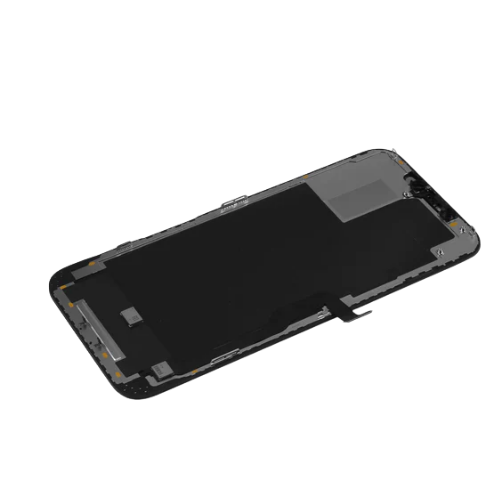
Sestava LCD smartphonu připomíná vrstvený sendvič, ve kterém každá vrstva vykonává určitou práci. Uprostřed je buňka LCD obsahující pole TFT, materiál z tekutých krystalů, a struktura barevného filtru. Polarizační fólie se používají k řízení chování světla procházejícího systémem tekutých krystalů, zatímco optické filmy mohou pomoci distribuovat nebo vést světlo z podsvícení. Za zobrazovací buňkou se nachází Jednotka LED podsvícení, který dodává osvětlení požadované LCD. Podle provedení, nad displejem může být také dotyková vrstva nebo struktura dotykového snímání, následují lepicí vrstvy a ochranné krycí sklo. Flexibilní tištěný obvod, často nazývaný an FPC, přenáší elektrické signály mezi sestavou displeje a základní deskou telefonu. IC ovladače displeje spravuje signály potřebné k ovládání panelu, a jeho integrace se může mezi modely obrazovek lišit. Tato vrstvená konstrukce vysvětluje, proč může výměna „síta“ zahrnovat různé postupy v závislosti na použitém dílu. Prasklé krycí sklo nemusí nutně znamenat poškození LCD pod ním, zatímco funkční LCD může mít stále porušenou dotykovou vrstvu. Naopak, náraz může poškodit několik vrstev současně, vytváření příznaků, jako jsou barevné čáry, černé plochy, selhání dotyku, nebo blikání. Při hodnocení náhradních dílů, znalost struktury vrstev pomáhá technikům zjistit, zda mají co do činění s poškozením skla, selhání dotyku, Poškození LCD buněk, problémy s podsvícením, nebo problém s elektronickým připojením.
Velikost obrazovky LCD, Rezoluce, a hustota pixelů
Velikost obrazovky je jednou z nejviditelnějších specifikací, ale neříká vám, jak ostrý bude obraz vypadat. Rozlišení popisuje počet pixelů uspořádaných vodorovně a svisle, zatímco hustota pixelů, běžně vyjádřené jako pixely na palec nebo PPI, zohledňuje, jak jsou tyto pixely rozmístěny po fyzické oblasti zobrazení. 6,5palcový displej a 6,5palcový displej proto mohou vypadat velmi odlišně, pokud se liší jejich rozlišení nebo hustota pixelů. Vyšší hustota pixelů obecně umožňuje, aby text a detailní obrázky vypadaly ostřeji, i když přínos se stává méně zřejmým, když se zvyšuje hustota pixelů a mění se podmínky sledování. Při nákupu náhradního displeje, shoda s původním rozlišením je důležitá, protože software telefonu, grafický procesor, a řadič displeje jsou navrženy podle konkrétních charakteristik. Náhrada s jiným rozlišením může způsobit problémy s měřítkem, neobvyklá kvalita obrazu, nebo problémy s kompatibilitou. Velikost také zahrnuje více než diagonální měření: aktivní zobrazovací plocha, poměr stran, rámová struktura, uspořádání zářezu nebo děrování, a montážní rozměry musí odpovídat zařízení. Moderní smartphony často používají úzké rámečky a neobvyklé geometrie rohů, Díky tomu je mechanická kompatibilita stejně důležitá jako inzerovaná velikost úhlopříčky panelu. Pro opravny, čísla modelů a přesné specifikace dílů jsou proto mnohem bezpečnějšími identifikátory než fráze jako „6,5palcový LCD“. Obrazovka může mít správnou velikost a přesto může být pro konkrétní telefon zcela nevhodná.
Obnovovací frekvence a dotykové vzorkování
Obnovovací frekvence popisuje, jak často může displej aktualizovat svůj obraz, obvykle vyjádřeno v Hz. Aktualizuje se 60Hz panel 60 krát za sekundu, zatímco 90Hz nebo 120Hz panel může produkovat plynulejší pohyb a rolování, když software telefonu tyto režimy podporuje. Vzorkovací frekvence dotyku je jiná specifikace: popisuje, jak často dotykový systém detekuje nebo zpracovává dotykový vstup. Tato dvě čísla jsou často zaměňována, protože obě souvisí s odezvou, ale měří různé věci. Displej může mít vysokou obnovovací frekvenci, aniž by nutně musel mít mimořádně vysokou vzorkovací frekvenci dotyku, a rychlý dotykový systém automaticky neurychlí obnovování displeje. V náhradních dílech LCD, zachování původní obnovovací frekvence může být důležité pro uživatele, kteří očekávají plynulé posouvání nebo herní výkon. Však, panelu, dotykový ovladač, firmware telefonu, ovladač displeje, a základní deska musí spolupracovat, aby funkce fungovala správně. V 2026, displeje s vysokou obnovovací frekvencí se již neomezují pouze na nejdražší smartphony, ačkoli pokročilé technologie proměnlivého obnovování jsou zvláště významné u prémiových OLED zařízení. Counterpoint uvádí, že 144Hz a 165Hz OLED displeje se objevují jako širší výkonové funkce, spolu s rostoucí adopcí LTPO. Na výměnu LCD, proto, prostě vidět vysoké číslo v seznamu dodavatelů nestačí. Profesionální test by měl ověřit skutečné chování obnovy, přesnost dotyku, latence, a stabilitu na cílovém telefonu.
Proč LCD obrazovky potřebují podsvícení
Jednou z určujících charakteristik technologie LCD je její závislost na samostatném podsvícení. Tekuté krystaly regulují světlo, ale normálně viditelné světlo samy nevytvářejí. V moderních LCD displejích smartphonů, podsvícení obecně používá LED, protože jsou kompaktní, účinný, a vhodné pro tenká mobilní zařízení. Světlo prochází optickými fóliemi, které pomáhají distribuovat osvětlení po panelu, takže uživatel vidí přiměřeně jednotný obraz. Pokud selže podsvícení, LCD může stále produkovat obrazové informace, i když uživatel vidí černou nebo extrémně šedou obrazovku. To je důvod, proč technik může někdy zjistit, že telefon má funkční signál displeje, ale žádné viditelné osvětlení. Problémy s podsvícením mohou pocházet ze samotného podsvícení LED, ohyb displeje, konektor, obvody ovladače, napájení, nebo poškození sestavy panelu. Nerovnoměrné osvětlení se také může jevit jako světlé body, tmavé oblasti, stíny, nebo viditelné skvrny, zejména po poškození nebo nesprávně sestavené obrazovce. Protože podsvícení funguje nepřetržitě, když je viditelný obraz LCD, jeho účinnost ovlivňuje i spotřebu baterie. OLED má neodmyslitelnou výhodu pro zobrazování černého obsahu, protože jednotlivé pixely lze vypnout, spíše než nepřetržitě podsvětlovat samostatné podsvícení. Stále, Technologie podsvícení LCD se stala velmi vyspělou, a dobré panely mohou poskytovat silný jas a konzistentní osvětlení za relativně nízkou cenu.
Běžné problémy s mobilní LCD obrazovkou
Nejběžnější problémy související s LCD obvykle pocházejí z fyzického nárazu, tlak, vlhkost, stárnutí, výrobní vady, nebo poškození během opravy. Prasklé krycí sklo je jasným příkladem, ale základní LCD může zůstat funkční i po některých typech nárazů. Ostatní neúspěchy jsou zpočátku méně dramatické: displej může vytvořit svislou čáru, lokalizované zbarvení, blikat, matné sekce, mrtvých pixelů, nebo občasná ztráta obrazu. Tlak z nesprávně osazeného rámu může poškodit panel i bez viditelné praskliny, zejména když je telefon sestavován nadměrnou silou nebo když náhradní díl nesedí správně. Lepidlo může také způsobit problémy, pokud je naneseno nerovnoměrně nebo kontaminuje citlivá místa. Poškození ohebného kabelu je další běžnou příčinou, protože FPC je tenký a musí se ohýbat v omezeném mechanickém rozsahu. Vlhkost může způsobit korozi nebo elektrickou nestabilitu kolem konektorů a obvodů displeje, zatímco teplo může urychlit poškození elektronických součástek a lepidel. Náhradní obrazovka, která projde jednoduchým testem „rozsvícení“, může mít stále vady, které se projeví i po delším používání. Proto by odborná kontrola měla zahrnovat jas, barva, dotek, úhel pohledu, kontroly mrtvých pixelů, jednotnost obrazu, stav konektoru, a funkční testování. Pro velkoobchodní kupující, spolehlivý proces kontroly kvality je fakticky pojistkou: před odesláním to stojí nějakou dobu, ale může zabránit mnohem větším nákladům způsobeným vracením zboží, stížnosti zákazníků, ztracená práce, a poškozenou pověst.
Co způsobuje Ghost Touch a Touch Failure?
Dotek ducha nastane, když telefon zaregistruje dotyky, které uživatel ve skutečnosti neudělal. Symptom může vypadat téměř záhadně: aplikace se otevírají samy, ikony se pohybují, text se zadává automaticky, nebo se zdá, že displej odpovídá náhodně. Příčina však obvykle souvisí se systémem dotykového snímání, elektrické rušení, vlhkost, poškozené součásti, špatná montáž, nebo nekompatibilní náhradní displej. Poškozená dotyková vrstva nebo FPC může vytvářet přerušované signály, které telefon interpretuje jako pravý vstup. Vlhkost nebo vodivé znečištění kolem konektoru displeje může mít podobný účinek. Nekvalitní náhradní obrazovky mohou také používat dotykové komponenty, jejichž elektrické vlastnosti se liší od původního provedení, na některých telefonech způsobuje nestabilní chování. Další možností je mechanický tlak: pokud je displej stlačen rámem nebo lepidlem, dotyková vrstva se může chovat abnormálně. Před obviňováním LCD panelu, technici by měli konektor zkontrolovat, očistěte příslušné kontaktní plochy, otestujte jinou sestavu, o které víte, že je dobrá, a zkontrolujte, zda problém po výměně displeje nezmizí. Dobrý diagnostický proces je jako řešení detektivního případu: eliminovat jednoho podezřelého najednou místo okamžité výměny každé součásti. Pro spotřebitele, důležité ponaučení je, že dotyk duchů nemusí vždy znamenat, že samotný LCD je fyzicky prasklý. Může to být sestava displeje, spojení, životního prostředí, nebo problém související se softwarem, takže na diagnóze záleží, než utratíte peníze za náhradu.
Černá obrazovka, Blikající, a Zobrazení řádků
A černá obrazovka může mít několik různých příčin, a samotný symptom neidentifikuje vadnou komponentu. Pokud telefon vibruje, přijímá hovory, vydává zvuky upozornění, nebo může být jinak ukázáno, že běží, problém může být spíše zobrazovací systém než celé zařízení. Úplně černý LCD může být důsledkem špatného podsvícení, poškozený LCD článek, rozbité FPC, uvolněný konektor, nebo porucha displeje související s napájením. Blikání může být podobně způsobeno poškozeným panelem, nestabilní spojení, obvody ovladače, nebo fyzický tlak na sestavu displeje. Svislé nebo vodorovné čáry často indikují poškození panelu nebo jeho lepených spojů, zvláště když zůstanou ve stejné poloze bez ohledu na zobrazený obraz. Však, diagnostika by měla stále zahrnovat kontrolu konektorů a porovnání zařízení s obrazovkou, o které se ví, že je dobrá, protože porucha základní desky může někdy způsobit příznaky zobrazení. Vodítkem může být i zkreslení barev: neobvyklé zabarvení může být způsobeno poškozením panelu, problémy s polarizací, kalibrační rozdíly, nebo vadnou výměnou. Pokud se na obrazovce začnou objevovat problémy ihned po instalaci, spíše než předpokládat normální stárnutí by měl být prozkoumán proces instalace a kompatibilita. Při nákupu náhradních LCD, je užitečné udržovat záznam informací o sériových nebo šaržích a výsledcích kontroly. To usnadňuje identifikaci, zda se problém týká jedné jednotky nebo je spojen s konkrétní výrobní šarží.
Originál, OEM, Zrekonstruovaný, a kompatibilní obrazovky
Terminologie obrazovek může způsobit zmatek stejně jako samotná technologie. Originál obvykle odkazuje na součást vyrobenou pro původní dodavatelský řetězec zařízení nebo z něj pocházející, ačkoli přesný obchodní význam se může lišit podle prodejce a trhu. OEM znamená výrobce originálního vybavení, ale prodejci někdy používají tento termín volně, takže kupující by se měli zeptat, kdo přesně panel vyrobil a zda je nový, vytáhl, zrekonstruovaný, nebo sestavené z regenerovaných součástí. A repasovaná obrazovka může použít obnovený původní LCD nebo OLED panel, který byl spárován s novým sklem, nová dotyková vrstva, nebo jiné náhradní díly. A kompatibilní displej pro trh s náhradními díly je obvykle vyráběn výrobcem třetí strany a je navržen tak, aby fungoval s uvedeným modelem telefonu. Žádné z těchto označení automaticky nezaručuje kvalitu. Originální použitý panel se silným opotřebením může být méně atraktivní než vysoce kvalitní nový náhradní díl, zatímco levný seznam „OEM“ nemusí poskytovat stejný výkon jako skutečně ověřený originální komponent. Nejbezpečnějším přístupem je vyhodnocení skutečných vlastností produktu: jas, barva, dotyková odpověď, rezoluce, fit, kvalita konektoru, trvanlivost, poruchovost, a záruka. Pro podniky, jasná terminologie také pomáhá předcházet nedorozuměním se zákazníky. Dodavatel by měl být schopen vysvětlit, zda je produkt originální nový, originál repasovaný, OEM třída, nebo aftermarket spíše než spoléhat na nejednoznačné fráze. V a 2026 trh oprav s intenzivní cenovou konkurencí, transparentní třídění se stává stále důležitějším, protože nejlevnější obrazovka nemusí být nutně nejlevnějším řešením po zahrnutí vrácení a práce.
Jak posoudit kvalitu LCD obrazovky
Posouzení LCD obrazovky vyžaduje více než jen pár sekund se na ni dívat pod osvětlením showroomu. Správné hodnocení by se mělo zvážit rovnoměrnost jasu, reprodukci barev, citlivost na dotyk, Prohlížení úhlů, vady pixelů, stabilita obrazu, fit, flex kvalita, a dlouhodobou spolehlivostí. Prvním krokem je obvykle vizuální kontrola škrábanců, kontaminace, praskliny, promáčkliny, abnormální hrany, nebo montážní vady. Displej by pak měl být testován s různými barvami, včetně bílé, černý, červený, zelený, a modré obrazovky, protože vady mohou být mnohem snáze vidět na konkrétním pozadí. Jas by měl být kontrolován v různých oblastech, nikoli pouze ve středu. Dotykové testování by mělo pokrýt celou aktivní oblast, včetně rohů a hran, protože některé nekvalitní sestavy mohou fungovat dobře uprostřed, ale selžou v blízkosti obvodu. Technici by také měli ověřit funkce související s blízkostí, zarovnání přední kamery tam, kde je to možné, automatické chování jasu, a stabilitu displeje za normálních provozních podmínek. Profesionální dodavatel může použít více inspekčních fází spíše než se spoléhat na jediný závěrečný test. To je zvláště důležité, protože výrobní vady mohou být občasné. Průmyslové podmínky v 2026 také učinit QC cennější: Rostoucí náklady na komponenty a tlak na dodavatelský řetězec nutí výrobce a značky, aby věnovali větší pozornost nákladům, inventář, a opětovné použití platformy. Counterpoint oznámil, že tlak na paměťové náklady povzbuzuje výrobce chytrých telefonů k rozšíření stávajících platforem displejů a upřednostnění vylepšení zaměřených na efektivitu v některých oblastech. 2026 produkty. V tomto prostředí, konzistentní kvalita se může stát silnější konkurenční výhodou než pouhé nabízení nejnižší nákupní ceny.
Výměna LCD obrazovky: Co by měli uživatelé vědět
Výměna displeje telefonu není jen otázkou odstranění rozbitého skla a připevnění nového panelu. Moderní smartphony jsou pevně sestavená zařízení, u kterých může být displej připojen k rámu, připojené přes jemné flex kabely, a integrovaný s dotykem, senzory, Kamery, reproduktory, a další komponenty. Před výměnou, důležitá data by měla být zálohována, pokud je to možné, a zařízení by mělo být vypnuto podle postupu opravy výrobce. Při demontáži, nadměrné teplo nebo síla mohou poškodit baterie, kabely, těsnění, nebo okolní komponenty. Po instalaci náhrady, technik by měl před konečnou montáží vyzkoušet funkci displeje a dotyku. Tento průběžný test je mimořádně cenný, protože odhalení vadné náhrady po úplném utěsnění telefonu plýtvá prací a zvyšuje riziko dalšího poškození během přepracování.. Dobrý pracovní postup výměny by měl ověřit výstup obrazu, jas, dotykem přes celou obrazovku, tlačítka a příslušné senzory, nabíjení, Kamery, reproduktory, a další funkce, které mohly být během opravy narušeny. Důležité je také vyrovnání lepidla a rámu, protože i technicky funkční panel se může stát nespolehlivým, pokud je instalován pod mechanickým namáháním. Spotřebitelé by si proto měli vybrat poskytovatele oprav spíše na základě kvality procesu než samotné ceny. Levná oprava, která využívá nevhodnou obrazovku nebo uspěchanou instalaci, se může výrazně prodražit, pokud se u telefonu objeví problémy s dotykem, zobrazovací řádky, kontaminace prachem, nebo pozdější poškození konstrukce.
Ceny LCD obrazovek a 2026 Trh s nabídkou
Ceny LCD telefonu se výrazně liší podle modelu, velikost obrazovky, technologie, objem výroby, stupeň, zdroj, a zda se díl prodává jako panel nebo jako kompletní sestava. Starší nebo základní modely mohou mít relativně levné náhrady LCD, protože výroba je vyspělá a poptávka je široká. Novější modely s neobvyklými rozměry, vysoké obnovovací frekvence, integrované dotykové systémy, nebo specializované sestavy mohou stát podstatně více. Velkoobchodní cena také závisí na množství, poruchovost, obal, expedice, záruční podmínky, a zda může dodavatel poskytnout stabilní opakované šarže. V 2026, dodavatelský řetězec displejů je ovlivněn širším tlakem na náklady na komponenty, zejména nedostatek paměti a zvýšení cen ovlivňující výrobce smartphonů. Srpen TrendForce 2026 výzkumné prognózy přibližně 2.25 miliardy prodaných panelů smartphonů po celém světě 2026, zastupující a 2.5% meziroční pokles, zatímco sekundární poptávka a poptávka po opravách pomáhá podporovat poptávku po panelech. Dříve v březnu, TrendForce předpokládal ostřejší 7.3% pokles, ukazuje, jak rychle se mohou tržní očekávání měnit s tím, jak se vyvíjejí podmínky nabídky a poptávky. Pro kupující, to znamená, že ceníky by neměly být považovány za trvalé. Dobrá nákupní strategie zohledňuje celkové pořizovací náklady, nejen kótovanou jednotkovou cenu. Pokud má o něco dražší obrazovka podstatně nižší poruchovost a lepší spokojenost zákazníků, může to vést k nižším efektivním nákladům na úspěšnou opravu.
| Zvažování obrazovky | Možnost s nižšími náklady | Možnost vyšší kvality |
|---|---|---|
| Počáteční jednotková cena | Obvykle nižší | Obvykle vyšší |
| Konzistence barev | Může se lišit | Obecně konzistentnější |
| Rovnoměrnost jasu | Může se lišit podle šarže | Obvykle se lépe ovládá |
| Odezva na dotyk | Závislý na modelu | Obecně stabilnější |
| Kvalitní konzistence | Závislý na dodavateli | Obvykle silnější s řízenou kontrolou kvality |
| Záruční riziko | Potenciálně vyšší | Často nižší |
| Nejlepší využití | Opravy citlivé na cenu | Profesionální opravy a dlouhodobé dodávky |
Proč na a-Si LCD stále záleží 2026
Je snadné předpokládat, že LCD mizí jednoduše proto, že vlajkové smartphony stále častěji používají OLED, ale tržní data vyprávějí složitější příběh. a-Si LCD zůstává důležitý, protože smartphony existují v mnoha cenových hladinách, a výrobci nenavrhují každý model podle stejné struktury nákladů. Základní telefony, náhradní zařízení, telefony sekundárního trhu, a opravárenské kanály vytvářejí poptávku po ekonomické zobrazovací technologii. TrendForce konkrétně identifikuje a-Si LCD jako udržující si významnou pozici díky nižším nákladům a pokračující poptávce ze základní úrovně., střední pásmo, sekundární, a opravárenské aplikace. To vytváří zajímavou situaci, ve které může LCD ztratit podíl na prémiových nových telefonech a přitom zůstat komerčně důležitý v rámci širší instalované základny. Opravárenský podnik proto může pokračovat v prodeji velkých objemů LCD obrazovek, i když v novinách dominuje technologie OLED. Další výhodou je výrobní vyspělost. Výroba LCD se v průběhu desetiletí zdokonalovala, a mnoho dodavatelů rozumí tomu, jak vyrábět panely ve velkém měřítku s předvídatelnými procesy. Problém je v tom, že ne každý LCD panel je stejně dobrý, zejména na aftermarketu. Kupující musí rozlišovat mezi vyspělou technologií a vysoce kvalitní implementací této technologie. Jinými slovy, LCD není automaticky zastaralé jednoduše proto, že OLED je novější. Je užitečnější uvažovat o LCD jako o vyspělém, nákladově efektivní technologie, jejíž nejsilnější role se přesunula směrem k hodnotově zaměřeným zařízením a trhům náhradních dílů.
Přechod z LCD na AMOLED
Přechod od LCD k AMOLED je jednou z největších změn v displejích smartphonů, a 2026 v tom pohybu pokračuje. Displeje založené na OLED mohou poskytovat samoemisivní pixely, hluboké černé, vysoký kontrast, tenké struktury, a flexibilní tvarové faktory, což je činí obzvláště atraktivními pro prémiové smartphony. kontrapunkt 2026 Výzkum OLED popisuje pokračující růst pokročilých OLED backplanů, jako je LTPO, zatímco Omdia předpovídá dodávky displejů smartphonů AMOLED kolem 778 milionů jednotek v 2026, A 7% meziroční pokles v důsledku širšího tlaku trhu smartphonů. Tento pokles jednotkových dodávek by neměl být interpretován jako kolaps technologie OLED; spíše, odráží komplikovaný trh smartphonů, na kterém vyšší náklady na komponenty a slabší poptávka ovlivňují celkovou produkci. Flexibilní OLED je i nadále strategicky důležitý, protože podporuje zakřivené a skládací konstrukce. Ve stejnou dobu, Výrobci stále častěji hledají zlepšení účinnosti, spíše než pouhé přidávání větších čísel do specifikací. Counterpoint hlášený v červenci 2026 že mnoho výrobců chytrých telefonů si zachovalo základy zobrazování z předchozích generací, přičemž se více soustředilo na efektivitu, protože náklady na paměť vyvíjely tlak na kusovníky zařízení. Pro dodavatele LCD a opravny, tento přechod vytváří tlak i příležitost. Poptávka po prémiových LCD se může nadále snižovat, ale instalovaná základna LCD telefonů zůstává obrovská, a zákazníci oprav stále potřebují cenově dostupné náhradní díly. Odvětví displejů pro chytré telefony se proto neposouvá od „LCD“ k „nic“; vyvíjí se do vícevrstvého ekosystému, kde LCD a OLED plní různé ekonomické a technické role.
Jak nakupovat LCD obrazovky telefonu pro velkoobchod
Velkoobchodní kupující by měli k nákupu LCD přistupovat jako k kontrola kvality a rozhodování o dodavatelském řetězci, není to jen cvičení cenového nakupování. Začněte s přesným modelem telefonu a číslem dílu, poté potvrďte velikost zobrazení, rezoluce, konektor, dotyková konfigurace, rámová nebo bezrámová konstrukce, obnovovací frekvence, a další relevantní specifikace. Další, písemně objasnit třídu produktu: originál nový, originál repasovaný, aftermarket, OEM třída, nebo jinou definovanou kategorii. Zeptejte se, jak dodavatel testuje obrazovky a zda může poskytnout politiku závad nebo záruku. Vzorky by měly být testovány předtím, než se pustí do velkého množství, zvláště když bude obrazovka prodávána do profesionálních opraváren. Jakmile dodavatel projde testováním vzorků, Konzistence opakovaných dávek se stává další otázkou. Obrazovka, která funguje dobře v pětidílném vzorku, ale v pozdějších sériích se výrazně mění, je obtížné vybudovat spolehlivou opravnu.. Balení je také důležité, protože sestavy LCD jsou citlivé na tlak, ohýbání, dopad, elektrostatický výboj, a vlhkost během přepravy. Rozumný nákupní proces se proto dívá na jednotková cena + QC + obal + expedice + poruchovost + záruka + sdělení, spíše než samotnou jednotkovou cenu. Pro kupující nakupující z Číny, ověření dodavatele by mělo zahrnovat zázemí společnosti, výrobní schopnost, testování vzorku, inspekční záznamy, a schopnost udržovat konzistentní specifikace. Nejsilnější dodavatelský vztah je takový, kdy obě strany považují technické specifikace za měřitelné požadavky namísto vágních marketingových tvrzení.
Praktické tipy pro skladování a přepravu LCD obrazovek
Dobrá obrazovka LCD může být poškozena dříve, než se dostane k servisnímu technikovi, pokud se špatně manipuluje se skladováním a přepravou. Displeje by měly být chráněny před nadměrným tlakem, protože nahromaděná hmotnost může namáhat tenké panely a způsobit praskliny, deformace, nebo jiné závady. Balení by také mělo snížit vibrace a nárazy během přepravy, zejména když zásilky procházejí více logistickými uzly. Ochrana před elektrostatickým výbojem může být nezbytná pro sestavy obsahující citlivé elektronické součástky, zatímco kontrola vlhkosti je důležitá, když se zboží pohybuje ve vlhkém prostředí nebo dochází k výrazným změnám teploty. Obrazovky by měly v ideálním případě zůstat ve vhodném ochranném obalu, dokud nejsou připraveny ke kontrole nebo instalaci. Sklady by se měly vyvarovat neopatrnému stohování, nekontrolované teplo, a prostředí, kde by mohlo dojít k úniku vody nebo kondenzaci. Při příjmu kontroly, kupující by měli zkontrolovat vnější kartony před jejich otevřením, protože zjevné poškození při přepravě může poskytnout užitečný důkaz při vyřizování reklamací. Je také užitečné zkontrolovat reprezentativní vzorek z každé příchozí šarže místo toho, abychom předpokládali, že dříve schválený dodavatel vždy dodá stejnou kvalitu. To je zvláště důležité v 2026 protože dodavatelské řetězce displejů smartphonů zůstávají dynamické, s výrobci panelů, kteří vyvažují poptávku po chytrých telefonech a automobilových, TO, a další zobrazovací aplikace. Counterpoint oznámil, že Čína představovala téměř 75% globální vstupní oblasti TFT v 2026, ilustrující rozsah a důležitost čínské výrobní kapacity displejů. Pro distributory a opravny, pečlivá logistika proto není nepodstatným administrativním detailem; jsou součástí řízení kvality výrobků.
Závěr
Svět LCD obrazovky mobilních telefonů 2026 je zajímavější, než se na první pohled zdá. LCD již není výchozí technologií pro každý nový smartphone, ale zůstává komerčně důležitý kvůli jeho cenovým výhodám, vyspělý výrobní ekosystém, obrovská instalovaná základna, a pokračující poptávka ze základní úrovně, sekundární, a opravárenské trhy. Ve stejnou dobu, AMOLED a pokročilé technologie OLED, jako je LTPO, se nadále rozšiřují, zejména v prémiových zařízeních a zařízeních vyšší střední třídy. Pochopení rozdílu mezi LCD, TFT, IPS, a-Si, LTPS, OLED, a AMOLED pomáhá kupujícím činit lepší rozhodnutí a zabraňuje záměně kategorie technologie se stupněm kvality. Pro servisní techniky a spotřebitele, nejužitečnější znalost je praktická: černá obrazovka nemusí vždy znamenat mrtvý telefon, Ghost touch nemusí vždy znamenat prasklý LCD, a obrazovka, která fyzicky sedí, nemusí být nutně dobrou náhradou. Pro velkoobchodní kupující, kontrola kvality, jasné třídění produktů, ověření dodavatele, obal, záruka, a konzistence opakovaných dávek může být důležitá stejně jako cena. Čím širší 2026 trh displejů je také formován rostoucími náklady na komponenty a měnící se poptávkou po chytrých telefonech, takže dodavatelé a kupující musí sledovat trh spíše než spoléhat na staré předpoklady. Nejjednodušší je toto: znát technologii, ověřte specifikace, otestujte skutečnou obrazovku, a před nákupem si spočítejte celkové náklady na kvalitu. Tyto čtyři návyky zůstávají užitečné, ať už vyměňujete jednu obrazovku telefonu nebo kupujete tisíce sestav LCD pro opravu.
Často kladené otázky o LCD obrazovkách mobilních telefonů
1. Je LCD stále dobrá technologie obrazovky telefonu? 2026?
Ano. LCD u prémiových smartphonů ztratilo pozici ve srovnání s OLED, ale zůstává vysoce relevantní v zařízeních zaměřených na hodnotu a na trzích náhradních dílů. Jeho vyspělá výrobní základna a nižší náklady jej činí atraktivním pro cenově dostupné smartphony a opravy. TrendForce očekává, že LCD panely budou představovat přibližně 59% globálních dodávek panelů chytrých telefonů v 2026 při kombinaci a-Si a LTPS LCD.
2. Jaký je rozdíl mezi LCD a AMOLED obrazovkou?
Klíčový rozdíl je v tom, jak se světlo vyrábí. LCD využívá samostatné podsvícení, které prosvítá skrz tekuté krystaly, zatímco AMOLED používá samoemisivní pixely, které generují vlastní světlo. AMOLED tedy může dosáhnout velmi hlubokých odstínů černé a umožnit tenčí nebo flexibilní návrhy, zatímco LCD zůstává atraktivní pro nákladově citlivé aplikace.
3. Znamená dražší náhradní LCD vždy lepší kvalitu?
Ne nutně. Cena může odrážet mnoho faktorů, včetně zásobování, popularita modelu, stupeň, obal, záruka, a objem výroby. Nejlepší způsob, jak posoudit kvalitu, je skutečné testování jasu, barva, dotyková odpověď, fit, pixelů, a spolehlivost spíše než spoléhat se pouze na cenu nebo označení jako „OEM“.
4. Proč má náhradní LCD někdy špatnou odezvu na dotyk?
Mezi možné příčiny patří vadná dotyková vrstva, poškozený flex kabel, špatný kontakt konektoru, nekompatibilní komponenty, instalační tlak, vlhkost, nebo méně kvalitní aftermarket montáž. Testování telefonu se známou dobrou obrazovkou je jedním z nejužitečnějších způsobů, jak oddělit problém s displejem od problému se základní deskou nebo softwarem..
5. LCD ze smartphonů brzy úplně zmizí?
Krátkodobě asi ne. Adopce OLED stále roste, ale LCD stále slouží cenově citlivým telefonům a má značnou poptávku na sekundárních a opravárenských trzích. To důležité 2026 trend není jen „LCD zmizí,“ ale spíše LCD se více koncentruje v aplikacích citlivých na náklady, zatímco OLED expanduje do širších segmentů chytrých telefonů.