Introduction to Morocco’s Mobile Ecosystem
Why Morocco Matters in North Africa’s Digital Economy
Morocco has quietly become one of North Africa’s most advanced digital markets. Picture a country where mobile penetration exceeds the population count itself—yes, more active lines than people. That level of connectivity transforms smartphones from simple gadgets into everyday essentials powering work, entertainment, and business operations.
Key Market Signals in 2025
By 2025, Morocco’s smartphone market shifted gears. Instead of racing to attract new users, brands now focus on upgrades, services, and deeper engagement. The industry isn’t expanding outward—it’s evolving inward, improving quality and value.
Executive Overview of the 2025 Market
Market Maturity and Growth Transition
With penetration reaching around 166%, Morocco has entered a mature phase. Growth comes less from new subscribers and more from replacing old devices and increasing data usage. Consumers now expect better performance, longer battery life, and stronger after-sales service.
Smartphone Penetration and Usage Behavior
Approximately 80% of mobile devices in use are smartphones. That means a massive installed base constantly interacting with apps, streaming services, and digital payments—fueling both device sales and repair demand.
Market Macro Environment Analysis
Mobile Penetration and Multi-SIM Culture
Moroccans commonly carry multiple SIM cards. Many maintain separate numbers for work, personal use, and data plans. This behavior pushes mobile penetration above 100% and keeps network competition intense.
Consumer Behavior Patterns
Users are price-sensitive but tech-curious. They want advanced features but expect affordability—like wanting luxury performance at economy pricing.
Data Consumption Trends
Video streaming, social media, and gaming drive high data consumption. As mobile internet becomes central to daily life, network reliability becomes a key factor in device choice.
Regulatory Landscape and Digital Policies
Digital Morocco Plan 2025–2030
Government initiatives aim to close the digital divide and boost broadband adoption. Investments in infrastructure and e-government services encourage smartphone adoption in rural areas.
5G Spectrum Strategy and Network Expansion
Morocco plans to introduce 5G through spectrum auctions starting around 2025. Major national events serve as testing grounds for early deployments.
mpact on Device Upgrade Cycles
As 5G rolls out, consumers may upgrade devices to access faster speeds—creating a fresh wave of demand for mid-to-high-end smartphones.
Tariff Policy Changes and Trade Environment
Customs Digitalization and Transparency
Recent customs reforms emphasize electronic payments and transparent dispute resolution processes. For importers, that means smoother transactions and clearer regulations.
Import Regulations for Electronics
While tariffs on consumer electronics remain relatively stable, improved procedures reduce administrative delays, helping brands manage supply chains more efficiently.
Smartphone Brand Competition and Sales Trends
Market Share Overview
The African smartphone market rebounded strongly in 2025, and Morocco followed the trend. A handful of brands dominate, accounting for a significant portion of sales.
Transsion’s Dominance
Transsion leads the entry-level segment with brands like TECNO and Infinix. Its strategy focuses on affordability and localized features—such as camera tuning for local skin tones.
Samsung’s Premium Strategy
Samsung holds strong ground in the premium segment. Flagship models attract professionals and tech enthusiasts seeking performance and brand prestige.
Xiaomi’s Rapid Localization Growth
Xiaomi stands out as one of the fastest-growing brands. By establishing local subsidiaries and flagship stores, it’s moving beyond simple distribution toward deeper local engagement.
Rising Challengers: OPPO and Honor
Though smaller in share, brands like OPPO and Honor continue expanding, targeting style-focused consumers and value-driven buyers.
Pricing Segments and Consumer Preferences
Entry-Level Smartphone Competition
Devices priced between $80 and $150 remain the battlefield for mass adoption. Here, value matters more than brand loyalty.
Midrange Market Battles
Midrange phones offer the sweet spot—good cameras, solid performance, and reasonable prices. This segment is expected to grow as users upgrade from basic smartphones.
Premium Market Opportunities
Premium models benefit from upcoming 5G deployments. As network speeds improve, consumers look for devices capable of advanced features.
Distribution Channels and Localization Strategies
Retail Expansion and Local Subsidiaries
Brands increasingly open local stores and service centers. This not only improves customer experience but also builds trust.
Online Sales Growth
E-commerce is gaining traction, especially among younger consumers comfortable shopping online.
Morocco Smartphone Repair Market Analysis
Market Size Drivers
A massive installed base combined with longer replacement cycles drives strong repair demand. Instead of replacing a broken phone immediately, many consumers opt for affordable repairs.
Consumer Repair Behavior
Budget-conscious users prefer fixing screens or batteries rather than purchasing new devices—especially in the mid-to-low price segments.
Common Smartphone Repair Types
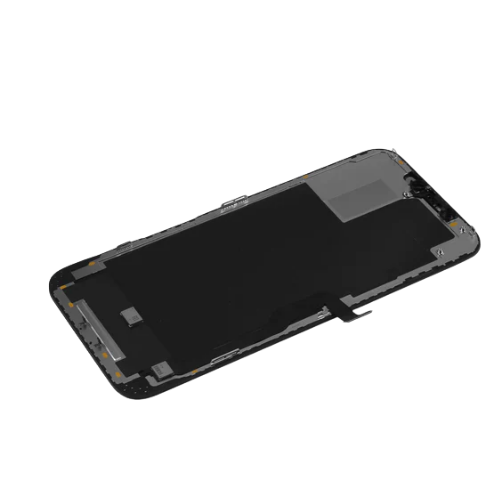
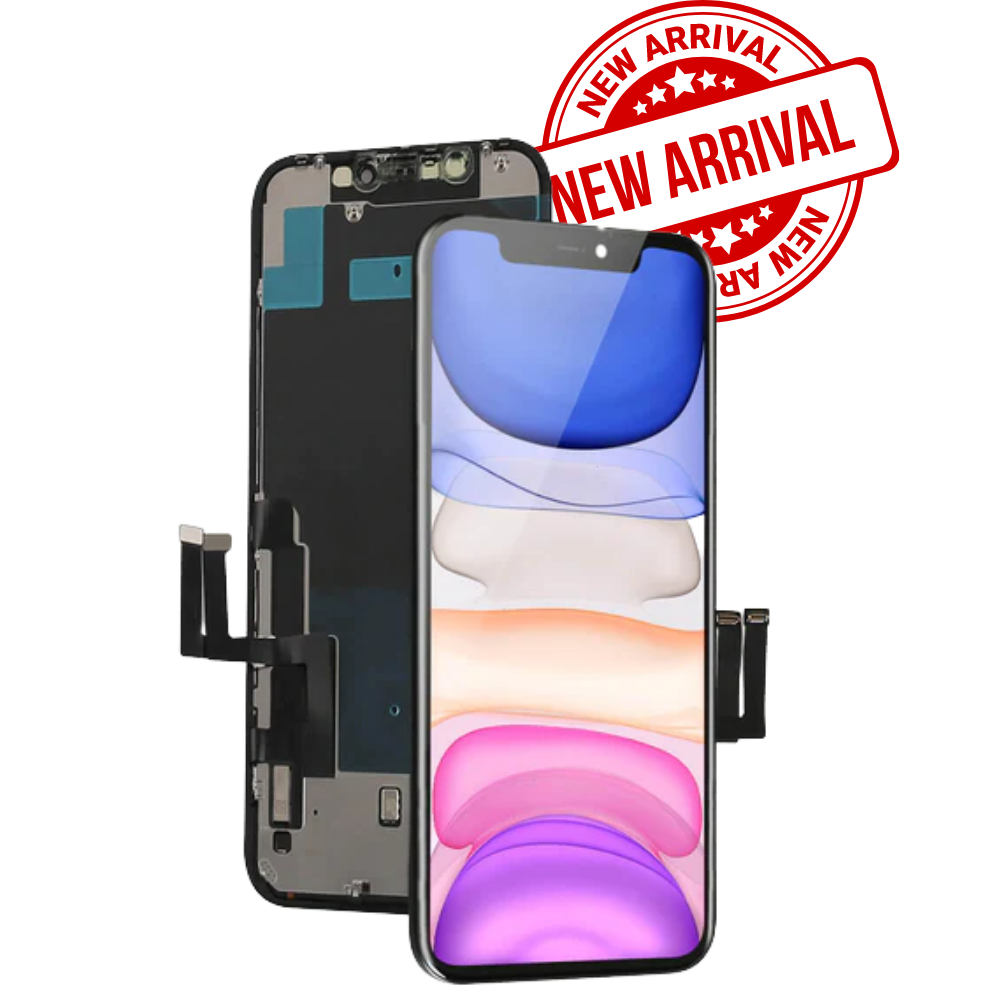
LCD and OLED Screen Damage
Screen damage remains the most common issue. Drops and accidental impacts account for a large percentage of repairs.
Battery Degradation
Over time, batteries lose capacity. Many users replace batteries to extend device lifespan.
Charging and Hardware Issues
Charging port failures and camera problems also contribute to steady repair demand.
LCD Screen Imports and Supply Chain Dependence
Key Import Sources
Morocco relies heavily on imported components from manufacturing hubs like China and South Korea. Local production remains limited.
Global Supply Chain Pressures
Rising memory prices and shipping costs can push up component prices, influencing repair costs and device pricing.
Tariff Impacts on Spare Parts and Repair Costs
Component Import Policies
Spare parts follow specific customs classifications. Stable policies create predictable pricing structures for repair businesses.
Indirect Global Cost Influences
Changes in global trade dynamics—insurance costs, logistics fees, and material shortages—can indirectly affect repair prices.
Market Challenges Facing Industry Players
Price Competition
Brands compete aggressively on price, squeezing margins and forcing companies to innovate in services rather than hardware alone.
Logistics and Currency Risks
Fluctuations in global supply chains and currency values can impact profitability and pricing strategies.
Opportunities in Morocco’s Mobile Ecosystem
After-Sales Service Expansion
Repair services, accessories, and extended warranties represent major growth areas.
5G Upgrade Wave
The rollout of 5G networks may trigger a new upgrade cycle, boosting demand for higher-performance devices.
Local Partnerships
Collaborations with retailers, telecom operators, and repair centers help brands build stronger market presence.
Strategic Recommendations
Advice for Smartphone Brands
Invest in localization, strengthen service networks, and diversify product portfolios to cover both budget and premium segments.
Advice for Repair Businesses
Build reliable supply chains for spare parts and expand services beyond repairs into refurbishment and trade-ins.
Advice for Investors and Policymakers
Encourage local assembly, technical training programs, and digital inclusion initiatives to support industry growth.
Future Outlook Toward 2030
Technology Trends
AI features, better cameras, and energy-efficient processors will shape future smartphone upgrades.
Consumer Behavior Evolution
Users will demand longer device lifespans, better repairability, and more sustainable technology options.
Conclusion
Morocco’s smartphone market in 2025 stands at a fascinating crossroads. It’s mature yet dynamic, saturated yet full of innovation. While Transsion continues to dominate entry-level segments, brands like Xiaomi are reshaping competition through localization and aggressive pricing strategies. Meanwhile, the repair industry grows alongside the expanding installed base, supported by strong demand for screen and battery replacements.
Government policies promoting digital transformation and upcoming 5G deployment provide strong momentum for future upgrades and services. The biggest winners in this evolving landscape will be those who understand that success is no longer just about selling devices—it’s about building ecosystems around users, services, and long-term relationships.
FAQs
1. Why is Morocco’s mobile penetration above 100%?
Many users maintain multiple SIM cards for different purposes, increasing the number of active mobile lines.
2. Which brands dominate Morocco’s smartphone market in 2025?
Transsion leads in entry-level devices, while Samsung dominates premium segments and Xiaomi is rapidly expanding.
3. What drives growth in the repair market?
High smartphone usage, longer upgrade cycles, and demand for affordable repairs contribute to steady growth.
4. How will 5G impact smartphone sales?
5G networks will encourage users to upgrade to compatible devices, boosting midrange and premium sales.
5. Are spare parts locally produced in Morocco?
Most smartphone components, especially screens, are imported from global manufacturing hubs.