Дата отчета: Декабрь 2025
Объем исследования: Нигерия
Ключевые слова: Доля рынка мобильных брендов, рынок ремонта смартфонов, виды ремонта, ЖК-импорт, тарифы, Коды ТН ВЭД
Управляющее резюме
Восстановление рынка после волатильности валют
2025 это был год возрождения индустрии мобильных телефонов Нигерии. После болезненной валютной турбулентности 2024, Стабилизация найры дала передышку как импортерам, так и потребителям.. И угадайте, что? Уверенность вернулась.
By Q3 2025, Поставки смартфонов выросли на 29% в годовом исчислении. Это не просто восстановление — это ускорение.
Конкуренция брендов и лидерство на рынке
На рынке по-прежнему доминируют бренды Transsion — Tecno., Infinix, и ител. Вместе, они контролируют почти половину рынка смартфонов в Нигерии. Тем временем, Samsung и Apple продолжают удерживать сильные позиции в премиум-сегменте.
Это как смотреть две гонки одновременно: бюджетные устройства мчатся по одной дорожке, а флагманские телефоны — по другой.
Расширение ремонтной отрасли
С более чем 140 миллионов смартфонов в использовании, Ремонтный рынок Нигерии переживает бум. Замена экрана и замена батареи — повседневная задача.. Экономика ремонта — это не второстепенная история, это центральный столп.
Импорт ЖК-дисплеев и тарифные проблемы
Вот поворот: пока полностью собранные смартфоны наслаждаются 0% импортная пошлина, на запасные части, такие как ЖК-экраны, взимаются тарифы между 5% и 20%, плюс 5% НДС. Этот дисбаланс формирует всю экосистему ремонта..
Обзор рынка мобильных телефонов Нигерии
Пользовательская база и проникновение смартфонов
По состоянию на середину 2025 г., Нигерия имеет 172 миллионов мобильных абонентов. Проникновение смартфонов достигло примерно 87%. Это означает, что почти у каждого, кто хочет иметь смартфон, он наверняка есть или собирается его купить..
Рост поставок в 2025
The 29% рост отгрузок в третьем квартале 2025 сигнализирует о возобновлении экономического оптимизма. Спрос на начальный уровень резко возрос, но спрос на премии также резко вырос.
Структура рынка: Модель роста «гантели»
Думайте об этом как о гантеле. Вес тяжелый с обоих концов:
- Устройства стоимостью менее 100 долларов выросли 57%.
- Премиум-устройства выше $500 вырос 52%.
Средний сегмент? Немного тише.
Размер рынка и факторы роста
Влияние стабилизации обменного курса
Когда найра стабилизировалась, улучшена предсказуемость импорта. Розничные торговцы могут уверенно оценивать продукцию. Потребители перестали ждать и начали покупать.
Спрос на устройства начального уровня
Производительность сегмента стоимостью менее 100 долларов США
Доступные смартфоны от Tecno, Infinix, и ител доминировал. Для многих нигерийцев, Соотношение цены и качества не является обязательным — оно важно.
Расширение премиум-сегмента
В то же время, Состоятельные потребители в Лагосе и Абудже увеличили спрос на флагманы Apple и Samsung.
Два мира, один рынок.
Доля рынка мобильных брендов в 2025
- Техно: 21.45%
- Infinix: 18.26%
- Samsung: 14%
- Яблоко: 10.06%
- Сяоми: 7.89%
- Другие/Неизвестно: 28.41%
Лидерство Tecno на рынке
Tecno лидирует благодаря локализованным инновациям — алгоритмам камеры, оптимизированным для более темных тонов кожи, и конкурентоспособным ценам..
Infinix и обращение молодежи
Infinix говорит на языке молодых нигерийцев — стильный дизайн, фокус на производительности, интернет-маркетинг.
Двухсегментная стратегия Samsung
От доступной серии A до моделей Galaxy высокого класса, Samsung играет и в нападении, и в защите..
Рост премиального рынка Apple
Числа Apple могут быть меньше, но его рост в сегменте высокого класса является мощным.
Стратегия конкурентного ценообразования Xiaomi
Xiaomi продолжает продвигать модели Redmi по агрессивной цене в средний класс.
Анализ рынка ремонта смартфонов в Нигерии
Прогноз рыночной стоимости и среднегодового темпа роста
В 2024, Нигерийский рынок ремонта электроники достиг $785.84 миллион. К 2030, по прогнозам, оно превысит $1.12 миллиард, растет в 6.02% Среднегодовой темп роста.
Это стабильно, предсказуемый рост.
Аппаратный и программный ремонт
Аппаратное обеспечение доминирует. Сломанные экраны и стареющие батареи приносят большую часть дохода.
Разбивка по типам ремонта
Требование замены экрана
Это король. Падения случаются. Экраны трескаются. Потоки доходов.
Тенденции замены батарей
Через 1–2 года, деградация батареи становится заметной. Быстрая зарядка ускоряет износ.
Зарядный порт & Ремонт материнской платы
Повреждение жидкостью и износ портов делают ремонт более прибыльным..
Программные услуги
Разблокировка, мигающий, и обновления остаются общими.
Структура ремонтной отрасли
Доминирование неформального сектора
Уличные техники по-прежнему доминируют. Небольших киосков больше, чем официальных ремонтных сетей.
Авторизованные сервисные центры
Такие бренды, как Carlcare, расширяются, предлагая стандартизированные услуги.
Инициативы государственной поддержки
Правительства некоторых регионов запустили фонды обучения для повышения квалификации ремонтных навыков..
Импорт ЖК-экранов и торговый анализ
Зависимость от импорта
Нигерии не хватает местных мощностей по производству ЖК-дисплеев. Почти все экраны импортированы..
Коды ТН ВЭД для подвижных частей
- Смартфоны: HS 8517.12
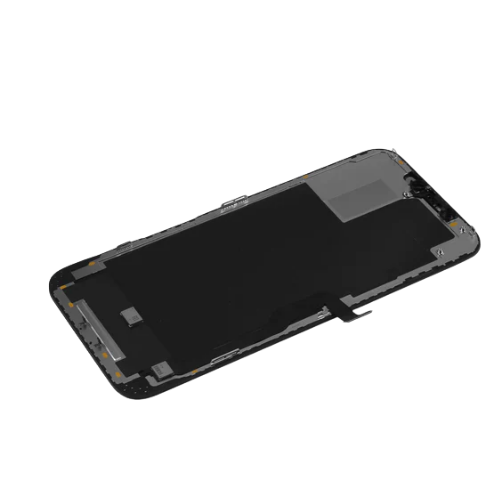
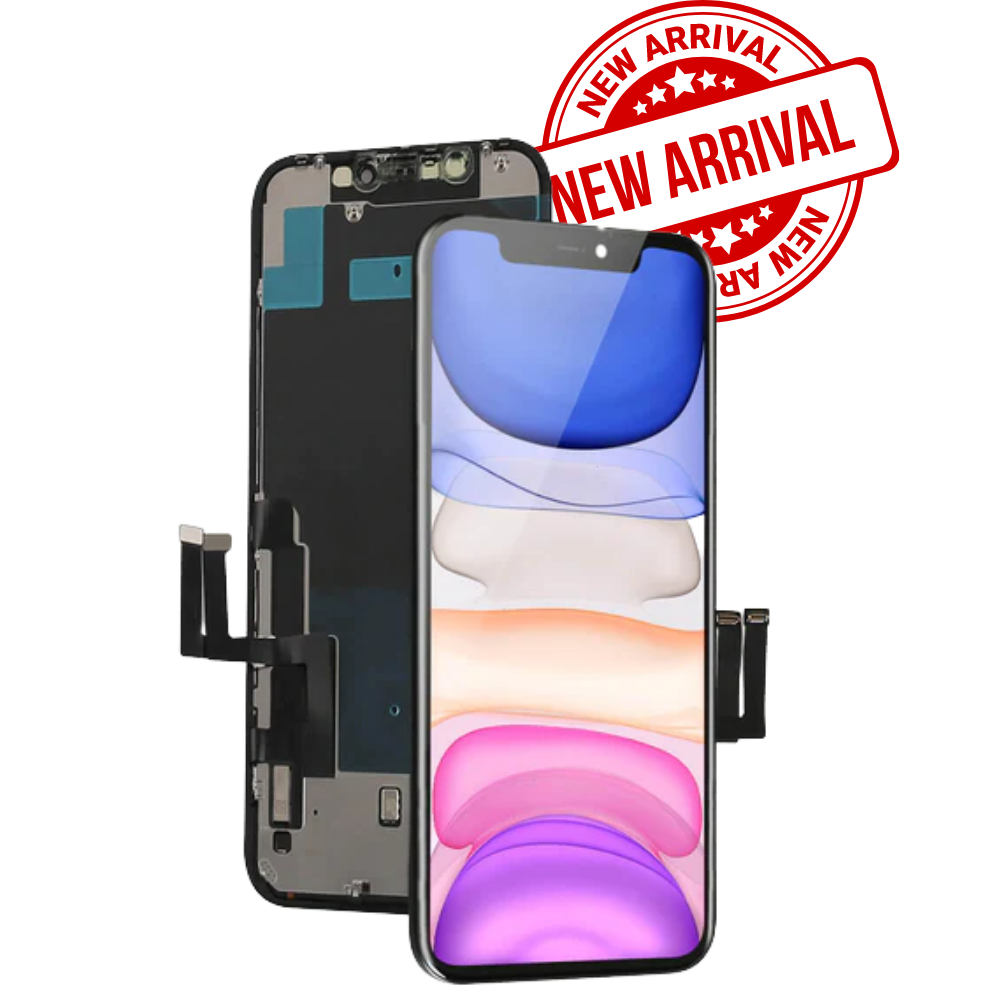
- Детали телефона/экраны: HS 8517.70
- Литиевые батареи: HS 8507.60
Основные страны-экспортеры
Вьетнам лидирует, за ними следуют Китай и Южная Корея.
Нигерия 2025 Тарифная и импортная политика
Тариф на импорт смартфонов (HS 8517.12)
0% долг. Но 5% НДС применяется.
ЖК-экран и стоимость запчастей (HS 8517.70)
5%–20% пошлина, в зависимости от классификации. Плюс 5% НДС.
Тариф на литиевую батарею (HS 8507.60)
5%–20%, требуется более строгая сертификация безопасности.
Пример расчета НДС и CIF
Импорт $10,000 стоит экранов с 10% долг:
- Долг: $1,000
- НДС: 5% на ($10,000 + $1,000)
- Общая налоговая нагрузка существенно возрастает.
Форма M и сертификация SONCAP
Регистрация по форме M и соответствие SONCAP являются обязательными для регулируемой электроники..
Влияние тарифов на рынок ремонта
Ценовое давление на оригинальные детали
Оригинальные детали становятся дорогими, а их импорт замедляется..
Рост компонентов серого рынка
Недорогие экраны послепродажного обслуживания наводняют рынок.
Проблемы качества и доверия потребителей
Нестабильное качество подрывает доверие к ремонтным службам..
Возможности для инвесторов и бизнеса
Расширение ремонтной цепочки
Стандартизированные ремонтные цепочки могут захватить долю рынка.
Распределение запасных частей
Надежные поставки запчастей – это золотая жила.
Обучение и развитие навыков
Центры профессионального обучения могут повысить отраслевые стандарты.
Перспективы рынка для 2026 и дальше
Прогноз отгрузки
Хотя Африка может столкнуться с небольшим спадом, Большая база Нигерии обеспечивает устойчивость.
Прогноз рынка ремонтов
По мере старения устройств, спрос на ремонт останется высоким.
Проблемы цепочки поставок
Реформы тарифов и стандартизация комплектующих будут определять будущее.
Заключение
Рынок мобильных телефонов Нигерии в 2025 стоит на перепутье. Рост вернулся. Уверенность растет. Спрос начального уровня процветает, и покупатели премиум-класса снова тратят. Но под поверхностью, ремонтная отрасль борется с тарифным дисбалансом и неэффективностью цепочки поставок.
Возможность? Массивный.
Кто решит головоломку с запчастями — эффективный импорт, оригинальные компоненты, справедливые цены — откроют следующий этап устойчивого роста экосистемы смартфонов в Нигерии..
Часто задаваемые вопросы
1. Каков уровень проникновения смартфонов в Нигерии? 2025?
Примерно 87%, с 140 миллионов смартфонов в активном использовании.
2. Какой бренд лидирует на рынке смартфонов Нигерии 2025?
Tecno занимает самую большую индивидуальную долю рынка.
3. Почему рынок ремонта стремительно растет?
Большая установленная база и устаревшие устройства стимулируют спрос на замену экранов и аккумуляторов..
4. Какая импортная пошлина на смартфоны в Нигерии?
Полностью собранные смартфоны несут 0% импортная пошлина, но требует 5% НДС.
5. Почему ремонт ЖК-экранов дорогой?
Потому что на запасные экраны взимаются импортные пошлины в размере 5–20% плюс НДС и требования по сертификации..