
🧭 Úvod
Na dnešním vzkvétajícím trhu oprav a renovací mobilních zařízení, Rozlišování mezi původní obrazovkou a znovu sestavenou nebo vadnou obrazovkou je dovednost, která vám může ušetřit spoustu peněz – a bolesti hlavy. Ať už nakupujete z místního trhu, hromadné testování obrazovek, nebo řešení problémů při opravě, zvládnutí „dívej se, slyš, ptej se a rozuměj“ (Podívejte, Poslouchat, Požádat, Cítit)“technika vám dává výhodu.
Tento průvodce se ponoří hluboko do fyzického, reálné metody kontroly LCD obrazovek smartphonů. Nepotřebujete žádné ozdobné nástroje – jen vaše oči, uši, ruce, a některé poznatky z oboru.
🔍 „Podívejte se, Poslouchat, Požádat, Vysvětlení rámce Feel
Počátky metody
Původně odvozeno z diagnostiky tradiční čínské medicíny, nyní nachází překvapivě praktické uplatnění v offline kontrole mobilní obrazovky.
Jak to platí pro LCD obrazovky
- (Podívejte): Vizuální kontrola hardwarových značek.
- (Poslouchat): Kontrola displeje & chování odezvy na dotyk.
- (Požádat): Dotazování na historii a zdroj.
- (Cítit): Hmatové a tlakové kontroly.
👁 Krok 1: Podívejte se – pozorovací techniky
Prozkoumejte okraj rámečku a rám
- OEM obrazovky mají přesné okraje formy, konzistentní zakřivení, a minimální přetečení lepidla.
- Rámy pro trh s náhradními díly mohou vykazovat hrubé oříznutí, nerovnoměrná malba, nebo neobvyklá tloušťka.
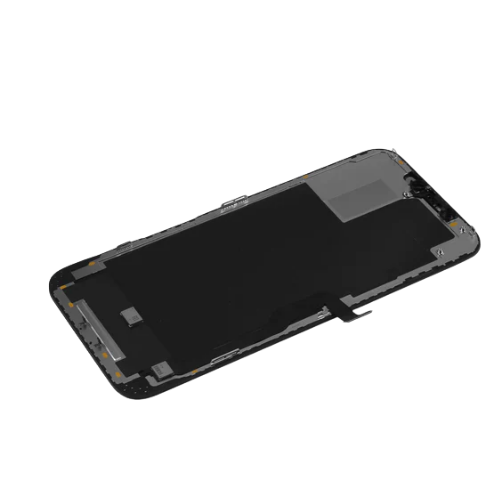
Zkontrolujte zadní lepidlo
- Originál: Rovnoměrně nanesené černé nebo šedé lepidlo; žádný přepad.
- Potlačeno: Nažloutlý, znovu nanesené značky lepidla; někdy dvouvrstvé.
- Sestaveno: Smíšené typy lepidel nebo známky ručního záplatování.
Zkontrolujte Flex kabel
- Zkontrolujte:
- Jasný, laserem leptaná sériová čísla
- OEM písmo zarovnání a rozestupy
- Pozlacené, čisté špendlíky
- Znovu smontované obrazovky často mají pájené spoje nebo ohnuté kabelové vedení.
Ověření sériového čísla kabelu Flex
Vyhledávejte sériové kódy online (kde je to možné) nebo porovnat se známými dobrými vzorky.
Srovnání se známými originály
Pro všechny kontroly použijte jednu původní obrazovku jako referenci – všimněte si barevných tónů, tučnost písma, a dokonce i umístění nálepky.
Čistota předního skla a mezera laminace
Nakloňte obrazovku proti silnému světlu – hledejte:
- Duhový efekt = nekvalitní sklo nebo špatná laminace.
- Vzduchová mezera mezi vrstvami = známky opětovného sestavení nebo stáří.
👂 Krok 2: Poslouchejte – Testování výkonu displeje a dotyku
Otestujte zobrazení pomocí plných barev
Použijte aplikaci pro testování obrazovky nebo video, aby se zobrazila solidně červený, zelený, modrý, černý, a bílá:
- Zkontrolujte barevný odstín, krvácející, nebo nerovnoměrný jas.
Spusťte úplný test přechodu ve stupních šedi
Testujte s odstíny šedi 0–255:
- Dobrá obrazovka ukazuje hladké přechody.
- Často se zobrazují znovu smontované obrazovky páskování nebo dithering.
Používejte dotykové testovací aplikace
Zkuste a aplikace pro vícedotykové kreslení nebo diagnostický nástroj:
- Kreslit přes celou obrazovku.
- Zkontrolujte nereagující zóny, Duch se dotkne, nebo zpožděné sledování.
Mrtvé zóny a Ghost Touch Recognition
- Dotek ducha: Obrazovka reaguje bez vstupu.
- Mrtvé zóny: Žádná odezva v určitých oblastech – běžná u použitých nebo potlačených panelů.
Vyhodnoťte rovnoměrnost podsvícení
Použijte celou bílou obrazovku a zkontrolujte:
- Nerovné záplaty?
- Světlejší rohy?
- To je často a známka opotřebovaných podsvícení listů.
❓ Krok 3: Ptejte se – ptejte se chytře
Zeptejte se na zdroj
Je to?:
- Zcela nový OEM?
- Vytaženo z použitého zařízení?
- Sestaveno z náhradních dílů?
- A pravdivý prodejce řekne vám to – vyhýbavý ne.
Zeptejte se na Renovaci
Požádat:
- Byl přelaminován?
- Jakékoliv změny skla?
- Typ použitého lepidla?
Kontrola obalů
Originální obrazovky:
- Pojďte v antistatických sáčcích s OEM štítky.
- Jsou zapečetěny s standardní pěnové podnosy.
Volné nebo náhodné obaly mohou naznačovat renovované nebo generické náhrady.
🖐 Krok 4: Pocit – fyzické stopy, které byste si neměli nechat ujít
Hmotnost a flexibilita obrazovky
- OEM = těžší, hustší.
- Sestaveno = může cítit dutý nebo neobvykle lehké.
Zkontrolujte citlivost na tlak
- Mírné stisknutí by nemělo zanechat stopy.
- Stiskněte značky = měkké nebo nekvalitní vrstvy uvnitř.
Tepelná vodivost
Zapněte obrazovku na 2–3 minuty:
- Originál se mohou mírně zahřát.
- Nekvalitní často zůstávají příliš studené nebo příliš horké.
🧩 OEM vs. Vytažené vs. Porovnání sestavené obrazovky
Identifikace demontážních značek
- Hledat zvědavé značky, škrábance, nebo nestejnoměrné těsnění.
Nápověda k opětovné laminaci
- Prach pod sklem
- Mírné vychýlení vrstev
- Bubliny nebo deformace pod silným světlem
Originální vzory pečetních pásek
Porovnejte okrajové pásky:
- OEM: čistý, továrně řezané
- Aftermarket: často ručně řezaný nebo špatně zarovnané
🧠 Odhalování nedokonalostí jako profík
Světlé tečky (Zaseknuté pixely)
- Jednobarevné tečky, které nezmizí.
- Velmi těžké opravit – okamžité snížení kvality.
Tmavé skvrny
- Často z letitých podsvícení nebo spálených oblastí matrice.
Stiskněte Marks
- Modřina z přetlaku při demontáži.
Barevné čáry
- Zelený, červený, nebo bílé svislé čáry? Pravděpodobně poškození flex kabelu nebo matrice.
🎒 Bonusové tipy pro kontrolu na místě
Základní nástroje
- Alkoholové ubrousky
- Mini baterka
- Otestujte základní desku nebo univerzální tester
- Rukavice
Světelné triky
- Použijte šikmé světlo k detekci vad skla nebo delaminace.
Rychlý kontrolní seznam
- Flex štítek ✅
- Čisté okraje ✅
- Žádné tiskové známky ✅
- Projde testem plné barvy ✅
- Responzivní na dotek ✅
⚠️ Červené vlajky na místních trzích
Levná cenová past
Pokud je cena příliš nízké, asi je to příliš dobré, aby to byla pravda.
Žádné zásady vrácení
Prodejce nenabízí záruka nebo vrácení je riziko.
Nejasné odpovědi
Pokud nedokážou vysvětlit kde obrazovka pochází z – spustit.
✅ Závěr
Ve světě plném obrazovkových variant – originál, potlačené, sestavené, zrekonstruované – je snadné se nechat napálit. Ale teď, vyzbrojeni mocnými „Podívej, Poslouchat, Požádat, Technika cítit“., máte, co je potřeba k tomu, abyste byli inteligentní, jistá rozhodnutí během offline získávání zdrojů.
Zůstaňte pozorní. Věřte svým smyslům. A nikdy se nepřestávejte učit, jak rozeznat skutečné od falešného.
❓Časté dotazy
1. Jaký je rozdíl mezi potlačenou obrazovkou a sestavenou obrazovkou?
Potlačená obrazovka znovu používá původní součásti, jako je LCD, ale nahrazuje části, jako je sklo nebo podsvícení. Sestavená obrazovka míchá díly z různých zdrojů nebo továren.
2. Může repasovaná obrazovka vypadat stejně jako ta původní??
Ano, vizuálně, ale podrobně (flex kabel, podsvícení, tlakové zkoušky) odhalí pravdu.
3. Je bezpečné kupovat použité nebo vytažené LCD obrazovky?
Záleží na stavu. Vytažená síta mohou být spolehlivá, pokud projdou důkladným testováním.
4. Jaké nástroje jsou nezbytné pro fyzickou kontrolu LCD?
Testovací základní deska, svítilna, čistící hadry, a aplikace pro testování obrazovky ve většině případů stačí.
5. Jak otestovat obrazovku bez funkčního telefonu?
Použijte a univerzální LCD testovací deska-jsou přenosné a dostupné pro práci v terénu.