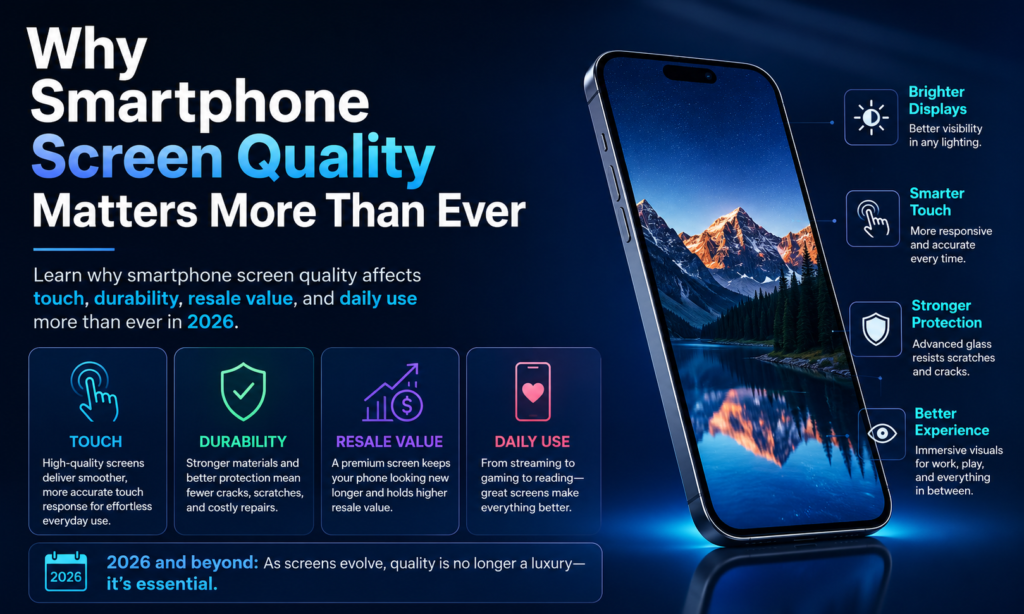
Prečo na kvalite obrazovky smartfónu záleží viac ako kedykoľvek predtým
Moderné smartfóny už nie sú jednoduchými komunikačnými zariadeniami. Sú to herné konzoly, profesionálne fotoaparáty, upravovacie stroje, navigačné nástroje, bankové terminály, a dokonca aj prenosné kancelárie. Z tohto dôvodu, displej sa stal srdcom celého používateľského zážitku. Každé potiahnutie prstom, poklepať, rolovať, a animácia závisí od kvality zostavy obrazovky. Nekvalitná náhrada môže spôsobiť, že aj prémiový vlajkový telefón bude lacný a frustrujúci.
Zamyslite sa nad tým, koľko času denne strávite pozeraním do telefónu. Výskum z viacerých správ o mobilnej analýze naznačuje, že priemerné používanie smartfónov v mnohých krajinách prekračuje 4 do 5 hodín denne. To znamená, že vaše oči a prsty neustále interagujú s obrazovkou. Ak je odozva na dotyk oneskorená alebo sa sklo po niekoľkých týždňoch zamastí, hneď si to všimneš. Je to podobné, ako keď jazdíte v luxusnom aute so zlými pneumatikami. Auto sa môže stále pohybovať, ale zážitok sa úplne zmení.
Ďalším dôležitým faktorom je predajná hodnota. Kupujúci sú dnes múdrejší ako kedykoľvek predtým. Mnoho kupujúcich telefónov z druhej ruky pred nákupom použitých zariadení starostlivo kontroluje displeje. Telefóny s pôvodnými nedotknutými obrazovkami sa zvyčajne predávajú rýchlejšie a majú vyššiu hodnotu. Zle zrekonštruovaný displej s nerovnomernými čiernymi okrajmi alebo slabou odozvou na dotyk často okamžite znižuje dôveru kupujúceho. Na prémiových trhoch, ako sú modely iPhone a Samsung Ultra, pravosť obrazovky môže výrazne ovplyvniť ceny pri ďalšom predaji.
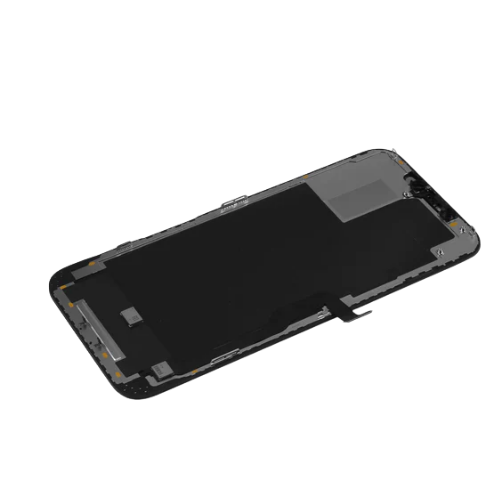
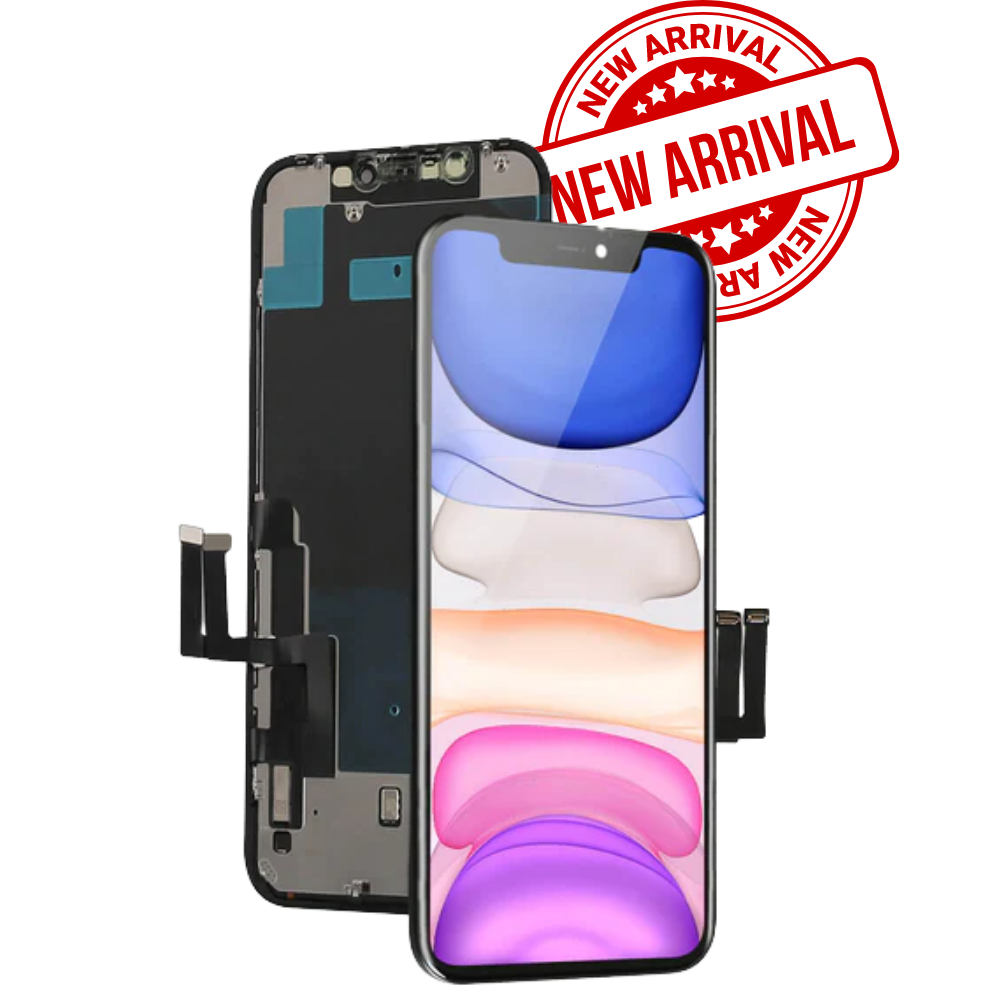
Kvalita opráv ovplyvňuje aj dlhodobú spoľahlivosť. Zostava displeja nie je len sklo. Zahŕňa lepidlá, dotykové senzory, OLED alebo LCD vrstvy, flex káble, rámy, a niekedy biometrické senzory. Ak je niektorá časť zle zmontovaná, problémy ako dotyk duchov, zdvíhanie obrazovky, vnikanie prachu, a poškodenie vodou sa časom stáva oveľa pravdepodobnejšie.
Čo je originál lisovaná obrazovka
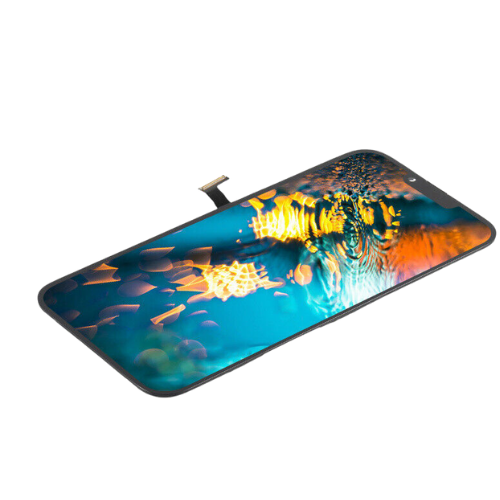
An Pôvodná lisovaná obrazovka, často nazývaný a Čistá originálna obrazovka alebo Originálny displej z výroby, sa vzťahuje na zostavu obrazovky, ktorá nebola nikdy oddelená alebo prestavaná po továrenskej výrobe. Displej opustil výrobca ako kompletná jediná zostava a vnútorne zostáva nedotknutý. Sklo, dotyková vrstva, OLED alebo LCD panel, rám, a lepidlo boli nainštalované pomocou pôvodných výrobných procesov.
Výrobný proces v továrni
Počas výroby smartfónu, výrobcovia používajú vysoko pokročilé stroje pracujúce v bezprašných čistých priestoroch. Vrstvy sita sú navzájom spojené pomocou vákuovej laminácie a presného zariadenia s regulovanou teplotou. Tento proces vytvára mimoriadne presné zarovnanie medzi sklami, dotykový digitizér, a zobrazovací panel. Výsledkom je hladký bezšvový vzhľad s takmer neviditeľnými medzerami a dokonale rovnomernými čiernymi okrajmi.
Továrenský proces lepenia je neuveriteľne presný, pretože aj mikroskopické vzduchové bubliny alebo mierne nekonzistencie tlaku môžu ovplyvniť citlivosť dotyku a jednotnosť zobrazenia. Veľkí výrobcovia smartfónov investujú milióny do automatizovaných montážnych systémov, aby si zachovali túto presnosť. To je dôvod, prečo sú pôvodné továrenské obrazovky často hladšie a rafinovanejšie v porovnaní s náhradami na trhu s náhradnými dielmi.
Zdroje originálnych obrazoviek
Originálne lisované obrazovky vo všeobecnosti pochádzajú z dvoch hlavných zdrojov:
| Typ zdroja | Popis |
|---|---|
| Úplne nové obrazovky s balíkom Service Pack | Oficiálne náhradné diely dodávané prostredníctvom autorizovaných opravárenských kanálov |
| Originálne rozložené obrazovky | Displeje odstránené z darcovských telefónov bez oddelenia vnútorných vrstiev |
Skutočná originálna obrazovka nikdy neprešla oddelením skla. Žiadny technik to nezohrieval, lepidlo narezať zvnútra, alebo znovu laminovať panel. Všetko zostáva v továrenskom stave. To je dôvod, prečo sú originálne obrazovky považované za zlatý štandard v opravárenskom priemysle.
Čo je znovu stlačená obrazovka
A Znovu stlačená obrazovka, tiež známy ako a Renovovaná pôvodná obrazovka alebo Obrazovka vymenená za sklo, začína ako originálny originálny displej s rozbitým vonkajším sklom. Namiesto vyhodenia celej zostavy, opravári oddelia poškodené sklo od funkčného zobrazovacieho panela a nainštalujú novú vonkajšiu sklenenú vrstvu.
Tento proces umožňuje opravovniam opätovne použiť drahé OLED alebo LCD panely a zároveň dramaticky znížiť náklady.
Separácia skla a opätovná laminácia
Proces renovácie zvyčajne pozostáva z niekoľkých technických krokov:
- Prasknuté vonkajšie sklo sa zahrieva a oddeľuje od displeja.
- Staré zvyšky lepidla sa dôkladne očistia.
- Je nainštalovaná nová vonkajšia sklenená šošovka.
- Zariadenie na vákuovú lamináciu opäť spojí vrstvy dohromady.
- Vzduchové bubliny sa odstraňujú v tlakových komorách.
Vnútorný displej zostáva pôvodný, ale vonkajšie komponenty sú vymenené. V mnohých prípadoch, dotykovú vrstvu, lepidlo, rám, alebo podporné konzoly môžu byť tiež zmenené.
Kvalita tohto procesu vo veľkej miere závisí od zručnosti technika a kvality zariadenia. Špičkové továrne na renováciu môžu priniesť pôsobivé výsledky, zatiaľ čo nízkonákladové dielne môžu vytvárať displeje s viditeľnými chybami.
Prečo opravovne používajú znovu vylisované displeje
Moderné OLED panely sú extrémne drahé. Na vlajkových zariadeniach, samotný displej môže predstavovať 30% do 50% z celkovej hodnoty telefónu. Výmena iba rozbitého vonkajšieho skla pomáha výrazne znížiť náklady na opravu.
Napríklad, výmena úplne originálnej vlajkovej lode OLED obrazovky môže stáť dvakrát toľko ako inštalácia re-lisovanej verzie. Tento cenový rozdiel robí renovované obrazovky atraktívnymi pre používateľov, ktorí dbajú na rozpočet. Mnoho ľudí chce jednoducho použiteľný telefón bez platenia prémiových cien za opravu.
Hlavné štrukturálne rozdiely medzi týmito dvoma
Na prvý pohľad, pôvodné a znovu vylisované obrazovky môžu vyzerať takmer identicky. Vnútorne, však, existuje niekoľko kritických rozdielov.
Sklenená vrstva
Originálne obrazovky používajú továrenské tvrdené sklo s prémiovou povrchovou úpravou. Prelisované displeje často využívajú dodávateľov skla tretích strán. Niektorí špičkoví renovátori používajú vynikajúce materiály, ale mnohé lacnejšie verzie sa spoliehajú na sklo s nižšou odolnosťou.
Dotknite sa položky Vrstva
Vrstva odozvy na dotyk v pôvodných obrazovkách zostáva dokonale zarovnaná už od výroby. Opätovne lisované sitá niekedy počas prelaminovania vykazujú drobné nezrovnalosti, najmä okolo zakrivených okrajov.
Panel displeja
Samotný OLED alebo LCD môže byť stále originálny originál na prelisovaných obrazovkách. To je hlavný dôvod, prečo niektoré renovované displeje stále poskytujú vynikajúcu kvalitu obrazu.
Lepidlo a rám
Aplikácia lepidla v továrni je mimoriadne konzistentná. Opätovne lisované obrazovky môžu používať lepidlo na trhu s rôznou odolnosťou a vodotesnosťou.
Tieto štrukturálne rozdiely môžu znieť nepatrne, ale po mesiacoch používania sa stanú zreteľnejšími.
Porovnanie precíznosti a kvality lepenia
Jedným z najjednoduchších spôsobov, ako rozlíšiť pôvodné displeje od renovovaných, je presnosť lepenia. Továrenské obrazovky vyzerajú neuveriteľne jednotne, pretože stroje počas montáže kontrolujú každý zlomok milimetra.
Originálne lisované obrazovky sú zvyčajne vybavené:
- Dokonale symetrické čierne okraje
- Minimálne okrajové medzery
- Hladké prechody medzi rámom a sklom
- Rovnomerné rozloženie lepidla
Môžu sa zobraziť znovu stlačené obrazovky:
- Nerovnomerné čierne okraje
- Mierna drsnosť okrajov
- Riziko vniknutia prachu
- Pretečenie lepidla
- Malý zdvih okolo rohov
Predstavte si, že porovnáte luxusné hodinky zostavené vo Švajčiarsku s opravenými hodinkami prestavanými ručne. Obidve môžu fungovať, ale kvalita konečnej úpravy je iná.
Ďalší problém sa týka dlhodobého starnutia lepidla. Nekvalitné lepidlo môže po vystavení teplu slabnúť, vlhkosť, alebo teploty opakovaného nabíjania. To niekedy spôsobuje zdvíhanie hrán alebo bublanie mesiacov po inštalácii.
Kvalita displeja a dotykový výkon
Denná použiteľnosť je pre väčšinu ľudí dôležitejšia ako technické špecifikácie. Obrazovka môže spočiatku vyzerať prijateľne, ale presnosť na dotyk a farebná stálosť odhaľujú skutočnú kvalitu v priebehu času.
Originálne lisované obrazovky dodávajú:
- Presná kalibrácia farieb
- Rovnomerný jas
- Responzívne sledovanie dotykov
- Stabilný obnovovací výkon
- Lepšia detekcia dotyku okrajov
Opätovne stlačené obrazovky môžu stále fungovať dobre, najmä kvalitné renovované verzie. Pri bežných úlohách, ako je posielanie správ, prehliadanie, a pozeranie videí, mnohí používatelia si sotva všimnú rozdiely. Avšak, Počas hrania sa niekedy objavia jemné problémy, rýchle písanie, alebo presné gestá.
Medzi bežné problémy patrí:
| Potenciálny problém | Riziko opätovného stlačenia obrazovky |
|---|---|
| Oneskorenie dotyku okrajov | Stredná |
| Dotyk ducha | Stredná |
| Mŕtve zóny | Nízka až stredná |
| Farebná nekonzistentnosť | Stredná |
| Zníženie jasu | Nízka |
| Nerovnomerný odtieň OLED | Stredná |
Profesionálni hráči a nároční používatelia často zistia tieto rozdiely rýchlejšie, pretože sa vo veľkej miere spoliehajú na presnosť dotyku a odozvu displeja.
Oleofóbny povlak a odolnosť skla
Jedným z najviac prehliadaných aspektov displejov smartfónov je oleofóbny povlak. Táto neviditeľná vrstva pomáha odolávať odtlačkom prstov a vytvára hladký „prémiový“ pocit, keď váš prst kĺže po obrazovke..
Pôvodné továrenské obrazovky používajú pokročilé nátery s lepšou odolnosťou. Sklenený povrch zostane dlhšie hladší a účinnejšie odoláva usadzovaniu oleja.
Mnoho prelisovaných obrazoviek používa lacnejšie náhradné sklo so slabšími povlakmi. Po niekoľkých mesiacoch, používatelia si to často všimnú:
- Rýchlejšie vytváranie odtlačkov prstov
- Pocit lepkavého potiahnutia
- Znížená hladkosť
- Ľahšie škrabanie
Je to podobné ako pri porovnávaní nepriľnavej panvice na varenie s lacnou napodobeninou. Obe fungujú spočiatku, ale človek starne oveľa lepšie.
Výrazne sa líši aj tvrdosť skla. Niektoré popredajné sklá sa od mincí ľahšie poškriabu, kľúče, alebo častice piesku vo vreckách.
Rám, Flex kábel, a rozdiely podsvietenia
Na vnútornej podpornej štruktúre záleží viac, ako si mnohí používatelia uvedomujú. Originálne obrazovky majú všetky držiaky nainštalované vo výrobe, flex káble, a výstužné vrstvy nedotknuté.
Opätovne stlačené obrazovky môžu zahŕňať:
- Vymenené nosné rámy
- Ohnuté flex káble
- Prepracované spájkovacie body
- Drobné škrabance podsvietenia
- Zvyšky lepidla
Tieto skryté zmeny môžu ovplyvniť životnosť. Ohybné káble, ktoré boli počas opravy nadmerne zložené, sa môžu časom oslabiť. Spájkované spoje vytvorené počas renovácie nemusia zodpovedať pôvodnej spoľahlivosti továrne.
Na LCD zariadeniach, nedokonalosti podsvietenia môžu spôsobiť nerovnomerné osvetlenie. Na OLED displejoch, poškodené vnútorné vrstvy môžu neskôr vytvoriť zelené čiary, blikanie, alebo mŕtve pixely.
Vodotesnosť a odolnosť proti prachu
Moderné smartfóny sa čoraz viac spoliehajú na vodeodolnosť. Zariadenia ako iPhone a vlajkové lode Samsung Galaxy používajú tesniace lepidlá okolo displeja, aby sa zabránilo vniknutiu vlhkosti.
Pôvodné továrenské sitá zachovávajú tieto tesnenia oveľa lepšie, pretože boli montované za kontrolovaných podmienok. Opätovne lisované sitá môžu po renovácii stratiť určitú vodotesnosť.
Aj keď opravovňa inzeruje „vodotesnú obnovu,“ dosiahnutie skutočného tesnenia na úrovni továrne je mimoriadne ťažké. Drobné nezrovnalosti v lepidle môžu časom umožniť prenikaniu prachu alebo vlhkosti.
To je dôležité najmä pre používateľov, ktorí:
- Často používajte telefóny vonku
- Žite vo vlhkom prostredí
- Cvičenie s telefónmi
- Cestujte často
- Náhodne vystavte zariadenia dažďu
Malý kompromis v tesnení nemusí byť dôležitý, ale môže viesť k vnútornej korózii alebo poškodeniu snímača Face ID.
Bežné problémy nájdené v opätovne stlačených obrazovkách
Nie každá znovu stlačená obrazovka je zlá. Niektoré sú prekvapivo dobré. Stále, bežné riziká sa objavujú častejšie v porovnaní s nedotknutými originálnymi displejmi.
Tu sú najčastejšie problémy, s ktorými sa technici pri opravách stretávajú:
| Problém | Príčina |
|---|---|
| Nerovnomerné čierne okraje | Nesprávne zarovnanie počas laminácie |
| Prach pod sklom | Zlé podmienky v čistých priestoroch |
| Zdvíhanie okrajov | Slabé lepidlo |
| Rozmazanie odtlačkov prstov | Nekvalitný oleofóbny povlak |
| Znížená citlivosť na dotyk | Nekonzistentný spojovací tlak |
| Blikanie obrazovky | Vnútorné napätie panelu |
| Únik svetla | Nedokonalé utesnenie rámu |
Najväčším problémom je nekonzistentnosť. Jedna renovovaná obrazovka môže fungovať skvele, zatiaľ čo iný z inej dielne môže rýchlo zlyhať.
Porovnanie cien medzi pôvodnými a znovu vylisovanými obrazovkami
Cena je zvyčajne pre zákazníkov tým najväčším rozhodujúcim faktorom.
Prečo sú pôvodné obrazovky drahšie
Originálne lisované displeje sú drahé, pretože:
- Ponuka je obmedzená
- Kvalita výroby je vyššia
- Zachovávajú hodnotu pri ďalšom predaji
- Ponúkajú lepšiu spoľahlivosť
- Zachovávajú pôvodný vzhľad zariadenia
Pre vlajkové telefóny OLED, originálne originálne displeje môžu stáť 1.5 do 2 krát viac ako opakovane stlačené alternatívy.
Prečo sú znovu stlačené obrazovky obľúbené
Opätovne lisované displeje existujú, pretože ponúkajú vysokú hodnotu. Mnoho používateľov jednoducho chce obrazovku, ktorá vyzerá dostatočne dobre na každodenné používanie bez toho, aby míňala nadmerné peniaze.
Obľúbené sú najmä pre:
- Staršie telefóny
- Záložné zariadenia
- Rozpočtové opravy
- Osobné telefóny na každodenné používanie
- Zariadenia, ktoré nie sú určené na ďalší predaj
Pre bežných používateľov, kvalitne prelisovaný displej môže byť úplne prijateľný.
Ako identifikovať originál vylisovanú obrazovku
Rozlišovanie medzi pôvodnými a renovovanými displejmi bude jednoduchšie, keď budete vedieť, čo máte skontrolovať.
Skontrolujte čierny okraj
Originálne obrazovky majú rovnomerne veľké okraje okolo displeja. Opätovne lisované obrazovky niekedy vykazujú nekonzistentnú hrúbku okraja.
Použite UV test
UV baterka je jednou z najlepších metód detekcie.
Originálne obrazovky:
- Jednotný vzhľad okrajov
- Minimálne viditeľné lepiace krúžky
Znovu stlačené obrazovky:
- Viditeľné vzory lepidla
- Kruhové lepiace tiene
- Nerovnomerné reflexné okraje
Skontrolujte oblasť prednej kamery
Originálne displeje sú zarovnané a čisté okolo prednej kamery a slúchadla. Opätovne lisované obrazovky sa môžu zdať o niečo hrubšie alebo vrstvené.
Skontrolujte rám a lepidlo
Medzi známky renovácie patrí:
- Pyť značky
- Prebytočné lepidlo
- Hrubá úprava držiaka
- Prelakované časti rámu
Vyskúšajte dotykový zážitok
Pôvodné displeje pôsobia hladko a konzistentne na celom paneli. Opätovne stlačené obrazovky občas strácajú citlivosť v blízkosti zakrivených okrajov alebo rohov.
Aký typ obrazovky by ste si mali vybrať
Najlepšia voľba závisí výlučne od vašich priorít.
Ak si vážite:
- Dlhodobá trvanlivosť
- Maximálna hodnota opätovného predaja
- Perfektná odozva na dotyk
- Prémiový pocit
- Odolnosť voči vode
Potom an Pôvodná lisovaná obrazovka je lepšia investícia.
Ak vám na tom záleží viac:
- Nižšie náklady na opravu
- Rozumný denný výkon
- Efektívnosť rozpočtu
- Krátkodobé užívanie
Potom a Znovu stlačená obrazovka môže ponúknuť vynikajúcu hodnotu.
Tu je rýchle porovnanie:
| Typ používateľa | Odporúčaná možnosť |
|---|---|
| Obchodní profesionáli | Originál lisovaný |
| Mobilní hráči | Originál lisovaný |
| Ťažkí dlhodobí používatelia | Originál lisovaný |
| Študenti s rozpočtom | Znovu stlačené |
| Zálohujte používateľov telefónov | Znovu stlačené |
| Majitelia starých telefónov | Znovu stlačené |
Univerzálna odpoveď neexistuje. „Najlepšia“ možnosť závisí od toho, do akej miery pre vás záleží na dokonalosti.
Záverečné myšlienky
Výmena displeja smartfónu už nie je jednoduchým rozhodnutím o oprave áno alebo nie. Dnešný trh zahŕňa továrenské originálne obrazovky, renovované pôvodné displeje, popredajné zostavy, a nekvalitné kopírovacie obrazovky. Pochopenie rozdielu vám ako kupujúcemu poskytuje kontrolu.
Originálne lisovaná obrazovka predstavuje zážitok najbližšie k úplne novému telefónu. Ponúka lepšiu konečnú úpravu, silnejšia trvanlivosť, plynulejšia odozva na dotyk, a vyššiu hodnotu pri ďalšom predaji. Znovu stlačené obrazovky, na druhej strane, poskytujú praktickú strednú cestu opätovným použitím originálnych vnútorných panelov a zároveň výrazne znižujú náklady na opravy.
Kľúčom je vedieť, za čo platíte. Niektoré opravovne uvádzajú na trh renovované displeje ako „100% originálne“ bez vysvetlenia, že sklo bolo vymenené. Iní používajú náhradné materiály extrémne nízkej kvality, ktoré rýchlo degradujú. Kladenie správnych otázok a osvojenie si niekoľkých trikov vizuálnej kontroly vás môže ochrániť pred sklamaním.
Na konci dňa, obe možnosti majú miesto na trhu opráv. Ak to váš rozpočet dovoľuje a plánujete si svoje zariadenie nechať roky, originálne lisované displeje zvyčajne stoja za prémiu. Ak jednoducho potrebujete funkčnú obrazovku na každodenné používanie za nižšiu cenu, kvalitná relisovaná obrazovka môže byť stále inteligentnou a ekonomickou voľbou.
Časté otázky
1. Je znovu vylisovaný originál obrazovky?
Čiastočne. Vnútorný OLED alebo LCD panel býva originálny, ale vonkajšie sklo a lepidlo sa pri renovácii vymenia.
2. Opätovne stlačené obrazovky môžu vydržať dlho?
Áno, vysokokvalitné renovované zásteny vydržia roky. Trvanlivosť do značnej miery závisí od továrne na opravu, materiálov, a zručnosť technika.
3. Originálne lisované zásteny stoja za peniaze navyše?
Pre používateľov, ktorým záleží na prémiovom pocite, predajná hodnota, herný výkon, a dlhodobá spoľahlivosť, zvyčajne stoja za to.
4. Ako môžem rýchlo identifikovať znovu stlačenú obrazovku?
Hľadajte nerovnomerné čierne okraje, lepiť značky pod UV svetlom, hrubšie sklo okolo oblasti fotoaparátu, alebo slabšia odozva na dotyk pri okrajoch.
5. Čo je lepšie pre záložný telefón?
Opätovne stlačená obrazovka je často najlepšou hodnotou pre zálohovacie alebo sekundárne zariadenia, pretože dobre vyvažuje cenu a použiteľnosť.