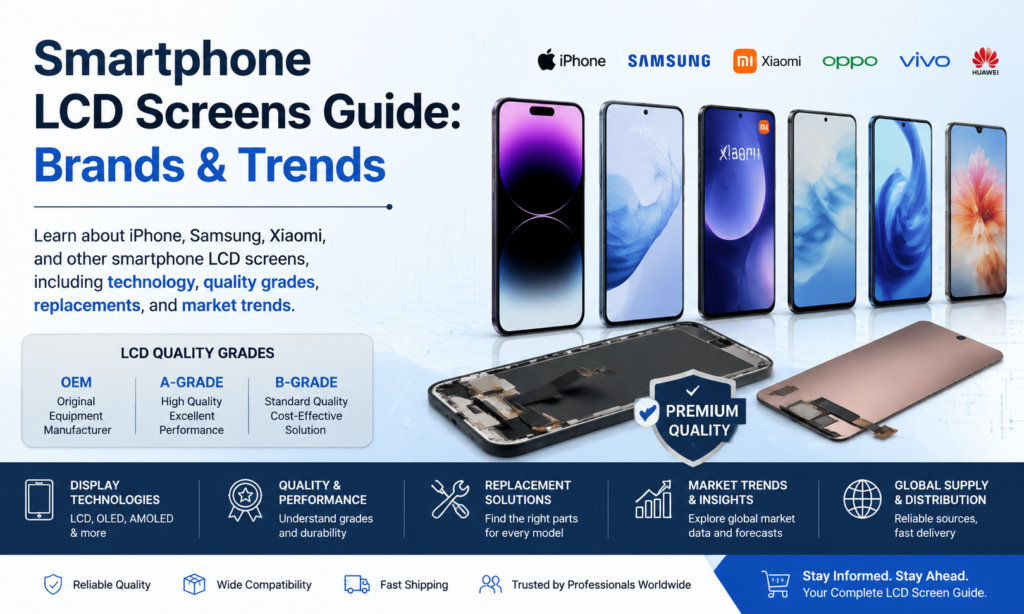
Displej smartphonu je jednou z nejdůležitějších součástí, která určuje uživatelský zážitek, hodnota zařízení, a poptávka po opravách. Když si lidé koupí nový telefon, obvykle se zaměřují na fotoaparát, procesor, baterie, a design, ale obrazovka je ta část, se kterou interagují každou sekundu. Ať už rolování na sociálních sítích, sledování videí, hraní her, nebo pracovat na dálku, displej přímo ovlivňuje pohodlí a výkon.
Dnes, hlavní značky smartphonů, jako je např Apple iPhone, Samsung Galaxy, Xiaomi Redmi, Huawei, Čest, Oppo, Vivo, a Google Pixel pokračovat ve vývoji pokročilých zobrazovacích technologií. Od tradičních LCD panelů po OLED, AMOLED, flexibilní displeje, a obrazovky s vysokou obnovovací frekvencí, Technologie displejů smartphonů prošla rychlým vývojem.
Pro opravny mobilních telefonů, velkoobchodníci, a distributory, porozumění LCD obrazovkám je zásadní. Trh zahrnuje různé kvality jako např originální obrazovky, OEM displeje, repasované obrazovky, poprodejní obrazovky, a kompatibilní náhradní obrazovky. Výběr správného displeje nejen ovlivňuje úspěšnost oprav, ale také určuje spokojenost zákazníků a ziskovost podnikání.
Tato příručka vysvětluje znalosti za obrazovky populárních značek smartphonů, včetně zobrazovací techniky, kvalita výroby, možnosti výměny, a budoucí trendy.
Pochopení LCD obrazovek chytrých telefonů a jejich důležitosti
Co je LCD obrazovka mobilního telefonu?
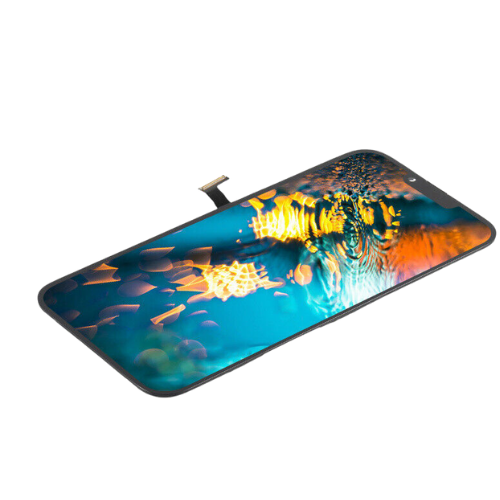
LCD obrazovka chytrého telefonu je zobrazovací modul zodpovědný za vytváření obrázků, ukazující barvy, a reagovat na dotykové příkazy uživatele. LCD znamená Displej z tekutých krystalů, technologie, která využívá tekuté krystaly řízené elektrickými signály k vytváření obrazů.
Tradiční LCD panely vyžadují podsvícení, protože tekuté krystaly nemohou produkovat vlastní světlo. Za vrstvou zobrazení, LED podsvícení osvětluje pixely, umožňuje uživatelům jasně vidět obrázky.
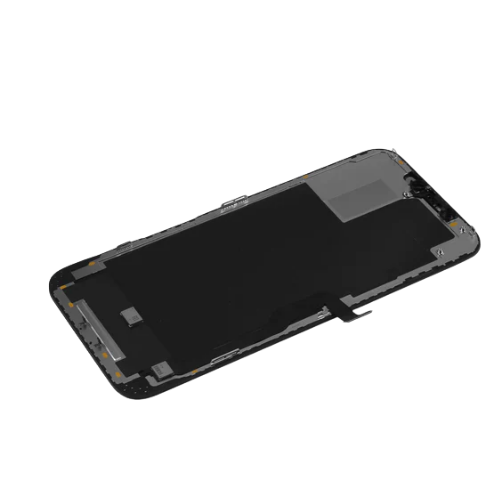
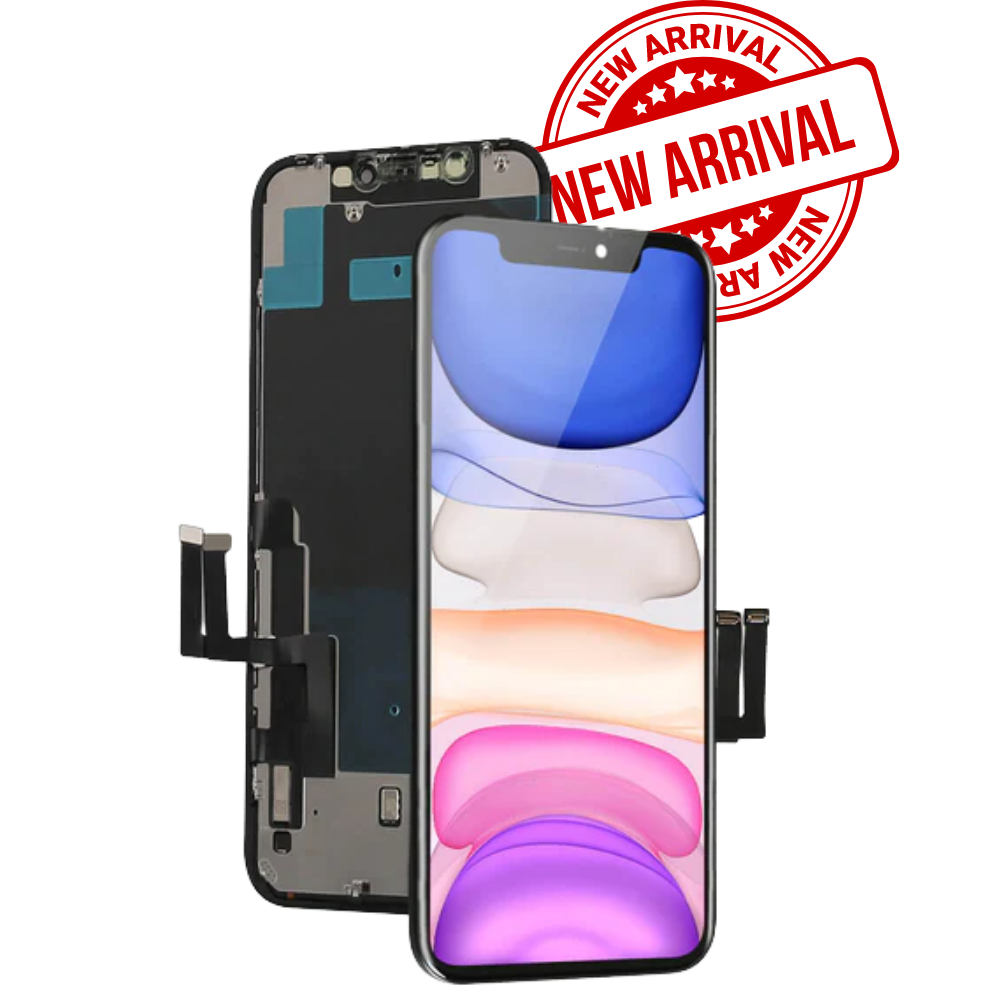
Kompletní sestava displeje smartphonu obvykle obsahuje několik vrstev:
- Krycí sklo
- Dotykový digitizér
- LCD nebo OLED zobrazovací panel
- Modul podsvícení (pro LCD obrazovky)
- Flexibilní kabel (FPC)
- IC řidiče
- Rám nebo držák
I když obrazovka vypadá jako jeden kus, je to ve skutečnosti vysoce integrovaná elektronická struktura. Malý problém v jakékoli vrstvě může ovlivnit jas, citlivost na dotyk, Přesnost barev, nebo trvanlivost.
Například, náhradní obrazovka může používat dobrý LCD panel, ale nekvalitní sklo. Kvalita obrazu může vypadat přijatelně, ale odezva na dotyk nebo odolnost proti nárazu mohou být slabší. To je důvod, proč profesionální kupující hodnotí kompletní sestavu displeje spíše než pouze viditelnou obrazovku.
Hlavní součásti uvnitř sestavy displeje smartphonu
LCD modul obsahuje několik důležitých částí, které spolupracují.
The LCD panel vytváří obraz. Řídí miliony pixelů, které zobrazují různé barvy. Kvalitnější panely poskytují lepší jas, kontrast, Prohlížení úhlů, a energetická účinnost.
The dotykový digitizér detekuje pohyby prstů. Moderní chytré telefony kombinují dotykové funkce s displejem pomocí pokročilých technologií, jako jsou dotyková řešení v buňce a v buňce.
The krycí sklo chrání displej před poškrábáním a nárazy. Značky jako Apple a Samsung používají technologie speciálně vyztužených skel pro zvýšení odolnosti.
The IC řidiče řídí komunikaci mezi základní deskou smartphonu a displejem. Poškozený nebo nekvalitní IC ovladače může způsobit problémy, jako je blikání, linky, černé obrazovky, nebo selhání dotyku.
Pro velkoobchody LCD a opravny, porozumění těmto komponentům pomáhá určit, zda je obrazovka skutečně vysoce kvalitní.
Vývoj technologie displeje smartphonu
Od tradičních LCD po pokročilá zobrazovací řešení
Odvětví displejů smartphonů se za poslední desetiletí dramaticky změnilo. Dřívější smartphony používaly hlavně jednoduché TFT LCD obrazovky, který nabízel přijatelnou kvalitu obrazu, ale měl omezení jasu, tloušťka, a spotřebu energie.
Později, výrobci představili technologie jako např IPS LCD, což zlepšilo pozorovací úhly a reprodukci barev. IPS LCD se stal široce používán v mnoha smartphonech střední třídy, protože poskytoval spolehlivý výkon za rozumnou cenu.
Dnes, prémiové smartphony stále častěji využívají displeje OLED a AMOLED. Na rozdíl od LCD panelů, OLED pixely generují své vlastní světlo, umožňuje výrobcům vytvářet tenčí zařízení s hlubší černou a lepším kontrastem.
Však, Technologie LCD zůstává důležitá. Mnoho smartphonů, tablety, průmyslová zařízení, a levné telefony stále používají LCD kvůli jeho výhodám:
| Funkce | LCD obrazovka | Obrazovka OLED/AMOLED |
|---|---|---|
| Výrobní náklady | Spodní | Vyšší |
| Jas | Dobrý | Vynikající |
| Úroveň černé | Průměrný | Perfektní černá |
| Riziko popálení | Velmi nízká | možné |
| Životnost Stabilita | Silný | Závisí na použití |
| Náklady na opravu | Obvykle nižší | Obvykle Vyšší |
LCD má i nadále silnou poptávku na trhu náhradních dílů, protože miliony zařízení po celém světě vyžadují dostupné opravy.
LCD vs OLED vs AMOLED: Klíčové rozdíly
Mnoho spotřebitelů si LCD plete, OLED, a technologiemi AMOLED, ale fungují jinak.
LCD displeje použít systém podsvícení. Každý pixel přijímá světlo zezadu, což usnadňuje a zlevňuje výrobu.
OLED displeje používat organické materiály, které vyzařují vlastní světlo. Každý pixel lze zcela vypnout, vytváří skutečné černé barvy.
AMOLED displeje jsou pokročilou technologií OLED se systémem aktivní matrice. Nabízejí rychlejší dobu odezvy a vyšší efektivitu, díky nimž jsou populární ve vlajkových smartphonech.
Pro opravny, Náhrady OLED a AMOLED mají obvykle vyšší ceny, protože technologie výroby je složitější.
Znalost technologie displeje Apple iPhone
Historie vývoje LCD obrazovky iPhone
Apple vždy věnoval velkou pozornost kvalitě zobrazení. Dřívější modely iPhone využívaly především technologii LCD, včetně oblíbených modelů, jako je iPhone 6, iPhone 7, iPhone 8, a iPhone XR.
Apple použil pokročilé LCD technologie jako např Retina displej a Liquid Retina Display pro zlepšení hustoty pixelů, Přesnost barev, a divácký zážitek.
iPhone XR, například, používal 6,1palcový Liquid Retina LCD displej. I když to nebylo OLED, Apple pečlivě optimalizoval panel, aby poskytoval vynikající jas a barevný výkon.
Pozdější vlajkové modely iPhonů přešly k technologii OLED, zejména po představení řady iPhone X.
Však, LCD iPhony zůstávají na trhu oprav velmi aktivní, protože tato zařízení nadále používají miliony uživatelů.
Originál, Zrekonstruovaný, a náhradní obrazovky pro iPhone
Trh výměny obrazovky iPhone zahrnuje několik úrovní kvality.
Originální obrazovky jsou displeje vyrobené podle původních specifikací společnosti Apple. Obvykle poskytují nejlepší jas, Přesnost barev, a dotykový výkon.
Původní repasované zástěny obvykle používejte originální LCD/OLED panely s vyměněným vnějším sklem. Profesionální renovace může obnovit vynikající výkon.
Poprodejní obrazovky jsou vyráběny výrobci třetích stran. Kvalita se výrazně liší v závislosti na továrních standardech.
Při nákupu náhradních obrazovek iPhone, kupující by měli zkontrolovat:
- Jas displeje
- Citlivost na dotek
- Konzistence barev
- Kvalita skla
- Výkon IC
- Podpora záruky
Nízká cena obrazovky může způsobit více problémů než úspor, pokud se zákazníci vrátí kvůli problémům s kvalitou.
Technologie obrazovky mobilního telefonu Samsung
Inovace Super AMOLED a Dynamic AMOLED
Samsung je jedním z předních světových výrobců displejů. Společnost vyvinula pokročilé technologie AMOLED používané ve vlajkových smartphonech Galaxy.
Zařízení řady Samsung Galaxy S a Galaxy Note jsou proslulé Super AMOLED a Dynamický AMOLED displeje.
Mezi klíčové výhody patří:
- Vysoký kontrastní poměr
- Vynikající barevný výkon
- Tenké provedení
- Nízká spotřeba energie
- Rychlá doba odezvy
Technologie displeje Samsung je dodávána i dalším výrobcům smartphonů, ukazující silnou pozici společnosti v globálním zobrazovacím průmyslu.
Analýza trhu výměny LCD Samsung
Ačkoli mnoho vlajkových telefonů Samsung používá AMOLED, mnoho modelů řady Galaxy A a starších modelů stále vytváří silnou poptávku po náhradních sestavách LCD.
Opraváři často nakupují obrazovky Samsung ve velkém, protože zařízení Samsung mají velkou globální uživatelskou základnu.
Mezi běžné obavy týkající se výměny patří:
- Originální vs. aftermarket kvalita AMOLED
- Rozdíly v jasu obrazovky
- Kompatibilita se snímačem otisků prstů
- Kvalita rámu
- Spolehlivost lepidla
Profesionální dodavatelé obvykle provádějí několik kontrolních postupů před odesláním displejů zákazníkům.
Funkce LCD obrazovky Xiaomi a Redmi
Proč jsou obrazovky Xiaomi oblíbené na trhu oprav
Smartphony Xiaomi a Redmi se staly extrémně populární, protože poskytují silné specifikace za konkurenceschopné ceny.
Modely jako např Série Redmi Note, Řada Redmi K, a vlajkové telefony Xiaomi vytvořily obrovskou globální poptávku.
Trh s opravami obrazovek Xiaomi nadále roste, protože:
- Velká instalovaná uživatelská základna
- Cenově dostupné zařízení
- Vysoká poptávka po výměně
- Silný mezinárodní prodej
Mnoho velkoobchodníků volí LCD obrazovky Xiaomi, protože nabízejí dobrý obrat na trhu.
Stupně kvality náhradních displejů Xiaomi
Náhradní obrazovky Xiaomi se běžně objevují v různých kategoriích kvality:
| Typ obrazovky | Popis | Pozice na trhu |
|---|---|---|
| Původní Pull | Odebráno z původních telefonů | Pojistné |
| Originál Repasovaný | Původní panel s vyměněným sklem | Vysoká kvalita |
| OEM kvalita | Kompatibilní výroba na tovární úrovni | Střední až vysoká |
| Aftermarket | Produkce třetí strany | Rozpočet |
Profesionální kupující by měli pochopit, že levnější není vždy lepší. Stabilní dodavatel s důslednou kontrolou kvality je obvykle cennější než dodavatel nabízející nejnižší cenu.
Huawei, Čest, Oppo, a Vivo Display Technology
Čínské značky smartphonů výrazně investovaly do inovací displeje.
Vlajkové telefony Huawei představily pokročilé OLED displeje, zakřivené obrazovky, a panely s vysokým rozlišením. Honor pokračoval ve vývoji prémiových zobrazovacích technologií poté, co se stal nezávislou značkou.
Oppo a Vivo také posunuly vývoj displejů pro chytré telefony, zejména v oblastech, jako je např:
- Vysoké obnovovací frekvence
- Zakřivené displeje
- Skládací telefony
- Technologie ochrany očí
Tyto značky vytvářejí významnou poptávku po náhradních obrazovkách na globálních trzích.
Pro distributory LCD, Čínské značky smartphonů představují velkou příležitost, protože poptávka po opravách neustále roste s rostoucími dodávkami zařízení.
Jak rozpoznat vysoce kvalitní LCD obrazovky mobilních telefonů
Důležité testovací standardy pro dodavatele LCD
Profesionální dodavatel LCD by měl před dodáním provést přísné kontroly kvality.
Mezi běžné kontrolní postupy patří:
- Testování mrtvých pixelů
- Testování dotykových funkcí
- Testování jasu
- Testování barev
- Kontrola rámu
- Testování ohebných kabelů
- Kontrola kvality skla
Vysoce kvalitní dodavatelé často provádějí desítky kontrolních kroků, aby omezili stížnosti zákazníků.
Kupující by také měli zvážit:
- Zkušenosti dodavatele
- Schopnost továrny
- Záruční politika
- Kvalita balení
- Ochrana při přepravě
Spolehlivý dodavatel nejen prodává produkty, ale také zajišťuje kvalitu.
Znalost velkoobchodního trhu s LCD obrazovkou mobilních telefonů
Originál, OEM, Aftermarket, a Repasované obrazovky
Globální průmysl oprav mobilních telefonů závisí na různých kanálech dodávek obrazovek.
Originální obrazovky jsou preferovány pro prémiové opravy, ale mají vyšší náklady.
OEM a kompatibilní obrazovky poskytují rovnováhu mezi kvalitou a cenou.
Repasované obrazovky jsou oblíbené, protože znovu používají původní zobrazovací panely a zároveň snižují náklady.
Poprodejní obrazovky se zaměřují na cenovou dostupnost a jsou široce používány pro rozpočtové opravy.
Každá kategorie má jiné zákazníky a poptávku na trhu.
Jak si kupující vybírají spolehlivé dodavatele LCD
Velkoobchodní nákupčí by měli dodavatele pečlivě hodnotit.
Mezi důležité faktory patří:
- Konzistence produktu
- Skladová dostupnost
- Systém kontroly kvality
- Rychlé dodání
- Technická podpora
- Služby zákazníkům
Pro mezinárodní kupující nakupující z Číny, důležitá je také poloha dodavatele. Oblast Huaqiangbei v Shenzhenu je jedním z největších světových obchodních center s elektronikou, s rozsáhlými dodavatelskými řetězci dílů pro mobilní telefony.
Budoucí trendy technologie displeje smartphonu
Flexibilní displeje, Funkce AI, a obrazovky nové generace
Budoucnost displejů chytrých telefonů se zaměří na flexibilitu, trvanlivost, a inteligentní funkce.
Skládací smartphony jsou stále běžnější, vyžadující pokročilou flexibilní technologii OLED.
Budoucí displeje mohou zahrnovat:
- Vyšší obnovovací frekvence
- Zlepšená energetická účinnost
- Kamery pod displejem
- Vizuální optimalizace založená na umělé inteligenci
- Odolnější materiály
Umělá inteligence ovlivní i zobrazovací technologii. Smartphony mohou automaticky upravit jas, barevná teplota, a obnovovací frekvence podle chování uživatele.
Přestože OLED a flexibilní displeje dominují prémiovým zařízením, Technologie LCD bude i nadále sloužit cenově dostupným smartphonům a náhradním dílům.
Závěr
LCD obrazovky smartphonů jsou více než jen jednoduché zobrazovací prvky. Představují kombinaci pokročilých materiálů, precizní výroba, elektronické inženýrství, a trendy spotřebních technologií.
Populární značky jako např Jablko, Samsung, Xiaomi, Huawei, Oppo, a Vivo pokračovat ve zlepšování svých zobrazovacích řešení, vytváří příležitosti i výzvy pro opravárenské podniky a velkoobchodníky LCD.
Pochopení typů obrazovek, stupně kvality, výrobní rozdíly, a trendy na trhu pomáhají kupujícím činit lepší nákupní rozhodnutí. Ať už vybíráte originální zástěny, repasované displeje, OEM produkty, nebo náhradní díly, kontrola kvality zůstává klíčovým faktorem.
Jak se technologie smartphonů neustále vyvíjí, znalost displejů bude pro podniky zabývající se opravami mobilních telefonů a distribucí dílů stále cennější.
Často kladené otázky o LCD obrazovkách smartphonů
1. Jaký je rozdíl mezi originální LCD obrazovkou a obrazovkou s náhradními díly?
Originální LCD obrazovka odpovídá specifikacím výrobce a obvykle poskytuje lepší jas, Přesnost barev, a trvanlivost. Poprodejní obrazovky jsou vyráběny továrnami třetích stran a kvalita závisí na dodavateli.
2. Jsou spolehlivé displeje renovovaných smartphonů?
Ano, profesionálně renovované obrazovky mohou poskytnout vynikající výkon, protože často používají originální zobrazovací panely s vyměněným sklem. Kvalita závisí na technologii renovace a standardech kontroly.
3. Které značky smartphonů mají největší poptávku po výměně obrazovky?
Apple iPhone, Samsung Galaxy, Xiaomi Redmi, Huawei, Oppo, a Vivo patří mezi značky se silnou poptávkou po náhradních dílech kvůli jejich velké globální uživatelské základně.
4. Jak mohou kupující zkontrolovat kvalitu mobilní LCD obrazovky před nákupem?
Kupující by si měli ověřit pověst dodavatele, zkušební postupy, záruční podmínky, vzorky produktů, a zpětná vazba od zákazníků před zadáním velkých objednávek.
5. Zmizí LCD obrazovky kvůli technologii OLED?
Žádný. OLED roste v prémiových smartphonech, ale LCD obrazovky zůstávají důležité, protože nabízejí nižší výrobní náklady, stabilní výkon, a silná poptávka na trzích cenově dostupných zařízení a oprav.