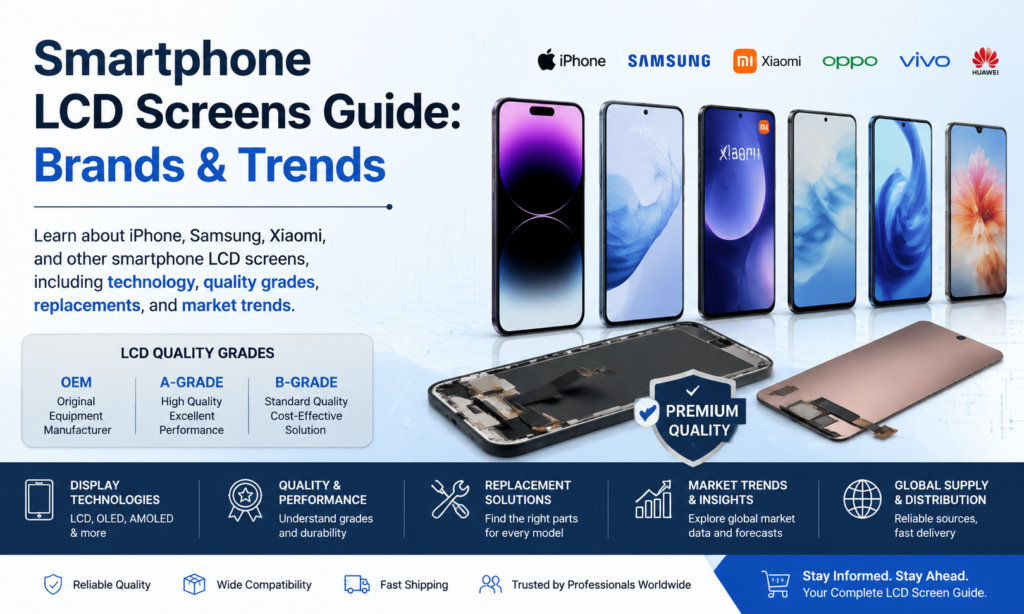
Smartphone-displayet er en af de vigtigste komponenter, der bestemmer brugeroplevelsen, enhedsværdi, og reparationsbehov. Når folk køber en ny telefon, de fokuserer normalt på kameraet, processor, batteri, og design, men skærmen er den del, de interagerer med hvert sekund. Uanset om du scroller sociale medier, ser videoer, spille spil, eller arbejder på afstand, displayet påvirker direkte komfort og ydeevne.
I dag, store smartphonemærker som f.eks Apple iPhone, Samsung Galaxy, Xiaomi Redmi, Huawei, Ære, Oppo, Vivo, og Google Pixel fortsætte med at udvikle avancerede skærmteknologier. Fra traditionelle LCD-paneler til OLED, AMOLED, fleksible displays, og skærme med høj opdateringshastighed, smartphone display teknologi har oplevet en hurtig udvikling.
Til mobiltelefonreparationsvirksomheder, grossister, og distributører, Det er vigtigt at forstå LCD-skærme. Markedet rummer forskellige kvaliteter som f.eks originale skærme, OEM skærme, renoverede skærme, eftermarkedsskærme, og kompatible udskiftningsskærme. At vælge den korrekte skærm påvirker ikke kun reparationssuccesen, men bestemmer også kundetilfredsheden og virksomhedens rentabilitet.
Denne guide forklarer viden bag populære smartphone-mærkeskærme, herunder skærmteknologi, fremstillingskvalitet, udskiftningsmuligheder, og fremtidige tendenser.
Forstå smartphone LCD-skærme og deres betydning
Hvad er en mobiltelefon LCD-skærm?
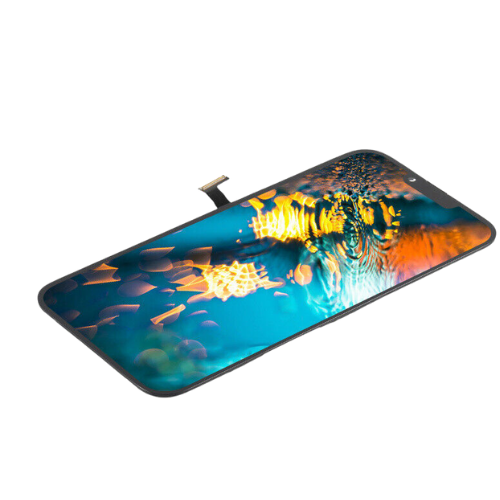
En smartphone LCD-skærm er et displaymodul, der er ansvarligt for at skabe billeder, viser farver, og reagere på brugerens berøringskommandoer. LCD står for Liquid Crystal Display, en teknologi, der bruger flydende krystaller styret af elektriske signaler til at producere billeder.
Traditionelle LCD-paneler kræver baggrundsbelysning, fordi flydende krystaller ikke kan producere deres eget lys. Bag displaylaget, LED-baggrundsbelysning oplyser pixels, giver brugerne mulighed for at se billeder klart.
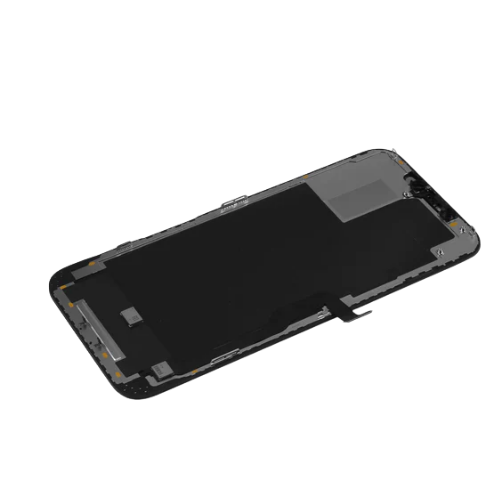
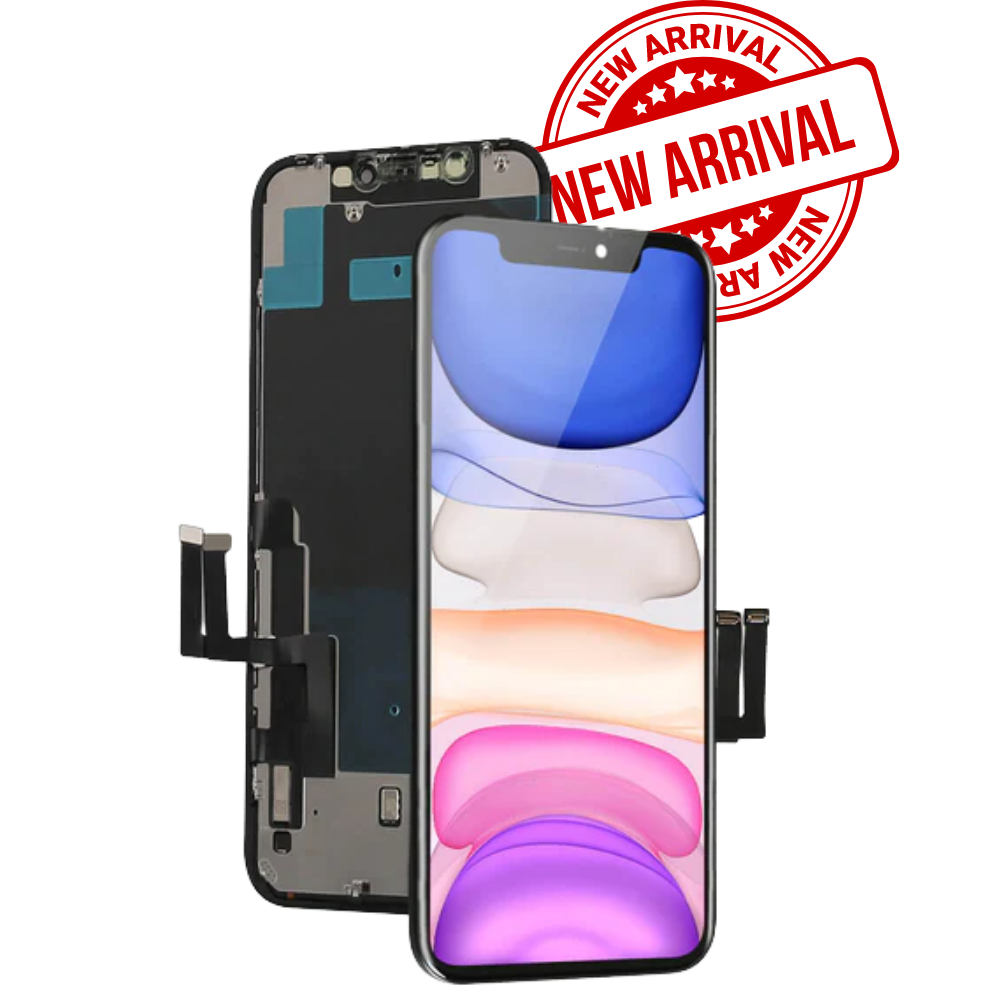
En komplet smartphone-skærm har normalt flere lag:
- Dækglas
- Tryk på digitizer
- LCD eller OLED display panel
- Baggrundsbelysningsmodul (til LCD-skærme)
- Fleksibelt kabel (FPC)
- Driver IC
- Ramme eller beslag
Selvom skærmen ligner et enkelt stykke, det er faktisk en meget integreret elektronisk struktur. Et lille problem i ethvert lag kan påvirke lysstyrken, berøringsfølsomhed, Farvenøjagtighed, eller holdbarhed.
For eksempel, en erstatningsskærm kan bruge et godt LCD-panel, men glas af dårlig kvalitet. Billedkvaliteten kan se acceptabel ud, men berøringsresponsen eller slagfastheden kan være svagere. Det er grunden til, at professionelle købere vurderer den komplette skærmsamling frem for kun den synlige skærm.
Hovedkomponenter inde i en smartphone-skærmsamling
LCD-modulet indeholder flere kritiske dele, der arbejder sammen.
De LCD-panel skaber billedet. Det styrer millioner af pixels, der viser forskellige farver. Paneler af højere kvalitet giver bedre lysstyrke, kontrast, betragtningsvinkler, og energieffektivitet.
De touch digitizer registrerer fingerbevægelser. Moderne smartphones kombinerer touch-funktionalitet med skærmen ved hjælp af avancerede teknologier såsom in-cell og on-cell touch-løsninger.
De dækglas beskytter skærmen mod ridser og stød. Mærker som Apple og Samsung bruger specielt forstærkede glasteknologier til at forbedre holdbarheden.
De driver IC styrer kommunikationen mellem smartphonens bundkort og skærmen. En beskadiget eller lav kvalitet driver-IC kan forårsage problemer såsom flimren, linjer, sorte skærme, eller berøringsfejl.
Til LCD-grossister og værksteder, at forstå disse komponenter hjælper med at afgøre, om en skærm virkelig er af høj kvalitet.
Udvikling af Smartphone Display-teknologi
Fra traditionel LCD til avancerede skærmløsninger
Smartphone-skærmindustrien har ændret sig dramatisk i løbet af det sidste årti. Tidlige smartphones brugte hovedsageligt simple TFT LCD-skærme, som tilbød acceptabel billedkvalitet, men havde begrænsninger i lysstyrke, tykkelse, og strømforbrug.
Senere, producenter indførte teknologier som f.eks IPS LCD, hvilket forbedrede betragtningsvinkler og farvegengivelse. IPS LCD blev meget udbredt i mange smartphones i mellemklassen, fordi det gav pålidelig ydeevne til en rimelig pris.
I dag, premium smartphones bruger i stigende grad OLED- og AMOLED-skærme. I modsætning til LCD-paneler, OLED-pixel genererer deres eget lys, giver producenterne mulighed for at skabe tyndere enheder med dybere sorte og bedre kontrast.
Imidlertid, LCD-teknologi er fortsat vigtig. Mange smartphones, tabletter, industrielle enheder, og budgettelefoner bruger stadig LCD på grund af dets fordele:
| Feature | LCD skærm | OLED/AMOLED skærm |
|---|---|---|
| Fremstillingsomkostninger | Sænke | Højere |
| Lysstyrke | God | Fremragende |
| Sort niveau | Gennemsnit | Perfekt sort |
| Risiko for indbrænding | Meget lav | Mulig |
| Levetidsstabilitet | Stærk | Afhænger af brug |
| Reparationsomkostninger | Normalt lavere | Normalt højere |
LCD fortsætter med at have stor efterspørgsel på erstatningsmarkedet, fordi millioner af enheder verden over kræver overkommelige reparationer.
LCD vs OLED vs AMOLED: Nøgleforskelle
Mange forbrugere forvirrer LCD, OLED, og AMOLED-teknologier, men de virker anderledes.
LCD-skærme bruge et baggrundsbelysningssystem. Hver pixel modtager lys bagfra, hvilket gør produktionen nemmere og billigere.
OLED-skærme bruge organiske materialer, der udsender deres eget lys. Hver pixel kan slukke helt, skabe ægte sorte farver.
AMOLED skærme er en avanceret OLED-teknologi med et aktivt matrixsystem. De tilbyder hurtigere svartider og forbedret effektivitet, gør dem populære i flagskibssmartphones.
Til reparationsvirksomheder, OLED- og AMOLED-erstatninger har normalt højere priser, fordi produktionsteknologien er mere kompliceret.
Apple iPhone Display Technology Viden
iPhone LCD-skærmudviklingshistorie
Apple har altid været meget opmærksom på skærmkvalitet. Tidligere iPhone-modeller brugte hovedsageligt LCD-teknologi, herunder populære modeller som iPhone 6, iPhone 7, iPhone 8, og iPhone XR.
Apple brugte avancerede LCD-teknologier som f.eks Retina display og Liquid Retina Display for at forbedre pixeltætheden, Farvenøjagtighed, og seeroplevelse.
iPhone XR, for eksempel, brugt en 6,1-tommer Liquid Retina LCD-skærm. Selvom det ikke var OLED, Apple optimerede panelet omhyggeligt for at give fremragende lysstyrke og farveydeevne.
Senere iPhone-flagskibsmodeller bevægede sig mod OLED-teknologi, især efter introduktionen af iPhone X-serien.
Imidlertid, LCD iPhones forbliver meget aktive på reparationsmarkedet, fordi millioner af brugere fortsætter med at bruge disse enheder.
Original, Renoveret, og udskiftning af iPhone-skærme
iPhone-skærmudskiftningsmarkedet omfatter flere kvalitetsniveauer.
Originale skærme er skærme fremstillet i henhold til Apples originale specifikationer. De giver normalt den bedste lysstyrke, Farvenøjagtighed, og berøringsydelse.
Originale renoverede skærme Brug normalt originale LCD/OLED-paneler med udskiftet ydre glas. Professionel renovering kan genoprette fremragende ydeevne.
Eftermarkedsskærme er produceret af tredjepartsproducenter. Kvaliteten varierer betydeligt afhængigt af fabrikkens standarder.
Ved køb af erstatning iPhone skærme, købere bør tjekke:
- Skærmens lysstyrke
- Berør følsomhed
- Farvekonsistens
- Glas kvalitet
- IC ydeevne
- Garanti support
En lavprisskærm kan skabe flere problemer end besparelser, hvis kunderne vender tilbage på grund af kvalitetsproblemer.
Samsung mobiltelefon skærmteknologi
Super AMOLED og Dynamic AMOLED Innovation
Samsung er en af verdens førende skærmproducenter. Virksomheden har udviklet avancerede AMOLED-teknologier, der bruges i Galaxy flagskibssmartphones.
Samsung Galaxy S- og Galaxy Note-enheder er berømte for deres Super AMOLED og Dynamisk AMOLED viser.
Nøglefordele omfatter:
- Højt kontrastforhold
- Fremragende farveydelse
- Tyndt design
- Lavt strømforbrug
- Hurtig responstid
Samsungs skærmteknologi leveres også til andre smartphone-producenter, viser virksomhedens stærke position i den globale displayindustri.
Samsung LCD-erstatningsmarkedsanalyse
Selvom mange Samsung flagskibstelefoner bruger AMOLED, mange Galaxy A-serier og ældre modeller skaber stadig stor efterspørgsel efter udskiftning af LCD-enheder.
Reparationsvirksomheder køber ofte Samsung-skærme i løs vægt, fordi Samsung-enheder har en stor global brugerbase.
Almindelige udskiftningsproblemer omfatter:
- Original vs eftermarked AMOLED kvalitet
- Forskelle i skærmens lysstyrke
- Fingeraftrykssensor kompatibilitet
- Rammekvalitet
- Klæbende pålidelighed
Professionelle leverandører udfører normalt flere inspektionsprocedurer, før de sender displays til kunderne.
Xiaomi og Redmi LCD-skærmfunktioner
Hvorfor Xiaomi-skærme er populære på reparationsmarkedet
Xiaomi og Redmi smartphones er blevet ekstremt populære, fordi de giver stærke specifikationer til konkurrencedygtige priser.
Modeller som f.eks Redmi Note-serien, Redmi K-serien, og Xiaomi flagskibstelefoner har skabt enorm global efterspørgsel.
Reparationsmarkedet for Xiaomi-skærme fortsætter med at vokse pga:
- Stor installeret brugerbase
- Overkommelig enhedspris
- Høj efterspørgsel efter udskiftning
- Stærkt internationalt salg
Mange grossister vælger Xiaomi LCD-skærme, fordi de tilbyder en god markedsomsætning.
Kvalitetskvaliteter af Xiaomi-udskiftningsskærme
Xiaomi-erstatningsskærme vises almindeligvis i forskellige kvalitetskategorier:
| Skærmtype | Beskrivelse | Markedsposition |
|---|---|---|
| Originalt træk | Fjernet fra originale telefoner | Præmie |
| Original renoveret | Originalt panel med udskiftet glas | Høj kvalitet |
| OEM kvalitet | Kompatibel produktion på fabriksniveau | Mellem til Høj |
| Eftermarked | Tredjeparts produktion | Budget |
Professionelle købere bør forstå, at billigere ikke altid er bedre. En stabil leverandør med ensartet kvalitetskontrol er normalt mere værdifuld end en leverandør, der tilbyder den laveste pris.
Huawei, Ære, Oppo, og Vivo Display Technology
Kinesiske smartphonemærker har investeret kraftigt i skærminnovation.
Huaweis flagskibstelefoner introducerede avancerede OLED-skærme, buede skærme, og højopløselige paneler. Honor fortsatte med at udvikle premium display-teknologier efter at være blevet et uafhængigt brand.
Oppo og Vivo har også skubbet udviklingen af smartphone-skærme frem, især på områder som f.eks:
- Høje opdateringshastigheder
- Buede skærme
- Sammenfoldelige telefoner
- Øjenbeskyttelsesteknologi
Disse mærker skaber betydelig efterspørgsel efter udskiftningsskærme på globale markeder.
Til LCD-distributører, Kinesiske smartphonemærker repræsenterer en stor mulighed, fordi reparationsefterspørgslen fortsætter med at stige i takt med, at enhedsforsendelser vokser.
Sådan identificerer du højkvalitets mobiltelefon LCD-skærme
Vigtige teststandarder for LCD-leverandører
En professionel LCD-leverandør bør udføre strenge kvalitetsinspektioner før levering.
Fælles inspektionsprocedurer omfatter:
- Død pixel test
- Berøringsfunktionstest
- Lysstyrke test
- Farvetest
- Rammeinspektion
- Flex kabel test
- Kvalitetskontrol af glas
Leverandører af høj kvalitet udfører ofte snesevis af inspektionstrin for at reducere kundeklager.
Købere bør også overveje:
- Leverandørerfaring
- Fabrikskapacitet
- Garantipolitik
- Emballage kvalitet
- Forsendelsesbeskyttelse
En pålidelig leverandør sælger ikke kun produkter, men yder også kvalitetssikring.
Mobiltelefon LCD-skærm Engrosmarkedsviden
Original, OEM, Eftermarked, og renoverede skærme
Den globale mobiltelefonreparationsindustri afhænger af forskellige skærmforsyningskanaler.
Originale skærme foretrækkes til premium reparationer, men har højere omkostninger.
OEM og kompatible skærme giver en balance mellem kvalitet og pris.
Renoverede skærme er populære, fordi de genbruger originale skærmpaneler og samtidig reducerer omkostningerne.
Eftermarkedsskærme fokuserer på overkommelighed og bruges i vid udstrækning til budgetreparationer.
Hver kategori har forskellige kunder og markedsefterspørgsel.
Sådan vælger købere pålidelige LCD-leverandører
Engroskøbere bør vurdere leverandører omhyggeligt.
Vigtige faktorer inkluderer:
- Produktkonsistens
- Lagertilgængelighed
- Kvalitetskontrolsystem
- Hurtig levering
- Teknisk support
- Kundeservice
For internationale købere, der køber fra Kina, leverandørplacering er også vigtig. Shenzhens Huaqiangbei-område er et af verdens største elektronikhandelscentre, med omfattende forsyningskæder til mobiltelefondele.
Fremtidige trends inden for smartphone-displayteknologi
Fleksible skærme, AI funktioner, og næste generations skærme
Fremtiden for smartphone-skærme vil fokusere på fleksibilitet, holdbarhed, og intelligente funktioner.
Foldbare smartphones bliver mere og mere almindelige, kræver avanceret fleksibel OLED-teknologi.
Fremtidige visninger kan omfatte:
- Højere opdateringshastigheder
- Forbedret energieffektivitet
- Kameraer under display
- AI-drevet visuel optimering
- Mere holdbare materialer
Kunstig intelligens vil også påvirke displayteknologi. Smartphones justerer muligvis automatisk lysstyrken, farvetemperatur, og opdateringshastighed i henhold til brugeradfærd.
Selvom OLED og fleksible skærme dominerer premium-enheder, LCD-teknologi vil fortsætte med at betjene smartphones og erstatningsmarkeder til overkommelige priser.
Konklusion
Smartphone LCD-skærme er mere end simple skærmkomponenter. De repræsenterer en kombination af avancerede materialer, præcisionsfremstilling, elektronisk teknik, og forbrugerteknologiske tendenser.
Populære mærker som f.eks Æble, Samsung, Xiaomi, Huawei, Oppo, og Vivo fortsætte med at forbedre deres displayløsninger, skaber både muligheder og udfordringer for reparationsvirksomheder og LCD-grossister.
Forstå skærmtyper, kvalitetskarakterer, fremstillingsforskelle, og markedstendenser hjælper købere med at træffe bedre købsbeslutninger. Uanset om du vælger originale skærme, renoverede displays, OEM produkter, eller eftermarkedsudskiftninger, kvalitetskontrol er fortsat nøglefaktoren.
Som smartphone-teknologi fortsætter med at udvikle sig, display viden vil blive stadig mere værdifuld for virksomheder involveret i mobiltelefon reparation og dele distribution.
Ofte stillede spørgsmål om smartphone LCD-skærme
1. Hvad er forskellen mellem en original LCD-skærm og en eftermarkedsskærm?
En original LCD-skærm følger producentens specifikationer og giver normalt bedre lysstyrke, Farvenøjagtighed, og holdbarhed. Eftermarkedsskærme produceres af tredjepartsfabrikker, og kvaliteten afhænger af leverandøren.
2. Er renoverede smartphoneskærme pålidelige?
Ja, professionelt renoverede skærme kan give fremragende ydeevne, fordi de ofte bruger originale skærmpaneler med udskiftet glas. Kvaliteten afhænger af renoveringsteknologi og inspektionsstandarder.
3. Hvilke smartphonemærker har den største efterspørgsel efter skærmudskiftning?
Apple iPhone, Samsung Galaxy, Xiaomi Redmi, Huawei, Oppo, og Vivo er blandt de mærker med stor efterspørgsel efter erstatning på grund af deres store globale brugerbase.
4. Hvordan kan købere kontrollere kvaliteten af den mobile LCD-skærm, før de køber?
Købere bør tjekke leverandørens omdømme, testprocedurer, garantibetingelser, vareprøver, og kundefeedback, før du afgiver store ordrer.
5. Forsvinder LCD-skærme på grund af OLED-teknologi?
Ingen. OLED vokser i premium smartphones, men LCD-skærme er stadig vigtige, fordi de giver lavere produktionsomkostninger, stabil ydeevne, og stor efterspørgsel på overkommelige enheder og reparationsmarkeder.