Proč je důležité porozumět parametrům LCD obrazovky
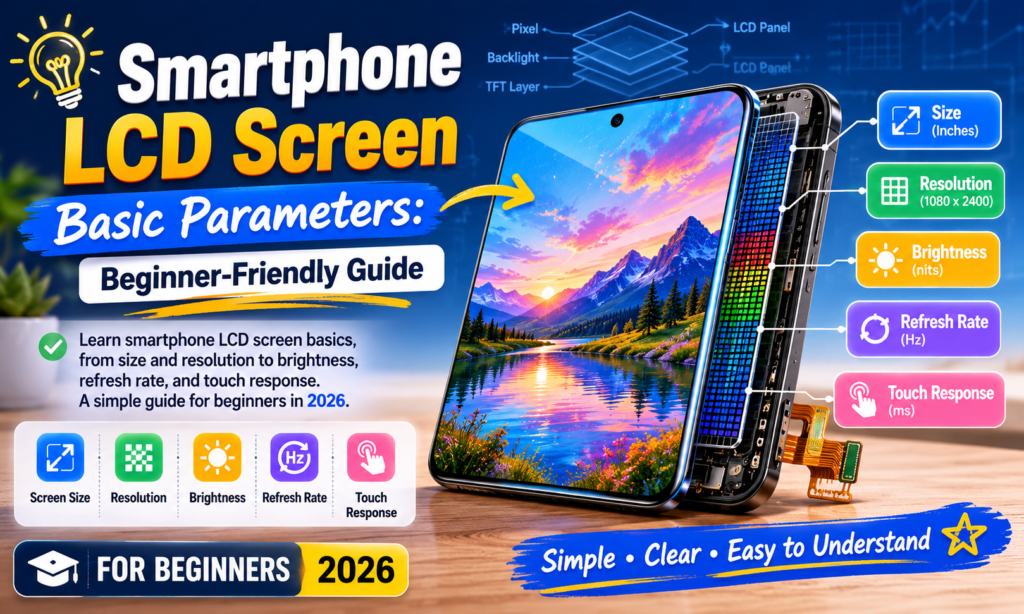
Pokud jste se někdy podívali na list specifikace obrazovky smartphonu a pomysleli jste si, Co všechna tato čísla vůbec znamenají? - určitě nejsi sám. Termíny jako FHD+, 120Hz, 1000 hnidy, a PPI házet všude kolem, ale často se cítí spíše jako marketingový jazyk než užitečné informace. Pravda je taková, na těchto číslech záleží. Mnohem víc, než si většina lidí uvědomuje.
Obrazovka smartphonu je součástí telefonu, se kterou komunikujete více než s čímkoli jiným. Klepněte na něj stokrát denně. Čtete na něm zprávy, sledovat videa, procházet webové stránky, upravovat fotky, hrát hry, a pravděpodobně na to zíráte před spaním víc, než byste si chtěli připustit. Je to vstupní brána vašeho telefonu ke všemu. Pokud je zobrazení špatné, celý zážitek je špatný – i když je procesor rychlý a fotoaparát vynikající.
To je zvláště důležité v průmyslu výměny a oprav LCD smartphonů. Ať už kupujete náhradní LCD, získávání dílů pro další prodej, nebo si jednoduše vyberete svůj další telefon, pochopení parametrů LCD vám pomůže lépe se rozhodovat. Specifikace přestává být stěnou matoucích čísel a stává se něčím praktickým. Stává se z toho kontrolní seznam.
Představte si to jako nákup auta. Nemusíte být mechanik, abyste pochopili koňskou sílu, palivová účinnost, nebo bezpečnostní hodnocení. Displeje smartphonů fungují stejným způsobem. Nemusíte být inženýr – stačí vědět, na čem záleží.
Co je to LCD obrazovka smartphonu?
LCD znamená Displej z tekutých krystalů, a to navzdory tomu, že OLED dominuje vlajkovým telefonům, LCD zůstává neuvěřitelně běžné - zejména v levných telefonech, zařízení střední třídy, a poprodejní náhradní obrazovky.
LCD neprodukuje světlo samo o sobě. Místo toho, opírá se o a podsvícení za panelem. Tekuté krystaly pak řídí, kolik světla projde barevnými filtry, aby vytvořily obrazy, které vidíte. To je důvod, proč LCD panely obvykle vypadají jasně a čistě, ale nevytvářejí stejný kontrast „skutečné černé“, jaký vidíte na OLED.
OLED funguje jinak, protože každý pixel vyzařuje své vlastní světlo. Černé pixely se mohou úplně vypnout. LCD pixely to neumí. I černé plochy mají stále za sebou podsvícení, díky čemuž ve srovnání s černou vypadají lehce šedě.
Stále, LCD má několik výhod:
- Nižší náklady
- Stabilní barevný výkon
- Žádné riziko popálení
- Výměna je často jednodušší a levnější
- Spolehlivá dlouhodobá životnost
Mnoho uživatelů stále preferuje LCD z praktických důvodů. Na trhu náhradních dílů, LCD je obzvláště důležité, protože náklady na výměnu jsou nižší a kompatibilita je často širší.
Velikost obrazovky
Velikost obrazovky je obvykle první číslo, které si lidé všimnou.
Displej smartphonu se měří úhlopříčně v palcích – od jednoho rohu k opačnému rohu.
V 2026, běžné velikosti zahrnují:
| Velikost displeje | Typická zkušenost | Nejlepší pro |
|---|---|---|
| 6.1″ | Kompaktní | Použití jednou rukou |
| 6.4″ | Vyrovnaný | Denní uživatelé |
| 6.6″ | Velký | videa & sociální média |
| 6.7–6.9″ | Extra velké | Hraní & streamování |
Většina telefonů nyní sedí někde mezi 6.1 a 6.8 palce. Větší neznamená vždy lepší.
Poskytuje vám větší displej:
- Pohlcující přehrávání videa
- Větší klávesnice
- Lepší herní viditelnost
- Jednodušší čtení
Ale také to znamená:
- Těžší ovládání jednou rukou
- Těžší zařízení
- Větší rozměr kapes
Výběr velikosti obrazovky je individuální. Jde méně o „nejlepší“ a více o „nejlepší pro vás“.
Rezoluce
Rozlišení vám říká, kolik pixelů je zaplněno do displeje.
Více pixelů obecně znamená více detailů.
Běžná rozlišení LCD smartphonů zahrnují:
| Rezoluce | Počet pixelů | Úroveň kvality |
|---|---|---|
| HD | 1280 × 720 | Vstupní úroveň |
| FHD | 1920 × 1080 | Norma |
| FHD+ | 2400 × 1080 | Moderní standard |
| QHD | 2560 × 1440 | Pojistné |
FHD+ zůstává sladkou tečkou v letech 2025–2026, nabízí silnou ostrost bez dalšího vybíjení baterie QHD.
Rozlišení ovlivňuje:
- Ostrost textu
- Jasnost fotografie
- Detail videa
- Ostrost uživatelského rozhraní aplikace
Související metrika je PPI (pixelů na palec).
Typický smartphone PPI:
- 300 PPI = přijatelné
- 400 PPI = ostrý
- 450+ PPI = velmi ostré
- 500+ PPI = hustota prémiové úrovně
Mimo okolí 450 PPI, mnoho lidí se snaží zaznamenat obrovský rozdíl při běžném používání.
Jas
Jas se měří v hnidy.
Jedna nit se rovná jedné kandele na metr čtvereční. Zní to technicky – ale ve skutečnosti je to jednoduché.
Vyšší nits = jasnější displej.
Jas je jednou z nejdůležitějších specifikací LCD v reálném světě, protože ovlivňuje, zda skutečně vidíte svou obrazovku venku.
Typický průvodce jasem:
| Jas | Zažít |
|---|---|
| 400– 500 nitů | Pouze pro vnitřní použití |
| 700– 900 nitů | Dobrý |
| 1000+ hnidy | Výborná venkovní viditelnost |
| 2000+ hnidy | Špičkový jas vlajkové lodi |
Nedávné zprávy o displeji smartphonu doporučují 800– 1000 nitů nebo více pro pohodlnou viditelnost na slunci.
Jas má také vliv:
- HDR přehrávání
- čitelnost na slunci
- přesnost úprav fotografií
- pohodlí pro oči
Jasný displej působí okamžitě prémiověji. Je to jedna z těch specifikací, kterých si uživatelé všimnou, aniž by věděli proč.
Obnovovací frekvence
Obnovovací frekvence se měří v Hz.
Popisuje, kolikrát za sekundu se displej obnovuje.
Běžné obnovovací frekvence:
| Obnovovací frekvence | Uživatelská zkušenost |
|---|---|
| 60Hz | Norma |
| 90Hz | Hladký |
| 120Hz | Velmi hladké |
| 144Hz+ | Zaměření na hry |
60Hz znamená 60 obnovuje každou sekundu.
120Hz znamená dvojnásobek.
To ovlivňuje:
- plynulost rolování
- animace aplikací
- hraní her
- dotek cítit
Jakmile budete pravidelně používat 120Hz, návrat na 60 Hz může být překvapivě trhaný.
Ale je tu kompromis.
Vyšší obnovovací frekvence často znamená:
- větší využití baterie
- vyšší zátěž GPU
To je důvod, proč se adaptivní obnovovací displeje staly běžnějšími.
Podle 2025, 120Hz je nyní běžné i na zařízeních střední třídy.
Barevný výkon
Rozlišení přitahuje pozornost, ale kvalita barev je to, co dělá displej živý.
Mezi důležité barevné parametry LCD patří:
- Barevný gamut
- Teplota barev
- Přesnost barev
- Kontrast
- Pozorovací úhel
Barevný gamut
To určuje, kolik barev může displej reprodukovat.
Společné standardy:
- sRGB
- DCI-P3
DCI-P3 je širší a bohatší než sRGB.
Přesnost barev
Často měřeno podle Delta E.
Nižší = lepší.
- Delta E < 3 = velmi dobrý
- Delta E < 2 = vynikající
Některé prémiové displeje nyní dosahují téměř profesionální kalibrace.
Na přesnosti barev záleží:
- fotografování
- video
- online nakupování
- reprodukce tónu pleti
Pokud jsou barvy vypnuté, všechno se cítí špatně.
Klepněte na Výkon
Dotek už není jen dotek.
Jsou zde dvě důležitá měření:
Touch citlivost
Jak snadno obrazovka reaguje na dotyk prstu.
Špatný LCD se může zdát zpožděný nebo nekonzistentní.
Klepněte na Vzorkovací frekvence
Takto často obrazovka detekuje dotykový vstup každou sekundu.
Měřeno v Hz.
Příklady:
- 120Hz
- 240Hz
- 360Hz
Vyšší dotykové vzorkovací prostředky:
- rychlejší odezva na klepnutí
- plynulejší herní ovládání
- lepší přesnost psaní
Hráči si toho okamžitě všimnou.
Příležitostní uživatelé si toho možná vědomě nevšimnou – ale cítí to.
Je to jako řízení auta s pevnějším ovládáním. Technicky to asi nevysvětlíš, ale cítíte odezvu.
Závěr
Pochopení parametrů LCD obrazovky smartphonu nevyžaduje technické znalosti. Jakmile se terminologie seznámí, čtení listu se specifikacemi displeje je mnohem snazší.
Pokud si pamatujete jen pár věcí, zaměřit se na tyto:
- Velikost obrazovky ovlivňuje pohodlí
- Rezoluce ovlivňuje ostrost
- Jas ovlivňuje viditelnost
- Obnovovací frekvence ovlivňuje hladkost
- Barevný výkon ovlivňuje vizuální kvalitu
- Dotykové vzorkování ovlivňuje odezvu
Pro většinu uživatelů v 2026, skvělý LCD displej obvykle vypadá takto:
- 6.4-6,7 palce
- FHD+
- 450+ PPI
- 800+ jas hnid
- 120Hz obnovovací frekvence
- silná barevná kalibrace
Tato kombinace přináší sladkou tečku mezi cenou, použitelnost, a výkon displeje.
Obrazovka je místem, kde se odehrává celý váš zážitek ze smartphonu. je to jeviště. Každá aplikace, každá fotka, každé video se tam objeví jako první.
Volit moudře.
Časté časté
1. Jaký je nejdůležitější parametr LCD u smartphonu?
Záleží na použití, ale jas a rezoluce jsou obvykle nejnápadnější při každodenním používání. Jas ovlivňuje venkovní čitelnost, zatímco rozlišení ovlivňuje ostrost.
2. LCD je lepší než OLED?
Ne univerzálně. OLED má lepší černou a kontrast. LCD je často levnější, odolný, a bez rizika popálení.
3. 120Hz stojí za to?
Ano pro většinu uživatelů. Posouvání je plynulejší a telefon je celkově rychlejší.
4. Jaké rozlišení je nejlepší pro LCD displeje smartphonu?
Pro většinu lidí, FHD+ nabízí nejlepší rovnováhu mezi ostrostí a výdrží baterie.
5. Kolik hnid je dobré pro obrazovku smartphonu?
Kolem 800– 1000 nitů je vynikající pro většinu každodenního použití, zvláště venku. Vyšší je ještě lepší na přímém slunci.