
Introduzione alle sfide della spedizione di schermi LCD
Spedire gli schermi LCD degli smartphone non è come spedire libri o vestiti. È più come trasportare un uovo crudo attraverso una strada rocciosa. Una mossa sbagliata, un angolo poco imbottito, e crack: ecco il tuo profitto.
Perché gli schermi LCD degli smartphone sono fragili
Gli schermi LCD sono realizzati con strati di vetro ultrasottili, circuiti delicati, e componenti sensibili di retroilluminazione. Anche una piccola quantità di pressione o vibrazione può causare micro-fessure che non sono visibili a prima vista ma si manifestano successivamente come linee di visualizzazione, macchie nere, o toccare il fallimento.
Danni comuni durante il trasporto
I problemi più frequenti includono il vetro rotto, lividi da pressione (chiamate anche “macchie di inchiostro”), retroilluminazione rotte, e danni al connettore. Shock, compressione, umidità, e l'elettricità statica sono i soliti sospettati dietro questi fallimenti.
Comprendere la struttura degli schermi LCD degli smartphone
Prima di poter proteggere qualcosa, devi capirlo.
Strati di vetro e moduli di retroilluminazione
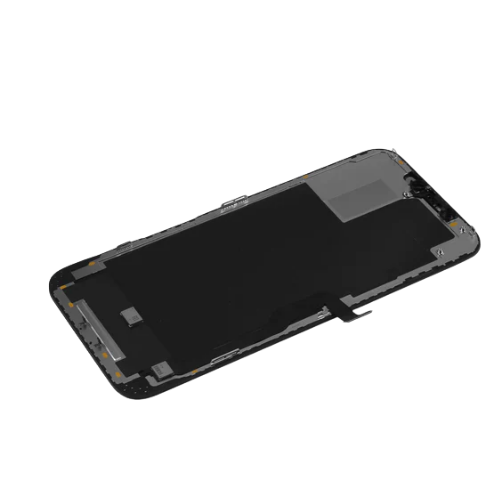
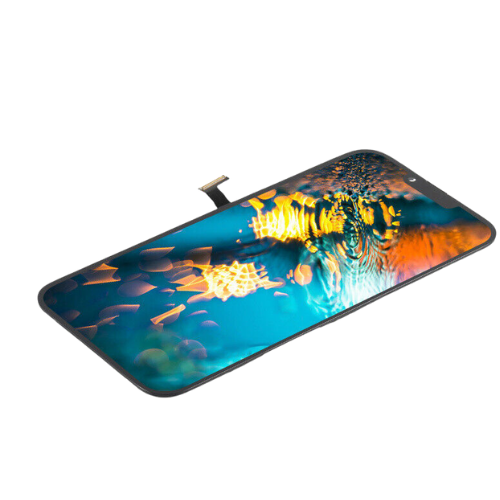
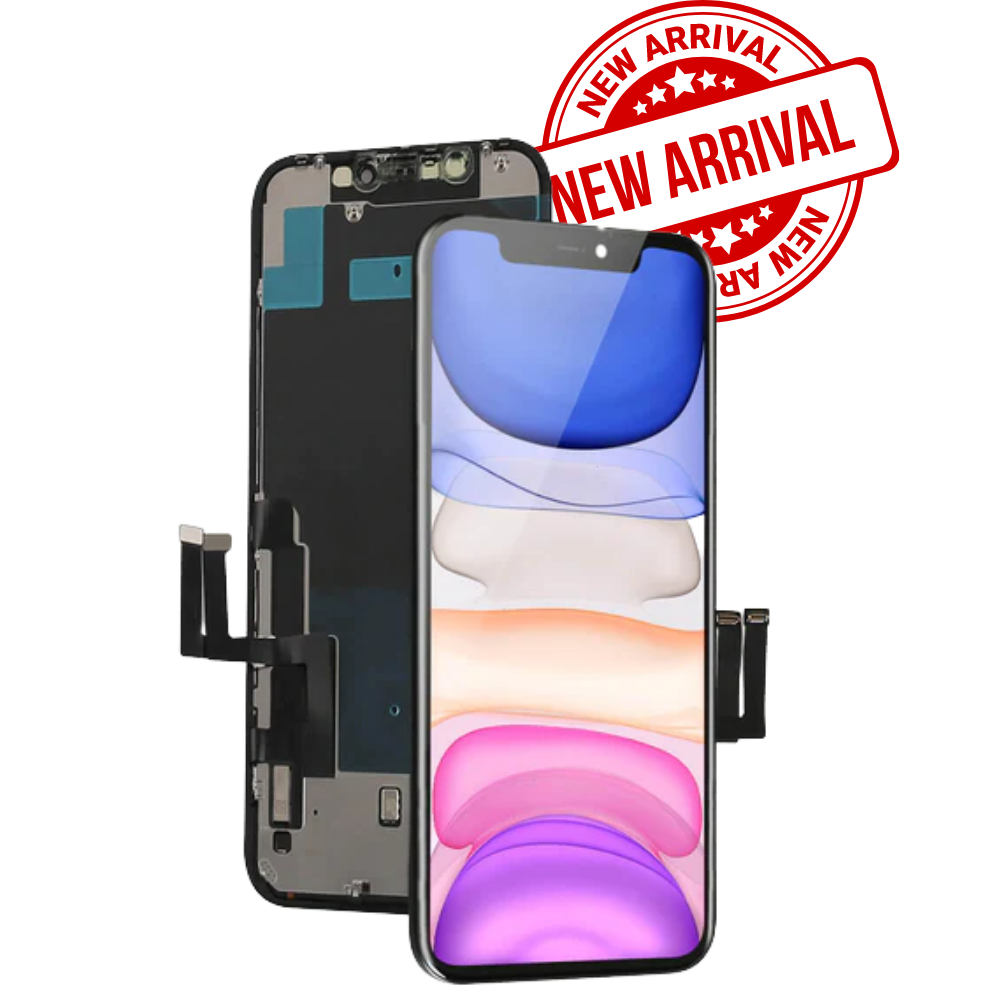
Un tipico display LCD per smartphone include un vetro di copertura, digitalizzatore touch, Pannello LCD, retroilluminazione, e cavi flessibili. Ogni strato ha un ruolo, e il danneggiamento di uno qualsiasi di essi può rendere lo schermo inutilizzabile.
Perché la pressione e le vibrazioni sono pericolose
La pressione provoca punti di stress sul vetro, mentre le vibrazioni indeboliscono lentamente i legami interni. Pensa a come piegare una graffetta più e più volte: non si rompe all'istante, ma lo farà.
Preparazione preconfezionamento
L’imballaggio non inizia con le scatole. Si comincia con la preparazione.
Ispezione prima dell'imballaggio
Ispezionare sempre gli schermi prima della spedizione. Verificare la presenza di crepe, pixel morti, uniformità della retroilluminazione, e integrità del cavo flessibile. La spedizione di schermi difettosi non fa altro che moltiplicare le controversie successive.
Pulizia e protezione delle superfici
Polvere o detriti intrappolati durante l'imballaggio possono graffiare la superficie dello schermo. Pulire ciascuna unità e applicare una pellicola protettiva per evitare danni da attrito.
Principi fondamentali dell'imballaggio degli schermi LCD
Ci sono tre regole d'oro: assorbire gli urti, resistere alla pressione, ed eliminare il movimento.
Assorbimento degli urti
L'imballaggio dovrebbe proteggere lo schermo da cadute e vibrazioni. L’obiettivo è lasciare che sia l’imballaggio a subire il colpo, non lo schermo.
Design anti-pressione
Gli schermi non dovrebbero mai sostenere direttamente il peso. Una spaziatura adeguata e scatole esterne rigide sono fondamentali.
Protezione dall'umidità e dall'elettricità statica
L'umidità può danneggiare gli strati di retroilluminazione, mentre l'elettricità statica può friggere i circuiti. I materiali antistatici e gli essiccanti sono i tuoi guardiani silenziosi.
Guida passo passo all'imballaggio degli schermi LCD degli smartphone
Suddividiamolo in un semplice, processo ripetibile.
Confezione per schermi individuali
Ogni schermo deve essere imballato separatamente. Non lasciare mai che gli schermi si tocchino direttamente.
Utilizzo di pellicole protettive e maniche
Applica una protezione per lo schermo, quindi posizionare lo schermo LCD in una borsa antistatica o in una custodia in schiuma. Ciò previene graffi e scariche statiche.
Imballaggio della scatola interna
Posizionare lo schermo avvolto in una scatola interna accogliente con schiuma EPE o vassoi stampati. Non dovrebbe esserci alcun movimento quando viene scosso.
Rinforzo esterno del cartone
La scatola interna va inserita in un robusto cartone esterno con almeno 5 cm di imbottitura su tutti i lati. Si consiglia vivamente di utilizzare cartoni a doppia parete.
Spiegazione dei materiali di imballaggio
Non tutta l'ammortizzazione è uguale.
Schiuma EPE contro pluriball
La schiuma EPE fornisce un assorbimento degli urti costante e non collassa sotto pressione. Il pluriball è più economico ma meno affidabile per carichi pesanti.
Scatole a nido d'ape e cartoni rigidi
Le strutture a nido d'ape distribuiscono la pressione in modo uniforme, rendendoli ideali per spedizioni di alto valore.
Sacchetti antistatici ed essiccanti
Questi proteggono dai nemici invisibili: elettricità statica e umidità.
Schermi LCD con spedizione in grandi quantità
Le spedizioni all'ingrosso comportano le proprie sfide.
Imballaggio in vassoio per ordini all'ingrosso
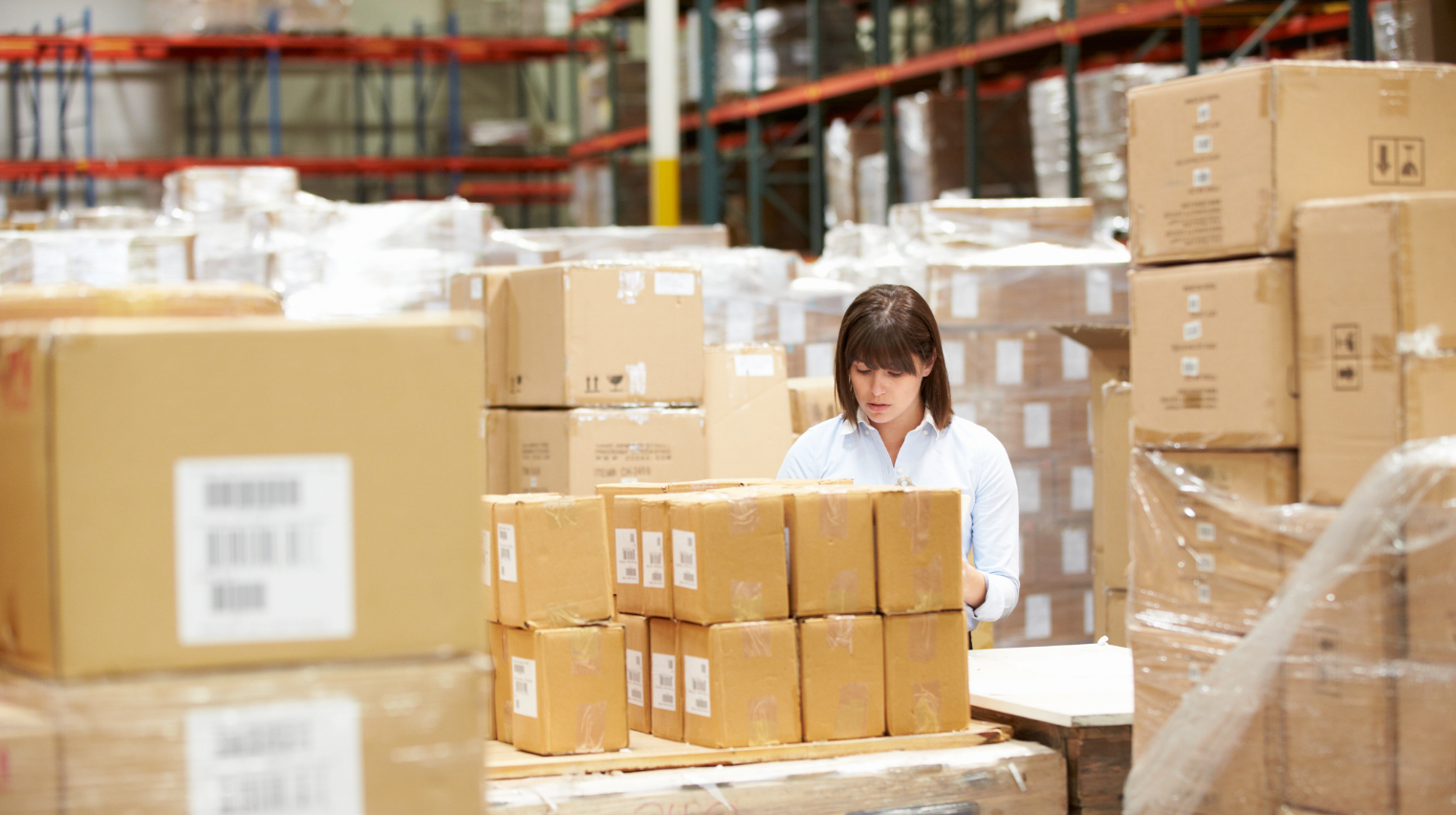
I vassoi in plastica o schiuma mantengono gli schermi allineati e supportati uniformemente. Sono riutilizzabili e riducono i danni da manipolazione.
Pallettizzazione e distribuzione del carico
Utilizzare sempre i pallet per le spedizioni di grandi dimensioni. Distribuire il peso in modo uniforme e fissarlo con pellicola elastica e protezioni angolari.
Istruzioni per l'etichettatura e la manipolazione
Una comunicazione chiara salva le schermate.
Etichette fragili
Anche se non è una garanzia, Le etichette “FRAGILE” avvisano i gestori di essere più cauti.
Avvertenze sull'orientamento e sull'impilamento
Le etichette "This Side Up" e "Do Not Stack" riducono i danni da compressione.
Scegliere il giusto metodo logistico
La scelta del trasporto incide sui costi, velocità, e rischio.
Spedizione tramite corriere (Esprimere)
Meglio per i piccoli, spedizioni di alto valore. Veloce ma incline a manipolazioni frequenti.
Trasporto aereo
Un equilibrio tra velocità e costi. Ideale per volumi medi, ordini urgenti.
Trasporto via mare
Conveniente per ordini all'ingrosso, ma comporta tempi di transito lunghi e rischi di umidità più elevati.
Corriere a confronto, Aria, e trasporto marittimo
Costo vs velocità vs rischio
Il corriere è veloce ma costoso, il trasporto marittimo è economico ma lento, e il trasporto aereo si trova nel mezzo.
I migliori scenari per ciascun metodo
Utilizzare il corriere per i campioni, trasporto aereo per ordini regolari, e trasporto marittimo per grandi spedizioni all'ingrosso.
Valore dichiarato, Assicurazione, e gestione del rischio
Spedire senza assicurazione è come guidare senza cintura di sicurezza.
Perché il valore dichiarato è importante
Il valore dichiarato determina il risarcimento in caso di perdita o danno. La sottodichiarazione fa risparmiare denaro in anticipo ma costa di più in seguito.
Spiegazione dell'assicurazione logistica
L'assicurazione copre i rischi che vanno oltre la responsabilità di base del vettore, compresi danni da movimentazione e forza maggiore.
Suggerimenti per ridurre le controversie sui reclami
Scatta foto prima della spedizione, tenere i registri dell'imballaggio, e utilizzare standard di imballaggio certificati.
Considerazioni doganali e di conformità
Le pratiche burocratiche contano più di quanto pensi.
Codici HS per schermi LCD
L'utilizzo dei codici HS corretti evita ritardi e multe.
Precisione della documentazione
Fatture, liste di imballaggio, e i valori dichiarati devono corrispondere esattamente.
Errori comuni di imballaggio da evitare
Sovraimballaggio vs sottoimballaggio
Troppo stretto provoca danni alla pressione; troppo allentato provoca danni al movimento. L'equilibrio è la chiave.
Ignorare il movimento interno
Se si muove, si rompe. Semplice proprio così.
Esempi di casi reali
Danni dovuti a un imballaggio scadente
Molti schermi rotti sono dovuti a cartoni sottili e alla mancanza di imbottitura interna.
Pratiche di spedizione a danno zero di successo
I venditori che utilizzano imballaggi in vassoio e cartoni doppi riportano i tassi di danno riportati di seguito 0.3%.
Migliori pratiche per venditori e distributori di schermi LCD
Procedure operative standard
Documenta il tuo processo di imballaggio e forma il personale in modo coerente.
Miglioramento continuo attraverso il feedback
Analizzare regolarmente i rapporti sui danni e perfezionare i metodi di imballaggio.
Tendenze future nell'imballaggio e nella logistica degli schermi LCD
Imballaggio ecologico
Le schiume biodegradabili e i cartoni riciclabili stanno guadagnando popolarità.
Monitoraggio della logistica intelligente
I sensori di shock e inclinazione aiutano a monitorare i problemi di movimentazione in tempo reale.
Conclusione
Spedire gli schermi LCD degli smartphone in modo sicuro non è una questione di fortuna, ma di sistemi. Con i giusti materiali di imballaggio, processi strutturati, e scelte logistiche intelligenti, puoi ridurre drasticamente le rotture, controversie, e perdite. Tratta ogni schermo come se fosse già rotto, e impacchettalo come se stessi dimostrando che si sbagliava. Questa mentalità da sola ti metterà davanti alla maggior parte dei venditori sul mercato.
FAQ
1. Qual è il miglior materiale da imballaggio per gli schermi LCD degli smartphone?
La schiuma EPE combinata con sacchetti antistatici e cartoni a doppia parete offre la migliore protezione.
2. È necessaria un'assicurazione per le spedizioni di schermi LCD?
SÌ, soprattutto per spedizioni di valore elevato o di grandi quantità. L’assicurazione riduce significativamente il rischio finanziario.
3. È possibile utilizzare il pluriball per l'imballaggio dello schermo LCD?
Può essere utilizzato come strato secondario, ma non dovrebbe sostituire la protezione in schiuma strutturata.
4. Quale metodo di spedizione ha il tasso di danno più basso?
Il trasporto aereo con imballaggio professionale offre in genere il miglior equilibrio tra velocità e sicurezza.
5. Come posso ridurre le controversie logistiche con gli acquirenti?
Utilizzare un imballaggio adeguato, dichiarare valori accurati, scattare foto prima della spedizione, e scegli i servizi logistici assicurati.