
Introduction
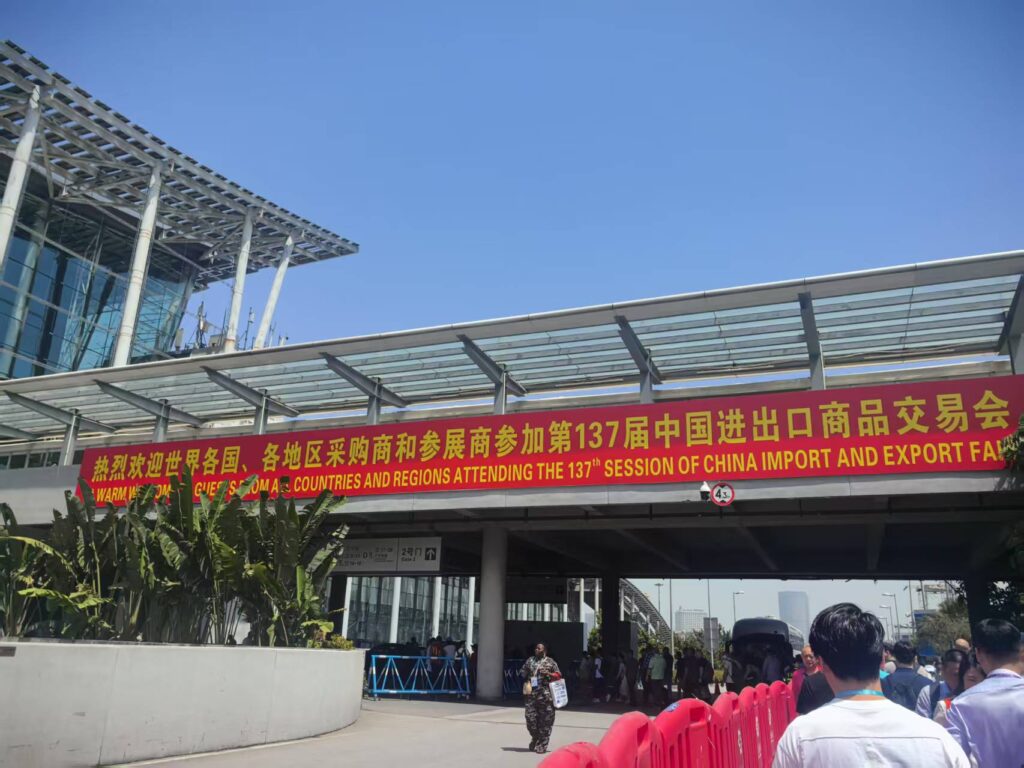
La Foire de Canton, connue officiellement sous le nom de Foire d'importation et d'exportation de Chine, est depuis longtemps le cœur battant du commerce international de la Chine. Mais à mesure que le paysage mondial évolue, la foire, en particulier sa phase clé 1 se concentrant sur l’électronique grand public et les produits d’information – est confronté à une vague de défis. Tenu à partir d'avril 15 à 19, cette phase rassemble des milliers d'acheteurs et de fournisseurs mondiaux. Mais sous la surface se cache un ensemble croissant de problèmes qui pourraient remodeler son avenir..
Qu'est-ce que la Foire de Canton?
Commencé dans 1957, la Foire de Canton est la plus ancienne et la plus grande foire commerciale de Chine. Il a lieu deux fois par an à Guangzhou et attire des centaines de milliers de participants.. Le salon est divisé en trois phases, chacun s'adressant à différentes industries. Il s’agit d’une fenêtre cruciale sur les capacités manufacturières de la Chine et sert de pont entre l’Est et l’Ouest..
Pourquoi la phase 1 Importe
Phase 1 donne le ton à toute la foire. C’est là que l’électronique grand public de pointe, appareils électroménagers intelligents, et lancement de produits informatiques. Cette phase attire les acheteurs technologiques mondiaux qui cherchent à se procurer les derniers gadgets et solutions.. À une époque où l'IA, IdO, et les technologies d'énergie propre dominent, Phase 1 n'a jamais été aussi important ni aussi compétitif.
Points saillants de la phase 1 (15-19 avril, 2025)
Des milliers d'exposants se sont réunis pour présenter leurs dernières offres dans d'immenses halls. Catégories incluses:
- Smartphones et accessoires
- Appareils alimentés par l'IA
- Systèmes de maison intelligente
- Technologie portable
- Équipement de réseau
- Electronique Industrielle
Les innovations cette année se sont concentrées sur les matériaux écologiques, 5Intégration G, et fonctionnalités basées sur l'IA. De grands noms comme Huawei et TCL ont été mis à l'honneur, tandis que les startups apportaient une nouvelle énergie aux pavillons technologiques.
Les défis actuels auxquels est confrontée la Foire de Canton
Obstacles aux voyages internationaux et aux visas
Malgré des frontières plus ouvertes, de nombreux visiteurs internationaux sont encore confrontés à de longues procédures de visa. L'exigence d'invitations, disponibilité limitée du consulat, et des règles de quarantaine peu claires ont réduit le trafic piétonnier en provenance de marchés clés comme l'Afrique et l'Amérique du Sud..
Une concurrence mondiale féroce
Avec des salaires en hausse et de nouveaux pôles de fabrication en Asie du Sud-Est, les acheteurs explorent les foires au Vietnam, Thaïlande, et l'Inde. Ces événements offrent des expériences moins fréquentées et une logistique plus rapide.
Luttes de transformation numérique
Même si la Foire de Canton propose un modèle hybride, son interface numérique n'a toujours pas la convivialité de plateformes comme Alibaba ou Global Sources. Les stands virtuels semblent souvent statiques, et les outils d'interaction sont maladroits, ce qui rend difficile la conclusion de transactions en ligne.
Qualité vs. Problèmes de quantité
Avec des milliers de stands, de nombreux visiteurs se sentent dépassés. Certains produits se ressemblent étrangement, soulever des questions sur l’innovation. Le volume même peut rendre difficile la recherche de la vraie valeur.
Problèmes de propriété intellectuelle
La culture de la copie demeure un problème majeur. Les acheteurs étrangers déclarent avoir vu les mêmes conceptions de produits sur plusieurs stands. Même si la foire prétend protéger la propriété intellectuelle, l’application est faible et souvent trop lente pour avoir de l’importance.
Fatigue des acheteurs et baisse de l'engagement
Traverser des rangées interminables de stands peut entraîner une surcharge sensorielle. Sans outils de navigation intelligents ni recommandations d’exposants sur mesure, les acheteurs manquent de fournisseurs pertinents.
Défis côté fournisseur
Coûts de participation croissants
Des frais de location de stand aux prix des hôtels qui montent en flèche, exposer à la Foire de Canton n’est pas bon marché. Les petites marques sont évincées, limiter la variété et l’innovation sur le terrain.
Changer le comportement des acheteurs
De nombreux acheteurs préfèrent désormais les événements B2B organisés ou se connectent simplement en ligne. Des plateformes comme Made-in-China et Alibaba permettent d'accélérer, moins cher, et un approvisionnement plus direct, éliminant ainsi le besoin de déplacements coûteux.
Le visage changeant de la demande électronique mondiale
Les acheteurs d’aujourd’hui ne recherchent pas seulement des gadgets bon marché. Ils veulent être respectueux de l'environnement, Intégré à l'IA, et solutions compatibles IoT. Cela signifie que les fournisseurs chinois doivent monter de niveau ou risquer de perdre des parts de marché..
Les tendances émergentes incluent:
- Assistants personnels basés sur l'IA
- Gadgets de cuisine intelligents
- Emballage durable
- Electronique économe en énergie
Des opportunités face aux défis
Ce ne sont pas que de mauvaises nouvelles. La Foire de Canton s'adapte. Le gouvernement encourage les technologies vertes, soutenir l’innovation avec R&Subventions D, et l'amélioration de la plateforme numérique.
Des efforts sont également déployés pour:
- Mettez en relation les acheteurs et les fournisseurs via des systèmes d'IA intelligents
- Promouvoir la protection de la propriété intellectuelle grâce à une résolution plus rapide des litiges
- Proposer des formations aux exposants sur le marketing digital
Voix de la salle
Un fabricant d'électronique basé à Shenzhen a déclaré, « Ce n’est plus seulement une question de prix bas. Nous devons raconter une meilleure histoire, montrer une meilleure qualité.
Un acheteur australien a partagé, « Je viens toujours pour des rencontres en face à face. Mais j’aurais aimé qu’il y ait de meilleurs outils pour trier le bruit.
Prédictions d'experts pour l'avenir de la Foire de Canton
Les experts estiment que la Foire de Canton restera pertinente si elle évolue. L’avenir réside dans l’efficacité hybride, un jumelage plus intelligent, et une concentration claire sur l'innovation plutôt que sur l'imitation.
Les recommandations incluent:
- Plus de pavillons sélectionnés
- Services de traduction numérique en temps réel
- Expériences de stand de réalité virtuelle
- Une surveillance IP renforcée
Conclusion
La Foire de Canton reste un géant du commerce mondial, mais même les géants doivent s'adapter. Phase 1 de la foire, en se concentrant sur l'électronique grand public et les produits d'information, est à un tournant. Alors que les défis de la concurrence, coût, et la perturbation numérique menace, des opportunités existent encore pour ceux qui sont prêts à innover et à collaborer. Le chemin à parcourir est cahoteux, mais avec les bonnes stratégies, la Foire de Canton peut continuer à être une centrale mondiale d'approvisionnement.
FAQ
1. Quelle est la meilleure période pour visiter la phase de la foire de Canton 1?
Visite tôt le matin les deux premiers jours. C'est à ce moment-là que les salles sont moins bondées, et les fournisseurs sont les plus désireux de parler.
2. Comment se préparer en tant qu'acheteur international?
Pré-inscrire en ligne, recevez votre lettre d'invitation tôt, et planifier à l'avance les rendez-vous avec les principaux fournisseurs.
3. Les stands virtuels valent-ils la peine d’être visités?
Certains sont, surtout s'ils proposent un chat en direct et des démos vidéo. Mais beaucoup n’ont toujours pas l’engagement des visites en personne.
4. Quelles sont les catégories les plus en vogue en électronique actuellement?
Technologie de maison intelligente, Appareils portables alimentés par l'IA, et les gadgets écologiques sont à la mode 2025.
5. Comment protéger la propriété intellectuelle à la Foire de Canton?
Évitez de partager des spécifications ou des échantillons détaillés, sauf sous NDA. Utilisez des filigranes sur les documents et signalez toute activité suspecte au centre de protection IP sur place.