
Introduction
Vous êtes-vous déjà demandé pourquoi l'écran de votre smartphone est plus fluide ?, diluant, et plus réactif que les modèles d'il y a quelques années? C’est grâce aux innovations rapides dans technologies d'intégration tactile. Depuis les débuts des écrans tactiles externes jusqu'aux systèmes sophistiqués Dans la cellule et Sur cellule méthodes, ces avancées ont redéfini la façon dont nous interagissons avec nos appareils.
Explorons comment Dans la cellule, Sur cellule, et OGS (Une solution en verre) évolué, ce qui les différencie, et comment ils fusionnent pour créer l'expérience d'affichage ultime.
L'évolution de l'intégration de l'écran tactile
La technologie de l'écran tactile a commencé avec un objectif simple : permettre aux utilisateurs de contrôler les appareils directement via l'écran.. Les premiers smartphones utilisés modules tactiles externes, où le capteur tactile a été placé au-dessus de l'écran. Mais comme les utilisateurs exigeaient des téléphones plus fins et des écrans plus clairs, les fabricants cherchaient de meilleures solutions.
Le résultat? Une série d’étapes d’intégration — Sur cellule, OGS, et Dans la cellule - chaque fusion des calques tactiles et d'affichage plus étroitement qu'auparavant.
Comprendre les différentes structures d'écran tactile
Module tactile externe (Type de module complémentaire)
Les premiers smartphones, comme l'iPhone de première génération, utilisé modules tactiles séparés. Une couche de verre avec un capteur tactile placée au-dessus de l'écran LCD.
Pros:
- Facile à produire et à réparer
- Fiable pour les premières conceptions capacitives
Inconvénients:
- Structure plus épaisse
- Transmission lumineuse réduite (affichage plus faible)
- Sensibilité inférieure en raison de plusieurs couches
Cette configuration a bien fonctionné jusqu'à ce que les consommateurs commencent à rechercher des designs plus élégants et une meilleure qualité visuelle..
Technologie sur cellule
Sur cellule intègre directement le capteur tactile en haut du panneau d'affichage, plutôt que sur un calque séparé.
Comment ça marche:
Les électrodes tactiles sont gravées sur le verre extérieur de l'écran., réduire les couches et améliorer la transmission de la lumière.
Avantages:
- Plus fin et plus léger que les modules externes
- Clarté optique améliorée
- Bon équilibre entre coût et performance
Limites:
- Difficile d'obtenir une précision tactile parfaite sur des conceptions incurvées ou à bords
- Il y a encore un petit écart entre le capteur tactile et les pixels de l'écran
De nombreux smartphones de milieu de gamme et de milieu supérieur l'ont adopté comme tremplin vers une intégration complète..
Technologie cellulaire
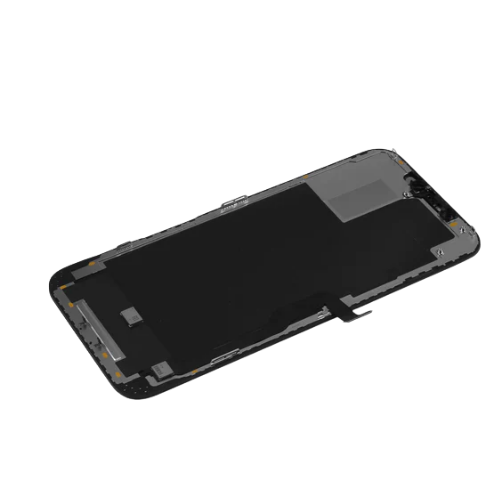
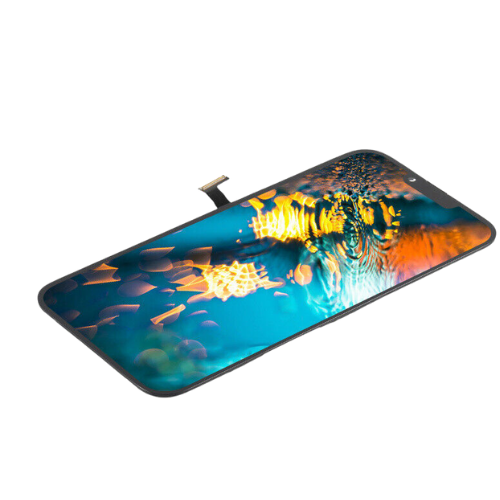
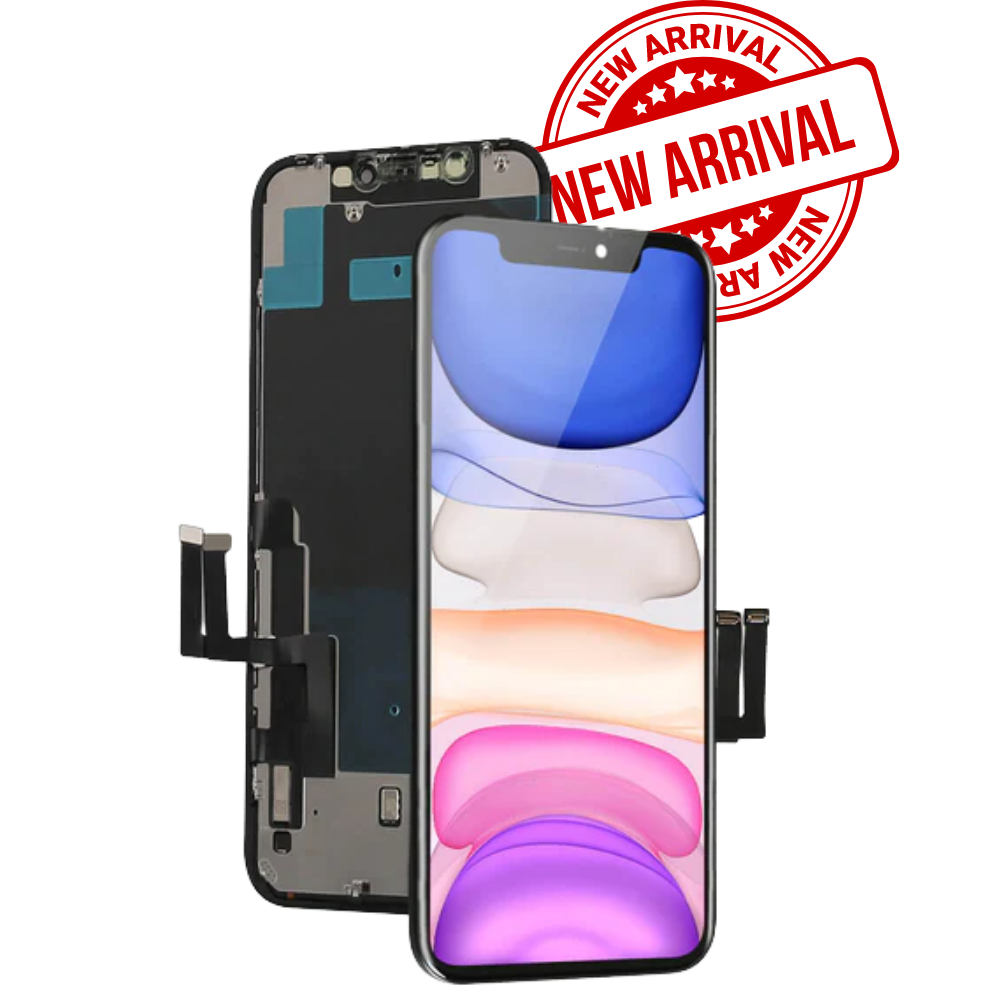
Dans la cellule représente la prochaine évolution — intégrer des capteurs tactiles directement dans la structure cellulaire de l’écran.
Comment ça marche:
Les électrodes tactiles sont intégrées dans la couche TFT ou LCD elle-même, ce qui signifie que la détection tactile se produit là où les images se forment.
Avantages:
- Conception ultra fine — pas besoin de verre ou de couches supplémentaires
- Meilleure transmission de la lumière — des images plus lumineuses et plus claires
- Une sensibilité plus élevée — réponse directe au toucher avec moins de délai
- Moins de couches — poids réduit et meilleure efficacité de production
C'est pourquoi les modèles phares comme l'iPhone et les Android premium s'appuient fortement sur les solutions In-Cell ou hybrides In-Cell..
OGS (Une solution en verre)
Avant la maturation d’In-Cell, OGS a été présentée comme une technologie de transition.
Qu'est-ce que c'est:
OGS intègre directement le capteur tactile sur un seul morceau de verre, retirer une couche de substrat par rapport aux conceptions plus anciennes.
Pros:
- Plus léger et plus fin que les structures complémentaires traditionnelles
- Plus facile à fabriquer que In-Cell dans les premiers stades
Inconvénients:
- Fragile en raison du verre plus fin
- Toujours pas aussi intégré que In-Cell
OGS a trouvé sa popularité dans les smartphones du début des années 2010, en particulier sur les marchés sensibles aux coûts.
Comparaison technologique
Épaisseur et conception
| Technologie | Épaisseur | Application typique |
|---|---|---|
| Module externe | Le plus épais | Premiers smartphones |
| OGS | Moyen | Modèles milieu de gamme (2013–2017) |
| Sur cellule | Mince | Moyen à haut de gamme |
| Dans la cellule | Le plus fin | Appareils phares et premium |
Sensibilité tactile et précision
In-Cell surpasse les autres en détectant même les contacts les plus légers grâce à ses capteurs intégrés. On-Cell reste précis mais légèrement moins réactif.
Qualité d'affichage
Avec moins de couches bloquant la lumière, In-Cell offre une qualité supérieure luminosité, précision des couleurs, et contraste.
Complexité et coût de fabrication
Alors que In-Cell offre des performances optimales, il est plus complexe à produire, ce qui rend plus coûteux et plus difficile le maintien de taux de rendement élevés pendant la production de masse.
Technologie In-Cell – La donne change
Comment fonctionne In-Cell
En fusionnant les électrodes tactiles et d'affichage, In-Cell élimine les couches redondantes. L'affichage Tableau TFT pilote à la fois les pixels de l’image et la détection tactile, permettant un traitement plus rapide et une meilleure cohérence visuelle.
Avantages de la cellule
- Diluant, appareils plus légers — essentiel pour les designs modernes
- Des visuels plus nets — moins de couches signifie moins de réfraction
- Toucher plus sensible — détection immédiate du signal
- Efficacité énergétique - moins de puissance de rétroéclairage nécessaire
Défis techniques
Malgré ses atouts, In-Cell est confronté à des problèmes tels que:
- Interférence des signaux entre les circuits d'affichage et tactiles
- Des rendements de production inférieurs
- Limites de compatibilité avec panneaux OLED flexibles (même s'il s'améliore rapidement)
L’essor des technologies hybrides
Intégration dans la cellule et sur la cellule
Les fabricants expérimentent conceptions hybrides, fusionner la flexibilité d’On-Cell avec l’efficacité d’In-Cell. Cette approche améliore le rendement de production tout en conservant la plupart des avantages de l'intégration In-Cell.
Le rôle de l'OLED et du LTPO
Alors que les écrans OLED et LTPO dominent les marchés haut de gamme, nouveau Tactile sur OLED (ToF) et Tactile OLED intégré des solutions ont vu le jour — offrant des temps de réponse ultra-rapides et une faible consommation d'énergie.
Tendances du marché et perspectives d'avenir
Des marques comme Pomme, Samsung, Xiaomi, et Oppo sont à l’origine des innovations tactiles In-Cell et OLED. Téléphones pliables, caméras sous-jeu, et les bords incurvés poussent les fabricants vers des conceptions entièrement intégrées qui équilibrent flexibilité, durabilité, et sensibilité.
Dans un futur proche, toucher et afficher deviendra pratiquement impossible à distinguer, offrant une interactivité transparente, presque comme toucher la lumière elle-même.
Conclusion
Des modules externes à l'intégration In-Cell, la technologie tactile a parcouru un long chemin. In-Cell est le système le plus avancé, alliant minceur, clarté, et réactivité – la sainte trinité des écrans de smartphones modernes.
À mesure que les écrans évoluent vers la flexibilité, pliable, et solutions sous écran, La fusion entre performance et design d’In-Cell restera la base de la prochaine vague d’innovation interactive..
FAQ
1. Quelle est la principale différence entre On-Cell et In-Cell?
On-Cell place des capteurs tactiles au-dessus de l'écran, tandis que In-Cell les intègre dans les couches de l'écran pour des résultats plus fins et plus réactifs..
2. Pourquoi In-Cell est-il plus populaire dans les smartphones phares?
Parce qu'il offre la meilleure combinaison de design fin, clarté visuelle, et précision du toucher.
3. Quelles sont les limites de la technologie OGS?
Les panneaux OGS sont plus fins mais plus fragiles et moins intégrés par rapport aux In-Cell.
4. In-Cell remplacera-t-il toutes les autres technologies tactiles?
Probablement pour les appareils haut de gamme, bien que les solutions On-Cell et hybrides restent des applications économiques ou flexibles.
5. Comment OLED affecte-t-il l'intégration tactile?
Les panneaux OLED prennent naturellement en charge les capteurs tactiles intégrés, ouvrant la voie aux technologies avancées In-Cell et hybrides In-Display.