
Introduzione
Quando Donald Trump è tornato al potere a gennaio 2025, la sua amministrazione ha rapidamente rilanciato le misure commerciali protezionistiche. Tra loro, un'ondata di nuove tariffe sulle importazioni dalla Cina, Messico, e Canada ha inviato onde d’urto lungo le catene di approvvigionamento globali.
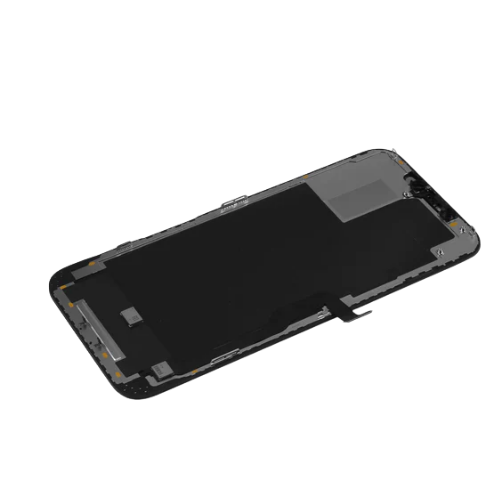
Per gli acquirenti di display per smartphone, il messaggio era chiaro – i costi stanno aumentando, e le regole stanno cambiando.
Il complesso quadro tariffario 2025
Multistrato, Struttura tariffaria elevata
Il nuovo sistema tariffario introdotto nel 2025 È ampio, aggressivo, e complesso, formando molteplici strati di barriere commerciali che colpiscono quasi tutti i prodotti importati.
20%-25% Dazi sui prodotti di fabbricazione cinese
A febbraio 2025, citando preoccupazioni relative alla sicurezza nazionale e al fentanil, gli Stati Uniti. imposto a 20% tariffa su tutte le esportazioni cinesi.
Entro aprile, tariffe aggiuntive di cui Sezione 301 aumento delle tariffe sui prodotti elettronici 25%, prendendo di mira direttamente i pannelli e i componenti degli smartphone.
10% Fine della tariffa universale sulle importazioni $800
Una “tariffa universale” di 10% ora si applica a tutte le merci importate di valore superiore $800, indipendentemente dall'origine. Ciò ha influenzato in modo significativo i moduli display di fascia medio-alta.
Esenzione per gli Stati Uniti. Contenuto ≥ 20%
Tuttavia, prodotti con almeno 20% Componenti di fabbricazione americana beneficiare di un’esenzione parziale o totale, un incentivo progettato per attirare il settore manifatturiero più vicino agli Stati Uniti. suolo.
Aumento dei costi di approvvigionamento
Il peso ricade sugli importatori
COME Ed Razor, Vicepresidente della Consumer Technology Association, dichiarato:
"NOI. importatori, non esportatori, sono quelli che pagano queste tariffe”.
Ciò significa che lo shock dei costi viene assorbito dai distributori e dai consumatori americani.
Margini di profitto sotto pressione
La Cina domina ancora gli Stati Uniti. importazioni di elettronica, contabilità 78% di smartphone e 79% di laptop spedito 2023.
Con tariffe medie 25%, i costi di approvvigionamento sono aumentati del 20-30%, costringendo molti rivenditori a ripensare le strategie di prezzo.
Il dilemma del prezzo
Gli importatori si trovano di fronte ad una scelta dolorosa: assorbire le tariffe e perdere profitti O aumentare i prezzi e rischiare di perdere clienti.
Come Tina Ghazarian, fondatore di “Oster” in California, ricordato:
“Una volta ho adeguato i miei prezzi, i clienti iniziarono ad allontanarsi. C’è solo un certo limite che il mercato può sopportare”.
La catena di fornitura globale in continuo cambiamento
Diversificazione oltre la Cina
Per mitigare i rischi tariffari, i produttori lo sono accelerando il loro trasferimento in Vietnam, India, e Messico. TCL e Hisense gestiscono già impianti in queste regioni, mentre BOE e HKC stanno espandendo gli impianti di assemblaggio dei moduli all'estero.
La strategia di magazzinaggio all'estero
Molti importatori ora spediscono componenti sfusi a magazzini doganali, soprattutto dentro Monterrey, Messico.
Pagando i dazi solo al momento della vendita, le aziende possono ridurre i costi tariffari effettivi fino al 38%.
IL $800 La scappatoia de minimis
Un'altra soluzione alternativa prevede suddividendo le spedizioni di seguito $800 per beneficiare dell'esenzione fiscale, un metodo che rimane sotto gli Stati Uniti. Controllo doganale per potenziali abusi.
Strategie di gestione della conformità
Utilizzo dei modelli di spedizione DDP
Consegnato sdoganato (DDP) consente agli importatori di pagare anticipatamente le tariffe tramite i partner logistici.
Anche se più costoso, questo modello garantisce conformità e certezza della consegna, evitando ritardi legati alla dogana.
Sfruttare le regole di origine
Assemblando gli schermi in Nazioni RCEP come il Vietnam, le aziende possono soddisfare i requisiti di “valore aggiunto locale” e aggirare legalmente le tariffe più elevate.
Monitoraggio degli elenchi di esenzioni
Gli Stati Uniti. Rappresentante commerciale (USTR) aggiornamenti periodici elenchi di esenzioni tariffarie – come nel caso dei semiconduttori o di specifiche parti LCD – che possono contribuire a ridurre i costi di approvvigionamento se utilizzati strategicamente.
La tecnologia come scudo contro l’impatto dei dazi
MiniLED, Punto quantico, e OLED: La prossima frontiera
Le tariffe stanno accelerando l’industria spingere verso tecnologie ad alto valore.
Pannelli MiniLED e OLED, essendo prodotti più nuovi e con margini più elevati, consentire ai produttori di compensare i costi tariffari attraverso l’innovazione.
L’accelerazione tecnologica della Cina
Boe, TCL CSOT, e Visionox stanno investendo 8.6-linee OLED di nuova generazione, mentre la linea pilota di OLED stampati di TCL è già entrata nella produzione in piccoli lotti.
Questo salto tecnologico riduce la dipendenza dai vecchi moduli LCD, che devono affrontare la pressione tariffaria più dura.
Le prospettive future
Potenziale 60% Escalation tariffaria
Trump ha accennato a a possibile 60% tariffa sui beni cinesi in caso di peggioramento delle tensioni commerciali.
Una mossa del genere si innescherebbe forte inflazione nel settore dell’elettronica e approfondire la frammentazione della catena di approvvigionamento globale.
La crescente importanza del Messico
Il Messico ora fornisce 17.5% delle importazioni elettroniche americane, vale oltre $100 miliardi all'anno.
La sua vicinanza e i legami di libero scambio ne fanno una base sempre più strategica per l'assemblaggio e la riesportazione.
Ristrutturazione a lungo termine in vista
Nonostante il dolore a breve termine, il settore dei display si sta adattando diversificazione regionale e gestione della catena di fornitura digitale.
Nel tempo, questi cambiamenti potrebbero ridefinire il modo in cui il mondo si costruisce e vengono visualizzate le fonti.
Voci dal settore
La storia di un importatore della California
Di nuovo dentro 2019, Tina Ghazarian pensava che la sua azienda non sarebbe sopravvissuta alla prima ondata di dazi.
Ora, In 2025, la storia sembra ripetersi.
“Ho imparato a rispettare le regole: diversificare, pianificare in anticipo, e non fare mai affidamento su un unico percorso.
Le sue parole risuonano in tutta la comunità degli appalti display, ora intrappolato tra l’incertezza politica e la realtà economica.
La strategia di resilienza per gli acquirenti display
- Diversificare le basi dei fornitori — fonte da più paesi per ridurre l'esposizione.
- Utilizzare zone vincolate e zone di libero scambio — ritardare il pagamento delle tariffe fino alla vendita finale.
- Adottare una logistica ibrida — mescolare l'aria, mare, e trasporto terrestre per ottimizzare i costi.
- Investi in strumenti di automazione e previsione — rafforzare la visibilità della catena di fornitura.
- Collaborare con esperti di conformità — garantire che tutti i documenti commerciali siano in linea con gli Stati Uniti. normative doganali.
Questi passaggi proattivi costituiscono la spina dorsale di un resiliente, catena di fornitura adattiva.
Conclusione
IL 2025 NOI. la politica tariffaria ha creato una tempesta perfetta per gli acquirenti di display per smartphone: costi in aumento, normative più stringenti, e catene di approvvigionamento interrotte.
Ancora, all'interno di questa sfida si trovano le opportunità.
Aziende che abbracciare la diversificazione, conformità, e innovazione non solo sopravviveranno, ma prospereranno nel nuovo ordine commerciale globale.
FAQ
1. Quali sono le principali tariffe tariffarie che interessano i display degli smartphone? 2025?
La maggior parte dei pannelli espositivi di fabbricazione cinese sono rivolti verso l'alto 20%–25% tariffe, mentre le importazioni sono finite $800 comportare un ulteriore 10% tariffa universale.
2. In che modo gli acquirenti di prodotti display possono ridurre i costi legati alle tariffe??
Attraverso deposito doganale, Spedizione DDP, e assemblaggio basato sull'origine nei paesi favorevoli alle tariffe.
3. Perché il Messico sta emergendo come un hub chiave per gli Stati Uniti?. importazioni di elettronica?
Per via sua prossimità, accordi commerciali, e vantaggi in termini di costi, rendendolo ideale per l'assemblaggio finale e la riesportazione negli Stati Uniti.
4. Quali sono gli effetti a lungo termine sui produttori di display globali?
Un graduale decentramento della produzione lontano dalla Cina, accoppiato con altro ancora filiere regionalizzate.
5. In che modo l'innovazione tecnologica rimodellerà la catena di fornitura del display?
Tecnologie avanzate come MiniLED e OLED consentire ai produttori di risalire la catena del valore, compensare i costi tariffari attraverso margini più elevati.