Zavedenie
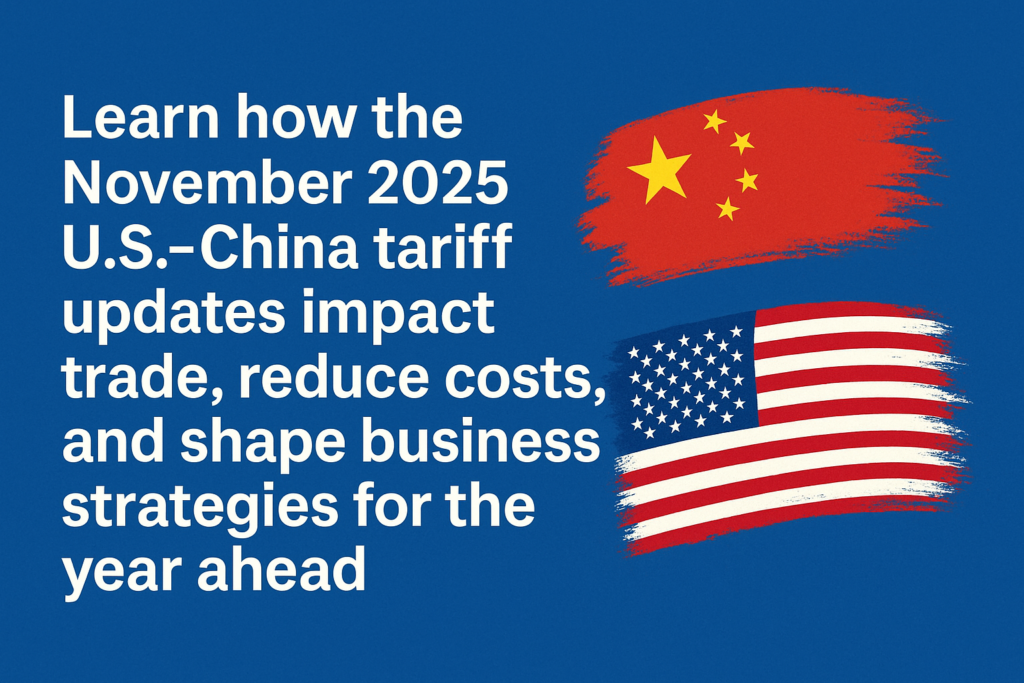
Od novembra 2025, obchodné vzťahy medzi USA a Čínou nabrali ďalší neočakávaný obrat. USA. vláda oznámila sériu úprav zameraných na vyváženie ekonomickej bezpečnosti s diplomatickou angažovanosťou – najmä pokiaľ ide o kontrolu fentanylu, férovosť, a high-tech export. Tieto nové opatrenia, efektívne novembra 10, 2025, prinášajú príležitosti a nové výzvy pre globálne podniky.
Poďme si rozobrať, čo je nové, prečo na tom záleží, a ako by to mohlo ovplyvniť vašu obchodnú stratégiu 2025 a ďalej.
Pozadie obchodného napätia medzi USA a Čínou
Nie je žiadnym tajomstvom, že obchodné vzťahy medzi USA a Čínou sú od bojov o tarify v rokoch 2018 – 2019 skalnaté.. Postupom času, tarify sa rozšírili na všetko od ocele po polovodiče, s tovarom v hodnote miliárd dolárov.
V posledných rokoch, však, Zameranie Washingtonu sa presunulo na kontrolu látky príbuzné fentanylu, čo viedlo k zavedeniu prídavného 20% na určitý čínsky dovoz označené ako súčasť „antifentanylových“ opatrení. Peking to kritizoval ako politicky motivovanú, no pokračujúcu spoluprácu v oblasti kontroly drog – ktorá, zaujímavé, ovplyvnilo vrátenie taríf oznámené v r 2025.
Kľúčové zmeny platné od novembra 10, 2025
Zníženie taríf „kontrola fentanylu“.
Od novembra 10, 2025, USA. bude znížiť svoju takzvanú tarifu za „kontrolu fentanylu“. 20% do 10%. Tento krok signalizuje opatrné uvoľnenie napätia a uznanie prísnejších opatrení Číny na presadzovanie práva proti nezákonnému vývozu fentanylu.
Bývalý prezident Donald Trump (ktorý nastúpil do funkcie v r 2025) uviedol, že ak Čína bude pokračovať v prísnej kontrole fentanylu, on by zvážte odstránenie zvyšných 10%. Pre čínskych exportérov a U.S. dovozcov, toto potenciálne odstránenie ciel by sa mohlo premietnuť do významných úspor a plynulejších cezhraničných operácií.
Predĺženie recipročného pozastavenia ciel
Pôvodne, USA. pozastavil dodatočne recipročné tarify do novembra 10, 2025. Toto pozastavenie už bolo predĺžená o jeden rok, kým novembra 10, 2026.
To znamená, že na ďalší rok, obe krajiny budú udržiavať prúd 10% recipročnej tarifnej úrovni, vyhnúť sa eskalácii a ponúknuť podnikom mieru predvídateľnosti obchodných nákladov.
Rozšírenie sekcie 301 Colné výnimky
oddiel 301 clá – kľúčový prvok obchodnej vojny – zostávajú v platnosti pre mnohé tovary. Avšak, určité výnimky boli kľúčové pre odvetvia závislé od čínskej výroby.
USA. má teraz predĺžil platnosť konkrétneho oddielu 301 colné výnimky od novembra 29, 2025, do novembra 10, 2026, zosúladenie časového harmonogramu s recipročným pozastavením ciel.
Tieto výnimky pokrývajú 178 kategórie produktov HTSUS, vrátane:
- Detské výrobky a hračky
- Súčiastky strojov
- Chemické materiály
- Elektronické súčiastky
- Zdravotnícky materiál
- Zariadenia na solárnu energiu
- Zariadenia na výrobu kremíkových doštičiek
Pre spoločnosti v týchto odvetviach, toto je vítaná správa – zabezpečenie stability nákladov na ďalší rok.
Pozastavenie 50% Pravidlo kontroly vývozu vlastníctva
Ďalšou pozoruhodnou zmenou je jednoročné pozastavenie pravidla kontroly vývozu „50 % vlastníctvo“., ktorý rozšíril definíciu obmedzených subjektov o dcérske spoločnosti a pridružené spoločnosti vlastnené 50% alebo viac od kótovaných spoločností.
Toto pravidlo spôsobilo veľké problémy s dodržiavaním predpisov pre technologické firmy a výrobcov polovodičov. Jeho pozastavenie ponúka dočasnú úľavu, umožnenie plynulejšieho udeľovania vývozných licencií a operácií spoločných podnikov.
Pozastavenie poplatkov za prístavné dokovanie
S účinnosťou od novembra 10, 2025, USA. bude pozastaviť prístavné dokovacie poplatky pre čínske plavidlá na jeden rok. Toto opatrenie má za cieľ znížiť prepravné náklady a logistické trenia.
Vo vzájomnom geste, Čína tiež pozastaví svoje protiopatrenia na U.S. plavidlá. Tento vzájomný krok ukazuje, že obe krajiny sú otvorené praktickým opatreniam na uľahčenie obchodu – dokonca aj pri pretrvávajúcom napätí.
Najviac postihnuté odvetvia
Elektronika a polovodičové zariadenia
Nižšie clá a uvoľnené pravidlá vývozu sú úľavou pre elektronický a polovodičový priemysel, ktoré výrazne závisia od cezhraničných technologických tokov.
Chemický a materiálový sektor
Znížené clá a rozšírené výnimky znamenajú nižšie vstupné náklady pre výrobcov chemikálií – najmä tých, ktorí používajú medziprodukty z Číny.
Lekárske a zdravotnícke potreby
Produkty, ako sú diagnostické nástroje a jednorazové zdravotnícke pomôcky, sú súčasťou 301 zoznam výnimiek, zabezpečenie cenovej stability a kontinuity dodávok.
Výroba obnoviteľnej energie
Zariadenia na výrobu solárnych a kremíkových doštičiek profitujú z colnej úľavy, posilnenie dodávateľského reťazca obnoviteľnej energie.
Stroje a priemyselné komponenty
Pre priemyselných a mechanických vývozcov, rozšírené výnimky znamenajú hladšie colné konanie a trvalú konkurencieschopnosť v USA. trhy.
Širší ekonomický a politický kontext
USA. rozhodnutie vlády odráža a duálna stratégia — zmiernenie hospodárskeho tlaku pri zachovaní politického vplyvu.
Washington predstavuje zníženie ciel ako a odmenu za čínsku spoluprácu o kontrole fentanylu a motiváciu k ďalšiemu dodržiavaniu.
Medzitým, Peking považuje tieto kroky za a čiastočná normalizácia a znamenie, že vzájomné obchodné výhody stále prevažujú nad politickými spormi.
Čo by mali firmy teraz robiť
Prehodnoťte dodávateľské reťazce
Podniky by mali zhodnotiť svoju kombináciu zdrojov – zohľadňovať zníženie ciel, rozšírené výnimky, a potenciál 2026 zmeny.
Aktualizujte colné postupy a stratégie dodržiavania predpisov
Zostaňte informovaní o kódoch HTSUS a overte si vhodnosť pre sekciu 301 výnimky. Spoločnosti by sa mali pripraviť aj na prípadnú opätovnú aktiváciu pozastavených pravidiel v r 2026.
Preskúmajte programy alternatívnych colných výnimiek
Pákový efekt pravidlá dovozu de minimis, Zóny zahraničného obchodu (FTZ), alebo colné viazanie ďalej minimalizovať povinnosti.
Výhľad do budúcnosti
Kým redukcia na 10% a rozšírené výnimky poskytujú krátkodobú úľavu, zostáva neistota.
Bude zostávajúce 10% tarifa súvisiaca s fentanylom byť odstránený v 2026?
To závisí od pokračujúcej diplomatickej angažovanosti a spolupráce pri presadzovaní práva medzi Washingtonom a Pekingom.
Stále, naznačuje tón aktuálnych úprav zmiernenie tarifného prostredia, pripraviť pôdu pre možnú širšiu obchodnú normalizáciu v budúcom roku.
Záver
November 2025 Zmeny ciel znamenajú významný – aj keď opatrný – posun smerom k zmierneniu obchodného napätia medzi USA a Čínou. Nižšie tarify, rozšírené výnimky, a zavesené ovládacie prvky poskytujú priestor na oddych pre svetových výrobcov a obchodníkov.
Avšak, podniky musia zostať v strehu. Tieto opatrenia sú dočasné a podmienené. Inteligentné spoločnosti využijú toto okno na optimalizáciu operácií, diverzifikovať dodávateľov, a pripravte sa na akékoľvek zmeny politiky 2026.
Časté otázky
1. Čo je nové U.S. colná sadzba na čínsky tovar súvisiaca s kontrolou fentanylu?
Znížila sa z 20% do 10% od novembra 10, 2025.
2. Kedy tieto zníženia ciel nadobudnú účinnosť?
Všetky nové opatrenia nadobúdajú účinnosť od novembra 10, 2025, pri 12:00 dopoludnia. miestneho času.
3. Ktoré produkty sú zahrnuté v sekcii 301 predĺženie výnimky?
178 kategórie HTSUS, vrátane elektroniky, strojov, chemikálie, solárne zariadenia, a zdravotníckych pomôcok.
4. Ako dlho bude trvať pozastavenie kontroly vývozu a dokovacích poplatkov?
Obaja sú suspendovaní za jeden rok, od novembra 10, 2025, do novembra 10, 2026.
5. Ako by sa mali dovozcovia pripraviť na tieto zmeny??
Skontrolujte tarifné kódy, overiť oprávnenosť výnimky, a aktualizovať colnú dokumentáciu s cieľom zabezpečiť súlad a úsporu nákladov.