
Introduction à l'achat d'écrans LCD
Les écrans LCD des smartphones, bien que plus abordables que les OLED, présentent toujours une structure de coûts étonnamment complexe.. Si vous êtes un professionnel des achats, comprendre ce qui détermine réellement le prix peut vous donner un énorme pouvoir de négociation. Et avec l'écran LCD toujours largement utilisé dans les appareils de milieu de gamme et économiques, connaître la répartition des coûts est essentiel pour un approvisionnement plus intelligent.
Pourquoi la transparence des coûts LCD est importante
Sans visibilité sur les prix au niveau des composants, les acheteurs finissent souvent par accepter le prix proposé par les fournisseurs. Mais les modules LCD sont constitués de plusieurs matériaux, processus, et CI, chacun avec ses propres fluctuations de prix sur le marché. Quand on sait quelles pièces coûtent le plus cher, vous pouvez défier les fournisseurs en toute confiance.
Défis courants pour les acheteurs
Les équipes d’approvisionnement sont généralement confrontées:
- Ventilations des coûts vagues ou incomplètes
- Des taux de rendement très variables
- Les fournisseurs regroupent des composants clés pour cacher le coût réel
- Fluctuations fréquentes du prix des panneaux
Un modèle de coûts clair aide à surmonter ces obstacles.
Composants clés d'un écran LCD de smartphone
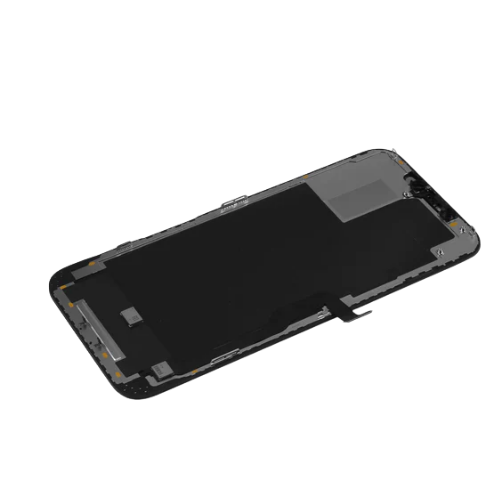
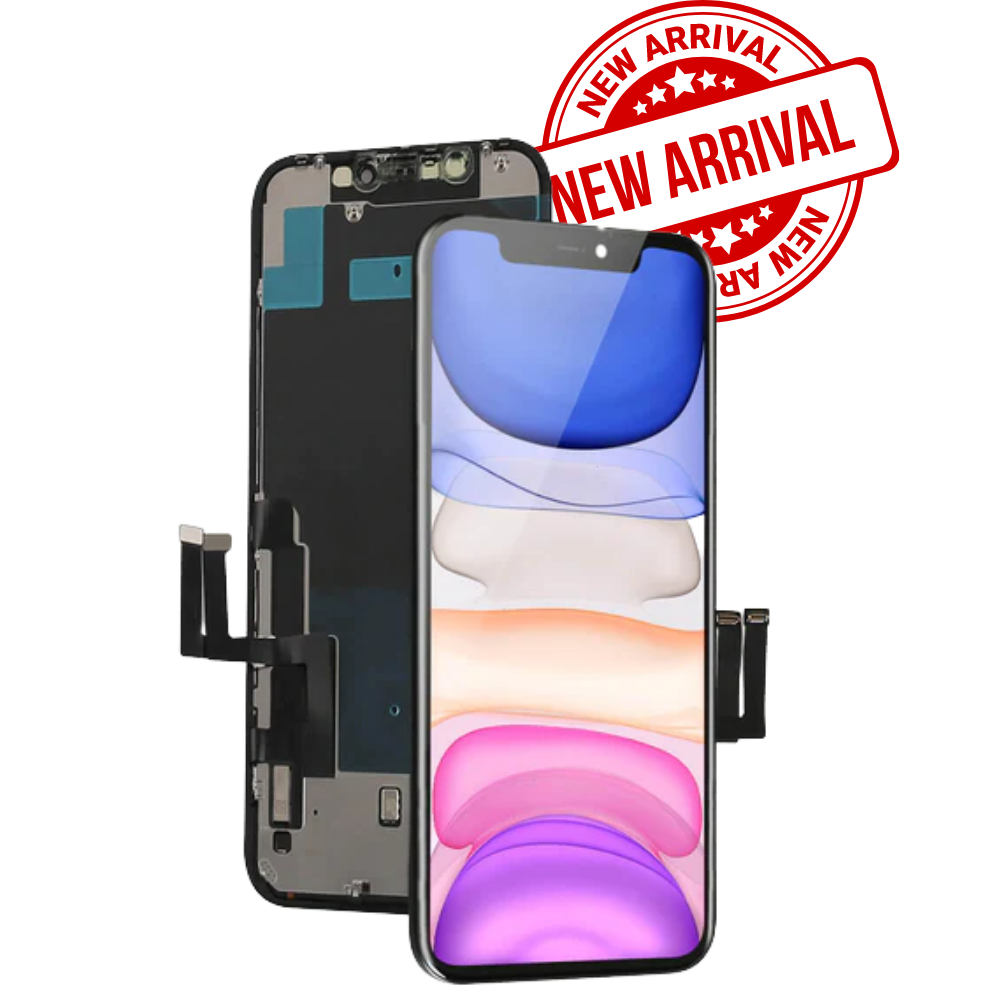
Chaque écran LCD contient plusieurs couches et modules. Décomposons les principaux contributeurs aux coûts.
Lamelle de verre
Souvent, la première chose qu'un utilisateur touche, le verre de protection a un impact sur la durabilité et l'esthétique.
Types de verre de couverture
- Verre sodocalcique – Le moins cher, utilisé dans les téléphones bas de gamme.
- Verre aluminosilicate – Option milieu de gamme avec une meilleure résistance aux rayures.
- Verre renforcé (par ex., Verre Gorille) – Qualité premium, coût nettement plus élevé.
Facteurs de coûts
- Épaisseur
- Dureté (Note de Mohs)
- Qu'il utilise une trempe chimique
- 2D contre. 2.5D contre. 3Courbure D
- Traitements de surface comme le revêtement AF
Les conceptions à forte courbure peuvent augmenter les coûts de 20 à 40 %.
Module d'affichage LCD
Cela inclut le panneau TFT et le filtre couleur.
Structure du panneau TFT
La matrice TFT est l'une des pièces les plus coûteuses, surtout si elle utilise:
- Des résolutions plus élevées (FHD, FHD+)
- Technologie LTPS vs. a-Si
LTPS peut coûter jusqu'à 30% plus, mais offre une meilleure efficacité énergétique et des visuels plus nets.
Filtre de couleur
Ce calque définit la reproduction des couleurs. Les filtres de meilleure qualité, en particulier ceux conçus pour les écrans à large gamme, augmentent le coût des matériaux.
Écran tactile / Module tactile
La détection tactile peut être intégrée (Dans la cellule), semi-intégré (Sur cellule), ou séparé (OGS).
OGS contre. En cellule vs. Sur cellule
- OGS (Une solution en verre) – Coût inférieur, couche tactile externe.
- Sur cellule – Capteurs tactiles intégrés à la surface du panneau.
- Dans la cellule – Capteurs tactiles intégrés à la structure LCD, utilisé dans les designs haut de gamme.
In-Cell nécessite une fabrication plus précise, augmentant à la fois les coûts et les risques de défauts.
Circuit intégré de contrôleur tactile
Le circuit intégré tactile gère la détection et le traitement du signal. Son coût dépend:
- Nombre de canaux
- Taux d'échantillonnage
- S'il prend en charge la saisie au stylet
- Marque (par ex., Goodix contre. FocalTech)
Module de rétroéclairage (BLEU)
Les écrans LCD nécessitent un rétroéclairage LED, un élément de coût majeur.
Puces LED et plaque de guidage de lumière
Les puces LED varient en fonction de la luminosité, efficacité, et la marque. La plaque guide de lumière (LGP) convertit la lumière ponctuelle en lumière de surface uniforme : une qualité optique supérieure signifie un coût plus élevé.
Films de diffusion et réflecteur
Ces couches augmentent la luminance et l'uniformité. Plusieurs couches de film peuvent être empilées, et le prix du film fluctue en fonction des conditions du marché de la résine.
IC de conducteur (Circuit intégré de pilote d'affichage, QUEUE)
Le DDIC traite les signaux d'affichage et contrôle le fonctionnement des pixels.
Spécifications clés qui ont un impact sur le prix
- Résolution prise en charge
- Taux de rafraîchissement
- Efficacité énergétique
- Type d'interface (MIPI, eDP)
- Marque et disponibilité (les pénuries de puces peuvent doubler les prix)
Les circuits intégrés haute résolution peuvent augmenter le coût global de l'écran de 10 à 20 %.
Liaison optique / Processus de stratification
Cette étape combine le verre de protection, couche tactile, et panneau LCD.
OCA et. LOCAL
- OCA (Adhésif optiquement transparent) – Nettoyant, des résultats plus cohérents, populaire pour la production de masse.
- LOCAL (Adhésif transparent optique liquide) – Mieux pour les surfaces courbes, mais introduit un temps de durcissement plus lent.
Automatisation vs. Assemblage manuel
Le collage automatisé améliore le rendement, mais augmente le coût de l'équipement. Le collage manuel est moins cher mais entraîne souvent des taux de défauts plus élevés.
Rendement plus élevé → coût inférieur; rendement inférieur → prix plus élevé.
Facteurs de coûts supplémentaires au-delà des composants
Taux de rendement et perte de production
Défauts de liaison, Assemblage BLU, ou les lignes TFT affectent considérablement les coûts. Les modules In-Cell ont souvent le rendement le plus faible.
Frais généraux de main d’œuvre et d’usine
Les coûts de main-d'œuvre varient selon les régions (La Chine contre. Vietnam contre. Inde). Les usines plus automatisées offrent généralement des prix plus stables.
Tests d'emballage et de fiabilité
Tests de chute, essais thermiques, et les tests de vibration augmentent à la fois le temps et les coûts, mais garantissent moins de retours.
Chaîne d'approvisionnement et logistique
Expédition, douane, et le stockage contribuent également au prix final, en particulier pour les modules LCD fragiles.
Comment les achats peuvent identifier les points de levier de coûts
Points de négociation à fort impact
Les acheteurs peuvent repousser le plus fort:
- Améliorations du type de verre de couverture
- Configuration de la pile de films BLU
- Technologie des modules tactiles (OGS contre. Dans la cellule)
- Source et marque du circuit intégré du pilote
Opportunités de substitution de composants
Passer à:
- IC tactile de spécifications inférieures
- LGP standard
- Fournisseurs de verre locaux
- Fournisseurs alternatifs de films de rétroéclairage
…peut souvent réduire de 5 à 15 % le coût du module.
Capacité et hiérarchisation des fournisseurs
Les fournisseurs de premier plan offrent de la stabilité mais des prix plus élevés. Les fournisseurs de niveau intermédiaire peuvent offrir une meilleure marge de négociation, si leur rendement est acceptable.
Étude de cas: Répartition typique des coûts des modules LCD
Une panne typique d'un module LCD de milieu de gamme pourrait ressembler à:
- Panneau TFT: 35–40%
- Rétroéclairage: 20–25%
- Lamelle de verre: 10–15%
- Module tactile: 10–15%
- IC de conducteur: 10–12%
- Processus de stratification & Assemblée: 5–8%
Ce modèle vous aide à identifier exactement où les fournisseurs complètent leurs marges.
Meilleures pratiques pour la négociation d’approvisionnement LCD
Analyse comparative
Comparez les prix entre:
- Plusieurs fournisseurs
- Types de panneaux
- Régions
- Tendances du marché trimestre par trimestre
Planification des volumes
Commandes plus importantes → meilleurs niveaux de prix.
Prévisions échelonnées = primes de risque plus élevées.
Multi-sourcing
Évitez de compter sur un seul fournisseur pour réduire le risque d’escalade des coûts.
Conclusion
Comprendre la structure des coûts des écrans LCD des smartphones permet aux équipes d'approvisionnement de négocier plus intelligemment, détecter le remplissage de marge du fournisseur, et choisissez les bonnes alternatives. En analysant chaque composant, du verre au rétroéclairage en passant par les circuits intégrés, vous prenez le contrôle du processus d'achat et réduisez les coûts inutiles..
Les modules LCD sont complexes, mais avec une répartition claire, vous pouvez transformer la complexité en force de négociation.
FAQ
1. Quelle est la partie la plus chère d'un écran LCD de smartphone?
Le panneau TFT représente généralement le plus grand pourcentage du coût.
2. La technologie tactile In-Cell coûte-t-elle toujours plus cher?
Généralement oui : In-Cell nécessite une fabrication de plus grande précision et a un rendement plus faible.
3. Dans quelle mesure le rétroéclairage contribue-t-il au coût?
Généralement 20 à 25 % du coût total du module.
4. Qu'est-ce qui a le plus d'impact sur le prix des circuits intégrés de pilote?
Prise en charge de la résolution, marque, et les conditions mondiales d’approvisionnement en puces.
5. Les acheteurs peuvent-ils négocier une baisse du coût du verre de protection?
Absolument : le passage à des fournisseurs de verre de moindre qualité ou locaux peut réduire les coûts de 10 à 20 %.