Definition and Core Concept
Let’s start simple—what exactly is an original pressed mobile LCD screen?
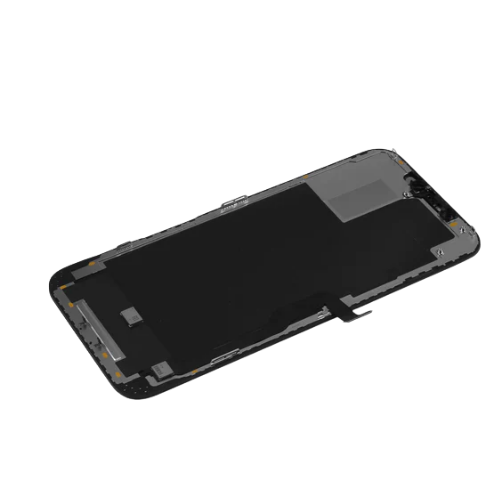
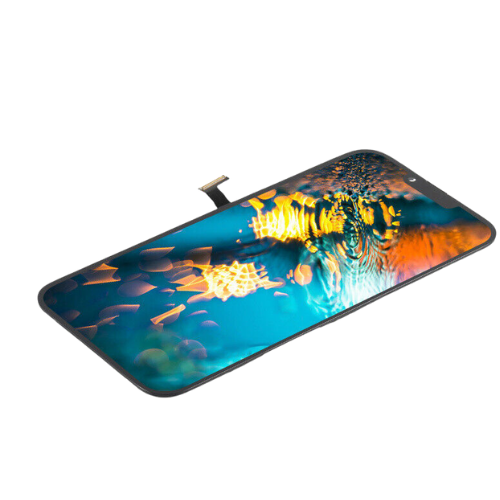
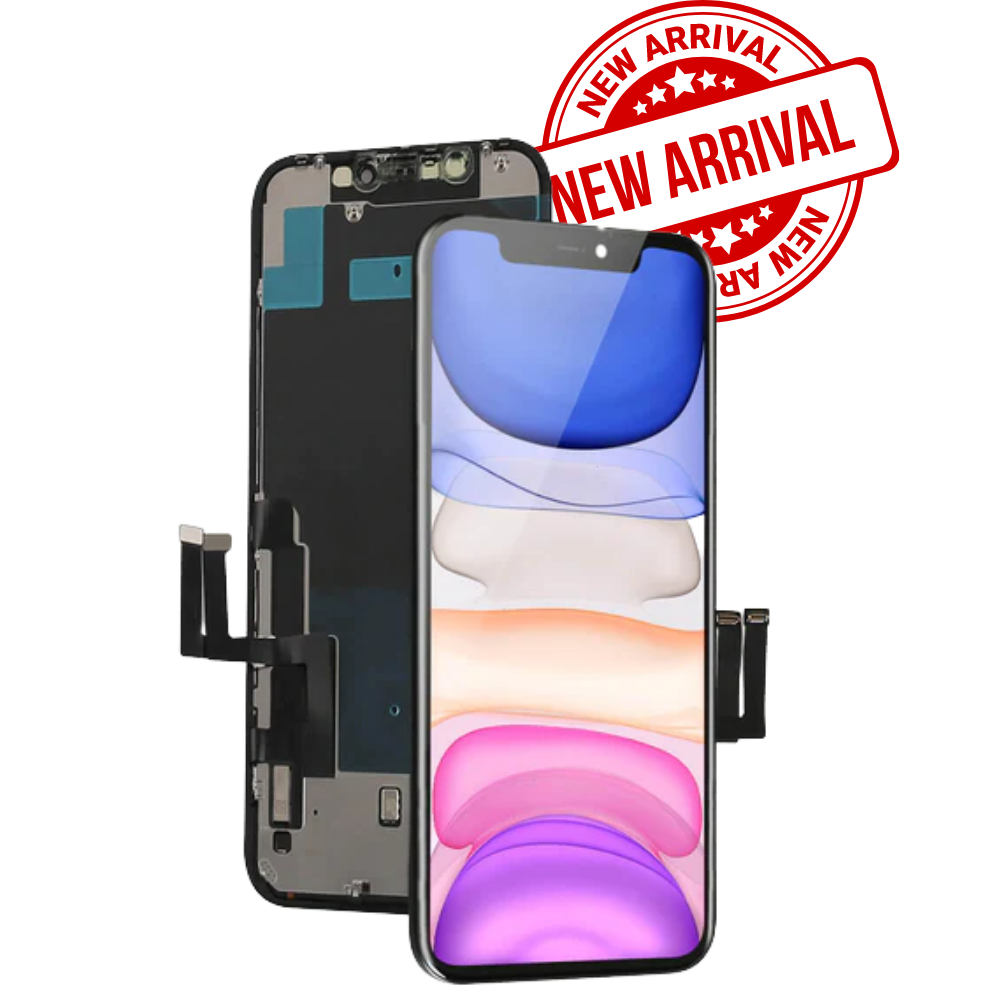
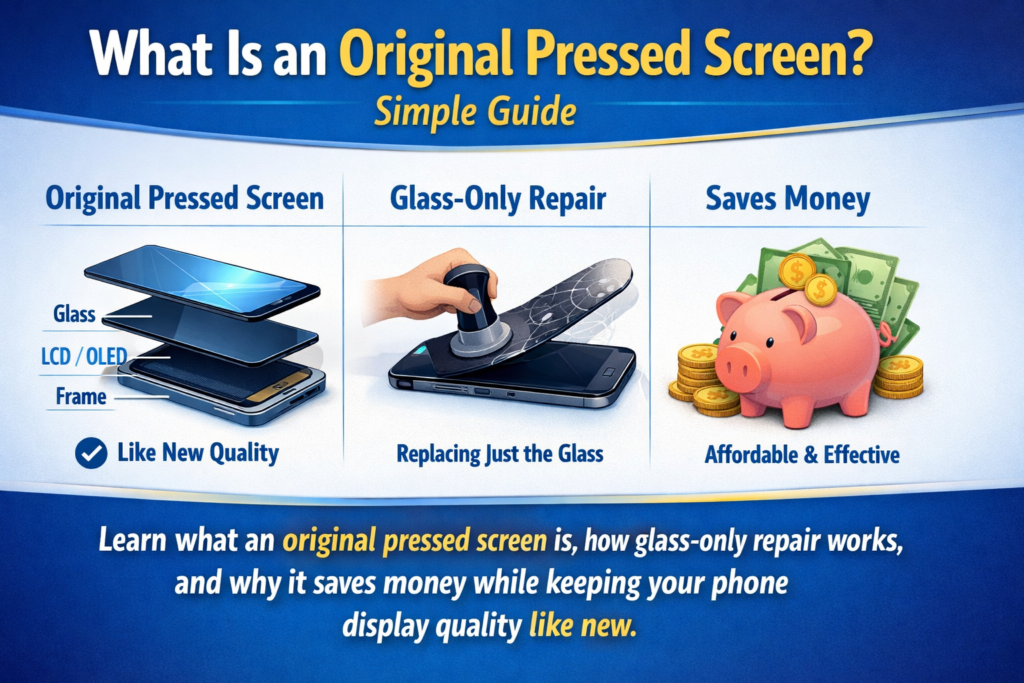
Imagine your phone screen like a sandwich. The inner layers—the LCD (or OLED) display and touch digitizer—are the “meat,” while the outer glass is just the “bread.” When your phone drops and cracks, in many cases, only the outer glass breaks. The inner display still works perfectly fine.
Instead of replacing the entire screen assembly, technicians use a process called glass-only refurbishment or screen pressing. This means they keep the original internal display (LCD + touch layer) and only replace the cracked outer glass, then bond everything back together using professional equipment.
This process is also commonly known as:
- Glass replacement
- Outer screen replacement
- Cover glass refurbishment
The result? A screen that still uses the original factory display components but looks brand new on the outside.
Difference Between Inner Display and Outer Glass
A smartphone screen is not just one piece—it’s a layered structure. The outer glass protects the display and provides a smooth touch surface, but it doesn’t produce images.
The inner display, on the other hand, is responsible for:
- Brightness and color accuracy
- Touch responsiveness
- Pixel rendering
So if only the outer glass is damaged, replacing the entire screen is like replacing your whole car because of a scratched windshield—it’s unnecessary and expensive.
Why This Repair Method Exists
High Cost of Full Screen Replacement
Modern smartphone displays are expensive—especially for flagship devices. Replacing a full OLED screen can cost hundreds of dollars, often close to the value of the phone itself.
That’s why the industry evolved toward component-level repair, where only the damaged part is replaced. Even major manufacturers are adopting similar approaches to reduce costs and waste.
Growing Demand in the Repair Market
Here’s something surprising:
- Cracked screens account for over 60% of all phone repairs
- The global smartphone repair market reached $215 billion in 2023 and continues to grow
With such massive demand, cheaper and more efficient repair methods like original screen pressing have become essential.
Structure of a Smartphone Screen
LCD/OLED Display Layer
This is the heart of your screen. It generates the image you see—colors, brightness, contrast—all come from here. Damage to this layer usually results in:
- Black spots
- Lines
- No display
If this layer is broken, pressing repair won’t work.
Touch Digitizer Layer
The digitizer detects your finger movements and translates them into actions. It’s bonded closely with the display and must remain intact for glass-only repair to be viable.
Outer Glass Cover
This is the part that cracks most often. It’s designed to absorb impact and protect the delicate inner layers. Luckily, it’s also the easiest layer to replace—if you have the right tools.
How Original Pressing Works
Step-by-Step Process
The process isn’t as simple as swapping glass—it requires precision engineering:
- Disassemble the screen module
- Separate broken glass using heating and wire cutting machines
- Remove old adhesive and clean the display
- Apply new OCA (optical adhesive)
- Laminate new glass onto the original display
- Remove air bubbles in a vacuum chamber
- Test display performance and touch accuracy
Every step must be done in a dust-free environment, or the final screen may have visible defects.
Equipment Used
Professional refurbishment relies on specialized machines:
- Separator machines
- Laminating machines
- Bubble removers (autoclaves)
- Alignment molds
Without these, the result can be poor quality or short lifespan.
Key Technologies Behind Screen Pressing
OCA (Optically Clear Adhesive)
OCA is the invisible glue that bonds the glass to the display. It must:
- Maintain transparency
- Ensure touch sensitivity
- Prevent bubbles
The global OCA market alone is projected to reach $4.3 billion by 2031, showing how critical this technology is.
Vacuum Lamination
This ensures the glass attaches evenly without air gaps. Think of it like sealing a vacuum-packed bag—except with microscopic precision.
Bubble Removal Techniques
Even tiny air bubbles can ruin the display. That’s why technicians use high-pressure chambers to eliminate them completely.
Advantages of Original Pressed Screens
Retaining Original Display Quality
Here’s the biggest advantage: you keep the original factory display.
That means:
- Perfect color accuracy
- Smooth touch response
- True brightness levels
Unlike aftermarket screens, which may compromise quality, original pressed screens preserve the phone’s original performance.
Cost Savings
Glass-only repair can reduce costs significantly—often 30% to 70% cheaper than full screen replacement, depending on the model.
Disadvantages and Risks
Quality Variability
Not all pressed screens are equal. Poor workmanship can lead to:
- Dust under glass
- Weak bonding
- Reduced touch sensitivity
Durability Concerns
Some replacement glass may not match original durability, especially if lower-grade materials are used.
Comparison With Other Screen Types
Original vs Aftermarket
Aftermarket screens are fully new but not original. They often suffer from:
- Lower brightness
- Poor color calibration
- Shorter lifespan
Original Pressed vs Refurbished Full Assembly
| Type | Quality | Cost | Longevity |
|---|---|---|---|
| Original Pressed | Very High | Medium | High |
| Full Replacement OEM | Excellent | High | Very High |
| Aftermarket | متوسط | Low | Low |
When Should You Choose Glass-Only Repair?
Ideal Scenarios
- Screen displays perfectly
- Touch works normally
- Only outer glass is cracked
When Not Recommended
- Black spots or lines
- Touch malfunction
- Display flickering
Industry Trends and Market Growth
Screen repair dominates the repair industry due to frequent damage and high replacement costs.
Consumers are becoming more cost-conscious, pushing demand toward refurbishment instead of replacement.
Environmental Benefits
Replacing only the glass reduces:
- Electronic waste
- Resource consumption
- Carbon footprint
It’s not just cheaper—it’s greener.
How to Identify High-Quality Pressed Screens
Look for:
- Dust-free finish
- Strong bonding
- Accurate colors
- Smooth touch response
Ask your supplier about:
- Equipment used
- Testing standards
- Warranty
Future of Screen Refurbishment Technology
As smartphones evolve, so does repair technology. Expect:
- AI-assisted quality inspection
- More automated lamination
- Higher durability replacement glass
Even manufacturers are moving toward modular repair systems, signaling a long-term shift.
Conclusion
Original pressed mobile LCD screens represent the perfect balance between cost, quality, and sustainability. Instead of replacing an entire screen, this method focuses on what truly matters—preserving the original display while restoring the outer glass.
For repair businesses, it’s a profitable solution. For consumers, it’s a smart choice. And for the planet, it’s a step in the right direction.
FAQs
1. Is an original pressed screen as good as a new one?
Yes, if done professionally, it retains the original display quality and performs almost identically to a new screen.
2. How long does a pressed screen last?
With proper workmanship, it can last as long as the original screen, typically several years.
3. Is glass-only repair safe for all phones?
No, it only works when the inner display and touch layer are fully functional.
4. Why is it cheaper than full replacement?
Because only the outer glass is replaced, not the entire display assembly.
5. Can users tell the difference after repair?
In most cases, no—high-quality pressed screens look and feel like original.