Introducción
¿Alguna vez entró en un mercado de repuestos para móviles y notó que dos pantallas LCD “nacionales” para el mismo modelo de teléfono pueden diferir en precio 3 veces o más?? Uno cuesta unas pocas docenas de yuanes., el otro mas de cien. Para el ojo inexperto, se ven casi identicos. Pero bajo la superficie, la diferencia es enorme. Analicémoslo en términos simples.
Comprender los conceptos básicos de la pantalla LCD de un teléfono
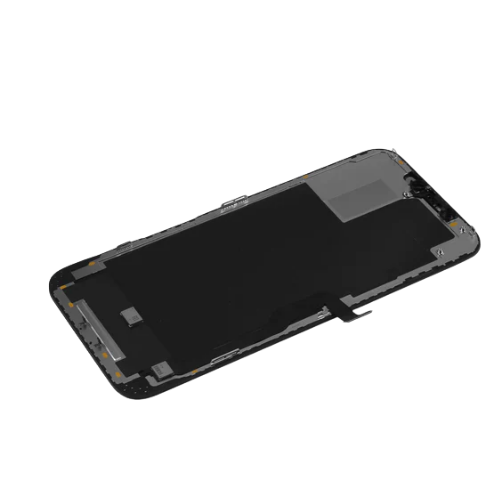
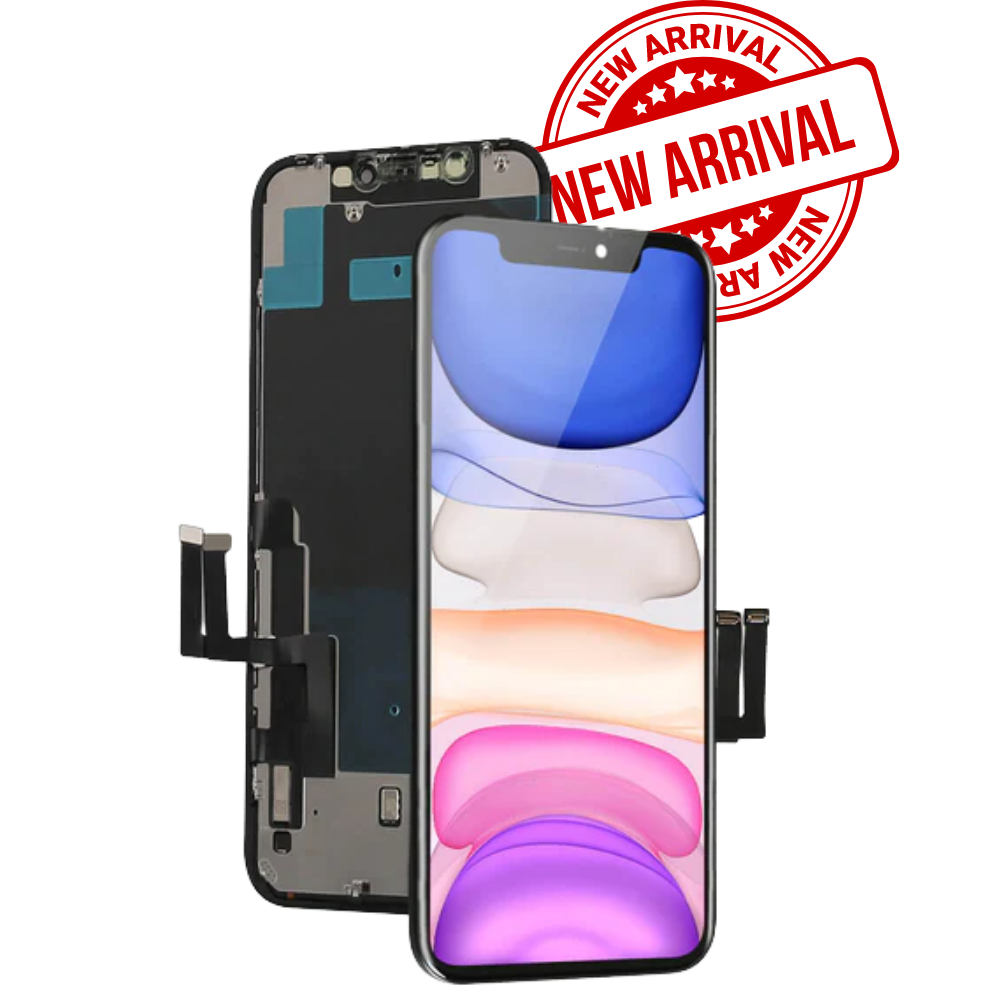
Una pantalla LCD no es sólo una pieza de vidrio. Es un pequeño ecosistema de piezas que trabajan juntas.:
- Vaso: la superficie protectora que tocas
- Iluminar desde el fondo: la fuente de luz detrás del panel
- Chips CI del controlador: Los "cerebros" que controlan la salida de la imagen.
Cuando los fabricantes reducen costos en cualquiera de estos, el producto final sufre.
Tipos de mamparas domésticas
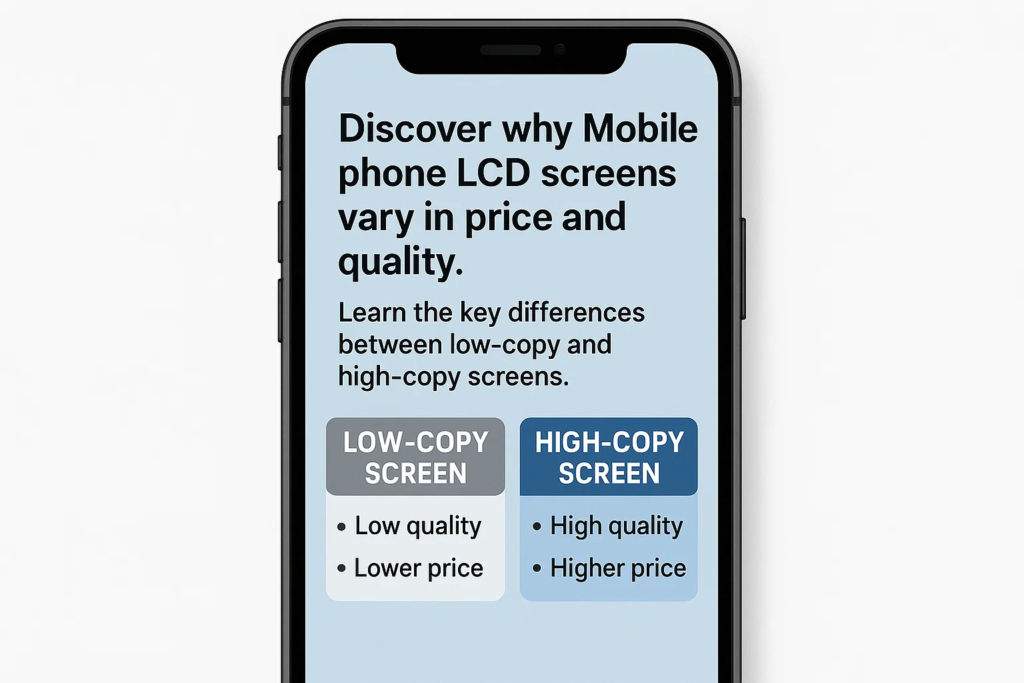
- Pantallas con poca copia (“copias baratas”): Fabricado con los materiales más baratos., pruebas mínimas, y a menudo mal montaje. Están diseñados para parecerse al original., pero eso es todo.
- Pantallas de alta copia (“copias premium”): Construido con componentes de mayor calidad, procesos más estrictos, y a menudo cerca del rendimiento OEM. Todavía son del mercado de accesorios., pero hay mundos aparte de la copia baja.
Diferencias materiales
Calidad del vidrio
El vidrio barato se raya fácilmente, se agrieta más rápido, y puede no tener revestimiento antihuellas. Las pantallas de alta copia utilizan, vidrio tratado, a veces casi tan fuerte como el Gorilla Glass original.
Módulos de retroiluminación
Copia baja: brillo débil, puntos desiguales, agota la batería.
copia alta: brillo uniforme, energéticamente eficiente, mejor para uso en exteriores.
Chips CI del controlador
Piense en el IC como el "traductor" entre su teléfono y la pantalla.
- Copia baja: Los chips baratos provocan retrasos., toques fantasma, y mayor uso de energía.
- copia alta: Los circuitos integrados de marca garantizan una respuesta fluida y una visualización estable.
Proceso de fabricación
En fábricas con pocas copias, El montaje manual es común., Los atajos son frecuentes, y se presta poca atención a los entornos libres de polvo. La producción de copias de gran tamaño a menudo utiliza líneas automatizadas., salas limpias, y técnicas de unión avanzadas como OCA/LOCA, que afectan directamente la claridad y durabilidad de la pantalla.
Control de calidad y pruebas
Pantallas baratas: controles de lotes aleatorios, muchos defectos se escapan.
Pantallas de alta copia: 100% pruebas funcionales, controles de quemado, calibración táctil.
Es la diferencia entre tirar los dados y garantizar la coherencia.
Desglose de costos
Entonces, ¿por qué cuesta una pantalla? 40 RMB y otro 120 RMB?
- Copia baja: vidrio mas barato, iluminar desde el fondo, y CI; mano de obra mínima.
- copia alta: materiales de marca, control de calidad más estricto, tiempos de prueba más largos.
No sólo estás pagando por “el mismo producto”, estás pagando por la calidad invisible del interior..
Diferencias en la experiencia del usuario
Los usuarios con poca copia a menudo se quejan:
- Retraso táctil
- Colores descoloridos
- Mala visibilidad al aire libre
Las pantallas con mucha copia se sienten suaves, vibrante, y cerca del original. Es como la diferencia entre ver una película en un DVD borroso y transmitirla en HD.
Longevidad y confiabilidad
Las pantallas baratas suelen durar sólo meses. Problemas como luz de fondo amarillenta, toques fantasma, o el vidrio roto aparece rápidamente. Versiones de alta copia, si se maneja bien, Puede durar casi tanto como los originales..
Riesgos de elegir la pantalla más barata
En primer lugar, se siente como si estuvieras ahorrando dinero. Pero cuando los clientes regresan enojados por los defectos, o cuando reemplazas una pantalla dos veces, terminas gastando más que si hubieras elegido una opción de alta copia desde el principio..
Por qué las pantallas con muchas copias cuestan más
No se trata sólo de "beneficios". El precio más alto cubre:
- Materiales de primera calidad
- Montaje profesional
- Tasas defectuosas más bajas
- Soporte de garantía
Mitos comunes sobre las pantallas domésticas
- Mito 1: "Todas las pantallas nacionales son iguales". Incorrecto: la calidad varía enormemente.
- Mito 2: “Si es caro, debe ser importado”. No es cierto: muchas pantallas nacionales de alta resolución son excelentes y valen su precio..
Consejos prácticos para nuevos compradores
Quiere detectar la diferencia rápidamente?
- Comparar el brillo en la configuración máxima
- Comprueba el grosor y el peso del cristal.
- Prueba de respuesta táctil (retraso = chip barato)
- Pregunte a los proveedores si los circuitos integrados tienen marca
Un centavo por una calidad: La vieja regla todavía funciona
En breve, si una pantalla es increíblemente barata, siempre hay una razón. Al igual que la comida rápida frente a una comida adecuada: obtienes lo que pagas.
Conclusión
No todas las pantallas LCD domésticas son iguales. La gran diferencia de precios se debe a los materiales, proceso, y pruebas. Las pantallas con pocas copias están bien si quieres la solución más barata, pero conllevan riesgos. Pantallas de alta copia, mientras más caro, ofrecer mejor rendimiento y confiabilidad. Al final, “un centavo por una calidad” sigue siendo la mejor regla a seguir.
Preguntas frecuentes
1. ¿Cuál es la principal diferencia entre pantallas de copia baja y de copia alta??
Low-copy utiliza materiales más baratos con pruebas mínimas, mientras que la copia alta utiliza mejor vidrio, papas fritas, y control de calidad estricto.
2. ¿Pueden las pantallas LCD baratas dañar mi teléfono??
Sí. Los circuitos integrados de mala calidad pueden provocar sobrecalentamiento, toques fantasma, o incluso problemas con la placa base.
3. ¿Vale la pena el coste adicional de las pantallas de alta copia??
Absolutamente. Proporcionan una mayor durabilidad, mostrar, y satisfacción del cliente.
4. ¿Cómo puedo comprobar la calidad de la pantalla antes de comprar??
comprobar brillo, respuesta táctil, y pregunte sobre la marca del controlador IC.
5. ¿Todos los proveedores ofrecen ambos tipos de pantallas??
No siempre. Algunos se especializan en lotes baratos., mientras que los proveedores confiables también suelen tener copias de alta calidad.