Smartphony Xiaomi Redmi se staly celosvětově jedním z nejoblíbenějších mobilních telefonů, protože nabízejí vysoký výkon, konkurenční ceny, a působivé hardwarové konfigurace. Od základních modelů řady Redmi A až po výkonná zařízení řady Redmi Note a Redmi K, každý smartphone obsahuje desítky precizně navržených komponent, které spolupracují jako malý elektronický ekosystém. I když uživatelé většinou vidí pouze obrazovku, Kamery, a vnější design, skutečná síla telefonu Redmi pochází ze složitého hardwaru skrytého uvnitř.
Porozumění Vnitřní komponenty Xiaomi Redmi je důležité pro techniky oprav smartphonů, velkoobchodníci, distributorů, a dokonce i každodenní uživatele, kteří chtějí vědět, jak jejich zařízení fungují. Když telefon Redmi zaznamená problémy, jako je rozbitý displej, selhání nabíjení, špatný signál, přehřívání, nebo problémy s baterií, identifikace přesné vnitřní součásti může ušetřit čas na opravu a snížit zbytečné náklady.
V 2026, hardware smartphonů se nadále posouvá směrem k vyšší integraci, zlepšená energetická účinnost, a chytřejší design. Modely Xiaomi Redmi stále častěji využívají pokročilé procesory, AMOLED displeje, vylepšené chladicí struktury, kamerové moduly s vysokým rozlišením, a silnější rozložení základní desky. Pro firmy zabývající se velkoobchodem s díly mobilních telefonů, podrobné znalosti komponent Redmi jim pomáhají vybrat si spolehlivé náhradní díly a poskytovat lepší řešení oprav.
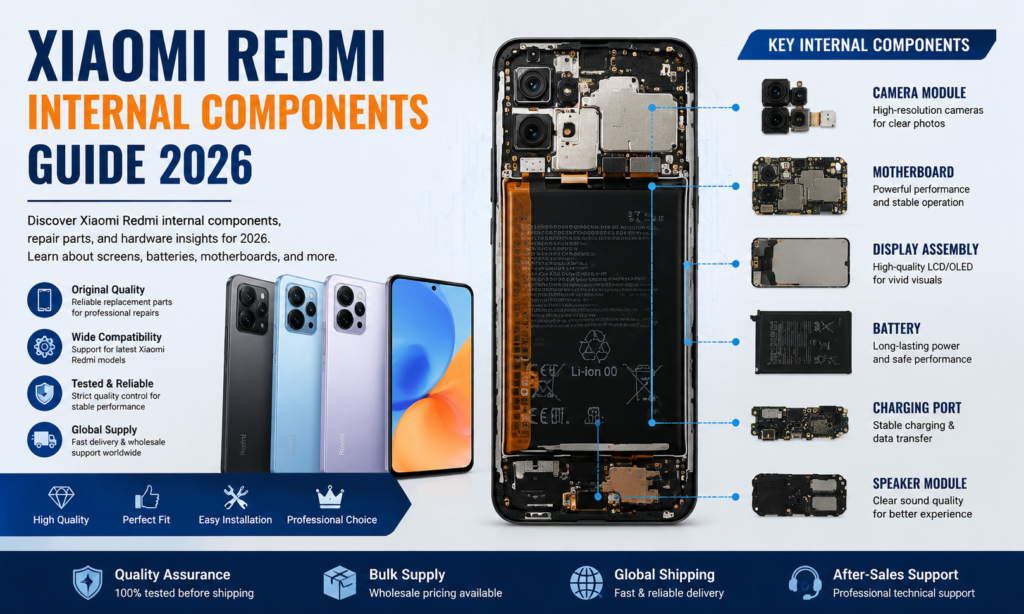
Tento kompletní průvodce vysvětluje hlavní vnitřní komponenty uvnitř telefonů Xiaomi Redmi, včetně základní desky, sestava displeje, bateriový systém, kamerové moduly, nabíjecí porty, flexibilní kabely, RF komponenty, chladicí systémy, senzory, a další důležitý hardware.
Pochopení vnitřní hardwarové architektury Xiaomi Redmi
Moderní smartphone Xiaomi Redmi není jen kombinací obrazovky, baterie, a fotoaparát. Jedná se o pečlivě navržený systém, kde hardwarové komponenty komunikují prostřednictvím elektrických signálů a softwarových instrukcí. Základní deska funguje jako centrální řídicí jednotka, zatímco ostatní moduly se připojují pomocí flexibilních kabelů, konektory, a integrované obvody.
Každý telefon Redmi má podobnou vnitřní strukturu. Přední strana obvykle obsahuje sestavu displeje a dotykový systém, zatímco vnitřní tělo ukrývá základní desku, baterie, kamerové moduly, reproduktory, senzory, a anténní systémy. Inženýři musí tyto komponenty pečlivě uspořádat, protože prostor uvnitř smartphonu je extrémně omezený.
Typický smartphone Redmi obsahuje:
- Hlavní základní deska
- Sestava displeje
- Bateriový modul
- Kamerový systém
- Audio komponenty
- Nabíjecí deska
- Flexibilní kabely
- RF komunikační komponenty
- Chladící materiály
- Senzory a biometrické moduly
Každá složka má specifickou roli. Pokud jedna část selže, může to ovlivnit celý zážitek z telefonu. Například, poškozený kabel displeje může způsobit blikání obrazovky, zatímco poškozený IC správy napájení může zabránit zapnutí celého telefonu.
Proč je znalost Redmi Components důležitá pro opravy a velkoobchod
Pro opravny a dodavatele dílů, znalost komponent přímo ovlivňuje efektivitu podnikání. Zákazník může jednoduše říci, “Obrazovka mého telefonu Redmi je rozbitá,” ale skutečný problém může zahrnovat LCD panel, dotyková vrstva, IC displeje, nebo propojovací flex kabel.
Profesionální dodavatelé musí rozumět rozdílům mezi originály, zrekonstruovaný, a náhradní díly. Například, LCD obrazovky Xiaomi Redmi mohou navenek vypadat podobně, ale výrazně se liší jasem, Přesnost barev, citlivost na dotyk, a trvanlivost.
Spolehlivý náhradní díl by měl odpovídat původním specifikacím, včetně:
- Správná kompatibilita modelu
- Správný design konektoru
- Stabilní výkon
- Vysoce kvalitní materiály
- Spolehlivé testovací standardy
Pro velkoobchodní kupující, porozumění vnitřním strukturám také pomáhá vyhnout se nákupu nesprávných zásob a zvyšuje spokojenost zákazníků.
Základní deska Redmi: Základní mozek smartphonu
The základní deska je nejdůležitější součástí uvnitř telefonů Xiaomi Redmi. Ovládá téměř všechny funkce, od zpracování aplikací po správu komunikačních signálů a distribuci energie.
Na rozdíl od stolních počítačů, Základní desky smartphonů jsou extrémně kompaktní. Na malém PCB je instalováno více čipů (Deska s plošnými spoji), vytvoření vysoce integrovaného elektronického systému.
SoC procesor, BERAN, Skladování, Základní pásmo a IC řízení spotřeby
Ústředním prvkem na základní desce je SoC (Systém na čipu). Telefony Xiaomi Redmi využívají procesory značek jako Qualcomm Snapdragon a MediaTek Dimensity nebo řady Helio.
SoC kombinuje několik funkcí:
- CPU pro zpracování aplikací
- GPU pro grafický výkon
- AI engine pro inteligentní úkoly
- Procesor obrazového signálu pro fotografování
- Komunikační ovladač
Například, výkonný telefon řady Redmi Note nebo Redmi K může používat čipovou sadu Snapdragon určenou pro herní výkon, zatímco základní modely Redmi používají efektivní procesory zaměřené na výdrž baterie a cenovou dostupnost.
Základní deska obsahuje také:
BERAN (Paměť s náhodným přístupem)
RAM dočasně ukládá aktivní aplikace a systémová data. Více paměti RAM umožňuje uživatelům plynule spouštět více aplikací.
Flash úložiště
Interní úložiště využívá technologie jako UFS nebo eMMC. Ukládá operační systém, aplikací, Fotografie, videa, a osobní soubory.
Čip základního pásma
Procesor v základním pásmu spravuje mobilní komunikační sítě, včetně připojení 4G a 5G.
Power Management IC (PMIC)
PMIC řídí distribuci napětí v celém telefonu. Řídí dodávku energie do procesoru, zobrazit, fotoaparát, a další komponenty.
Selhání základní desky může způsobit vážné problémy, včetně:
- Telefon nelze spustit
- Žádný síťový signál
- Náhodné vypnutí
- Problémy s nabíjením
- Přehřívání
Protože oprava základní desky vyžaduje pokročilé technologie, mnoho techniků se zaměřuje na výměnu menších modulů, jako jsou obrazovky, baterie, a nabíjecí desky.
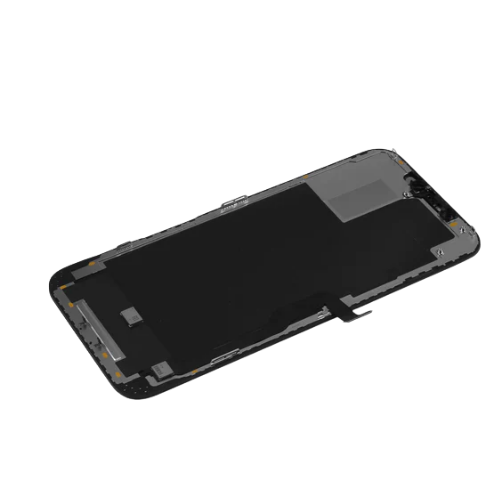
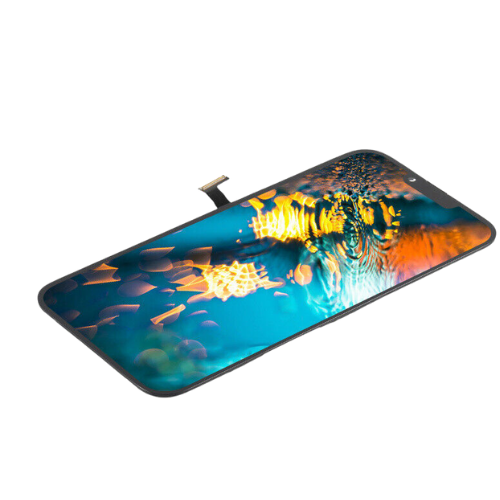
Sestava displeje Xiaomi Redmi: Okno mezi uživateli a technologií
Displej je komponenta, se kterou uživatelé nejčastěji komunikují. Telefony Xiaomi Redmi používají různé technologie zobrazení v závislosti na modelu, včetně LCD a AMOLED panelů.
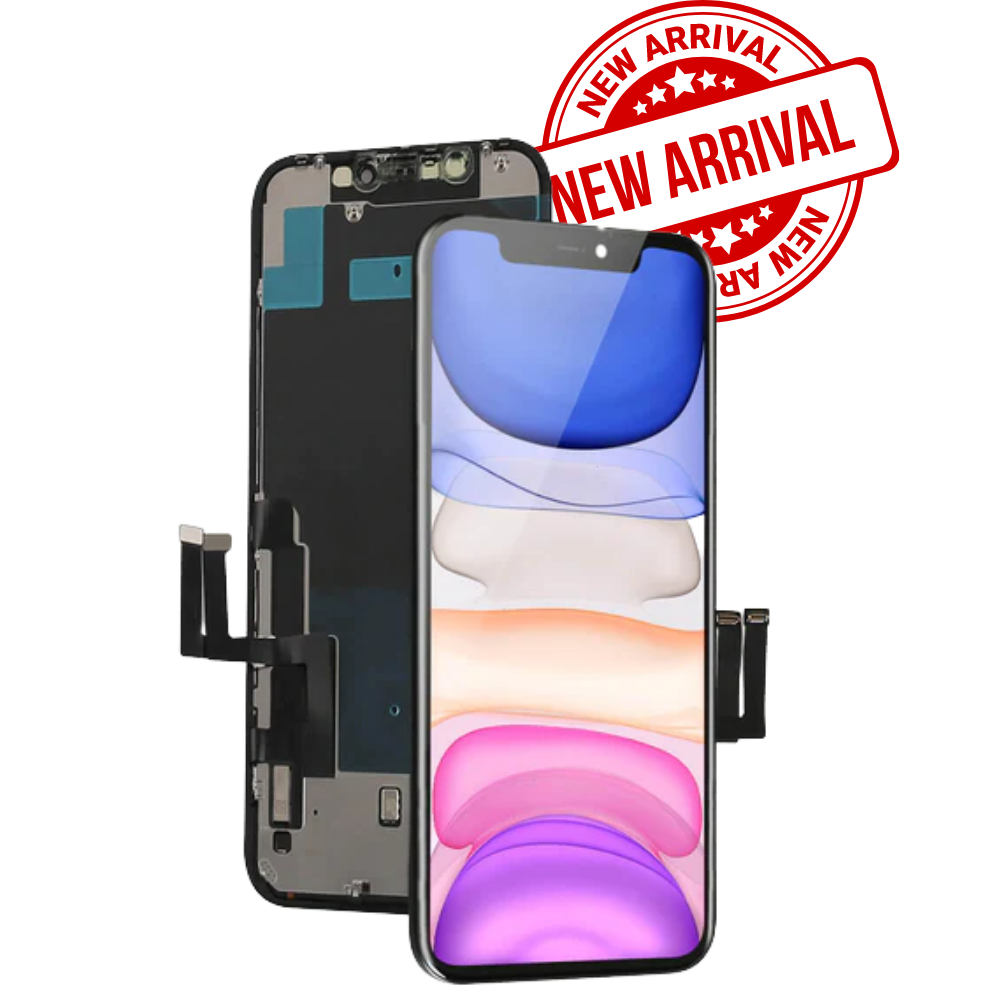
Kompletní sestava displeje není jen panel obrazovky. Zahrnuje několik vrstev, které spolupracují.
LCD, OLED, Klepněte na Vrstva, Podsvícení a flexibilní struktura kabelu
Sestava displeje Redmi obvykle obsahuje:
Zobrazovací panel
Panel vytváří obrázky a barvy. Levné modely Redmi často využívají technologii LCD, zatímco modely vyšší třídy běžně používají AMOLED displeje.
Klepněte na Vrstva
Dotykový digitizér detekuje pohyby prstů a převádí je na elektronické signály.
Systém podsvícení
LCD obrazovky vyžadují modul podsvícení, protože pixely z tekutých krystalů nemohou generovat světlo nezávisle.
Flexibilní kabel displeje
Flex kabel spojuje sestavu obrazovky se základní deskou. Přenáší obrazové signály a dotykové příkazy.
OLED displeje nabízejí výhody jako např:
- Vyšší kontrast
- Hlubší černoši
- Nižší spotřeba energie
- Tenčí provedení
LCD displeje zůstávají oblíbené, protože poskytují:
- Nižší výrobní náklady
- Dobrá výdrž
- Stabilní výkon
Pro opravny mobilních telefonů, Kvalita LCD obrazovky Redmi je jedním z nejdůležitějších faktorů. Nekvalitní náhradní obrazovky mohou mít problémy jako např:
- Nízký jas
- Slabá odezva na dotek
- Nesprávné barvy
- Krátká životnost
Bateriový systém Redmi: Zdroj napájení a bezpečnostní ochrana
Baterie poskytuje energii pro každý provoz smartphonu. Používají především zařízení Xiaomi Redmi lithium-iontové polymerové baterie, které poskytují vysokou hustotu energie při zachování tenkého designu.
Lithiová baterie a ochranná deska baterie
Obsahuje bateriový modul Redmi:
Bateriový článek
Lithiová baterie uchovává elektrickou energii.
Ochranný obvod (PCB)
Ochranná deska řídí nabíjení a zabraňuje nebezpečným situacím jako např:
- Přebíjení
- Nadměrné vybíjení
- Zkraty
- Nadměrná teplota
Moderní telefony Redmi obsahují také software pro správu baterie, který monitoruje nabíjecí cykly a stav baterie.
Problémy s baterií patří mezi nejčastější problémy s opravou smartphonu. Příznaky zahrnují:
- Rychlé vybíjení baterie
- Náhlé vypnutí
- Pomalé nabíjení
- Otoky baterie
Používání vysoce kvalitních náhradních baterií je nezbytné, protože články nízké kvality mohou snížit výkon a vytvořit bezpečnostní rizika.
Modul kamery Redmi: Zobrazovací systém za každou fotografií
Kamerový systém se stal jedním z nejdůležitějších prodejních míst telefonů Xiaomi Redmi. Moderní zařízení Redmi mohou obsahovat více kamerových modulů navržených pro různé fotografické situace.
Hlavní kamera, Ultraširokoúhlý objektiv, Teleobjektiv a snímače CMOS
Typický kamerový systém Redmi může zahrnovat:
Hlavní kamera
Primární kamera poskytuje nejvyšší kvalitu obrazu a obvykle obsahuje největší snímač.
Ultraširokoúhlý fotoaparát
Tento fotoaparát zachycuje širší scény, užitečné pro krajiny a skupinové fotografie.
Teleobjektiv
Modely vyšší třídy mohou obsahovat teleobjektivy pro optický zoom.
Přední kamera
Selfie kamera zvládá rozpoznání obličeje, videohovory, a portrétní fotografie.
Srdcem každého modulu kamery je Obrazový snímač CMOS. Senzor převádí světlo na digitální signály. Větší senzory obecně zachycují více světla a poskytují lepší výkon při slabém osvětlení.
Kvalita fotoaparátu závisí na mnoha faktorech:
- Velikost snímače
- Kvalita objektivu
- Algoritmus zpracování obrazu
- Optická stabilizace
- Optimalizace softwaru
Audio komponenty: Reproduktory, Systém sluchátek a mikrofonu
Kvalita zvuku závisí na několika malých, ale důležitých komponentech.
Mikrofony pro redukci šumu a optimalizace kvality zvuku
Telefony Redmi obvykle obsahují:
Hlavní reproduktor
Nachází se na spodním rámu, poskytuje externí audio výstup.
Reproduktor do sluchátka
Nachází se v blízkosti horní části telefonu, umožňuje uživatelům slyšet telefonní hovory.
Mikrofonní systém
Používá se více mikrofonů:
- Hlasové hovory
- Záznam videa
- Snížení hluku
- Hlasoví asistenti
Mnoho modelů Redmi používá sekundární mikrofony k detekci okolního hluku a zlepšení srozumitelnosti hovorů.
Nabíjecí port a subboard: Rozhraní pro každodenní připojení
Nabíjecí systém je jednou z nejčastěji používaných součástí každého smartphonu.
Port USB Type-C, Dceřiná deska a nabíjecí obvod
Většina moderních telefonů Redmi používá a Nabíjecí rozhraní USB Type-C.
Nabíjecí sestava obvykle obsahuje:
- Konektor USB Type-C
- Nabíjení PCB
- Mikrofon
- Anténní kontakty
- Propojovací kabely
Mezi běžné problémy s nabíjecím portem patří:
- Volné spojení
- Pomalé nabíjení
- Žádné nabíjení
- Poškozené kolíky konektoru
Výměna nabíjecí desky je často jednodušší a levnější než oprava základní desky.
Flexibilní kabely: Skrytá spojení uvnitř telefonů Redmi
Flexibilní kabely jsou tenké elektronické konektory, které umožňují různým modulům komunikovat se základní deskou.
Mezi běžné flex kabely Redmi patří:
- Flex kabel displeje
- Flex kabel baterie
- Flex kabel kamery
- Flex tlačítka napájení
- Flex tlačítka hlasitosti
I když vypadají jednoduše, tyto kabely jsou nesmírně důležité. Poškozený flex kabel může přerušit komunikaci mezi komponenty.
Radiofrekvenční komponenty a signální systém
Mobilní komunikace závisí na složitém RF hardwaru.
Antény, Wi-Fi, Bluetooth a RF čipy
Telefony Redmi obsahují:
- Buněčné antény
- Wi-Fi moduly
- Bluetooth obvody
- RF zesilovače
- Čipy pro zpracování signálu
Tyto komponenty umožňují připojení telefonu:
- Mobilní sítě
- Bezdrátové směrovače
- Zařízení Bluetooth
- GPS systémy
Problémy se špatným signálem často souvisí s poškozením antény nebo problémy s RF obvody.
Chladicí systém Redmi: Řízení tepla při intenzivním používání
Vysoce výkonné smartphony generují během hraní teplo, nabíjení, a intenzivní aplikace.
Grafitová fólie, Technologie měděné fólie a VC kapalinového chlazení
Chladicí řešení Redmi mohou zahrnovat:
Grafitová tepelně rozptylující fólie
Pomáhá distribuovat teplo po těle telefonu.
Měděná fólie
Zlepšuje účinnost přenosu tepla.
VC kapalinová chladicí komora
Špičkové modely Redmi využívají technologii parní komory k rychlému odvodu tepla od procesoru.
Zlepšuje se efektivní chlazení:
- Herní výkon
- Životnost baterie
- Stabilita procesoru
Tlačítka, Moduly otisků prstů a součásti snímačů
Malé komponenty zajišťují základní uživatelské funkce.
Tlačítko napájení, Tlačítka hlasitosti, Otisky prstů a chytré senzory
Sestavy tlačítek zahrnují:
- Tlačítko napájení
- Tlačítka hlasitosti
- Flexibilní spínače
Mezi technologie otisků prstů patří:
Boční snímač otisků prstů
Běžné u mnoha modelů Redmi.
Optický otisk pod displejem
Používá se v prémiových zařízeních AMOLED.
Mezi další senzory patří:
- Senzor přiblížení
- Senzor okolního světla
- Gyroskop
- Akcelerometr
Tyto senzory podporují automatické nastavení jasu, zamykání obrazovky během hovorů, detekce pohybu, a navigační funkce.
Bezdrátové nabíjení a prémiové hardwarové funkce Redmi
Bezdrátové nabíjecí cívky se obvykle vyskytují u smartphonů vyšší třídy. Umožňují nabíjení bez přímého připojení kabelem.
Systém bezdrátového nabíjení obsahuje:
- Nabíjecí cívka
- Řídící obvod
- Magnetické stínící materiály
I když mnoho modelů Redmi se zaměřuje na cenovou dostupnost, prémiová zařízení stále více využívají pokročilé technologie nabíjení.
Jak vnitřní komponenty Redmi ovlivňují kvalitu oprav
Kvalita náhradních dílů přímo ovlivňuje výsledky opravy. Levný displej nebo baterie mohou zpočátku snížit náklady na opravy, ale později mohou způsobit stížnosti zákazníků.
Profesionální opravárenské firmy by měly hodnotit:
| Komponent | Důležité faktory kvality |
|---|---|
| Zobrazit | Jas, přesnost dotyku, barevný výkon |
| Baterie | Kapacita, bezpečnost, životnost cyklu |
| Fotoaparát | Kvalita snímače, přesnost zaostření |
| Nabíjecí deska | Odolnost konektoru |
| Flex kabel | Stabilita signálu |
Spolehliví dodavatelé dílů obvykle poskytují zkušební postupy a záruky kvality.
Výběr spolehlivých náhradních dílů Xiaomi Redmi
Při nákupu náhradních dílů Redmi, kupující by měli zvážit:
- Pověst dodavatele
- Normy testování výrobků
- Přesnost kompatibility
- Záruční politika
- Zákaznická podpora
Pro velkoobchody, Udržování stabilních zásob oblíbených modelů Redmi může zlepšit konkurenceschopnost na trhu.
Závěr
Telefony Xiaomi Redmi obsahují sofistikovanou kombinaci elektronických součástek, které spolupracují při každodenní komunikaci, zábava, fotografování, a chytré funkce. Od základní desky, která řídí celý systém, až po sestavu displeje, se kterou uživatelé komunikují každý den, každá část hraje zásadní roli.
Pro opraváře, distributorů, a velkoobchodníci s díly mobilních telefonů, pochopení vnitřních součástí Redmi pomáhá zlepšit výběr produktů, přesnost opravy, a zákaznický servis. Jak se technologie smartphonů neustále vyvíjí 2026, Zařízení Redmi budou i nadále využívat lepší procesory, pokročilé displeje, vylepšené kamery, a chytřejší návrhy hardwaru.
Vědět, co je uvnitř telefonu Redmi, nejsou jen technické znalosti – je to cenná výhoda na rostoucím trhu oprav a náhradních dílů smartphonů..
Často kladené otázky o vnitřních součástech Xiaomi Redmi
1. Co je nejdůležitější součástí uvnitř telefonu Xiaomi Redmi?
Základní deska je nejdůležitější součástí, protože obsahuje procesor, paměť, skladování, komunikační čipy, a systém řízení spotřeby.
2. Jsou displeje Xiaomi Redmi LCD a AMOLED zaměnitelné?
Žádný. LCD a AMOLED displeje používají různé struktury, konektory, a energetické systémy. Náhradní díly musí přesně odpovídat modelu Redmi.
3. Které díly Redmi se vyměňují nejčastěji?
Mezi nejčastěji vyměňované díly Redmi patří obrazovky, baterie, nabíjecí porty, Kamery, a flexibilní kabely.
4. Proč se můj telefon Redmi během hraní přehřívá?
Přehřívání může být způsobeno zatížením procesoru, stárnutí baterie, špatný výkon chlazení, nebo poškozené vnitřní součásti.
5. Jak si mohou podniky vybrat spolehlivé náhradní díly Redmi?
Podniky by měly spolupracovat se zkušenými dodavateli, kteří poskytují přesnou kompatibilitu, kontrola kvality, stabilní zásobování, a poprodejní podpora.