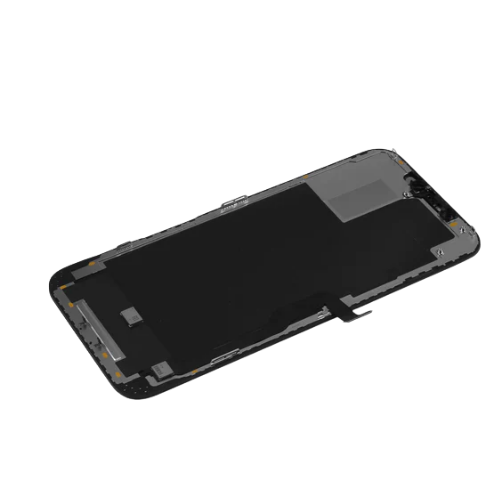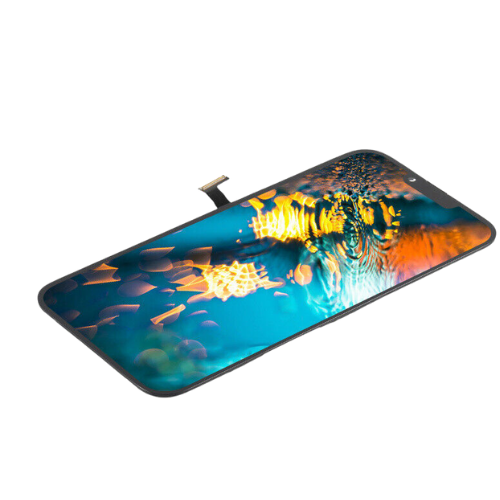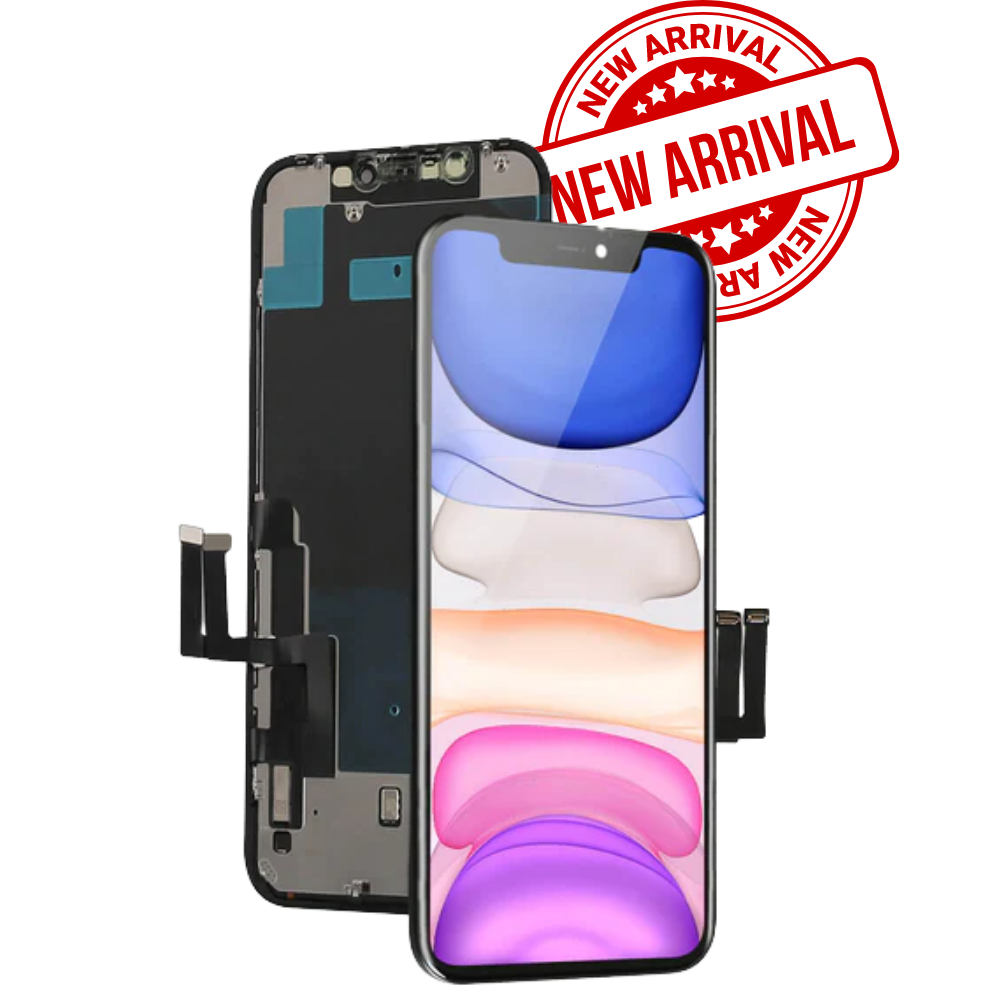
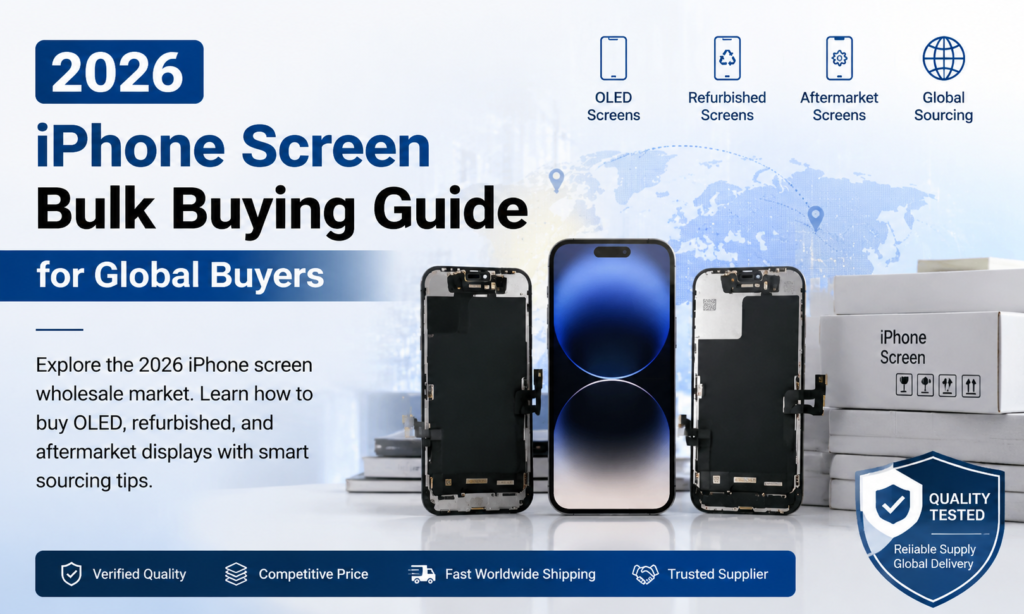
Ang iPhone screen wholesale nga merkado sa 2026 nagsulod sa bag-ong yugto sa pagbag-o. Para sa mga repair shop, distributor sa mga bahin sa mobile phone, ug internasyonal nga mga wholesaler, Ang pagpalit sa mga pasundayag sa iPhone dili na lang bahin sa pagpangita sa labing ubos nga presyo sa yunit. Ang merkado nahimong labi ka komplikado tungod sa pagsagop sa teknolohiya sa OLED, mga kausaban sa kadena sa suplay, mga kalainan sa kalidad tali sa mga grado sa screen, ug pagbag-o sa mga gilauman sa kustomer. Ang mga negosyo nga nakasabut niini nga mga pagbag-o makapakunhod sa mga risgo sa pagpalit ug makapauswag sa mga margin sa ganansya.
Ang iPhone sa Apple nagpadayon sa pagmugna og kusog nga panginahanglan sa tibuok kalibutan, pagsuporta sa usa ka dako nga kapuli nga mga bahin nga ekosistema. Gipakita sa bag-ong mga taho sa industriya nga ang negosyo sa iPhone sa Apple nagpabilin nga labi ka kompetisyon, nga adunay lig-on nga pasundayag sa pagbaligya bisan kung nag-atubang sa mga hagit sa kadena sa suplay. Sa samang higayon, Ang teknolohiya sa pagpakita paspas nga naglihok padulong sa mga advanced nga solusyon sa OLED, paghimo og bag-ong mga oportunidad ug mga hagit alang sa mga kompanya nga nagpalit mga kapuli nga screen sa kadaghanan.
Alang sa mga pumapalit nga nagkuha og gatusan o liboan nga mga screen sa iPhone matag bulan, Ang pagsabut sa mga uso sa merkado susama sa pag-navigate sa kanunay nga pagbag-o sa kadagatan. Ang supplier nga nagtanyag sa labing kaayo nga presyo sa miaging tuig mahimong dili makahatag sa labing kaayo nga solusyon karon. Usa ka malampuson nga estratehiya sa pagpalit sa 2026 nagkinahanglan og kahibalo sa mga grado sa produkto, kapabilidad sa supplier, pagplano sa imbentaryo, ug mga uso sa teknolohiya.
Pagsabot sa 2026 iPhone Display Kapuli nga Market
Ngano nga ang mga Screen sa iPhone Nagpabilin nga Usa ka High-Demand nga Repair Component
Ang industriya sa pag-ayo sa iPhone nagpabilin nga usa sa labing lig-on nga mga bahin sa merkado sa mga aksesorya sa mobile phone. Bisan kung ang mga siklo sa pagpuli sa smartphone nahimong mas taas, Ang mga tiggamit nag-ayo gihapon sa mga mahal nga aparato imbes nga mopalit dayon og bag-ong mga telepono. Usa ka liki nga display, kapakyasan sa paghikap, o nadaot nga OLED panel mahimong usa ka mapuslanon nga oportunidad sa negosyo alang sa mga kompanya sa pag-ayo.
Dili sama sa daghang mga tatak sa Android nga nakasinati og paspas nga pagbag-o sa modelo, Ang mga modelo sa iPhone nagpabilin nga lig-on nga kantidad sa pagbaligya sa daghang mga tuig. Naghimo kini og padayon nga panginahanglan alang sa kapuli nga mga screen. Pananglitan, daan nga premium nga mga modelo sama sa iPhone 13 Pro, iPhone 14 Pro, iPhone 15 Pro, ug iPhone 16 Ang serye nagpadayon sa pagmugna og kapuli nga panginahanglan tungod kay milyon-milyon nga mga tiggamit ang nag-operate gihapon niini nga mga aparato.
Sa 2026, Ang mga wholesale nga pumapalit nagtutok pag-ayo:
| Kategoriya sa Produkto | Panginahanglan sa merkado | Panguna nga mga pumapalit |
|---|---|---|
| Mga screen sa iPhone OLED | Taas kaayo | Pag-ayo sa mga kadena, mga distributor |
| Giayo nga orihinal nga mga screen | Taas | Mga premium nga repair shop |
| Hinay nga OLED nga kapuli | Nagtubo | Propesyonal nga mga merkado sa pag-ayo |
| Mga solusyon sa Incell LCD | Stable | Mga merkado sa pag-ayo sa badyet |
| Gigamit ang orihinal nga mga pull screen | Medium | Secondary nga mga merkado |
Ang pinakadako nga pagbag-o kumpara sa nangaging mga tuig mao nga ang OLED nahimong mainstream nga kapuli nga kategorya. Ang mga kustomer nga nanag-iya sa mga premium nga iPhones nagpaabot sa kapuli nga kasinatian sa pagpakita nga mohaum sa orihinal nga device, lakip ang kahayag, Kamatuuran sa kolor, Houch Sensitivity, ug Kahusayan sa Power.
Ang Pagbalhin Gikan sa LCD ngadto sa OLED sa iPhone Supply Chain
Ang Apple anam-anam nga gibalhin ang hapit sa tibuuk nga premium nga linya sa iPhone padulong sa teknolohiya sa OLED. Kini nga pagbag-o direkta nga nakaapekto sa global nga mga wholesaler sa screen tungod kay ang tradisyonal nga mga produkto sa pagpuli sa LCD nahimong labi ka limitado.
Ang teknolohiya sa OLED nagtanyag daghang mga bentaha:
- Mas taas nga contrast ratio
- Ubos nga pagkonsumo sa kuryente
- Mas maayo nga pagtan-aw sa mga anggulo
- Nipis nga istruktura sa pagpakita
- Gipauswag ang premium nga kasinatian sa tiggamit
Ang pag-analisar sa industriya nagpakita nga ang mga kadena sa suplay sa OLED nahimong labi ka hinungdanon alang sa mga aparato sa Apple, uban sa Samsung Display, Lg display, ug BOE nga miapil sa lain-laing bahin sa Apple's display ecosystem.
Para sa mga wholesale buyer, kini nagpasabut nga ang mga estratehiya sa imbentaryo kinahanglan nga usbon. Sa miaging mga tuig, ang mga negosyo mahimo’g mag-stock sa daghang mga LCD screen tungod kay ang mga kalainan sa produkto medyo yano. Karon, kinahanglan nga masabtan sa mga pumapalit:
- Hinay nga OLED kumpara sa Lisud nga OLED
- Orihinal nga giayo nga OLED
- OLED nga grado sa OEM
- Aftermarket nga OLED
- Nahiangay nga mga asembliya sa pagpakita
Ang matag kategorya nagpunting sa lainlaing grupo sa kustomer.
Pinakabag-o nga iPhone Screen Market Trends sa 2026
Pag-uswag sa OLED nga Pagpuli sa mga Screen
Ang labing mahinungdanon nga uso sa 2026 mao ang padayon nga pagpalapad sa mga kapuli nga screen sa OLED. Ingon nga daghang mga modelo sa iPhone ang naggamit sa mga panel nga OLED, Ang mga negosyo sa pag-ayo nagdugang sa ilang panginahanglan alang sa mga solusyon nga katugma sa OLED.
Ang mga premium nga tindahan sa pag-ayo kasagaran mas gusto ang orihinal nga giayo nga OLED nga mga screen tungod kay kini naghatag sa labing duol nga kasinatian sa mga pasundayag sa pabrika. Hinoon, Limitado ang gi-refurbished nga suplay tungod kay nagdepende kini sa pagkolekta sa nadaot nga mga himan ug pagbawi sa magamit nga mga panel.
Ang produksiyon sa aftermarket nga OLED busa nahimong labi ka hinungdanon.
Nag-uswag ang mga tiggama:
- OLED panel kahayag
- Paghikap IC performance
- kalidad sa frame
- Kalig-on sa bildo
- Pag-calibrate sa kolor
Ang kompetisyon tali sa mga supplier nakamugna ug daghang mga kapilian alang sa mga pumapalit apan nagdugang usab ang kalisud sa pagkontrol sa kalidad.
Ang usa ka barato nga OLED nga screen mahimong madanihon tan-awon sa una, apan dili maayo nga pagkamakanunayon sa kahayag, mga problema sa paghikap, o mubo nga kinabuhi mahimong makamugna og mahal nga mga problema sa pagbalik.
Nagdugang nga Demand alang sa Gi-refurbished ug OEM-Grade Displays
Sa 2026, ang mga pumapalit nagbulag sa mga produkto sa screen ngadto sa tin-aw nga lebel sa kalidad imbes nga mangayo lang og "orihinal" o "kopya.
Nagdugang nga Demand alang sa Gi-refurbished ug OEM-Grade Displays
Sa 2026, Ang mga pumapalit nagbulag sa mga produkto sa screen sa tin-aw nga lebel sa kalidad imbes nga mangayo lang alang sa "orihinal" o "kopya."
Ang usa ka propesyonal nga estratehiya sa pagpalit kasagarang nagbahin sa mga produkto sa tulo ka lebel:
| Grado | Deskripsyon | Target nga Merkado |
|---|---|---|
| Orihinal nga giayo | Ang orihinal nga panel sa Apple giayo gamit ang bag-ong baso | Premium nga mga kustomer |
| OLED nga grado sa OEM | Taas nga kalidad nga aftermarket nga produksiyon | Propesyonal nga pag-ayo |
| Budget aftermarket | Ubos nga gasto nga kapuli | Mga merkado nga sensitibo sa presyo |
Kini nga klasipikasyon makatabang sa mga tig-apod-apod sa paghimo og lain-laing mga linya sa produkto.
Ang usa ka kadena sa pag-ayo sa Europe mahimong mas gusto ang orihinal nga giayo nga mga screen tungod kay ang mga kostumer andam nga mobayad og dugang. Samtang, ang usa ka tig-apod-apod nga nag-alagad sa nag-uswag nga mga merkado mahimong unahon ang kompetisyon nga mga produkto nga OLED nga klase sa OEM.
2026 iPhone Screen Supply Chain Analysis
Panguna nga Display Manufacturers ug Ilang mga Papel
Ang global nga iPhone display nga kadena sa suplay labi nga gikonsentrar sa daghang dagkong mga tiggama.
Ang Samsung Display nagpabilin nga usa sa labing hinungdanon nga mga supplier sa OLED sa Apple, ilabi na sa mga high-end nga mga modelo. Ang LG Display wala usab papel sa premium nga produksiyon sa OLED. Gipalapad sa BOE ang presensya niini sa kadena sa suplay sa Apple apan nag-atubang sa mga hagit nga may kalabotan sa kalidad sa produksiyon ug mga kinahanglanon sa supplier. citeturn0search7
Ang istruktura sa kadena sa suplay mahimong i-summarize ingon:
| Tipo sa Supplier | Kalihokan |
|---|---|
| Mga tiggama sa pagpakita | Paghimo og mga panel nga OLED |
| Mga pabrika sa module | Pagpundok sa mga sangkap sa pagpakita |
| Mga pabrika sa pag-ayo | Ibalik ang orihinal nga mga panel |
| Wholesale suppliers | Iapod-apod sa tibuok kalibotan |
| Mga kompanya sa pag-ayo | Katapusan nga serbisyo sa kustomer |
Para sa mga internasyonal nga pumapalit, Ang pagsabut niini nga istruktura makatabang sa paglikay sa mga sayup sa pagpalit.
Ang usa ka supplier nga nag-angkon nga "100% nga orihinal nga mga screen sa pabrika sa Apple" kinahanglan kanunay maghatag klaro nga kasayuran bahin sa:
- Tinubdan sa panel
- Proseso sa pag-ayo
- Mga pamaagi sa pagsulay
- Patakaran sa warranty
Epekto sa Apple's Supplier Strategy sa Wholesale Buyers
Ang Apple nagpadayon sa pag-adjust sa kalig-on sa supply chain ug pagkunhod sa mga risgo. Gipakita sa mga taho nga gipalig-on sa Apple ang mga relasyon sa mga dagkong supplier sa display samtang mabinantayon nga nagdumala sa kalidad sa produksiyon sa OLED. citeturn0search1
Para sa mga wholesaler, Ang mga pagbag-o sa supplier mahimong makamugna:
Oportunidad
- Daghang mga supplier sa OLED nga nagsulod sa merkado
- Mas maayo nga teknolohiya sa aftermarket
- Mas kompetisyon nga presyo
Mga hagit
- Pag-usab-usab sa presyo
- Mga kalainan sa kalidad
- Limitado nga magamit sa pipila nga mga modelo
Ang malampuson nga mga pumapalit kinahanglan nga maglikay nga magdepende sa usa lamang ka supplier. Ang usa ka lainlain nga estratehiya sa pagpangita naghatag labi nga proteksyon.
Mga Kategorya sa Pagpamalit nga Bulk sa iPhone Screen sa 2026
Orihinal nga Pull Screens
Ang orihinal nga mga pull screen gikan sa gigamit nga mga iPhone. Kini tinuod nga mga Apple display nga gikuha gikan sa nadaot nga mga himan.
Bentaha:
- Orihinal nga kolor nga performance
- Orihinal nga kasinatian sa paghikap
- Taas nga pagdawat sa kustomer
Mga disbentaha:
- Limitado nga suplay
- Mas taas nga presyo
- Mga kalainan sa kahimtang
Kini nga mga screen maayo alang sa mga premium nga negosyo sa pag-ayo.
Giayo nga OLED Screens
Ang mga refurbished OLED screens kay orihinal nga mga panel nga gi-restore gamit ang puli nga bildo.
Kini nga kategorya nahimong usa sa labing hinungdanon nga mga produkto sa 2026 wholesale nga merkado.
Ang usa ka propesyonal nga proseso sa pag-ayo kasagaran naglakip:
- Pagsulay sa OLED
- Pagtangtang sa bildo
- Bag-ong glass lamination
- Paghikap pagsulay
- Pagsulay sa kahayag
- Katapusan nga kalidad nga inspeksyon
Ang maayo nga mga supplier sa pag-ayo makahatag mga produkto nga lisud mailhan sa mga kustomer gikan sa bag-ong mga screen.
Aftermarket OLED ug Incell Solutions
Ang mga produkto sa aftermarket nahimong mas abante.
Daghang mga pumapalit karon ang nagpili sa aftermarket nga OLED tungod kay:
- Kompetisyon ang presyo
- Stable ang suplay
- Ang kalidad miuswag pag-ayo
Alang sa mas daan nga mga modelo sa iPhone, Ang mga solusyon sa aftermarket kanunay nga naghatag labing kaayo nga balanse tali sa gasto ug pasundayag.
2026 iPhone Screen Wholesale Price Factors
Mga Kalainan sa Modelo ug Bili sa Imbentaryo
Dili tanan nga mga screen sa iPhone adunay parehas nga kantidad sa merkado.
Sa kinatibuk-an:
| Modelo nga Kategorya | Priyoridad sa Pagpamalit |
|---|---|
| Pinakabag-o nga mga modelo sa Pro | Pinakataas nga margin |
| Kaniadto nga mga modelo sa Pro | Lig-on nga panginahanglan |
| Standard nga mga modelo | Taas nga volume |
| Karaan nga mga modelo | Ang merkado sa badyet |
Ang hagit alang sa mga wholesaler mao ang pagdumala sa imbentaryo.
Ang pagpalit ug daghan kaayong bag-ong modelo nga mga screen nagmugna sa presyur sa cash flow. Ang pagpamalit gamay ra hinungdan nga nawala ang mga oportunidad sa pagpamaligya.
Pag-analisar sa mga Smart distributor:
- Kasubsob sa pag-ayo
- Rehiyonal nga panginahanglan
- Mga sumbanan sa pagpalit sa kustomer
- Makasaysayan nga datos sa pagbaligya
Mga Marka sa Kalidad ug Mga Konsiderasyon sa Garantiya
Ang presyo dili kinahanglan nga mao ra ang hinungdan sa pagpalit.
Ang usa ka mas barato nga screen nga adunay taas nga rate sa kapakyasan makaguba sa ganansya.
Ang mga propesyonal nga pumapalit nagtimbangtimbang:
- Patay nga pixel rate
- Houch Sensitivity
- Kasanag nga pagkamakanunayon
- kalidad sa frame
- Flex cable kasaligan
- Suporta sa warranty
Ang usa ka supplier nga nagtanyag sa usa ka gamay nga mas taas nga presyo nga adunay mas maayo nga kalidad nga pagkontrol sa kasagaran nagmugna og mas taas nga long-term nga ganansya.
Giunsa Pagpalit sa Mga Negosyo sa Pag-ayo sa Tibuok Kalibutan ang Mga Screen sa iPhone
Pagpili sa Kasaligang mga Supplier
Ang pagpangita sa husto nga supplier mao ang pundasyon sa malampuson nga pagpalit.
Ang usa ka kasaligan nga iPhone screen supplier kinahanglan maghatag:
- Impormasyon sa pabrika o bodega
- Klaro nga grado sa produkto
- Mga report sa inspeksyon sa kalidad
- Lig-on nga imbentaryo
- Propesyonal nga serbisyo pagkahuman sa pagbaligya
Bulk buyers should test samples before large orders.
A good purchasing process usually follows:
- Request samples
- Test installation
- Check customer feedback
- Confirm warranty terms
- Place larger orders
Quality Inspection Before Shipping
Sa wala pa ipadala, suppliers should perform inspection procedures.
Common checks include:
- Ipakita ang pagsulay
- Paghikap pagsulay
- Brightness test
- Color test
- Pag-inspeksyon sa frame
- Pag-inspeksyon sa packaging
Para sa mga internasyonal nga pumapalit, strong packaging is also important because screens are fragile products.
Future Outlook for iPhone Screen Procurement
Foldable iPhone and Next-Generation Display Opportunities
One major future opportunity is Apple’s potential expansion is. Reports indicate Apple has approved OLED panel production plans connected with foldable iPhone development, with Samsung Display involved in early supply arrangements. citeturn0search0
If foldable iPhones become mainstream, the repair market will eventually create demand for:
- Flexible nga OLED nga kapuli nga mga panel
- Bag-ong mga sangkap nga may kalabotan sa bisagra
- Advanced nga teknolohiya sa pag-ayo
Mahimo kini nga usa ka bag-ong lugar sa pagtubo alang sa mga distributor sa mobile parts.
Dugay-dugay nga Estratehiya sa Pagpamuhunan alang sa mga Distributor sa Screen
Ang umaabot nga iPhone screen market moganti sa mga kompanya nga naka-focus:
- Pagkontrol sa kalidad
- Pagsabot sa teknolohiya
- Mga relasyon sa kadena sa suplay
- Paspas nga tubag sa imbentaryo
Ang merkado nagpalayo gikan sa yano nga kompetisyon sa presyo.
Ang mga mananaog mao ang mga supplier nga makahatag ug kasaligan nga mga produkto, tukma nga impormasyon, ug makanunayon nga serbisyo.
Kataposan
Ang 2026 iPhone screen bulk pagpalit merkado nakasinati og dagkong kausaban nga gimaneho sa teknolohiya sa OLED, mga kausaban sa kadena sa suplay, ug pagdugang sa mga gilauman sa kustomer. Para sa mga wholesaler ug mga negosyo sa pag-ayo, ang kalampusan nagdepende sa pagsabut sa mga kategorya sa produkto, pagpili sa kasaligan nga mga supplier, ug pagbalanse sa presyo sa kalidad.
Ang mga kapuli nga screen sa OLED magpadayon sa pagdominar sa merkado, samtang ang giayo nga orihinal nga mga pasundayag ug taas nga kalidad nga mga solusyon sa aftermarket magsilbi sa lainlaing mga bahin sa kustomer. Ang mga negosyo nga nagpalambo sa propesyonal nga mga estratehiya sa pagpalit adunay mas lig-on nga mga bentaha sa global nga kompetisyon.
Ang kaugmaon sa iPhone screen wholesale dili lamang mahitungod sa pagpalit sa mas barato nga mga produkto. Kini mahitungod sa pagtukod og usa ka lig-on nga kadena sa suplay nga naghatag og kalidad, kasaligan, ug katagbawan sa kustomer.
FAQS
1. Mas maayo ba ang mga screen sa iPhone OLED kaysa sa mga kapuli sa LCD 2026?
Oo. Ang mga screen sa OLED sa kasagaran naghatag og mas maayo nga kahayag, kalainan, pagtan-aw sa mga anggulo, ug power efficiency itandi sa tradisyonal nga LCD replacements.
2. Unsa nga mga modelo sa screen sa iPhone ang adunay labing kataas nga panginahanglan sa pakyawan?
Ang mga sikat nga wholesale nga mga modelo kasagarang naglakip sa bag-o nga Pro series nga mga device ug high-volume nga mga modelo nga adunay dagkong gi-install nga user base, sama sa iPhone 13, 14, 15, ug 16 serye.
3. Kinahanglan ba nga ang mga wholesaler mopalit ug orihinal nga giayo o pagkahuman sa merkado nga OLED nga mga screen?
Nagdepende kini sa target nga merkado. Ang mga premium nga mga tindahan sa pag-ayo kasagarang gusto sa giayo nga orihinal nga mga screen, samtang ang mga distributor nga naka-focus sa kompetisyon nga presyo kanunay nga nagpili sa OEM-grade nga aftermarket nga OLED.
4. Sa unsa nga paagi ang mga pumapalit makalikay sa ubos nga kalidad nga mga screen sa iPhone?
Ang mga pumapalit kinahanglan nga magsulay sa mga sampol, pamatud-i ang kasinatian sa supplier, susiha ang mga polisiya sa warranty, ug kumpirmahi ang mga pamaagi sa pag-inspeksyon sa kalidad sa dili pa ibutang ang daghang mga order.
5. Mabag-o ba sa mga foldable iPhone ang merkado sa mga bahin sa pag-ayo?
Oo. Kung ang mga foldable iPhones makab-ot ang mas lapad nga pagsagop, maghimo sila og bag-ong panginahanglan alang sa flexible OLED panel ug espesyal nga solusyon sa pag-ayo.