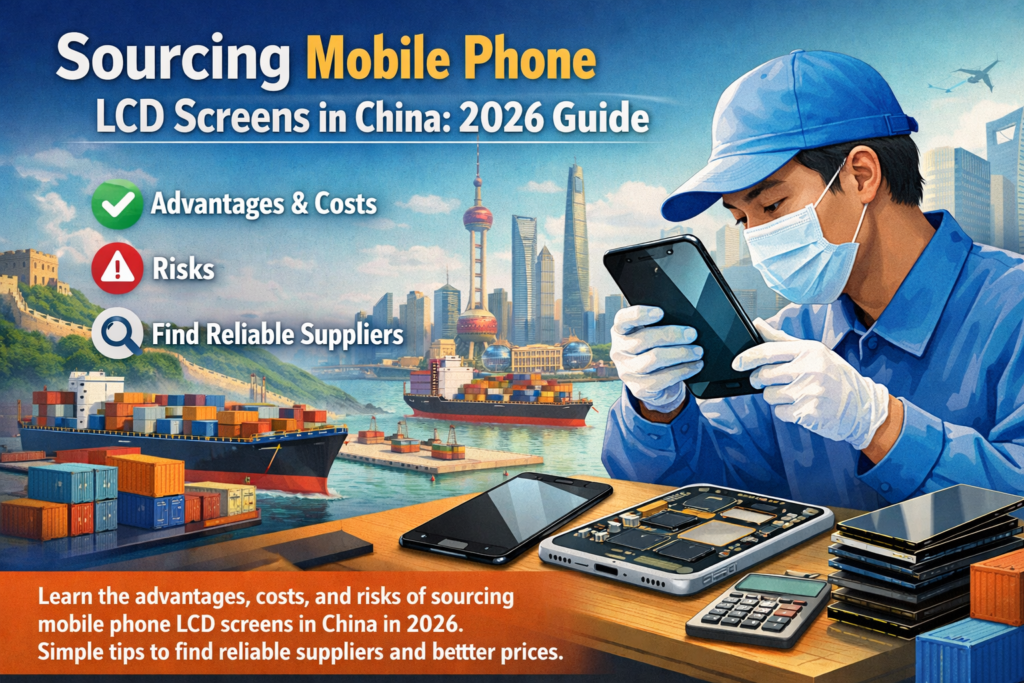
Εισαγωγή στην Παγκόσμια Εφοδιαστική Αλυσίδα Οθόνης Smartphone
Η βιομηχανία οθονών smartphone έχει εξελιχθεί σε έναν από τους πιο σύνθετους και πολύτιμους τομείς της κατασκευής ηλεκτρονικών ειδών ευρείας κατανάλωσης. Μια σύγχρονη οθόνη smartphone δεν είναι απλά ένα κομμάτι γυαλί; αντιπροσωπεύει ένα εξελιγμένο σύστημα που αποτελείται από πάνελ οθόνης, IC του προγράμματος οδήγησης, αισθητήρες αφής, μονάδες οπίσθιου φωτισμού, και ευέλικτα τυπωμένα κυκλώματα. Αυτά τα εξαρτήματα πρέπει να συνεργάζονται απρόσκοπτα για να προσφέρουν ζωντανά χρώματα, ευκρινή ανάλυση, και ανταποκρίνεται η εμπειρία αφής που περιμένουν οι χρήστες. Επειδή η οθόνη ορίζει την οπτική διεπαφή του τηλεφώνου, Οι κατασκευαστές επενδύουν τεράστιους πόρους για τη βελτίωση της ποιότητας της οθόνης, λάμψη, και απόδοση ισχύος.
Αναλυτές του κλάδου εκτιμούν ότι το Μόνο η μονάδα οθόνης αντιπροσωπεύει περίπου το 22-37% του συνολικού λογαριασμού υλικών ενός smartphone, καθιστώντας το ένα από τα πιο ακριβά εξαρτήματα μέσα στη συσκευή. Αυτό το σημαντικό μερίδιο κόστους εξηγεί γιατί οι κατασκευαστές επιλέγουν προσεκτικά τους προμηθευτές οθονών τους και γιατί η παγκόσμια ζήτηση για πάνελ smartphone παραμένει εξαιρετικά υψηλή. Σε 2024, έχουν φτάσει οι αποστολές πάνελ smartphone παγκοσμίως υπερ 2.15 δισεκατομμύρια μονάδες, αντανακλώντας τη συνεχή ζήτηση τόσο από τα νέα smartphone όσο και από την αγορά ανακαίνισης.
Η Κίνα έχει αναδειχθεί γρήγορα ως ο κεντρικός κόμβος αυτής της βιομηχανίας. Μόλις πριν από μια δεκαετία, Η τεχνολογία οθόνης κυριαρχήθηκε από εταιρείες της Νότιας Κορέας και της Ιαπωνίας. Σήμερα, Κινέζοι κατασκευαστές όπως η BOE, CSOT, και η Tianma είναι μεταξύ των μεγαλύτερων παραγωγών οθονών smartphone στον κόσμο. Οι αυξανόμενες ικανότητές τους, σε συνδυασμό με κρατικές επενδύσεις μεγάλης κλίμακας και ολοκληρωμένα μεταποιητικά οικοσυστήματα, έχουν μετατρέψει την Κίνα στον πιο σημαντικό προορισμό προμήθειας στον κόσμο για οθόνες LCD και OLED smartphone.
Γιατί οι οθόνες smartphone είναι το πιο πολύτιμο στοιχείο
Η οθόνη περιγράφεται συχνά ως το «πρόσωπο» του smartphone. Όταν οι καταναλωτές αξιολογούν μια συσκευή, παρατηρούν αμέσως φωτεινότητα, ακρίβεια χρώματος, και ρυθμό ανανέωσης. Μια κακής ποιότητας οθόνη μπορεί να καταστρέψει την εμπειρία του χρήστη ακόμα κι αν ο επεξεργαστής και η κάμερα είναι άριστα. Αυτός είναι ο λόγος που οι επωνυμίες smartphone επενδύουν συνεχώς σε καλύτερες τεχνολογίες πάνελ, όπως η LTPS LCD, OLED, και εμφανίζει LTPO.
Από κατασκευαστική άποψη, Η παραγωγή οθονών υψηλής ποιότητας είναι εξαιρετικά περίπλοκη. Η διαδικασία απαιτεί περιβάλλοντα καθαρού δωματίου, εξειδικευμένο εξοπλισμό εναπόθεσης, κοπή γυαλιού ακριβείας, και προηγμένη κατασκευή ημιαγωγών για τσιπ οδηγών. Κάθε στάδιο απαιτεί αυστηρό έλεγχο ποιότητας, επειδή ακόμη και μικροσκοπικά ελαττώματα μπορεί να προκαλέσουν νεκρά pixel ή ασυνέπειες φωτεινότητας. Ως αποτέλεσμα, Μόνο ένας περιορισμένος αριθμός χωρών έχει τη δυνατότητα να κατασκευάζει οθόνες σε μεγάλη κλίμακα.
Η βιομηχανία οθονών της Κίνας έχει φτάσει σε σημείο καμπής. Οι αναλυτές εκτιμούν ότι οι κινεζικές εταιρείες ελέγχουν πλέον υπερ 70% της παγκόσμιας ικανότητας παραγωγής LCD, καθώς και πάνω από το ήμισυ της παραγωγής OLED. Αυτή η κυριαρχία σημαίνει ότι οποιαδήποτε εταιρεία προμηθεύεται οθόνες smartphone 2026 Σχεδόν σίγουρα θα βασιστεί σε κινέζους προμηθευτές κατά κάποιο τρόπο.
Ο αυξανόμενος ρόλος της Κίνας στη βιομηχανία προβολής
Η άνοδος της Κίνας στον κλάδο των οθονών δεν συνέβη από τη μια μέρα στην άλλη. Η κυβέρνηση επένδυσε βαριά στην κατασκευή ημιαγωγών και οθονών την τελευταία δεκαετία, παροχή επιδοτήσεων, χρηματοδότηση με χαμηλό επιτόκιο, και φορολογικά κίνητρα για την ενθάρρυνση της εγχώριας παραγωγής. Αυτές οι πολιτικές επέτρεψαν στις εταιρείες να κατασκευάσουν μεγάλα εργοστάσια κατασκευής ικανών να παράγουν εκατομμύρια πάνελ το μήνα.
Τα αποτελέσματα είναι ορατά σήμερα. Οι Κινέζοι κατασκευαστές αναμένεται να συλλάβει περισσότερα από 70% των παγκόσμιων αποστολών πάνελ smartphone από 2025, καθιστώντας τη χώρα τη ραχοκοκαλιά της παγκόσμιας αλυσίδας εφοδιασμού smartphone. Αυτή η τεράστια χωρητικότητα έχει μειώσει τις τιμές ενώ έχει αυξήσει τη διαθεσιμότητα της προσφοράς για τους παγκόσμιους αγοραστές.
Για επιχειρήσεις που επισκευάζουν smartphone, κατασκευή συσκευών, ή να διανείμετε ανταλλακτικά, Η προμήθεια οθονών από την Κίνα είναι συχνά η πιο πρακτική επιλογή. Η χώρα προσφέρει έναν μοναδικό συνδυασμό κατασκευαστικής κλίμακας, ανταγωνιστική τιμολόγηση, και ένα ολοκληρωμένο ηλεκτρονικό οικοσύστημα που είναι δύσκολο να αναπαραχθεί αλλού.
Σημαντικά πλεονεκτήματα της αγοράς οθονών LCD τηλεφώνων από την Κίνα
Πλεονεκτήματα κόστους σε σύγκριση με άλλες περιοχές
Ένας από τους πιο επιτακτικούς λόγους για τους οποίους οι εταιρείες αγοράζουν οθόνες LCD smartphone από την Κίνα είναι η οικονομική αποδοτικότητα. Οι Κινέζοι κατασκευαστές οθονών λειτουργούν τεράστιες γραμμές παραγωγής ικανές να παράγουν εκατοντάδες εκατομμύρια πάνελ κάθε χρόνο. Όταν η παραγωγή φτάσει σε αυτή την κλίμακα, το κόστος ανά μονάδα μειώνεται δραματικά επειδή τα πάγια έξοδα —όπως εξοπλισμός και εργοστασιακή υποδομή— κατανέμονται σε τεράστιο όγκο παραγωγής.
Εκτός από τις οικονομίες κλίμακας, Τα κρατικά κίνητρα συμβάλλουν επίσης σε χαμηλότερο κόστος παραγωγής. Επιδοτήσεις, φορολογικά οφέλη, και τα χρηματοδοτικά προγράμματα που υποστηρίζονται από το κράτος μειώνουν τα λειτουργικά έξοδα για τους κατασκευαστές οθονών. Αυτά τα πλεονεκτήματα επιτρέπουν στα κινεζικά εργοστάσια να προσφέρουν τιμές 30–50% χαμηλότερα από τους προμηθευτές στις δυτικές αγορές, διατηρώντας παράλληλα ανταγωνιστικά πρότυπα ποιότητας.
Για επιχειρήσεις που εισάγουν ανταλλακτικά επισκευής smartphone, Αυτή η διαφορά κόστους μπορεί να καθορίσει την κερδοφορία. Επισκευαστήρια, χονδρέμποροι, και οι εταιρείες ανακαίνισης συχνά λειτουργούν με μικρά περιθώρια. Με την προμήθεια οθονών απευθείας από κινέζους κατασκευαστές ή διανομείς, μπορούν να μειώσουν σημαντικά το κόστος προμηθειών και να παραμείνουν ανταγωνιστικοί στην παγκόσμια αγορά.
Ένας άλλος παράγοντας που συμβάλλει στα πλεονεκτήματα των τιμών είναι ο έντονος ανταγωνισμός μεταξύ των Κινέζων προμηθευτών. Εκατοντάδες εταιρείες κατασκευάζουν οθόνες smartphone ή σχετικές μονάδες, δημιουργώντας μια άκρως ανταγωνιστική αγορά. Οι αγοραστές μπορούν να διαπραγματευτούν την τιμολόγηση, συγκρίνετε προμηθευτές, και αλλάξτε προμηθευτή εάν δεν πληρούνται τα πρότυπα ποιότητας ή παράδοσης.
Τεράστια παραγωγική ικανότητα
Η ικανότητα κατασκευής οθονών της Κίνας είναι απαράμιλλη παγκοσμίως. Οι μεγάλοι παραγωγοί πάνελ λειτουργούν τεράστιες μονάδες κατασκευής ικανές να παράγουν δεκάδες εκατομμύρια πάνελ κάθε μήνα. Για παράδειγμα, Οι ηγέτες του κλάδου όπως η BOE και η CSOT αποστέλλουν συλλογικά εκατοντάδες εκατομμύρια οθόνες smartphone ετησίως.
Αυτή η κλίμακα εξασφαλίζει μια σταθερή προσφορά για τους παγκόσμιους αγοραστές. Είτε μια εταιρεία χρειάζεται μερικές εκατοντάδες οθόνες αντικατάστασης είτε εκατομμύρια μονάδες για την παραγωγή smartphone, Οι Κινέζοι προμηθευτές μπορούν συνήθως να καλύψουν τη ζήτηση. Η μεγάλης κλίμακας δυναμικότητα βοηθά επίσης στη σταθεροποίηση των τιμών, επειδή η παραγωγή μπορεί να αυξηθεί γρήγορα για να καλύψει την αυξανόμενη ζήτηση.
Η υψηλή παραγωγική ικανότητα ωφελεί επίσης την αγορά επισκευής και ανακαίνισης. Καθώς τα smartphone γερνούν, η ζήτηση για αντικατάσταση οθονών αυξάνεται. Οι Κινέζοι κατασκευαστές παράγουν τόσο αυθεντικά πάνελ όσο και συμβατές οθόνες aftermarket, διασφαλίζοντας ότι τα ανταλλακτικά παραμένουν διαθέσιμα για παλαιότερες συσκευές πολύ καιρό μετά τη διακοπή της παραγωγής από τον αρχικό κατασκευαστή.
Ολοκληρωμένη Εφοδιαστική Αλυσίδα Ηλεκτρονικών
Η βιομηχανία ηλεκτρονικών ειδών της Κίνας λειτουργεί σαν ένα τεράστιο οικοσύστημα όπου κάθε προμηθευτής εξαρτημάτων, εργοστάσιο συναρμολόγησης, και ο πάροχος logistics είναι συνδεδεμένος. Αυτή η ενοποίηση επιτρέπει στους κατασκευαστές να προμηθεύονται πρώτες ύλες, εξαρτήματα, και συσκευασία σε μικρή γεωγραφική απόσταση.
Πόλεις όπως το Shenzhen απεικονίζουν τέλεια αυτό το πλεονέκτημα. Η περιοχή φιλοξενεί χιλιάδες εταιρείες ηλεκτρονικών που ειδικεύονται σε οτιδήποτε, από γυάλινα υποστρώματα και IC οδηγών έως πάνελ αφής και εύκαμπτα κυκλώματα. Επειδή αυτοί οι προμηθευτές λειτουργούν στο ίδιο βιομηχανικό δίκτυο, Οι κατασκευαστές μπορούν να προμηθεύονται γρήγορα εξαρτήματα και να συναρμολογούν ολοκληρωμένες μονάδες οθόνης.
Αυτή η κάθετα ολοκληρωμένη αλυσίδα εφοδιασμού μειώνει δραματικά τους χρόνους παράδοσης. Σε πολλές περιπτώσεις, πρωτότυπες οθόνες smartphone μπορούν να αναπτυχθούν και να παραδοθούν εντός 7– 10 ημέρες, χάρη στην εγγύτητα των προμηθευτών εξαρτημάτων και των εγκαταστάσεων συναρμολόγησης. Για εταιρείες που αναπτύσσουν νέες συσκευές ή δοκιμάζουν νέα σχέδια οθόνης, αυτή η ταχύτητα μπορεί να είναι ένα σημαντικό ανταγωνιστικό πλεονέκτημα.
Γρήγορη δημιουργία πρωτοτύπων και προσαρμογή
Ένα άλλο σημαντικό πλεονέκτημα της προμήθειας οθονών στην Κίνα είναι η δυνατότητα ταχείας ανάπτυξης προσαρμοσμένων προϊόντων. Οι Κινέζοι κατασκευαστές έχουν μεγάλη εμπειρία στην παραγωγή OEM και ODM, που σημαίνει ότι μπορούν να τροποποιήσουν σχέδια σύμφωνα με τις προδιαγραφές του πελάτη.
Για παράδειγμα, μια εταιρεία που παράγει ανθεκτικά smartphones μπορεί να απαιτεί οθόνες με υψηλότερη φωτεινότητα, παχύτερο προστατευτικό γυαλί, ή ειδική ευαισθησία αφής για γάντια. Τα κινεζικά εργοστάσια μπορούν να προσαρμόσουν τις προδιαγραφές του πίνακα, ενσωματώστε προσαρμοσμένες συνδέσεις, ή επανασχεδιάστε τις μονάδες οπίσθιου φωτισμού για να πληρούν αυτές τις απαιτήσεις.
Επειδή οι προμηθευτές εξαρτημάτων και οι ομάδες μηχανικής βρίσκονται μέσα στις ίδιες βιομηχανικές ομάδες, Οι τροποποιήσεις σχεδιασμού μπορούν να εφαρμοστούν γρήγορα. Αυτή η ευελιξία καθιστά την Κίνα ιδιαίτερα ελκυστική για νεοφυείς επιχειρήσεις και μικρούς κατασκευαστές που αναπτύσσουν εξειδικευμένα ηλεκτρονικά προϊόντα.
Βασικοί κόμβοι κατασκευής οθονών στην Κίνα
Shenzhen και το οικοσύστημα Huaqiangbei
Το Shenzhen θεωρείται ευρέως η παγκόσμια πρωτεύουσα της κατασκευής ηλεκτρονικών. Η πόλη φιλοξενεί χιλιάδες εργοστάσια παραγωγής smartphone, εμφανίζει, ημιαγωγών, και ηλεκτρονικά εξαρτήματα. Εντός Shenzhen, η περιοχή Huaqiangbei είναι διάσημη για τις αγορές ηλεκτρονικών της, όπου οι αγοραστές μπορούν να βρουν σχεδόν κάθε στοιχείο smartphone που μπορεί να φανταστεί κανείς.
Η Huaqiangbei λειτουργεί ως αγορά σε πραγματικό χρόνο όπου οι προμηθευτές, τεχνικοί επισκευής, και οι διανομείς εμπορεύονται ηλεκτρονικά ανταλλακτικά καθημερινά. Οι αγοραστές μπορούν να συγκρίνουν τιμές από πολλούς προμηθευτές, εξαρτήματα δοκιμής, και να κανονίσετε μαζικές αγορές επί τόπου. Αυτή η μοναδική δομή αγοράς επιτρέπει στις εταιρείες να εντοπίζουν γρήγορα τους προμηθευτές και τα εξαρτήματα προέλευσης χωρίς μεγάλους κύκλους προμηθειών.
Η γύρω περιοχή περιλαμβάνει επίσης μεγάλες ζώνες παραγωγής στο Bao'an, Ντονγκουάν, και Huizhou. Αυτές οι περιοχές στεγάζουν εργοστάσια που ειδικεύονται σε πάνελ LCD, μονάδες αφής, και συναρμολόγηση οθόνης. Επειδή οι προμηθευτές λειτουργούν σε ακτίνα 50 χιλιομέτρων, Το κόστος μεταφοράς παραμένει χαμηλό και οι κύκλοι παραγωγής παραμένουν αποτελεσματικοί.
Ομάδες παραγωγής Guangzhou και Dongguan
Πέρα από το Shenzhen, άλλες πόλεις στην επαρχία Γκουανγκντόνγκ διαδραματίζουν κρίσιμους ρόλους στην αλυσίδα εφοδιασμού της οθόνης. Το Guangzhou φιλοξενεί πολυάριθμες ερευνητικές εγκαταστάσεις οθονών και εργοστάσια παραγωγής μεγάλης κλίμακας που παράγουν πάνελ LCD και OLED τόσο για εγχώριες όσο και για διεθνείς αγορές.
Ντονγκουάν, που βρίσκεται μεταξύ Shenzhen και Guangzhou, είναι γνωστή για τη βιομηχανία συναρμολόγησης ηλεκτρονικών. Πολλά εργοστάσια σε αυτήν την πόλη ειδικεύονται στη συναρμολόγηση μονάδων αφής, ενσωμάτωση τσιπ προγραμμάτων οδήγησης, και μονάδες προβολής συσκευασίας. Η ισχυρή υποδομή παραγωγής της πόλης επιτρέπει στις εταιρείες να κλιμακώσουν γρήγορα την παραγωγή.
Μαζί, αυτές οι πόλεις αποτελούν ένα από τα πιο προηγμένα συνεργεία παραγωγής ηλεκτρονικών ειδών στον κόσμο. Η γεωγραφική τους εγγύτητα εξασφαλίζει αποτελεσματική εφοδιαστική, ταχεία επικοινωνία μεταξύ των προμηθευτών, και ευέλικτη παραγωγική ικανότητα.
Αναδυόμενες πόλεις της εσωτερικής παραγωγής
Καθώς το κόστος εργασίας αυξάνεται στις παράκτιες περιοχές, Πολλοί κατασκευαστές οθονών επεκτείνονται σε επαρχίες της ενδοχώρας, όπως το Anhui και το Jiangsu. Αυτοί οι τομείς προσφέρουν χαμηλότερο λειτουργικό κόστος και κρατικά κίνητρα που έχουν σχεδιαστεί για να προσελκύουν την κατασκευή υψηλής τεχνολογίας.
Πόλεις όπως το Χεφέι έχουν γίνει σημαντικά κέντρα κατασκευής εκθέσεων, φιλοξενεί προηγμένες γραμμές παραγωγής ικανές να παράγουν πάνελ LCD και OLED υψηλής ανάλυσης. Αυτές οι εγκαταστάσεις βοηθούν στη διαφοροποίηση του κατασκευαστικού δικτύου της Κίνας και διασφαλίζουν τη συνεχή ανάπτυξη της ικανότητας παραγωγής οθονών.
Τύποι οθονών τηλεφώνων που διατίθενται στην κινεζική αγορά
Γνήσιες οθόνες OEM
Οι οθόνες OEM παράγονται από τους ίδιους κατασκευαστές που προμηθεύουν οθόνες σε μάρκες smartphone. Αυτά τα πάνελ πληρούν τις ακριβείς προδιαγραφές που απαιτούνται από τον αρχικό κατασκευαστή της συσκευής, συμπεριλαμβανομένων των επιπέδων φωτεινότητας, βαθμονόμηση χρώματος, και ευαισθησία αφής.
Οι οθόνες OEM είναι συνήθως η πιο ακριβή επιλογή επειδή προσφέρουν την ίδια απόδοση με την αρχική οθόνη που είναι εγκατεστημένη στο τηλέφωνο. Χρησιμοποιούνται συνήθως από εξουσιοδοτημένα κέντρα επισκευής και εταιρείες ανακαίνισης υψηλής τεχνολογίας.
Οθόνες συμβατές με aftermarket
Οι οθόνες aftermarket παράγονται από ανεξάρτητους κατασκευαστές και όχι από τον αρχικό προμηθευτή συσκευών. Αυτές οι οθόνες έχουν σχεδιαστεί για να ταιριάζουν με τις διαστάσεις και τη διάταξη σύνδεσης της αρχικής οθόνης, επιτρέποντάς τους να λειτουργήσουν ως αντικαταστάτες.
Η ποιότητα των οθονών aftermarket ποικίλλει πολύ. Ορισμένοι κατασκευαστές παράγουν πάνελ υψηλής ποιότητας που ταιριάζουν πολύ με την αρχική οθόνη, ενώ άλλοι επικεντρώνονται στην παραγωγή χαμηλού κόστους και ενδέχεται να θέτουν σε κίνδυνο τη φωτεινότητα ή την ανθεκτικότητα.
Ανακαινισμένες ή τραβηγμένες οθόνες
Οι ανανεωμένες οθόνες είναι αυθεντικές οθόνες που αφαιρέθηκαν από χρησιμοποιημένα smartphone. Αυτά τα πάνελ καθαρίζονται, δοκιμασμένο, και μερικές φορές επισκευάζονται πριν μεταπωληθούν ως ανταλλακτικά.
Επειδή είχαν εγκατασταθεί αρχικά σε γνήσιες συσκευές, Οι ανακαινισμένες οθόνες προσφέρουν συχνά καλύτερη απόδοση από τις εναλλακτικές λύσεις χαμηλού κόστους aftermarket. Ωστόσο, η διαθεσιμότητά τους εξαρτάται από την προμήθεια των χρησιμοποιημένων τηλεφώνων και την κατάσταση των ανακτημένων οθονών.
Δομή τιμολόγησης οθονών LCD τηλεφώνων σε 2026
Παράγοντες που επηρεάζουν την τιμολόγηση της οθόνης
Διάφοροι παράγοντες επηρεάζουν την τιμή των οθονών LCD των smartphone. Αυτές περιλαμβάνουν τεχνολογία οθόνης, ψήφισμα, όγκος παραγωγής, και τη φήμη του προμηθευτή. Τα πάνελ OLED υψηλών προδιαγραφών με υψηλούς ρυθμούς ανανέωσης κοστίζουν συνήθως πολύ περισσότερο από τις τυπικές οθόνες LCD που χρησιμοποιούνται σε οικονομικά smartphones.
Η ζήτηση της αγοράς επηρεάζει επίσης τις τιμές. Όταν κυκλοφορούν νέα μοντέλα smartphone, Οι οθόνες αντικατάστασης για αυτά τα μοντέλα είναι συχνά σπάνιες, με αποτέλεσμα οι τιμές να αυξηθούν προσωρινά. Καθώς η παραγωγή αυξάνεται και περισσότεροι προμηθευτές εισέρχονται στην αγορά, οι τιμές μειώνονται σταδιακά.
Ανάλυση κόστους των οθονών smartphone
| Συστατικό | Κατά προσέγγιση μερίδιο κόστους |
|---|---|
| Πίνακας εμφάνισης | 40–60% |
| Αισθητήρας αφής | 15–20% |
| IC προγράμματος οδήγησης | 10–15% |
| Μονάδα οπίσθιου φωτισμού | 10–15% |
| Συνέλευση & Δοκιμές | 5–10% |
Ποιοτικός έλεγχος και επαλήθευση προμηθευτή
Πιστοποιήσεις και έλεγχοι εργοστασίων
Κατά την προμήθεια οθονών LCD από την Κίνα, είναι απαραίτητη η επαλήθευση της αξιοπιστίας του προμηθευτή. Οι αξιόπιστοι κατασκευαστές διαθέτουν συνήθως διεθνείς πιστοποιήσεις όπως το ISO 9001 για διαχείριση ποιότητας και ISO 14001 για τα περιβαλλοντικά πρότυπα.
Οι έλεγχοι στο εργοστάσιο παρέχουν πρόσθετη βεβαιότητα επαληθεύοντας τις δυνατότητες παραγωγής, ποιότητα εξοπλισμού, και συστήματα ελέγχου διεργασιών. Πολλοί μεγάλοι αγοραστές διενεργούν επιτόπιες επιθεωρήσεις ή προσλαμβάνουν γραφεία επιθεώρησης τρίτων πριν υπογράψουν συμφωνίες προμήθειας.
Δοκιμή δειγμάτων και επιθεώρηση παρτίδας
Πριν κάνετε μεγάλες παραγγελίες, buyers should request sample screens for testing. Evaluating brightness, ευαισθησία αφής, ακρίβεια χρώματος, and durability helps identify potential quality issues.
Batch inspections are also important. Even reliable factories can occasionally produce defective units due to equipment issues or component shortages. Random sampling during production ensures consistent quality across large shipments.
Risks and Challenges When Importing LCD Screens from China
Quality Variations Among Suppliers
Despite the many advantages of sourcing from China, quality inconsistency remains a potential risk. Some suppliers may reduce material quality or modify manufacturing processes to cut costs, especially when producing aftermarket screens.
Buyers should carefully evaluate suppliers, compare samples, and maintain long-term partnerships with reliable manufacturers.
Περιορισμοί πνευματικής ιδιοκτησίας και επωνυμίας
Ορισμένες μάρκες smartphone ελέγχουν αυστηρά τη διανομή των αυθεντικών εξαρτημάτων. Οι μη εξουσιοδοτημένες πωλήσεις οθονών OEM ενδέχεται να παραβιάζουν συμφωνίες πνευματικής ιδιοκτησίας ή πολιτικές εγγύησης.
Οι εταιρείες που εισάγουν οθόνες θα πρέπει να διασφαλίζουν ότι οι προμηθευτές συμμορφώνονται με τους διεθνείς εμπορικούς κανονισμούς και τις απαιτήσεις αδειοδότησης επωνυμίας.
Επιμελητεία, Αποστολή, και Προβλέψεις Χρόνου
Η υποδομή εφοδιαστικής της Κίνας είναι ιδιαίτερα ανεπτυγμένη, με μεγάλα λιμάνια όπως το Shenzhen, Γκουανγκζού, και η Σαγκάη χειρίζεται εκατομμύρια εμπορευματοκιβώτια κάθε χρόνο. Τα αποτελεσματικά δίκτυα αποστολής επιτρέπουν στα ηλεκτρονικά εξαρτήματα να φτάνουν γρήγορα στις παγκόσμιες αγορές.
Οι περισσότερες αποστολές προβολής μεταφέρονται αεροπορικώς λόγω της εύθραυστης φύσης των εξαρτημάτων. Η αεροπορική μεταφορά μειώνει τον κίνδυνο ζημιάς και εξασφαλίζει ταχύτερους χρόνους παράδοσης, συνήθως κυμαίνονται από 3 να 7 ημέρες για διεθνείς αποστολές.
Βέλτιστες πρακτικές για την επιτυχή προμήθεια οθόνης LCD
Η επιτυχής προμήθεια απαιτεί μια δομημένη στρατηγική προμηθειών. Οι αγοραστές θα πρέπει να καθορίσουν σαφείς προδιαγραφές προϊόντος, δοκιμάστε τα δείγματα σχολαστικά, και να διαπραγματευτεί διαφανείς συμφωνίες τιμολόγησης.
Η οικοδόμηση μακροπρόθεσμων σχέσεων με αξιόπιστους προμηθευτές βελτιώνει επίσης την αξιοπιστία. Οι συνεπείς συνεργασίες επιτρέπουν στους κατασκευαστές να κατανοούν τις προσδοκίες των αγοραστών και να διατηρούν σταθερά πρότυπα ποιότητας.
Μελλοντικές τάσεις εμφάνισης smartphone στην Κίνα
Η βιομηχανία οθονών της Κίνας συνεχίζει να εξελίσσεται με ταχείς ρυθμούς. Οι κατασκευαστές επενδύουν πολλά σε προηγμένες τεχνολογίες όπως η ευέλικτη OLED, αναδιπλούμενες οθόνες, και κάμερες κάτω από την οθόνη.
Καθώς η παραγωγική ικανότητα αυξάνεται και η τεχνολογία βελτιώνεται, Οι Κινέζοι προμηθευτές πιθανότατα θα συνεχίσουν να επεκτείνουν το μερίδιό τους στην παγκόσμια αγορά οθονών. Ο συνδυασμός κλίμακας τους, καινοτομία, και η αποδοτικότητα κόστους τα τοποθετεί ως την κυρίαρχη δύναμη στην κατασκευή οθονών smartphone για το άμεσο μέλλον.
Σύναψη
Προμήθεια οθονών LCD smartphone από την Κίνα 2026 προσφέρει πολλά πλεονεκτήματα, συμπεριλαμβανομένης της ανταγωνιστικής τιμολόγησης, τεράστια παραγωγική ικανότητα, και μια ολοκληρωμένη αλυσίδα εφοδιασμού ηλεκτρονικών. Οι κατασκευαστικές ομάδες της χώρας στο Shenzhen, Γκουανγκζού, και άλλες περιοχές παρέχουν πρόσβαση σε τεχνολογία αιχμής οθόνης και δυνατότητες ταχείας παραγωγής.
Ωστόσο, Οι αγοραστές πρέπει επίσης να είναι προσεκτικοί όταν επιλέγουν προμηθευτές. Ποιοτικές παραλλαγές, ζητήματα πνευματικής ιδιοκτησίας, και οι προκλήσεις της εφοδιαστικής απαιτούν προσεκτική διαχείριση. Με την επαλήθευση προμηθευτών, δείγματα δοκιμής, και τη δημιουργία αξιόπιστων συνεργασιών, οι εταιρείες μπορούν να αξιοποιήσουν πλήρως τα οφέλη του οικοσυστήματος κατασκευής οθονών της Κίνας.
Για επιχειρήσεις που ασχολούνται με την επισκευή smartphone, ανακαίνιση, or device manufacturing, Η Κίνα παραμένει ο σημαντικότερος παγκόσμιος προορισμός προμήθειας για οθόνες κινητών τηλεφώνων.
Συχνές ερωτήσεις
1. Γιατί η Κίνα είναι ο κύριος προμηθευτής οθονών LCD smartphone?
Η Κίνα κυριαρχεί στη βιομηχανία οθονών λόγω της μεγάλης παραγωγικής ικανότητας, κρατικές επενδύσεις, και μια ολοκληρωμένη αλυσίδα εφοδιασμού ηλεκτρονικών που επιτρέπει την αποτελεσματική παραγωγή και την ανταγωνιστική τιμολόγηση.
2. Είναι αξιόπιστες οι κινεζικές οθόνες τηλεφώνων aftermarket?
Η ποιότητα ποικίλλει ανάλογα με τον κατασκευαστή. Οι οθόνες υψηλής ποιότητας aftermarket μπορούν να ταιριάζουν με την ποιότητα OEM, αλλά οι εναλλακτικές λύσεις χαμηλού κόστους μπορεί να έχουν μειωμένη φωτεινότητα ή ανθεκτικότητα.
3. Ποια πόλη είναι η καλύτερη για την προμήθεια οθονών τηλεφώνου στην Κίνα?
Το Shenzhen θεωρείται ευρέως η καλύτερη τοποθεσία προμήθειας επειδή φιλοξενεί ένα τεράστιο οικοσύστημα ηλεκτρονικών και τη διάσημη αγορά ηλεκτρονικών ειδών Huaqiangbei.
4. Πώς μπορούν οι αγοραστές να επαληθεύσουν την ποιότητα της οθόνης LCD πριν την εισαγωγή?
Buyers should request samples, perform technical tests, and conduct factory audits or third-party inspections before placing large orders.
5. Will OLED screens replace LCD in smartphones?
OLED technology is becoming more common, ειδικά σε συσκευές premium. Ωστόσο, LCD screens remain widely used in mid-range and budget smartphones due to their lower cost.