Comprendre la chaîne d'approvisionnement de l'affichage mobile
Composants clés d'un écran de smartphone
Si vous avez déjà essayé de vous procurer des écrans de téléphones portables, vous avez probablement remarqué à quel point la terminologie peut prêter à confusion. Un fournisseur dit « Module LCD,» un autre dit « assemblage tactile,» et quelqu'un d'autre ajoute « verre extérieur » ou « numériseur ». C’est comme si tout le monde parlait la même langue, mais avec des dialectes complètement différents..
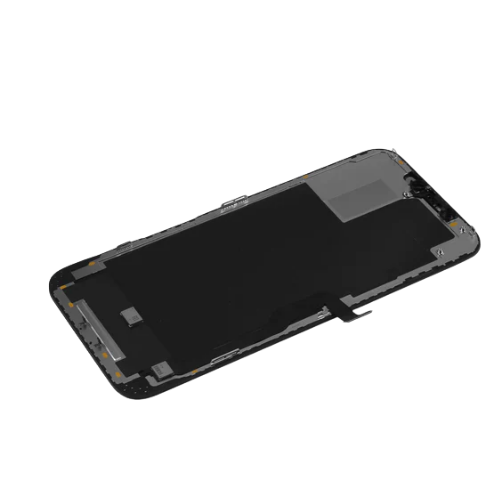
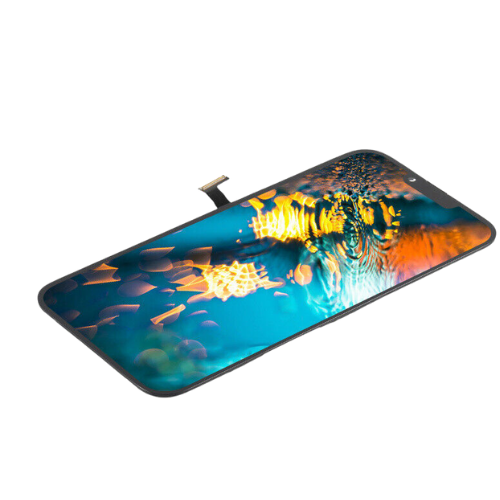
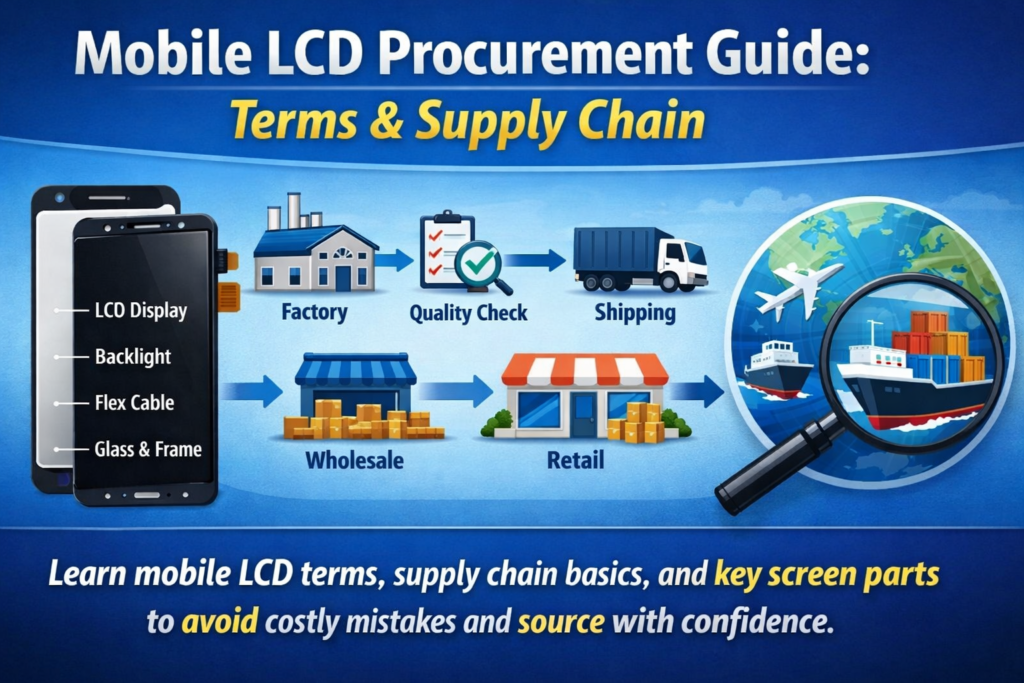
À la base, un écran de smartphone n'est pas qu'une seule pièce. Il s'agit d'une pile de composants soigneusement conçus qui travaillent ensemble pour offrir des visuels et une réponse tactile.. Le Panneau LCD produit l'image, le couche tactile détecte les mouvements de vos doigts, et le lamelle de verre protège tout en dessous. Ces éléments peuvent être vendus séparément ou sous forme de module entièrement intégré, en fonction du type de produit et des exigences de réparation.
Comprendre comment ces pièces interagissent est essentiel, surtout si vous êtes dans les achats. Un petit malentendu, comme confondre un assemblage complet avec juste une lentille en verre, peut entraîner des erreurs coûteuses., retards, ou réclamations clients. C’est pourquoi se familiariser avec ces termes n’est pas seulement utile : c’est absolument nécessaire si vous souhaitez fonctionner efficacement dans ce secteur..
Pourquoi la terminologie est importante dans les achats
Soyons honnêtes: dans le secteur des pièces mobiles, la clarté est égale au profit. Si vous ne définissez pas clairement ce que vous achetez, vous pourriez finir par payer pour quelque chose que vous n'aviez pas l'intention d'acheter, ou pire, recevoir des composants incompatibles.
Par exemple, commander un « écran » sans préciser s’il s’agit d’un module LCD complet ou juste le verre extérieur peut prêter à une grande confusion. Les fournisseurs peuvent supposer différentes choses en fonction de leurs propres normes. Et parce que le commerce international est impliqué, les barrières linguistiques ne font qu'amplifier le problème.
Une terminologie précise aide à rationaliser la communication, réduit les conflits, et assure la cohérence entre les commandes. Cela facilite également la comparaison des devis de différents fournisseurs.. Quand tout le monde est aligné sur les définitions, les prix deviennent transparents, et la négociation devient beaucoup plus fluide.
En bref, maîtriser ces termes n’est pas seulement une connaissance technique, c’est un avantage stratégique.
Qu'est-ce qu'un module d'écran LCD mobile?
Définition du module LCD (LCM)
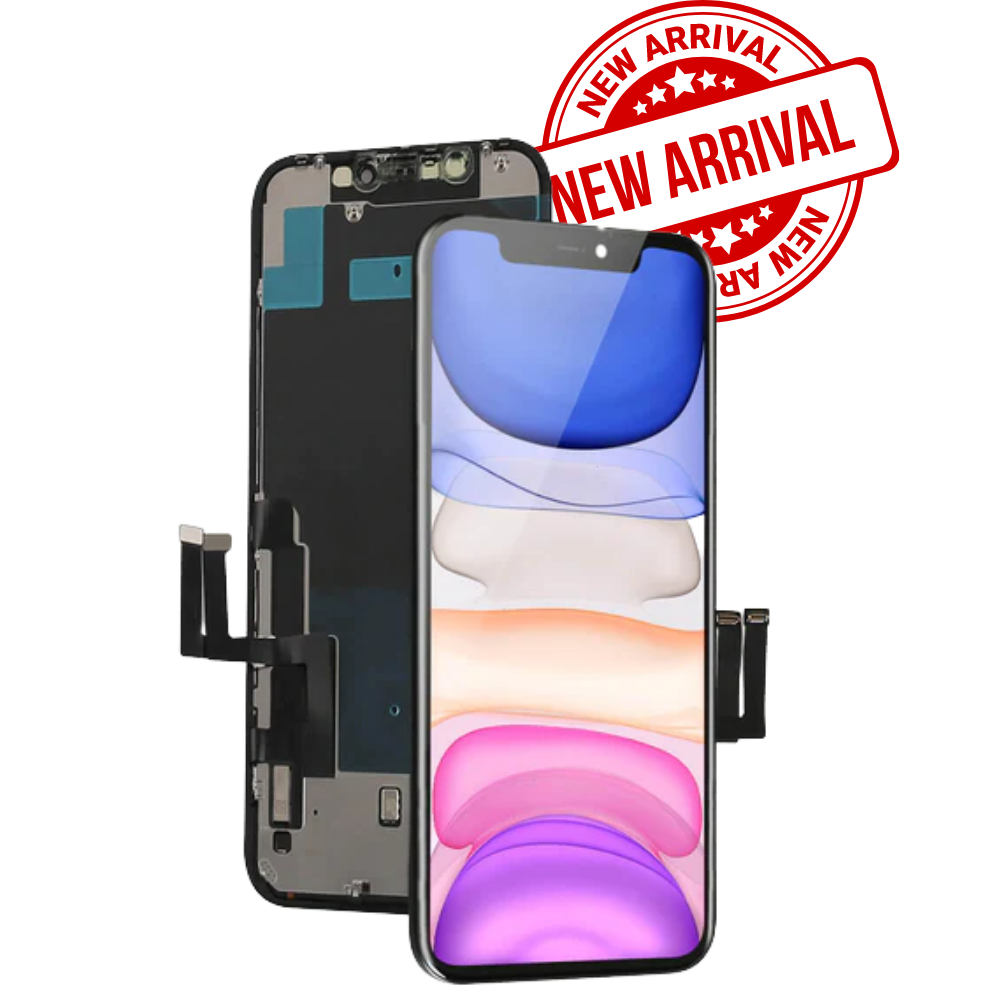
Le terme Module LCD (LCM) est l'une des expressions les plus couramment utilisées dans l'industrie de l'affichage mobile. En termes simples, un LCM est un unité d'affichage complète qui comprend le panneau LCD et généralement la fonctionnalité tactile, le tout pré-assemblé en un seul composant.
Considérez-le comme un package prêt à installer. Au lieu de traiter plusieurs couches séparément, tu as tout lié ensemble. Cela réduit le temps d'installation et minimise le risque de dommages lors de la réparation ou de l'assemblage..
Dans les achats, spécifier « LCM » signifie généralement que vous souhaitez un unité d'affichage entièrement fonctionnelle, pas seulement des pièces individuelles. Cependant, il est toujours important de préciser si le module comprend des composants supplémentaires comme le cadre, rétro-éclairage, ou puces IC.
Composants de base à l'intérieur d'un LCM
Un module LCD standard se compose généralement de plusieurs couches:
- Panneau LCD (Affichage à cristaux liquides) – responsable de la génération d’images
- Unité de rétroéclairage – fournit un éclairage
- Numériseur tactile – détecte la saisie tactile
- Lamelle de verre – protège l'écran
- FPC (Circuit imprimé flexible) – connecte le module à la carte mère
Ces couches sont souvent liées à l'aide de techniques de stratification avancées telles que OCA (Adhésif optiquement transparent). L'intégration améliore la clarté de l'affichage et la sensibilité tactile tout en réduisant les reflets.
Pour les acheteurs, comprendre ces composants vous aide à évaluer la qualité et le prix des produits. Un module avec une meilleure stratification et des matériaux de qualité supérieure coûtera naturellement plus cher, mais offrira également de meilleures performances et durabilité..
La technologie tactile de l'écran mobile expliquée
Tactile capacitif vs tactile résistif
La technologie tactile est la magie invisible derrière chaque coup, robinet, et pincer. Aujourd'hui, presque tous les smartphones utilisent écrans tactiles capacitifs, mais les appareils plus anciens ou spécialisés peuvent toujours s'appuyer sur technologie tactile résistive.
Les écrans tactiles capacitifs détectent les signaux électriques de votre doigt, offrant des temps de réponse plus rapides et des capacités multi-touch. C'est pourquoi ils dominent le marché de la consommation. Écrans résistifs, d'autre part, dépendent de la pression et sont moins sensibles mais plus durables dans certains environnements industriels.
Du point de vue des achats, les écrans tactiles capacitifs sont la norme. Cependant, tous les écrans capacitifs ne sont pas égaux. Variations de sensibilité, durabilité, et les circuits intégrés de contrôleur peuvent avoir un impact significatif sur l'expérience utilisateur.
Rôle de l'écran tactile dans les smartphones modernes
Le écran tactile, également connu sous le nom de numériseur, se trouve au-dessus de la couche d'affichage et traduit le contact physique en signaux numériques. Dans les designs modernes, cette couche est souvent intégrée directement dans l'écran LCD ou le verre à l'aide de technologies telles que Inucri ou Une fois.
Cette intégration réduit l'épaisseur et améliore la réactivité. Cela simplifie également la chaîne d’approvisionnement, car moins de composants séparés sont nécessaires. Cependant, cela peut rendre les réparations plus coûteuses puisque le module entier peut devoir être remplacé en cas de défaillance d'une couche.
Pour les acheteurs, Le choix entre des écrans tactiles séparés et des solutions intégrées dépend du marché cible, qu'il s'agisse de produits destinés à la réparation ou d'utilisateurs finaux..
Écran extérieur (Verre) vs écran intérieur (Afficher)
Qu'est-ce que l'écran extérieur (Lamelle de verre)?
Le écran extérieur, souvent appelé lamelle de verre, est la couche supérieure que les utilisateurs touchent physiquement. Son rôle premier est de protéger. Il protège les composants internes délicats des rayures, impacts, et les dommages environnementaux.
Le verre de protection de haute qualité est généralement fabriqué à partir de matériaux renforcés comme le verre trempé.. Certains comportent même des revêtements pour anti-empreintes digitales ou anti-éblouissant propriétés.
Dans les achats, le verre extérieur est souvent vendu séparément à des fins de réparation. C'est moins cher qu'un module complet mais nécessite des techniciens qualifiés pour l'installer. Cette option est populaire sur les marchés où les réparations économiques sont préférées.
Qu'est-ce que l'écran intérieur (Panneau LCD)?
Le écran intérieur fait référence au panneau d'affichage réel, la partie qui génère des images. Cela inclut la couche de cristaux liquides, filtres de couleur, et système de rétroéclairage.
Contrairement au verre extérieur, l'écran intérieur est très sensible et coûteux. Les dommages causés à ce composant entraînent généralement des problèmes d'affichage tels que des pixels morts, lignes, ou pas d'image du tout.
Séparer l'écran intérieur du verre extérieur est possible mais techniquement difficile. C’est pourquoi de nombreux acheteurs optent plutôt pour des modules complets : c’est plus simple et plus fiable..
Différences entre l'assemblage complet et les pièces séparées
Stratification complète vs séparation du cadre
UN assemblage complet (également appelé laminage complet) signifie toutes les couches : verre, touche, et l'affichage - sont liés en une seule unité. Cela offre une meilleure clarté optique et une meilleure durabilité.
En revanche, parties séparées permettre à chaque couche d'être remplacée individuellement. Bien que cela réduise les coûts des matériaux, cela augmente la complexité du travail et les risques lors de l'installation.
Avantages et inconvénients pour les acheteurs
| Option | Avantages | Inconvénients |
|---|---|---|
| Assemblage complet | installation facile, meilleure qualité | Coût plus élevé |
| Pièces séparées | Coût inférieur, réparation flexible | Risque de travail plus élevé |
Le choix de la bonne option dépend de votre modèle économique. Si vous privilégiez la vitesse et la fiabilité, les assemblées complètes sont la voie à suivre. Si la réduction des coûts est votre objectif principal, des pièces séparées peuvent être plus adaptées.
Termes courants de l’industrie que vous devez connaître
OEM, Marché secondaire, Remis à neuf expliqué
- OEM (Fabricant d'équipement d'origine): Pièces d'origine fabriquées en usine
- Marché secondaire: Composants fabriqués par des tiers
- Remis à neuf: Pièces d'occasion remises en état de marche
Chaque catégorie a son propre niveau de prix et de qualité. Les pièces OEM sont les plus chères mais offrent la plus grande fiabilité.
Inucri, Une fois, et technologies TFT
- Inucri: Tactile intégré à la couche LCD
- Une fois: Couche tactile sur le dessus de l'écran LCD
- Tft: Technologie LCD traditionnelle
Comprendre ces termes vous aide à comparer les produits plus efficacement.
Niveaux de qualité et normes de test
Écrans de qualité A ou B
L'évaluation de la qualité est cruciale dans les achats. Écrans de qualité A sont presque parfaits, alors que Écrans de qualité B peut avoir des défauts mineurs.
Procédures de test clés avant expédition
Les fournisseurs effectuent généralement:
- Test de luminosité
- Test de sensibilité tactile
- Inspection des pixels morts
Ces tests garantissent la fiabilité du produit avant livraison.
Facteurs de tarification dans l’achat d’écrans LCD
Coût des matériaux et impact technologique
Les technologies avancées comme Incell augmentent les coûts de production mais améliorent les performances.
Considérations sur le MOQ et la chaîne d'approvisionnement
Quantité minimum de commande (MOQ) peut affecter considérablement les prix. Les commandes groupées bénéficient généralement de réductions.
Choisir le bon fournisseur
Critères d'évaluation clés
Rechercher:
- Qualité constante
- Communication transparente
- Livraison fiable
Drapeaux rouges à éviter
Évitez les fournisseurs qui:
- Manque de certifications
- Fournir des spécifications peu claires
- Proposer des prix inhabituellement bas
Tendances futures en matière d'approvisionnement en affichage mobile
Passer aux écrans OLED et flexibles
Alors que l'écran LCD domine toujours les appareils économiques, OLED gagne en popularité grâce à une meilleure couleur et une meilleure flexibilité.
Demande croissante de modules intégrés
Les solutions intégrées continueront de croître, simplifiant la fabrication et les réparations.
Conclusion
Naviguer dans le monde de l'achat d'écrans LCD mobiles peut sembler écrasant au début, mais une fois que tu as compris la terminologie, tout commence à prendre un sens. Depuis Modules LCD à panneaux tactiles, depuis verre extérieur à affichages intérieurs, chaque terme représente un composant spécifique avec son propre rôle dans l’ensemble.
Quand vous comprenez clairement ce que vous achetez, vous réduisez les risques, améliorer la communication avec les fournisseurs, et finalement prendre des décisions d'achat plus judicieuses. Que vous recherchiez des ateliers de réparation, distribution en gros, ou fabrication, la maîtrise de ces concepts vous donne un réel avantage concurrentiel.
FAQ
1. Quelle est la différence entre le module LCD et l'écran tactile?
Un module LCD comprend à la fois les composants d’affichage et tactiles, tandis que l'écran tactile se réfère uniquement à la couche tactile.
2. Puis-je remplacer uniquement la vitre extérieure d'un écran de téléphone?
Oui, mais cela nécessite un équipement spécialisé et des techniciens qualifiés.
3. Que signifie la technologie Incell?
Incell intègre la fonction tactile directement dans la couche LCD, rendre les écrans plus fins et plus réactifs.
4. Les écrans du marché secondaire sont-ils fiables?
Ils peuvent être, mais la qualité varie selon le fabricant.
5. Pourquoi les assemblages complets sont-ils plus chers?
Parce qu'ils combinent plusieurs composants en une seule unité, offrant de meilleures performances et une installation plus facile.