Qu'est-ce qu'un écran LCD mobile?
Définition et concept de base
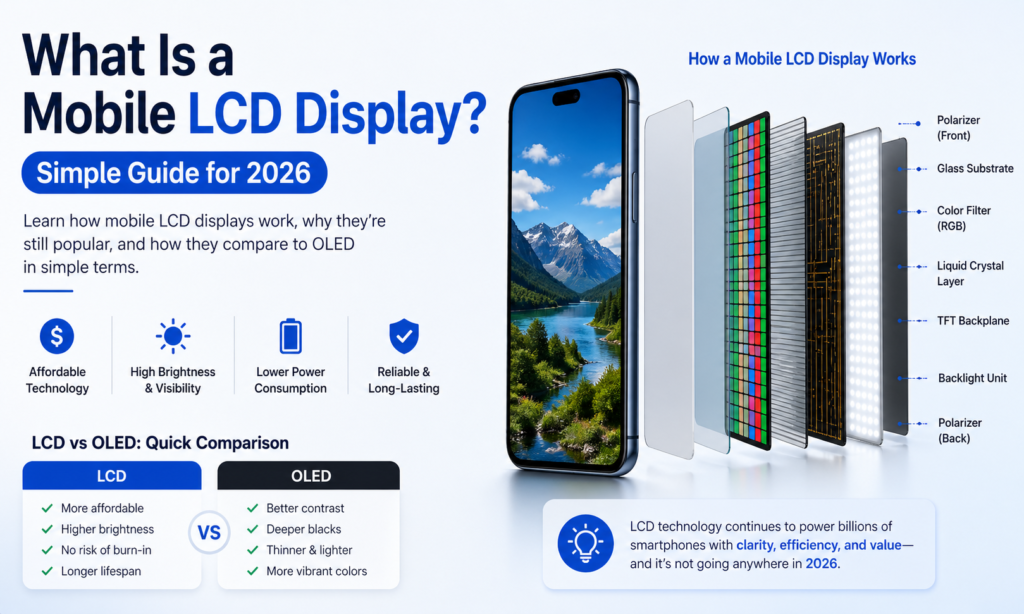
Si vous avez déjà regardé votre téléphone pendant des heures, faites défiler, regarder des vidéos, ou répondre à des messages : vous avez interagi avec l'un des éléments technologiques les plus importants de votre appareil: le Écran LCD. LCD représente Affichage à cristaux liquides, et c'est l'épine dorsale des écrans mobiles depuis des décennies. Considérez-le comme un sandwich de couches soigneusement conçu, où les cristaux liquides se trouvent entre les panneaux de verre et contrôlent le passage de la lumière pour créer des images.
Mais voici la partie intéressante : les écrans LCD ne produisent pas de lumière par eux-mêmes.. Plutôt, ils s'appuient sur un rétro-éclairage. Imaginez une scène de théâtre: le rétroéclairage est le projecteur, et les cristaux liquides façonnent ce que vous voyez. Sans cette source de lumière, l'écran resterait complètement sombre.
Même dans 2026, La technologie LCD n’est pas tombée dans l’oubli. Il alimente encore une grande partie des smartphones, surtout dans les appareils de milieu de gamme et économiques. C'est parce qu'il établit un équilibre entre le coût, fiabilité, et des performances que de nombreux fabricants ne peuvent tout simplement pas ignorer.
Pourquoi l'écran LCD est encore largement utilisé
Vous vous demandez peut-être: avec des technologies plus récentes comme l'OLED qui font la une des journaux, pourquoi l'écran LCD est-il toujours important? La réponse est étonnamment pratique :rentabilité et évolutivité. Selon des données récentes du marché, L'écran LCD représente toujours sur 43% des expéditions d'écrans mobiles dans le monde, dépassement 1.28 milliards d'unités en 2026 .
Ce n’est pas un petit nombre, c’est énorme. Cela montre que même si les téléphones haut de gamme évoluent vers l'OLED, la majorité de la population mondiale dépend toujours d'appareils LCD. Les fabricants privilégient les écrans LCD car ils sont moins chers à produire, plus facile à mettre à l'échelle, et plus durable dans certaines conditions.
En termes simples, L'écran LCD n'est pas obsolète, c'est stratégiquement essentiel. C'est comme la voiture familiale fiable: peut-être pas tape-à-l'œil, mais fiable, abordable, et partout.
Comment fonctionnent les écrans LCD dans les smartphones
Le rôle des cristaux liquides
Décomposons-le d'une manière qui a du sens. À l'intérieur d'un écran LCD, vous trouverez des millions de petites cellules remplies de cristaux liquides. Ces cristaux sont spéciaux : ils peuvent se tordre et s'aligner lorsque l'électricité est appliquée.. Ce mouvement contrôle la quantité de lumière qui traverse chaque pixel.
Pensez à chaque pixel comme à un petit store de fenêtre. Quand le cristal se tord, soit il laisse passer la lumière, soit il la bloque. Multipliez cela par des millions, et soudain vous avez une image complète : des vidéos, photos, texte, le tout rendu en temps réel.
Ce processus se produit incroyablement vite, c'est pourquoi vous ne remarquez aucun retard lorsque vous faites défiler ou regardez des vidéos. C'est une illusion transparente alimentée par la physique et l'ingénierie de précision.
Explication des filtres de rétroéclairage et de couleur
Puisque les cristaux liquides n’émettent pas de lumière, Les écrans LCD ont besoin d'un rétro-éclairage, généralement constitué de LED. Ce rétroéclairage brille à travers la couche de cristal puis traverse filtres de couleur-rouge, vert, et bleu.
En ajustant la quantité de lumière que chaque sous-pixel laisse passer, l'écran crée des millions de couleurs. C'est comme mélanger des peintures, mais au lieu de pigments, tout est question d'intensité lumineuse.
Le résultat? Un brillant, écran coloré qui fonctionne bien même dans les environnements extérieurs. C'est un domaine dans lequel l'écran LCD fonctionne souvent mieux que l'OLED, en particulier sous la lumière directe du soleil..
Types d'écrans LCD dans les téléphones mobiles
Écran LCD TFT
Tft (Transistor à couches minces) L'écran LCD est l'un des types de technologie LCD les plus anciens et les plus fondamentaux utilisés dans les smartphones.. Il utilise une matrice de transistors pour contrôler chaque pixel individuellement, permettant des temps de réponse plus rapides par rapport aux technologies plus anciennes.
Cependant, Les écrans TFT souffrent généralement d'angles de vision plus étroits et d'une reproduction des couleurs moins précise. On les trouve souvent dans les appareils d’entrée de gamme où le coût est la principale priorité.
Écran LCD IPS
Ips (Commutation dans le plan) L'écran LCD est l'endroit où les choses deviennent intéressantes. Cette technologie améliore les angles de vision et la précision des couleurs en alignant différemment les cristaux liquides.. Si vous avez déjà incliné votre téléphone et remarqué que l'écran semble toujours clair, vous utilisez probablement un écran IPS.
IPS LCD est devenu le norme de l'industrie pour les smartphones de milieu de gamme car il offre un bon équilibre entre qualité et prix abordable. Les couleurs semblent plus naturelles, et les niveaux de luminosité sont généralement plus élevés.
Écran LCD LTPS
LTPS (Silicium polycristallin à basse température) L'écran LCD va encore plus loin. Il permet d'obtenir des pixels plus élevés. L'écran LCD va encore plus loin.. Il permet une densité de pixels plus élevée et une meilleure efficacité énergétique. Ce type est couramment utilisé dans les panneaux LCD haut de gamme et rivalise même avec l'OLED sous certains aspects..
C’est comme passer d’un moteur ordinaire à un moteur turbo : plus de performances sans augmenter considérablement les coûts..
LCD contre OLED: Quelle est la différence?
Principales différences techniques
| Fonctionnalité | LCD | Oled |
|---|---|---|
| Source de lumière | Rétroéclairage requis | Pixels auto-émissifs |
| Contraste | Modéré | Extrêmement élevé |
| Efficacité énergétique | Écurie | Mieux en mode sombre |
| Coût | Inférieur | Plus haut |
| Durabilité | Plus stable | Risque de brûlure |
Les écrans OLED ont conquis le segment premium car ils offrent des noirs plus profonds et un meilleur contraste. Cependant, L'écran LCD domine toujours en termes d'abordabilité et de cohérence.
Lequel devriez-vous choisir?
Choisir entre LCD et OLED, c'est comme choisir entre une berline fiable et une voiture de sport haute performance.. Si vous voulez des visuels éclatants et une technologie de pointe, L'OLED est tentant. Mais si tu tiens à coût, durabilité, et fiabilité, L'écran LCD reste un choix solide.
Fait intéressant, L'écran LCD tient toujours sur 70% part de marché abordable et adoption généralisée citeturn0search9. Cela seul vous dit que c'est loin d'être obsolète.
Composants clés d'un écran LCD mobile
Panneau d'affichage
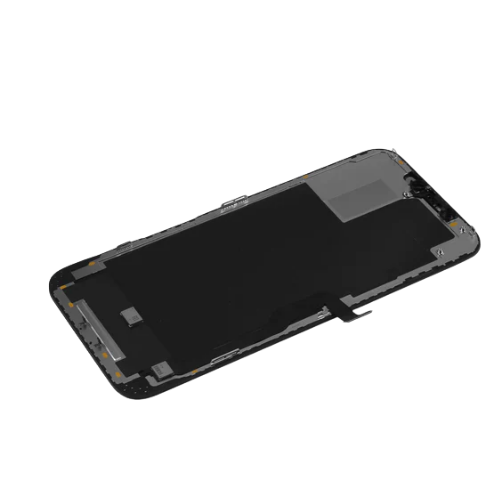
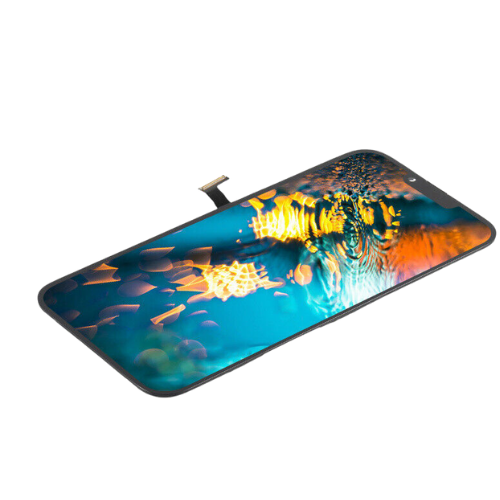
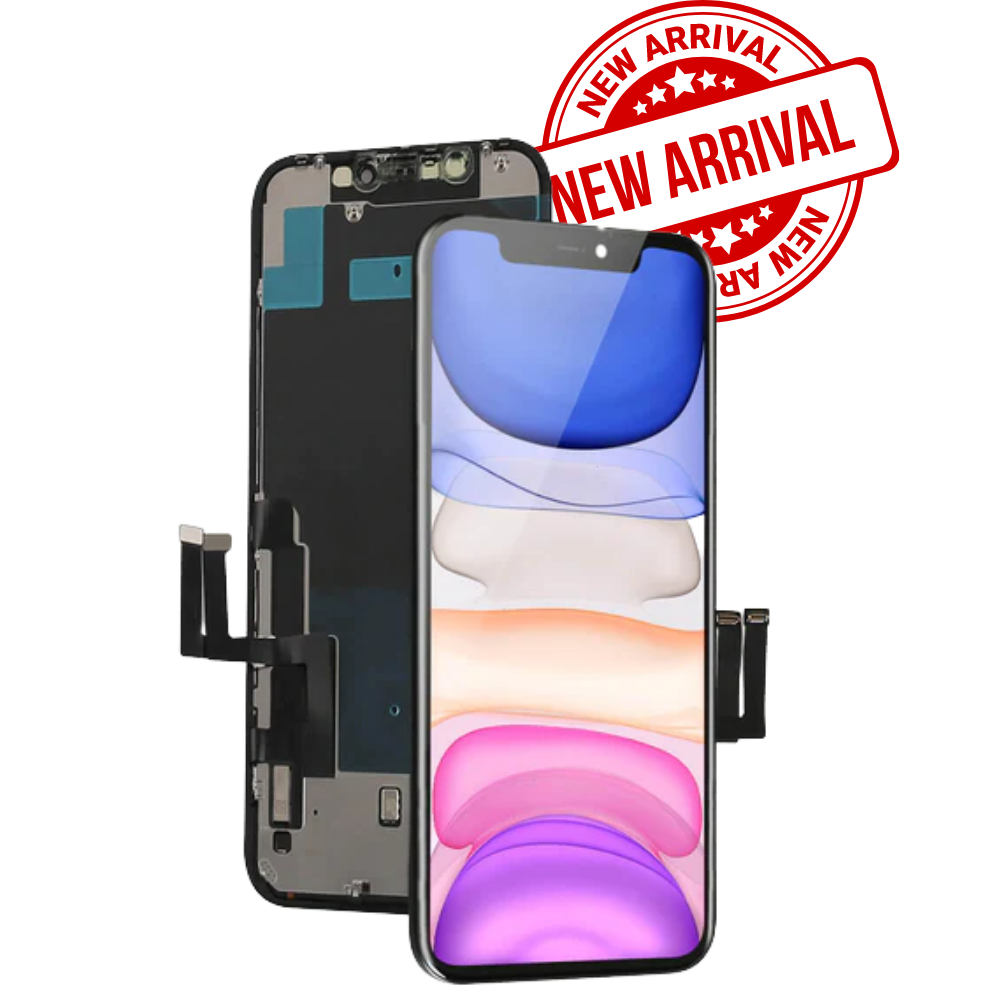
Le panneau d'affichage est le cœur de l'écran LCD. Il contient les cristaux liquides, filtres de couleur, et matrice de pixels. C'est là que l'image réelle se forme.
Couche tactile et verre
Au-dessus de l'écran se trouve la couche tactile, généralement fabriqué avec une technologie capacitive. C'est ce qui vous permet d'interagir avec votre téléphone : appuyez sur, glissement, zoom.
La couche la plus externe est du verre de protection, souvent renforcé pour résister aux rayures et aux impacts.
IC de conducteur (QUEUE)
Le Driver IC contrôle le comportement des pixels. Il traite les signaux du processeur du téléphone et les traduit en sortie visuelle. Sans ça, votre écran ne saurait pas quoi afficher.
Spécifications importantes de l’écran LCD
Résolution et densité de pixels
La résolution fait référence au nombre de pixels contenus dans l'écran. Une résolution plus élevée signifie des images plus nettes. Densité de pixels (IPP) détermine la netteté du texte et des images.
Luminosité et contraste
La luminosité est mesurée en nits. Une luminosité plus élevée signifie une meilleure visibilité à l'extérieur. Le contraste détermine la différence entre les zones claires et sombres.
Taux de rafraîchissement
Taux de rafraîchissement (mesuré en Hz) indique combien de fois l'écran est mis à jour par seconde. Les écrans LCD modernes peuvent atteindre 120 Hz, offrant des expériences de défilement et de jeu plus fluides.
Avantages des écrans LCD
Les écrans LCD ont plusieurs atouts qui les maintiennent pertinents:
- Coût de fabrication inférieur
- Meilleure visibilité dans les environnements lumineux
- Aucun risque de brûlure
- Performances stables et durables
Ces avantages font de l'écran LCD le choix incontournable pour des milliards d'appareils dans le monde..
Inconvénients des écrans LCD
Bien sûr, aucune technologie n'est parfaite. Les écrans LCD présentent certains inconvénients:
- Contraste inférieur à celui de l'OLED
- Conception plus épaisse grâce au rétroéclairage
- Moins économe en énergie dans certains scénarios
Toujours, pour de nombreux utilisateurs, ces compromis sont acceptables.
Tendances du marché des écrans LCD et perspectives de l’industrie
Le marché des LCD continue d'évoluer plutôt que de disparaître. En fait, le marché mondial des écrans LCD mobiles devrait croître régulièrement en valeur de plusieurs milliards au cours de la prochaine décennie citeturn0search1.
Ce qui est fascinant, c'est que la technologie LCD s'adapte : des taux de rafraîchissement plus élevés, lunettes plus fines, et une efficacité énergétique améliorée le maintiennent compétitif. Même si OLED se développe, L'écran LCD reste dominant dans les appareils de milieu de gamme en raison de son prix abordable et de sa chaîne d'approvisionnement mature.
L'avenir de la technologie LCD mobile
Donc, quelle est la prochaine étape pour l'écran LCD? L'innovation est toujours d'actualité. De nouveaux développements comme Technologie TFT à oxyde améliorent considérablement l’efficacité énergétique, permettant même aux écrans de descendre à des taux de rafraîchissement extrêmement faibles pour économiser la batterie.
Les fabricants s’efforcent également de rendre les panneaux LCD plus fins, plus brillant, et des couleurs plus précises. Il ne s’agit pas de remplacer l’OLED, mais de coexister et évoluer.
L’écran LCD n’est plus seulement une « option économique ». Cela devient un raffiné, technologie optimisée adapté à une utilisation réelle.
Conclusion
Les écrans LCD mobiles pourraient ne pas faire la une des journaux comme les écrans OLED ou pliables, mais ils restent l'une des technologies les plus importantes dans le monde des smartphones. Ils sont fiables, rentable, et en constante amélioration. De la façon dont les cristaux liquides manipulent la lumière aux couches complexes qui forment chaque pixel, La technologie LCD est un chef-d'œuvre d'ingénierie caché à la vue de tous.
Si vous utilisez un smartphone aujourd'hui, il y a de fortes chances qu'un écran LCD alimente votre expérience et le fasse remarquablement bien. Comprendre comment cela fonctionne fait non seulement de vous un acheteur plus intelligent, mais vous donne également une meilleure appréciation de la technologie que vous utilisez quotidiennement..
FAQ
1. L'écran LCD est-il meilleur que l'OLED pour les smartphones?
Cela dépend de vos besoins. L'écran LCD est plus abordable et plus durable, tandis que l'OLED offre un meilleur contraste et des designs plus fins.
2. Pourquoi les écrans LCD sont-ils moins chers?
La fabrication d'écrans LCD est plus mature et évolutive, réduire considérablement les coûts de production.
3. Les écrans LCD consomment-ils plus de batterie?
Ils peuvent consommer plus d'énergie dans certains scénarios car le rétroéclairage est toujours allumé..
4. Les écrans LCD peuvent-ils être brûlés?
Non, Les écrans LCD ne souffrent pas de problèmes de rémanence comme les écrans OLED.
5. Les écrans LCD sont-ils encore utilisés dans 2026?
Oui, ils sont largement utilisés et représentent encore une grande partie des écrans de smartphones dans le monde.