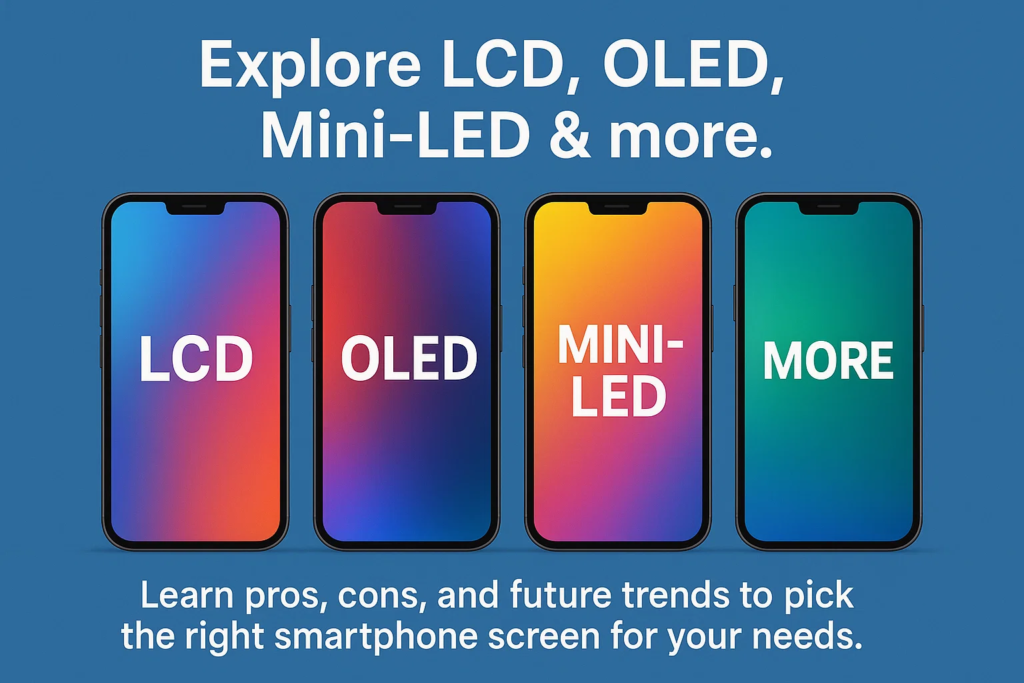
Εισαγωγή – Γιατί η τεχνολογία οθόνης έχει σημασία
Σκεφτείτε το πρώτο πράγμα που παρατηρείτε όταν ξεκλειδώνετε το τηλέφωνό σας. Είναι η οθόνη - το παράθυρό σας στις εφαρμογές, παιχνίδια, κινηματογράφος, και όλα τα ενδιάμεσα. Ακόμη, όταν οι άνθρωποι ψωνίζουν για μια νέα συσκευή, συνήθως ακούνε μόνο δύο λέξεις: οθόνη υγρού κρυστάλλου και OLED. Ακούγεται απλό, δικαίωμα? Όμως η αλήθεια είναι πολύ πιο βαθιά. Μέσα σε αυτές τις δύο κατηγορίες βρίσκονται πολλοί υποτύποι, καθένα επηρεάζει το πόσο αιχμηρό, γραφικός, διαρκής, ακόμα και πόσο φιλικό προς την μπαταρία αισθάνεται το τηλέφωνό σας. Ας το αναλύσουμε βήμα προς βήμα.
Τα βασικά των οθονών smartphone
Τι είναι ο πίνακας εμφάνισης?
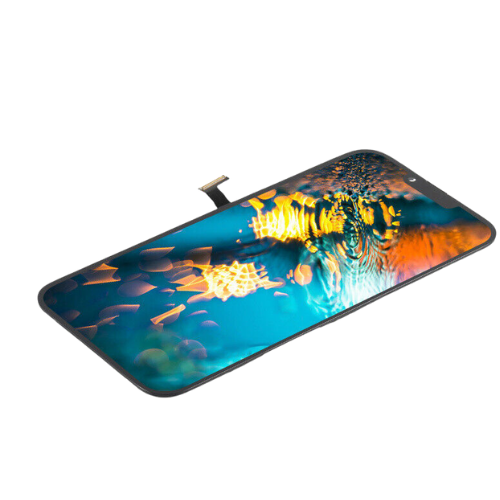
Μια οθόνη smartphone είναι κάτι περισσότερο από γυαλί. Κάτω από την επιφάνεια κάθεται το πίνακα οθόνης, ο πραγματικός μάγος που είναι υπεύθυνος για την εμφάνιση κάθε pixel.
Ο ρόλος του οπίσθιου φωτισμού vs. Τεχνολογία Αυτοεκπομπής
Η βασική διαφορά μεταξύ των τύπων οθόνης συνοψίζεται σε αυτό:
- Οι οθόνες LCD χρειάζονται οπίσθιο φωτισμό (σαν μια λάμπα που λάμπει από πίσω).
- Οι OLED είναι αυτοεκπομπές, που σημαίνει ότι κάθε pixel ανάβει μόνο του.
Αυτή η θεμελιώδης διαίρεση επηρεάζει οτιδήποτε άλλο - το πάχος, χρήση ισχύος, και ποιότητα εικόνας.
Επεξήγηση τεχνολογίας LCD
Πώς λειτουργεί η οθόνη LCD
LCD σημαίνει Οθόνη υγρού κρυστάλλου. Οι υγροί κρύσταλλοι δεν εκπέμπουν οι ίδιοι φως; αντί, ελέγχουν πόσο οπίσθιο φωτισμό περνάει για να σχηματίσει μια εικόνα.
IPS LCD – Ισορροπημένα χρώματα και γωνίες θέασης
- IPS (Εναλλαγή εντός αεροπλάνου) Οι οθόνες LCD είναι δημοφιλείς για τα σταθερά χρώματα και τις ευρείες γωνίες θέασης.
- Χρησιμοποιείται σε πολλά τηλέφωνα μεσαίας κατηγορίας, επιτυγχάνουν μια καλή ισορροπία μεταξύ τιμής και ποιότητας.
TFT LCD – Προσιτό αλλά περιορισμένο
- TFT (Τρανζίστορ λεπτής μεμβράνης) Οι οθόνες LCD είναι φθηνότερες στην κατασκευή, αλλά έχουν μικρότερες γωνίες θέασης και λιγότερο ζωντανά χρώματα.
- Βρίσκεται συνήθως σε οικονομικά μοντέλα.
Επεξήγηση τεχνολογίας OLED
Πώς λειτουργεί το OLED
Το OLED σημαίνει Οργανική δίοδος εκπομπής φωτός. Εδώ, κάθε pixel είναι μια μικροσκοπική πηγή φωτός. Όταν είναι απενεργοποιημένο, το pixel είναι πραγματικά μαύρο. Γι' αυτό οι OLED μπορούν να προσφέρουν εκπληκτική αντίθεση.
Άκαμπτο OLED – Ανθεκτικό αλλά παχύ
- Χτισμένο σε α γυάλινο υπόστρωμα.
- Πιο προσιτό από τα εύκαμπτα OLED, αλλά προσθέτει κάποιο πάχος στη συσκευή.
Ευέλικτη OLED – Λεπτή, Κυρτός, και Premium
- Κατασκευασμένο σε α πλαστικό υπόστρωμα, επιτρέποντας κάμψη και ακόμη και αναδιπλούμενα σχέδια.
- Πιο ελαφρύ και λεπτό, χρησιμοποιείται ευρέως σε high-end ναυαρχίδες όπως το Samsung Galaxy και τα iPhone.
Βασικές διαφορές μεταξύ LCD και OLED
Πάχος και ευελιξία
- οθόνη υγρού κρυστάλλου: Πιο ογκώδης λόγω των στρώσεων οπίσθιου φωτισμού.
- OLED: Μπορεί να είναι εξαιρετικά λεπτό, ιδιαίτερα ευέλικτες εκδόσεις.
Ποιότητα εμφάνισης – Χρώματα και Αντίθεση
- οθόνη υγρού κρυστάλλου: Καλή φωτεινότητα, αλλά οι μαύροι φαίνονται γκριζωποί.
- OLED: Αληθινοί μαύροι, πιο πλούσια αντίθεση, και συχνά πιο κορεσμένα χρώματα.
Κατανάλωση ρεύματος
- οθόνη υγρού κρυστάλλου: Ο οπίσθιος φωτισμός είναι πάντα αναμμένος → υψηλότερη κατανάλωση ενέργειας.
- OLED: Εξοικονομεί ενέργεια κατά την εμφάνιση σκούρου περιεχομένου (αφού τα μαύρα pixel είναι απενεργοποιημένα).
Κόστος και πολυπλοκότητα κατασκευής
- οθόνη υγρού κρυστάλλου: Φθηνότερο και πιο εύκολο στη μαζική παραγωγή.
- OLED: Ακριβότερος, ιδιαίτερα ευέλικτα OLED, λόγω πολύπλοκης παραγωγής.
Κοινά στυλ σύνδεσης (“Flex Cables”)
Τι είναι ένα καλώδιο Flex?
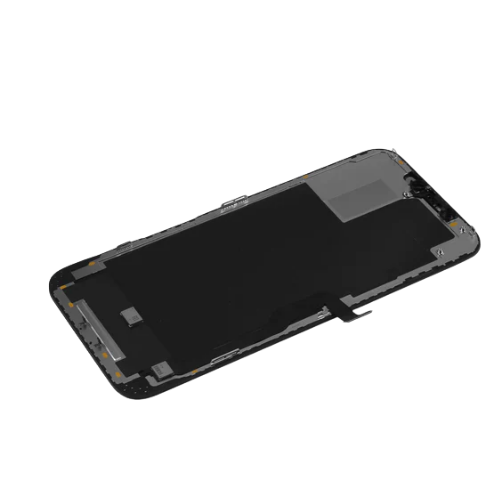
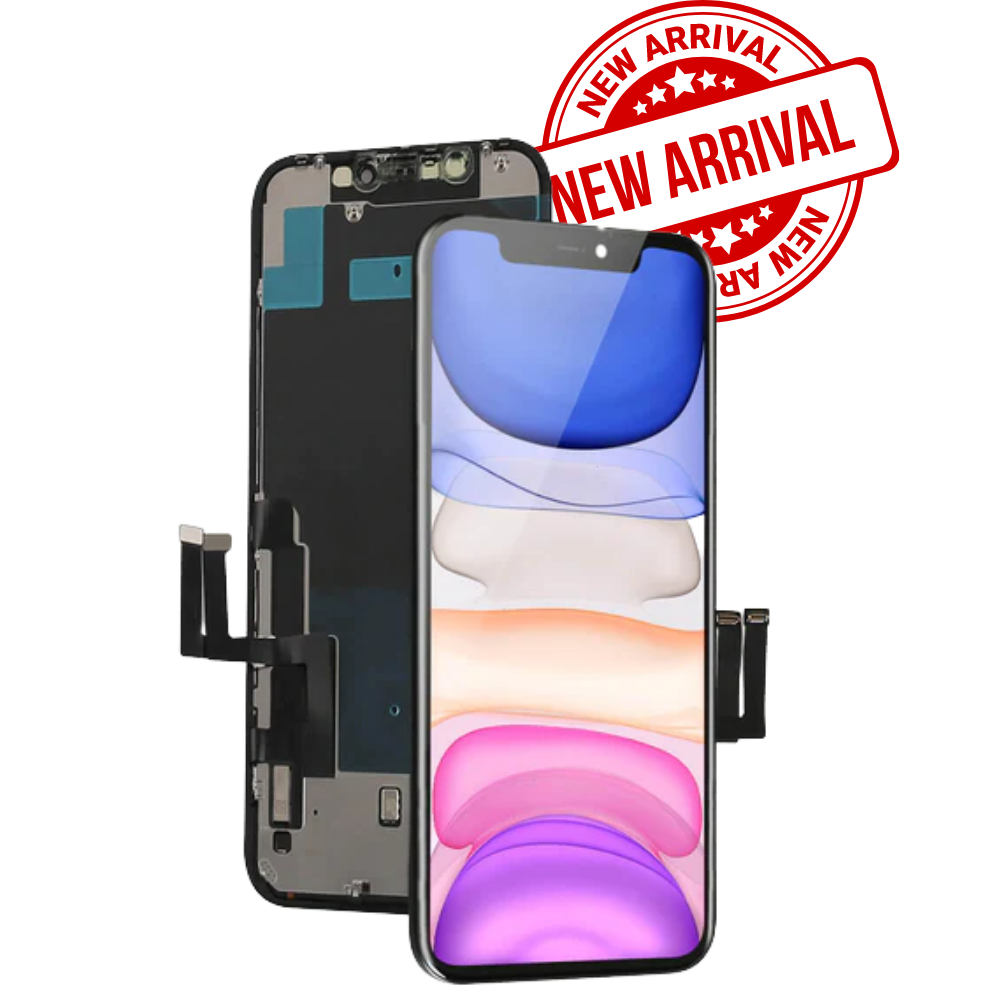
Ο εύκαμπτο καλώδιο είναι σαν το αιμοφόρο αγγείο που συνδέει την οθόνη με τη μητρική πλακέτα του τηλεφώνου. Χωρίς αυτό, κανένα σήμα οθόνης ή είσοδος αφής δεν θα λειτουργούσε.
Τυπικά στυλ σε LCD
- Συνήθως απλοί εύκαμπτοι σύνδεσμοι στο κάτω μέρος.
- Απλούστερη και λιγότερο δαπανηρή αντικατάσταση.
Τυπικά στυλ σε OLED
- Συχνά Σχέδια σε σχήμα L ή διπλά flex.
- Απαιτείται για λεπτότερο, κυρτός, ή αναδιπλούμενες οθόνες.
- Οι επισκευές μπορεί να είναι πιο δύσκολες και ακριβότερες.
Πλεονεκτήματα και μειονεκτήματα κάθε τύπου οθόνης
Πλεονεκτήματα και μειονεκτήματα LCD
- ✅Πιο προσιτό
- ✅ Συχνά πιο φωτεινό σε εξωτερικούς χώρους
- ❌ Πιο παχύ και βαρύ
- ❌ Ασθενέστερη αντίθεση
Πλεονεκτήματα και μειονεκτήματα OLED
- ✅ Λεπτό, πυγμάχος ελαφρού βάρους, premium εμφάνιση
- ✅ Ανώτερη αντίθεση και ζωντανά χρώματα
- ✅ Εξοικονόμηση ενέργειας με σκοτεινά θέματα
- ❌ Πιο ακριβό
- ❌ Κίνδυνος εγκαύματος με την πάροδο του χρόνου
Παρανοήσεις σχετικά με την ποιότητα της οθόνης
Υψηλότερη τιμή ≠ Πάντα καλύτερα
Δεν κερδίζει αυτόματα κάθε OLED μια οθόνη LCD. Μια υψηλής ποιότητας IPS LCD μπορεί να ξεπεράσει σε συνοχή και ανθεκτικότητα μια OLED χαμηλής στάθμης.
Ανθεκτικότητα vs. Εμφάνιση απόδοσης
Οι άκαμπτες OLED μπορεί να σπάσουν πιο εύκολα σε σύγκριση με τις σκληρυμένες οθόνες LCD. Τα εύκαμπτα OLED λυγίζουν αλλά μπορεί να είναι εύθραυστα στο πάτημα.
Το μέλλον των οθονών smartphone
Mini-LED και Micro-LED
- Μίνι-LED χρησιμοποιεί χιλιάδες μικροσκοπικές ζώνες οπίσθιου φωτισμού για βελτιωμένη αντίθεση.
- Micro-LED συνδυάζει αυτοεκπομπή τύπου OLED με μεγαλύτερη διάρκεια ζωής—που θεωρείται το «ιερό δισκοπότηρο» των μελλοντικών οθονών.
Αναδυόμενες ευέλικτες και αναδιπλούμενες οθόνες
Περιμένετε περισσότερα πτυσσόμενα και κυλιόμενα τηλέφωνα, καθώς η ευέλικτη τεχνολογία OLED ωριμάζει.
Συμπέρασμα – Επιλέγοντας τη σωστή οθόνη για τις ανάγκες σας
Στο τέλος της ημέρας, κανένας τύπος οθόνης δεν είναι τέλειος. Οι LCD κερδίζουν σε προσιτές τιμές και φωτεινότητα, Οι OLED λάμπουν σε χρώμα και λεπτότητα, και μελλοντική τεχνολογία όπως το Micro-LED μπορεί να συνδυάσει τα καλύτερα και των δύο κόσμων. Κατά την επιλογή, σκεφτείτε τις ανάγκες σας: Είστε ένας χρήστης με συνείδηση του προϋπολογισμού, ένας παίκτης που λαχταρά ζωντανά γραφικά, ή κάποιος που θέλει απλώς το πιο λεπτό τηλέφωνο? Ο τύπος οθόνης έχει μεγαλύτερη σημασία από όσο νομίζετε.
Συχνές ερωτήσεις
Ε1: Ποιο είναι καλύτερο για gaming, LCD ή OLED?
Η OLED συνήθως παρέχει βαθύτερα μαύρα και πιο ομαλά γραφικά, αλλά μια υψηλής ποιότητας IPS LCD μπορεί να είναι εξαιρετική για παιχνίδια.
Ε2: Οι οθόνες OLED αδειάζουν την μπαταρία πιο γρήγορα?
Όχι πάντα. Οι OLED εξοικονομούν ενέργεια με σκοτεινό περιεχόμενο, καθώς τα μαύρα pixel είναι απενεργοποιημένα.
Ε33: Η καύση της οθόνης εξακολουθεί να αποτελεί μεγάλο πρόβλημα για τις OLED?
Μπορεί να συμβεί, αλλά οι σύγχρονες OLED έχουν καλύτερη προστασία. Οι περιστασιακοί χρήστες σπάνια το παρατηρούν.
Ε4: Γιατί τα ευέλικτα τηλέφωνα OLED είναι τόσο ακριβά?
Η διαδικασία παραγωγής είναι πολύπλοκη, και οι αποδόσεις είναι χαμηλότερες, αυξάνοντας το κόστος.
Ε5: Τα Micro-LED θα αντικαταστήσουν σύντομα τα OLED στα smartphone?
Όχι αμέσως. Ενώ υπόσχεται, Το Micro-LED εξακολουθεί να είναι πολύ δαπανηρό για μαζική υιοθέτηση smartphone.