Pasiuna sa Foldable LCD Screens
Ang mga foldable smartphones dili na sci-fi gadgets. Ania sila, namaligya sila, ug giusab nila kung giunsa kami makig-uban sa mga mobile device. Samtang ang OLED kanunay nga mangawat sa spotlight, Ang mapilo nga mga LCD screen hilom nga adunay hinungdanon nga papel-ilabi na kung diin hinungdanon ang pagkontrol sa gasto ug kalig-on sa suplay.
Atong gub-on ang tanan sa yano nga English ug hisgutan kung giunsa ang paglihok sa teknolohiya sa foldable LCD, unsaon pag-inspeksyon ug pagsulay niini nga mga panel sa hustong paagi, ug unsaon pagpalit niini nga walay pagtunob sa mga tinago nga landmine.
Unsa ang usa ka Foldable LCD Screen?
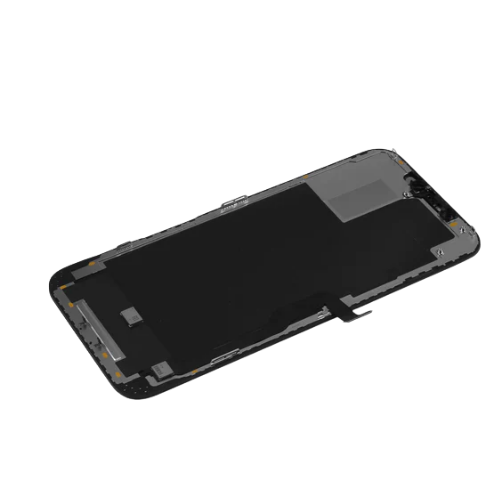
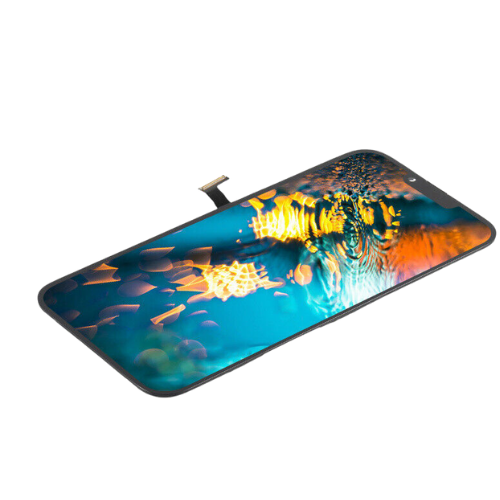
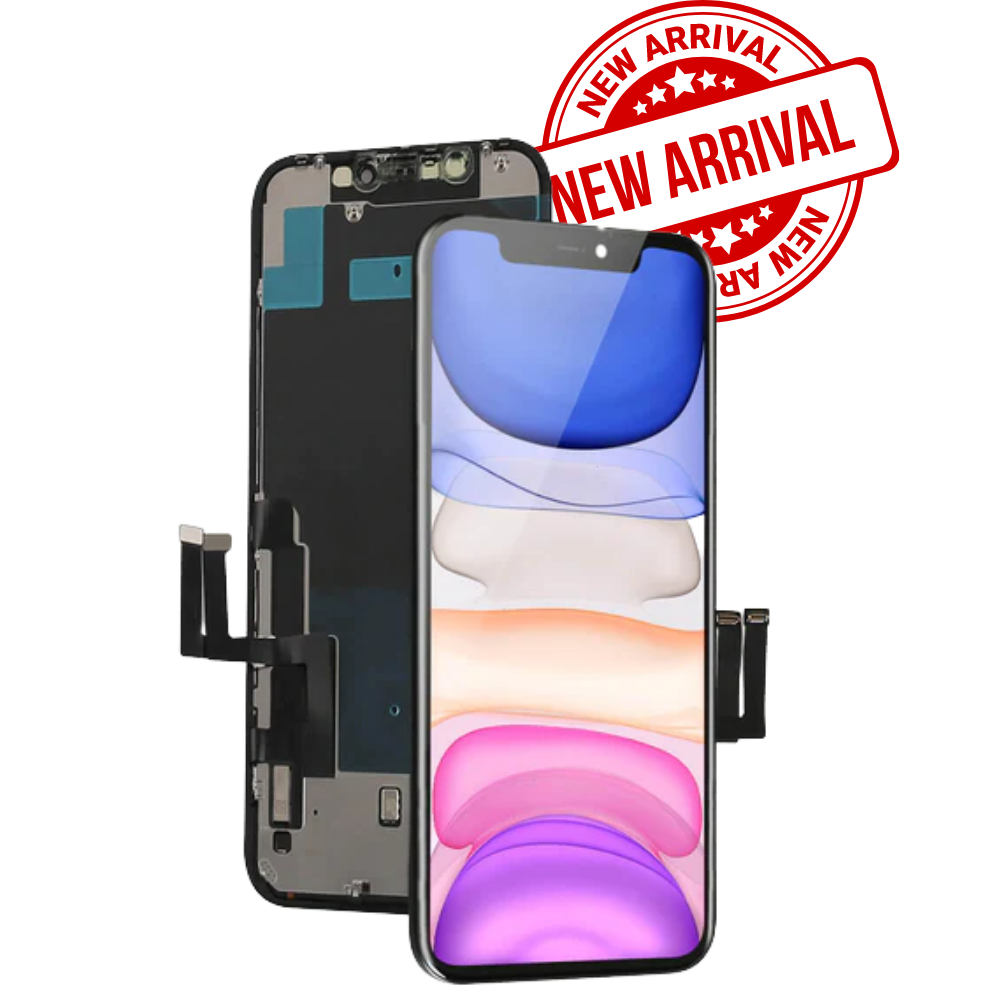
Ang usa ka foldable LCD screen mao gayud ang paminawon—usa ka liquid crystal display nga gidesinyo sa pagduko, pilo, ug ibuklad nga dili mawala ang pagpaandar. Dili sama sa tradisyonal nga rigid LCDs, kini nga mga panel naggamit sa flexible substrates ug espesyal nga engineered backlight units nga makalahutay sa balik-balik nga mga siklo sa pagpilo..
Hunahunaa kini sama sa usa ka libro nga adunay flexible nga mga panid imbes nga gahi nga karton. Parehas nga ideya—mas teknikal lang.
Nganong Importante ang Foldable Displays sa Modernong mga Smartphone
Ang mga foldable display nagtanyag og mas dako nga screen real estate nga walay pagtaas sa gidak-on sa bulsa. Alang sa mga tiggama ug mga supplier, Ang foldable LCDs naghatag ug mas barato nga alternatibo sa foldable OLEDs, naghimo kanila nga madanihon alang sa mid-range ug emerging markets.
Ebolusyon sa Foldable Display Technology
Gikan sa Rigid Panels hangtod sa Flexible LCDs
Ang unang mga LCD gahi sama sa tisa. Sa paglabay sa panahon, pag-uswag sa flexible substrates, manipis nga pelikula transistors, ug ang mga teknik sa lamination nagtugot sa mga panel sa LCD nga moliko nga walay pagliki.
Panguna nga mga Kauswagan sa Flexible nga Disenyo sa Backplane
Ang tinuod nga bayani dinhi mao ang backplane. Ang flexible nga mga materyales sa TFT nagtugot sa mga signal sa kuryente nga magpabilin nga lig-on bisan kung ang screen moliko, pagkunhod sa pixel failure ug signal loss.
Core nga Istruktura sa Foldable LCD Screens
Flexible nga Glass vs. Polyimide nga pelikula
Kadaghanan sa mga foldable LCDs nagsalig sa polyimide film kaysa sa ultra-thin nga bildo. Kini mas gaan, mas flexible, ug dili kaayo lagmit nga mabuak ubos sa tensiyon.
Unit sa Backlight (BLU) Disenyo alang sa Foldable LCDs
Dili sama sa estrikto nga mga LCD, Ang mga foldable nga bersyon naggamit og segmented o ultra-thin BLUs nga nagmintinar sa kahayag samtang gitugotan ang pagduko.
Touch Layer ug Sensor Integration
Ang touch layer kinahanglan nga moliko sa display samtang nagpadayon sa katukma. Ang dili maayo nga panagsama dinhi kanunay nga mosangpot sa mga paghikap sa multo o patay nga mga lugar.
Foldable LCD vs Foldable OLED
Presyohan, Kalig-on, ug Market Positioning
Ang mga mapilo nga LCD mas barato ug dali nga makuha sa daghang mga volume. Ang OLED nakadaog sa kalainan ug gibag-on, apan ang LCD nakadaog sa kalig-on sa presyo.
Ngano nga ang Foldable LCD Importante gihapon sa Nag-uswag nga mga Merkado
Sa mga rehiyon nga sensitibo sa presyo, Ang mga foldable LCDs makahimo sa mga bag-ong disenyo sa telepono nga dili iduso ang mga presyo sa retail ngadto sa stratosphere.
Kasagarang Teknikal nga mga Hagit sa Foldable LCD Screens
Mga Isyu sa Pagkupot ug Pagpilo sa Stress
Ang balik-balik nga pagpilo hinungdan sa mekanikal nga kapit-os sa hinge area, mitultol ngadto sa makita nga creases o pixel kakapoy sa paglabay sa panahon.
Kahayag nga Leakage ug Dili parehas nga Kahayag
Ang dili husto nga disenyo sa BLU kanunay nga hinungdan sa hayag o ngitngit nga mga lugar duol sa toril.
Pagbalhin sa Kolor Human sa Gibalikbalik nga Pagpilo
Ang mga kolor mahimong maanod human sa linibo ka pilo—usa ka sayo nga pasidaan nga timailhan sa materyal nga kakapoy.
Proseso sa Paggama sa Foldable LCD Panels
Proseso sa Lamination ug Bending
Ang katukma nga lamination nagsiguro nga ang mga lut-od magpabilin nga nabugkos sa panahon sa pagpilo. Ang usa ka dili maayo nga lakang sa lamination mahimong makaguba sa usa ka tibuuk nga batch.
Quality Control sa Mass Production
Automated optical inspeksyon (AOI) Ang mga sistema makadakop og mga depekto sayo, pagkunhod sa downstream nga mga pagkawala.
Visual Inspection sa Foldable LCD Screens
Pagsusi sa mga Depekto sa Ibabaw
Susiha ubos sa kusog nga kahayag alang sa mga garas, mga dents, o mga iregularidad sa coating.
Galamnan, Mga dents, ug Coating Damage
Bisan ang gagmay nga mga sayup sa nawong mahimong mograbe pagkahuman sa mga siklo sa pagpilo.
Functional nga mga Pamaagi sa Pagsulay
Pagsulay sa Pagkaparehas sa Kahayag ug Kolor
Check kay mura, paglandong, o pagkasukwahi sa kolor sa tibuok panel.
Touch Sensitivity ug Response Test
Sulayi ang katukma sa multi-touch sa wala pa ug pagkahuman sa pagpilo.
Pagsulay sa Stress sa Folding Cycle
Ang taas nga kalidad nga foldable LCDs kinahanglan nga mabuhi sa napulo ka libo nga mga pilo nga walay kapakyasan.
Environmental ug Reliability Testing
Pagsulay sa Taas nga Temperatura ug Humidity
Ang kainit ug kaumog makapadali sa pagkatigulang. Ang maayo nga mga panel magpabilin ubos sa tensiyon.
Pagsulay sa Pagsukol sa Pagtulo ug Pressure
Ang mga gipilo nga mga screen nag-atubang sa lainlaing mga punto sa presyur kaysa sa mga patag - hinungdanon ang pagsulay.
Kasagarang mga Depekto nga Makita Panahon sa Inspeksyon
Itom nga mga Spots, Mga Puti nga Punto, ug Mura
Kanunay nga nalambigit sa TFT o backlight nga mga isyu.
Pagkidlap ug Kapakyasan sa Backlight
Usa ka pula nga bandila nga nagpaila sa gahum o BLU instability.
Napilo nga mga Sumbanan sa LCD Screen ug Sertipikasyon
Mga Sumbanan sa Kalidad sa Industriya
Pangitaa ang pagsunod sa ISO ug internal nga kasaligan nga mga benchmark.
Nganong Importante ang Sertipikasyon para sa mga Mamalitay
Ang mga sertipikadong panel makapakunhod sa mga rate sa pagbalik ug mga panaglalis sa warranty.
Mga Konsiderasyon sa Pagpamalit alang sa Foldable LCD Screens
Pagpili sa Husto nga Supplier
Ang kasaligan nga mga supplier nagtanyag sa pagsubay, mga taho sa pagsulay, ug stable nga output.
OEM vs Aftermarket Foldable LCDs
Ang mga panel sa OEM nagtanyag pagkamakanunayon; Ang mga aftermarket nga mga panel nagtanyag sa pagka-flexible sa presyo-pagpili nga maalamon.
Daghang Mga Tip sa Pagpamalit alang sa mga Distributor
Sample nga Pagsulay sa Dili pa ang mga Mass Order
Ayaw gayud laktawan ang sampling. Kini mas barato kay sa pagbalik.
Pagputos ug Proteksyon sa Transportasyon
Ang dili maayo nga packaging makaguba sa maayong mga screen. Simple nga ingon niana.
Pagkontrol sa Gasto ug Pagdumala sa Risgo
Pagbalanse sa Presyo ug Kalidad
Ang labing barato nga screen kasagaran ang labing mahal nga sayup.
Pagkunhod sa After-Sales Return Rates
Ang maayo nga pag-inspeksyon katumbas sa gamay nga labad sa ulo sa ulahi.
Umaabot nga Trend sa Foldable LCD Technology
Nipis nga mga Panel ug Gipauswag ang Kalig-on
Pagpaabot sa mas slim nga mga disenyo nga adunay mas taas nga kinabuhi sa pagpilo.
Pagpalapad sa Mid-Range nga mga Modelo sa Smartphone
Ang mga napilo nga LCD makahatag gahum sa barato nga mga foldable nga telepono sa tibuuk kalibutan.
Kataposan
Ang napilo nga mga screen sa LCD usa ka maalamon nga kombinasyon sa kabag-ohan ug pagkapraktikal. Mahimo nga dili sila mahayag, apan naghatud sila kung diin kini hinungdanon - kaepektibo sa gasto, scalability, ug kasaligan. Pinaagi sa pagsabut sa teknolohiya, paghimo sa husto nga inspeksyon ug pagsulay, ug paghimo sa mga desisyon sa pagpalit nga nahibal-an, ang mga pumapalit ug mga tig-apod-apod mahimong mag-una sa kurba samtang naglikay sa mga mahal nga lit-ag.
Kanunay nga Gipangutana nga mga Pangutana (FAQS)
1. Ang mga foldable LCD screen ba igo nga lig-on alang sa adlaw-adlaw nga paggamit?
Oo, kung husto nga gihimo ug gisulayan, masaligan nila ang linibo ka pilo.
2. Giunsa nako mahibal-an ang dili maayo nga kalidad nga napilo nga mga panel sa LCD?
Pangitaa ang dili parehas nga kahayag, mga isyu sa paghikap, magdudula, ug makita nga creases sayo pa.
3. Mas barato ba ang mga foldable LCD kaysa mga foldable OLED?
Sa kinatibuk-an, oo. Ang mga LCD nagtanyag og mas maayo nga pagkontrol sa gasto, labi na sa daghang mga order.
4. Unsa ang pinakadako nga risgo sa pagpalit sa foldable LCDs sa kadaghanan?
Gilaktawan ang sample testing ug nagsalig lang sa presyo.
5. Ang foldable LCD nga teknolohiya ba magpadayon sa pagtubo?
Sa hingpit. Labi na kini nga lig-on sa mid-range ug nag-uswag nga mga merkado sa smartphone.