Introduction aux technologies d'affichage des smartphones Huawei
Pourquoi la qualité de l'écran est plus importante que vous ne le pensez
Lorsque vous récupérez votre téléphone Huawei, quelle est la toute première chose avec laquelle vous interagissez? L'écran. Ce n'est pas seulement un affichage, c'est votre fenêtre sur tout: messages, vidéos, jeux, et même travailler. Pourtant, de nombreux utilisateurs ne réalisent pas à quel point type d'écran affecte leur expérience quotidienne. Un affichage de mauvaise qualité peut conduire à des couleurs ternes, fatigue oculaire, réponse tactile lente, et une décharge de batterie encore plus rapide. D'un autre côté, un écran de haute qualité rend tout fluide, vibrant, et prime.
Sur le marché de la réparation et du remplacement, les choses deviennent encore plus confuses. Des termes comme "LCD d'origine," "original pressé,» « OLED,» et « TFT » sont jetés partout. Mais que signifient-ils réellement? Et plus important encore, quel est leur impact sur les performances de votre téléphone Huawei?
Voici quelque chose de surprenant: les perspectives de l'industrie montrent que sur 70% des écrans de remplacement sur le marché ne sont pas vraiment originaux mais variantes remises à neuf ou de rechange . Cela signifie que si vous ne comprenez pas les différences, vous pourriez finir par payer pour quelque chose qui ne correspond pas à vos attentes.
Décomposons tout de manière simple, manière pratique – pas de jargon, pas de confusion.
Présentation des types d'écran Huawei
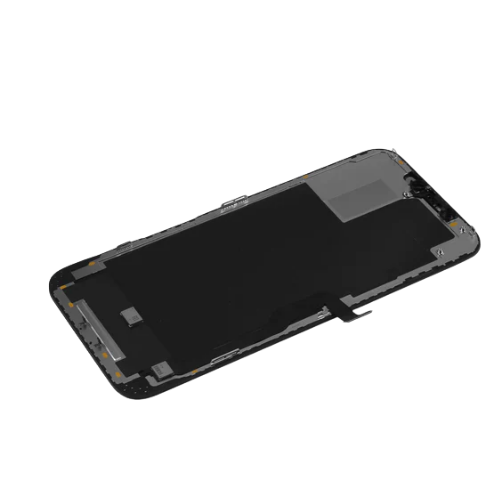
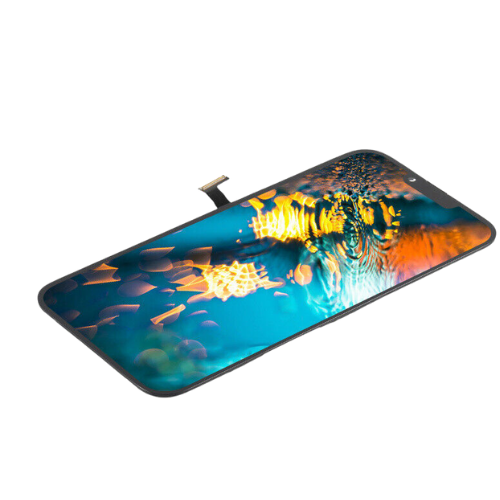
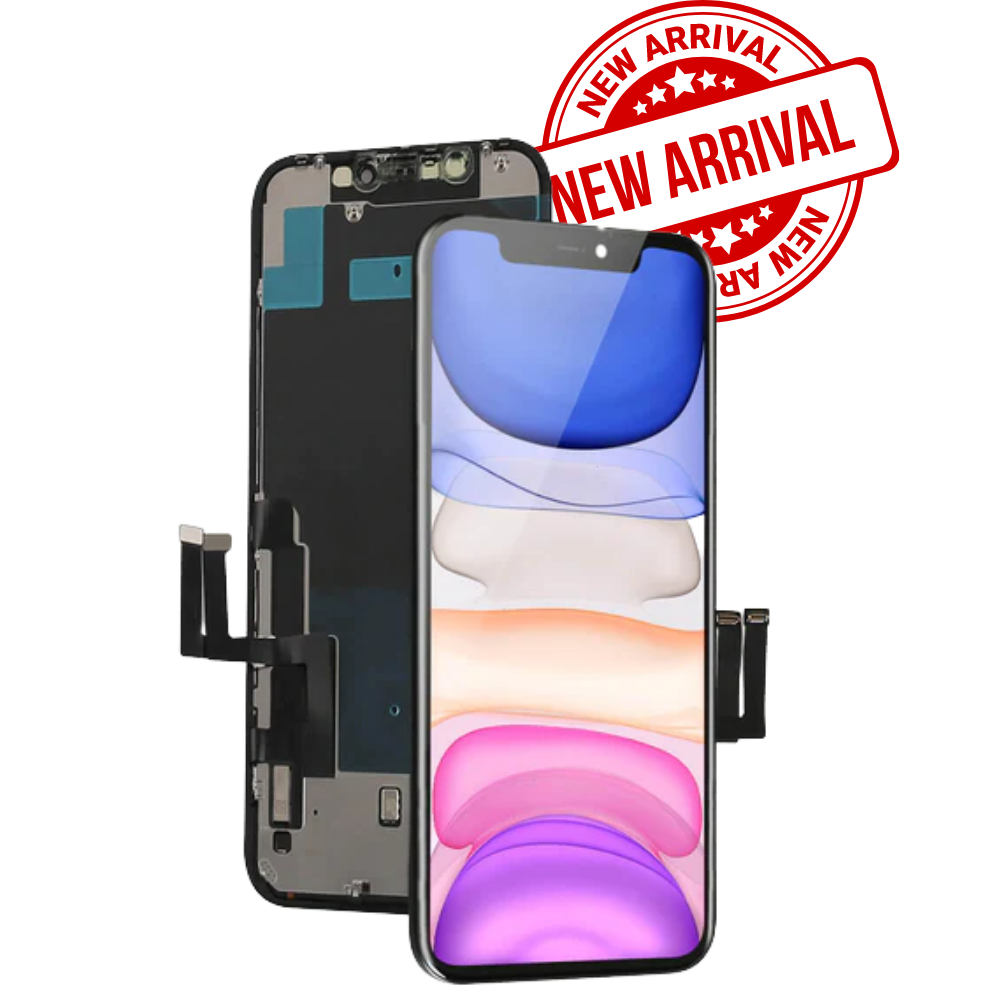
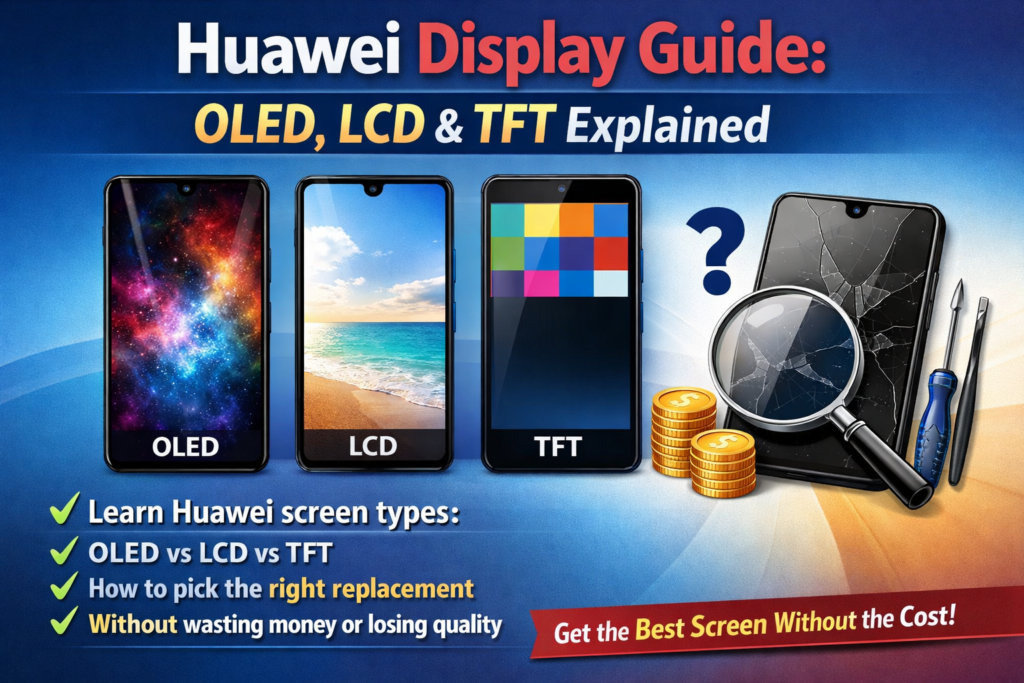
Les smartphones Huawei utilisent un mélange de technologies d'affichage en fonction du modèle et du segment de prix. Les appareils haut de gamme comme les séries P et Mate utilisent généralement Panneaux OLED, tandis que les modèles de milieu de gamme ou plus anciens reposent sur Technologies basées sur l'écran LCD comme TFT . Sur le marché du remplacement, ces écrans originaux sont souvent remplacés par des alternatives telles que des écrans pressés originaux ou des panneaux TFT de rechange.
Pensez-y comme si vous achetiez une pièce de voiture. Vous pouvez obtenir:
- UN pièce d'origine neuve
- UN pièce d'origine remise à neuf
- Ou un remplacement compatible bon marché
Chaque option comporte des compromis de prix, qualité, et durabilité. La même logique s'applique aux écrans des téléphones Huawei.
Qu'est-ce qu'un écran LCD d'origine Huawei?
Définition et source de fabrication
Un écran LCD d'origine Huawei fait référence à un écran fabriqué par les fournisseurs officiels de Huawei, Tels que BOE ou d'autres partenaires OEM autorisés. Ce sont les mêmes écrans que ceux utilisés lors du premier assemblage du téléphone en usine.. Ils répondent à des normes de qualité strictes, y compris l'étalonnage de la luminosité, sensibilité au toucher, et précision des couleurs.
En termes simples, c'est le le plus proche possible de l'état d'usine. Tout, du panneau d'affichage au numériseur tactile, est conçu pour fonctionner parfaitement avec le matériel et les logiciels de Huawei.. Il n'y a pas de devinettes, aucun problème de compatibilité, et aucun compromis sur les performances.
Principales fonctionnalités et avantages en termes de performances
L'utilisation d'un écran LCD d'origine garantit que votre téléphone se comporte exactement comme avant les dommages.. Vous remarquerez:
- Couleurs et luminosité précises
- Toucher fluide et réactif
- Angles de vision stables
- Efficacité optimale de la batterie
Les écrans originaux sont également plus fiables sur le long terme. Ils sont testés pour leur durabilité et leur compatibilité, réduire les risques de problèmes tels que le toucher fantôme, l'écran scintille, ou dysfonctionnement du capteur.
Cependant, cette qualité a un prix. Les écrans originaux sont généralement les option la plus chère sur le marché, et la disponibilité peut parfois être limitée, surtout pour les anciens modèles.
Qu'est-ce qu'un original pressé (OEM remis à neuf) Écran?
Comment sont fabriqués les écrans pressés originaux
Un écran pressé d'origine (également appelé OEM remis à neuf ou « remplacement du verre uniquement ») est créé en réutilisant le panneau d'affichage d'origine tout en remplaçant uniquement le verre extérieur cassé. Ce processus consiste à séparer le verre fissuré du panneau LCD ou OLED intact et à coller une nouvelle couche de verre à l'aide d'un équipement spécialisé..
En fait, des études suggèrent que autour 90% des écrans dits « originaux » sur le marché sont en réalité des écrans réassemblés ou pressés . Voilà à quel point ils sont courants.
Avantages et inconvénients des écrans pressés
Les écrans pressés originaux établissent un équilibre entre coût et qualité. Étant donné que le panneau d'affichage principal est toujours d'origine, vous conservez l'essentiel des performances visuelles. Couleurs, luminosité, et la sensibilité tactile restent proches des normes d'usine.
Mais il y a un piège. La qualité dépend fortement du processus de rénovation. Si le collage n’est pas fait correctement, vous pourriez expérimenter:
- Poussière ou bulles sous le verre
- Durabilité réduite
- Légères incohérences au toucher
Pensez-y comme si vous répariez un pare-brise fissuré au lieu de tout remplacer.. Cela fonctionne bien, mais ce n'est pas tout à fait nouveau.
Comprendre les écrans OLED dans les téléphones Huawei
Comment fonctionne la technologie OLED
OLED signifie Diode électroluminescente organique, et c'est fondamentalement différent de la technologie LCD. Au lieu de compter sur un rétroéclairage, chaque pixel d'un écran OLED émet sa propre lumière. Cela permet d'obtenir des noirs plus profonds, contraste plus élevé, et des designs plus fins.
Les modèles phares de Huawei utilisent souvent des écrans OLED en raison de leurs performances visuelles haut de gamme. Ces écrans peuvent même prendre en charge des fonctionnalités avancées telles que le HDR et de larges gammes de couleurs. .
Avantages des écrans OLED
Les écrans OLED sont connus pour leurs visuels époustouflants. Vous obtenez:
- Vraie Noirs (les pixels s'éteignent complètement)
- Rapports de contraste plus élevés
- Meilleur éclat des couleurs
- Consommation d'énergie réduite en mode sombre
Ils permettent également des conceptions de smartphones modernes, tels que les bords incurvés et les capteurs d'empreintes digitales sous l'écran.
Cependant, Les écrans OLED sont plus chers et peuvent être plus fragiles. Ils peuvent également souffrir de brûlures au fil du temps s'ils ne sont pas utilisés correctement..
Comprendre les écrans LCD TFT
Ce que signifie la technologie TFT
TFT signifie Transistor à couches minces, et c'est un type de technologie LCD. Il améliore les écrans LCD traditionnels en ajoutant un transistor à chaque pixel, permettant un meilleur contrôle et des temps de réponse plus rapides .
Les écrans TFT sont largement utilisés dans les appareils Huawei économiques et milieu de gamme, ainsi que dans les remplacements après-vente en raison de leur coût inférieur.
Limites par rapport à OLED
Alors que les écrans TFT sont abordables, ils présentent des inconvénients notables:
- Contraste plus faible et couleurs délavées
- Angles de vision plus étroits
- Consommation d'énergie plus élevée en raison du rétroéclairage
Comparé à l'OLED, Les écrans TFT semblent moins dynamiques et moins premium. Mais pour une utilisation basique, comme les appels, messagerie, et des applications légères : elles font toujours le travail.
Différences clés entre l'écran LCD d'origine, LCD pressé, Oled, et TFT
Comparaison de la qualité d'affichage
Quand il s’agit d’expérience visuelle, OLED en tête du peloton. Sa capacité à produire des noirs profonds et des couleurs vives rend tout plus réaliste. Les écrans LCD d’origine viennent ensuite, offrant des performances équilibrées avec une bonne précision des couleurs. Les écrans pressés sont légèrement en retard, en fonction de la qualité de la rénovation, tandis que les écrans TFT se trouvent en bas avec des visuels de base.
Consommation d'énergie et impact sur la batterie
Les écrans OLED sont généralement plus économes en énergie, surtout lors de l'affichage de contenu sombre. Les écrans LCD d'origine sont optimisés pour une utilisation équilibrée de l'énergie, tandis que les écrans TFT ont tendance à consommer plus d'énergie en raison du rétroéclairage constant .
Prix et positionnement sur le marché
Le prix est là où les choses diffèrent vraiment:
- Oled: Tarif premium
- Écran LCD d'origine: Coût élevé
- LCD pressé: Milieu de gamme
- Tft: À petit budget
Cette différence de prix explique pourquoi de nombreux ateliers de réparation recommandent les écrans TFT ou pressés : ils sont moins chers, même s'ils font des compromis sur la qualité.
Tableau comparatif des types d'écran Huawei
| Type d'écran | Qualité | Prix | Durabilité | Efficacité de la batterie | Idéal pour |
|---|---|---|---|---|---|
| Écran LCD d'origine | Haut | Haut | Haut | Bien | Utilisation à long terme |
| Original pressé | Moyen-élevé | Moyen | Moyen | Bien | Des économies avec la qualité |
| Oled | Excellent | Très élevé | Moyen | Excellent | Expérience premium |
| Écran LCD TFT | Basique | Faible | Faible-Moyen | Faible | Réparations budgétaires |
Comment choisir le bon écran pour votre téléphone Huawei
Basé sur le budget
Si le budget est votre principale préoccupation, Les écrans TFT sont l'option la moins chère. Ils sont largement disponibles et permettent à votre téléphone de fonctionner à nouveau rapidement. Mais si tu peux dépenser un peu plus, un écran pressé d'origine offre une bien meilleure valeur, vous offrant une qualité proche de l'original sans le prix élevé.
Basé sur les besoins de performances
Si vous vous souciez de la qualité d'affichage, vous regardez peut-être des vidéos, jouer à des jeux, ou travaillez sur votre téléphone, alors l'OLED ou l'écran LCD d'origine est la voie à suivre. Ces options garantissent des performances fluides, couleurs précises, et une meilleure expérience globale.
Mythes courants sur les écrans de téléphone Huawei
L'un des plus grands mythes est que tous les écrans « originaux » sont véritablement originaux.. En réalité, beaucoup sont des versions remises à neuf ou de rechange. Une autre idée fausse est que tous les écrans se ressemblent. En pratique, même de petites différences technologiques peuvent affecter considérablement la luminosité, réponse tactile, et la durée de vie de la batterie.
Conclusion
Choisir le bon écran de téléphone Huawei n’est pas seulement une question de prix : il s’agit également de comprendre ce que vous obtenez réellement. Les écrans LCD et OLED d'origine offrent les meilleures performances, alors que les écrans pressés originaux offrent un équilibre intelligent entre coût et qualité. Écrans TFT, d'autre part, sont les mieux adaptés aux réparations temporaires ou budgétaires.
La clé à retenir? Adaptez toujours votre choix d'écran à vos besoins. Si vous voulez que votre téléphone soit comme neuf, devenir original. Si vous cherchez à économiser de l'argent, un écran pressé pourrait être le point idéal. Et si tu as juste besoin d'une solution rapide, TFT fera le travail.
FAQ
1. Quelle est la différence entre l'écran LCD d'origine et l'écran pressé d'origine?
Un écran LCD d'origine est neuf du fabricant, tandis qu'un écran pressé original réutilise le panneau d'origine avec un nouveau verre.
2. L'OLED est-il meilleur que l'écran LCD pour les téléphones Huawei?
Oui, OLED offre de meilleures couleurs, contraste, et efficacité énergétique par rapport à l'écran LCD.
3. Pourquoi les écrans d'origine sont-ils plus chers?
Ils sont fabriqués par des fournisseurs officiels et sont soumis à des tests de qualité stricts, assurant une compatibilité et des performances parfaites.
4. Puis-je remplacer un écran OLED par un écran TFT?
Techniquement oui, mais cela peut réduire la qualité de l'affichage et affecter les performances ou la compatibilité.
5. Quel type d'écran est le meilleur pour une utilisation à long terme?
Les écrans LCD ou OLED d'origine sont les meilleurs choix en termes de durabilité et d'expérience globale.