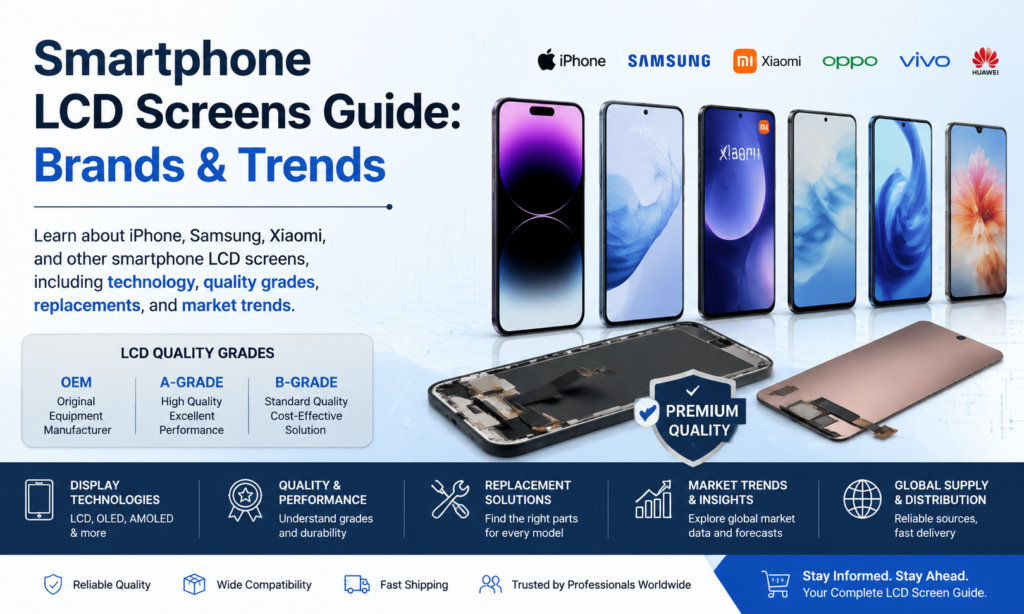
Η οθόνη του smartphone είναι ένα από τα πιο σημαντικά στοιχεία που καθορίζει την εμπειρία του χρήστη, αξία της συσκευής, και ζήτηση επισκευής. Όταν οι άνθρωποι αγοράζουν ένα νέο τηλέφωνο, συνήθως εστιάζουν στην κάμερα, επεξεργαστή, μπαταρία, και σχεδιασμός, αλλά η οθόνη είναι το μέρος με το οποίο αλληλεπιδρούν κάθε δευτερόλεπτο. Είτε κάνετε κύλιση στα μέσα κοινωνικής δικτύωσης, βλέποντας βίντεο, παίζοντας παιχνίδια, ή εργασία εξ αποστάσεως, η οθόνη επηρεάζει άμεσα την άνεση και την απόδοση.
Σήμερα, μεγάλες μάρκες smartphone όπως Apple iPhone, Samsung Galaxy, Xiaomi Redmi, Huawei, Τιμή, Oppo, Vivo, και Google Pixel συνεχίσει να αναπτύσσει προηγμένες τεχνολογίες οθόνης. Από παραδοσιακά πάνελ LCD έως OLED, AMOLED, ευέλικτες οθόνες, και οθόνες υψηλής ταχύτητας ανανέωσης, Η τεχνολογία οθόνης smartphone έχει γνωρίσει ταχεία εξέλιξη.
Για επιχειρήσεις επισκευής κινητών τηλεφώνων, χονδρέμποροι, και διανομείς, Η κατανόηση των οθονών LCD είναι απαραίτητη. Η αγορά περιλαμβάνει διάφορες ποιότητες όπως π.χ πρωτότυπες οθόνες, Οθόνες OEM, ανακαινισμένες οθόνες, οθόνες aftermarket, και συμβατές οθόνες αντικατάστασης. Η επιλογή της σωστής οθόνης όχι μόνο επηρεάζει την επιτυχία της επισκευής, αλλά καθορίζει επίσης την ικανοποίηση των πελατών και την κερδοφορία της επιχείρησης.
Αυτός ο οδηγός εξηγεί τη γνώση πίσω από τις οθόνες δημοφιλών επωνυμιών smartphone, συμπεριλαμβανομένης της τεχνολογίας οθόνης, ποιότητα κατασκευής, επιλογές αντικατάστασης, και μελλοντικές τάσεις.
Κατανόηση των οθονών LCD smartphone και της σημασίας τους
Τι είναι μια οθόνη LCD κινητού τηλεφώνου?
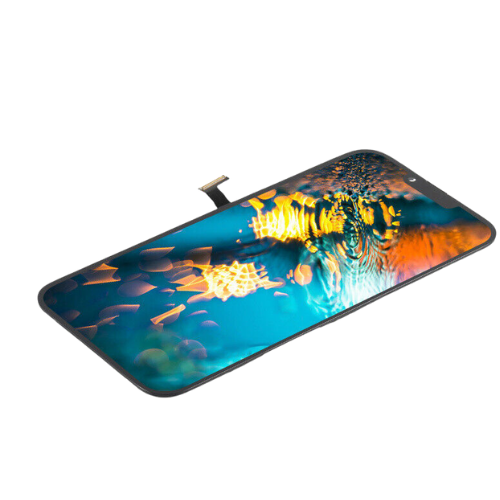
Μια οθόνη LCD smartphone είναι μια μονάδα οθόνης υπεύθυνη για τη δημιουργία εικόνων, δείχνει χρώματα, και ανταποκρίνεται στις εντολές αφής του χρήστη. LCD σημαίνει Οθόνη υγρού κρυστάλλου, μια τεχνολογία που χρησιμοποιεί υγρούς κρυστάλλους που ελέγχονται από ηλεκτρικά σήματα για την παραγωγή εικόνων.
Τα παραδοσιακά πάνελ LCD απαιτούν οπίσθιο φωτισμό επειδή οι υγροί κρύσταλλοι δεν μπορούν να παράγουν το δικό τους φως. Πίσω από το επίπεδο οθόνης, Οι οπίσθιοι φωτισμοί LED φωτίζουν τα pixel, επιτρέποντας στους χρήστες να βλέπουν καθαρά τις εικόνες.
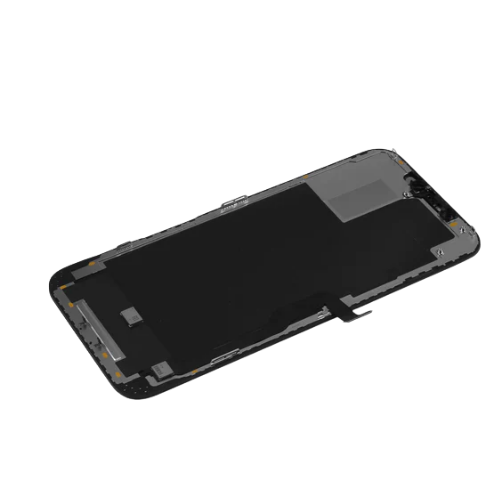
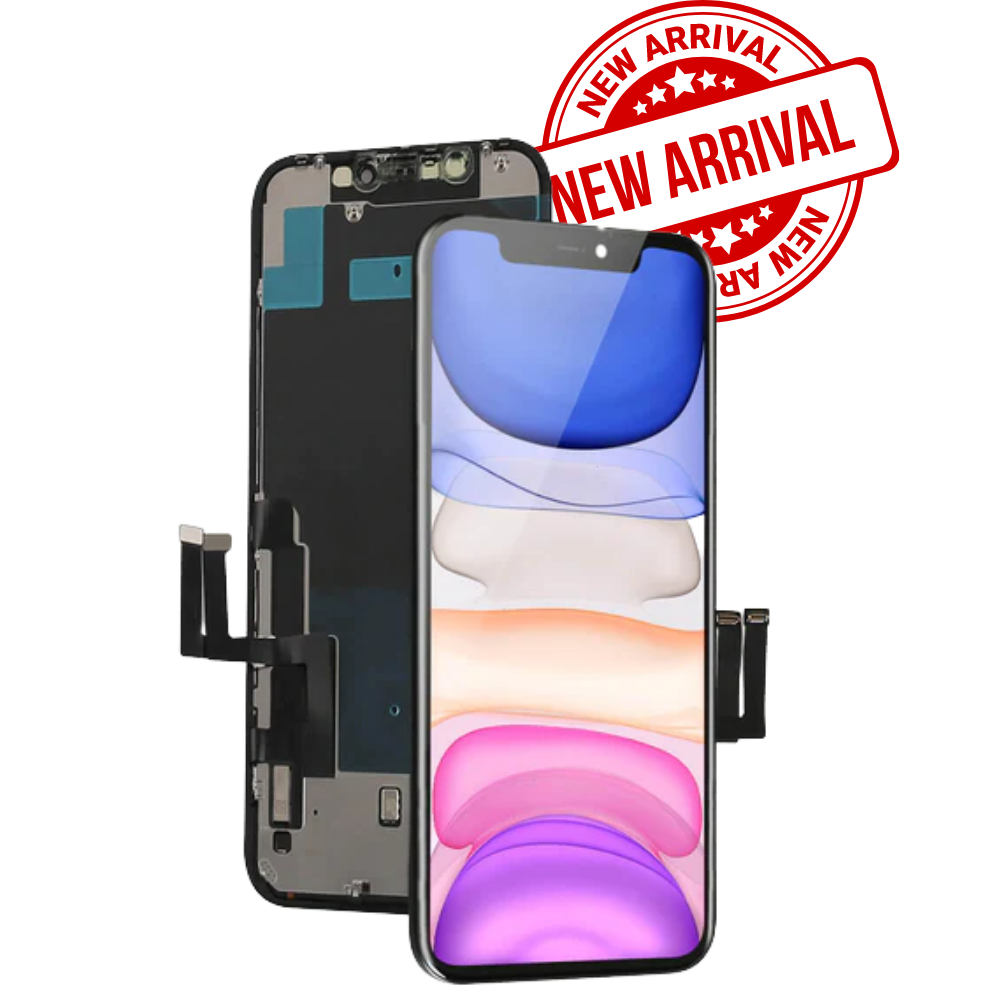
Ένα πλήρες συγκρότημα οθόνης smartphone περιλαμβάνει συνήθως πολλά επίπεδα:
- Γυαλί κάλυψης
- Αγγίξτε ψηφιοποιητή
- Οθόνη LCD ή OLED
- Μονάδα οπίσθιου φωτισμού (για οθόνες LCD)
- Εύκαμπτο καλώδιο (FPC)
- IC προγράμματος οδήγησης
- Πλαίσιο ή βραχίονας
Αν και η οθόνη μοιάζει με ένα ενιαίο κομμάτι, είναι στην πραγματικότητα μια άκρως ολοκληρωμένη ηλεκτρονική δομή. Ένα μικρό πρόβλημα σε οποιοδήποτε στρώμα μπορεί να επηρεάσει τη φωτεινότητα, ευαισθησία αφής, ακρίβεια χρώματος, ή αντοχή.
Για παράδειγμα, μια οθόνη αντικατάστασης μπορεί να χρησιμοποιεί μια καλή οθόνη LCD αλλά κακής ποιότητας γυαλί. Η ποιότητα της εικόνας μπορεί να φαίνεται αποδεκτή, αλλά η απόκριση στην αφή ή η αντίσταση κρούσης μπορεί να είναι πιο αδύναμη. Αυτός είναι ο λόγος που οι επαγγελματίες αγοραστές αξιολογούν το σύνολο της οθόνης και όχι μόνο την ορατή οθόνη.
Κύρια εξαρτήματα μέσα σε μια διάταξη οθόνης Smartphone
Η μονάδα LCD περιέχει πολλά κρίσιμα μέρη που λειτουργούν μαζί.
Ο Οθόνη LCD δημιουργεί την εικόνα. Ελέγχει εκατομμύρια pixel που εμφανίζουν διαφορετικά χρώματα. Τα πάνελ υψηλότερης ποιότητας παρέχουν καλύτερη φωτεινότητα, αντίθεση, γωνίες θέασης, και ενεργειακή απόδοση.
Ο ψηφιοποιητής αφής ανιχνεύει τις κινήσεις των δακτύλων. Τα σύγχρονα smartphone συνδυάζουν τη λειτουργικότητα αφής με την οθόνη χρησιμοποιώντας προηγμένες τεχνολογίες, όπως λύσεις αφής εντός και εντός κυψέλης.
Ο γυαλί καλύμματος προστατεύει την οθόνη από γρατσουνιές και χτυπήματα. Μάρκες όπως η Apple και η Samsung χρησιμοποιούν ειδικά ενισχυμένες τεχνολογίες γυαλιού για να βελτιώσουν την ανθεκτικότητα.
Ο IC προγράμματος οδήγησης ελέγχει την επικοινωνία μεταξύ της μητρικής πλακέτας του smartphone και της οθόνης. Ένα κατεστραμμένο ή χαμηλής ποιότητας IC προγράμματος οδήγησης μπορεί να προκαλέσει προβλήματα όπως τρεμόπαιγμα, γραμμές, μαύρες οθόνες, ή αστοχίες αφής.
Για χονδρεμπόρους LCD και συνεργεία επισκευής, Η κατανόηση αυτών των στοιχείων βοηθά να καθοριστεί εάν μια οθόνη είναι πραγματικά υψηλής ποιότητας.
Εξέλιξη της τεχνολογίας οθόνης Smartphone
Από την παραδοσιακή οθόνη LCD έως τις προηγμένες λύσεις οθόνης
Η βιομηχανία οθονών smartphone έχει αλλάξει δραματικά την τελευταία δεκαετία. Τα πρώτα smartphone χρησιμοποιούσαν κυρίως απλές οθόνες TFT LCD, που προσέφερε αποδεκτή ποιότητα εικόνας αλλά είχε περιορισμούς στη φωτεινότητα, πάχος, και κατανάλωση ρεύματος.
Αργότερα, οι κατασκευαστές εισήγαγαν τεχνολογίες όπως IPS LCD, που βελτίωσε τις γωνίες θέασης και την αναπαραγωγή χρωμάτων. Το IPS LCD χρησιμοποιήθηκε ευρέως σε πολλά smartphone μεσαίας κατηγορίας επειδή παρείχε αξιόπιστη απόδοση με λογικό κόστος.
Σήμερα, Τα premium smartphone χρησιμοποιούν όλο και περισσότερο οθόνες OLED και AMOLED. Σε αντίθεση με τα πάνελ LCD, Τα εικονοστοιχεία OLED παράγουν το δικό τους φως, επιτρέποντας στους κατασκευαστές να δημιουργούν πιο λεπτές συσκευές με βαθύτερο μαύρο και καλύτερη αντίθεση.
Ωστόσο, Η τεχνολογία LCD παραμένει σημαντική. Πολλά smartphone, δισκία, βιομηχανικές συσκευές, και τα οικονομικά τηλέφωνα εξακολουθούν να χρησιμοποιούν LCD λόγω των πλεονεκτημάτων της:
| Χαρακτηριστικό | Οθόνη LCD | Οθόνη OLED/AMOLED |
|---|---|---|
| Κόστος Παραγωγής | Χαμηλότερος | Πιο ψηλά |
| Λάμψη | Καλός | Εξοχος |
| Μαύρο Επίπεδο | Μέσος | Τέλειο Μαύρο |
| Κίνδυνος εγκαυμάτων | Πολύ Χαμηλό | Δυνατός |
| Σταθερότητα διάρκειας ζωής | Ισχυρός | Εξαρτάται από τη χρήση |
| Κόστος επισκευής | Συνήθως χαμηλότερα | Συνήθως Ανώτερο |
Η οθόνη LCD συνεχίζει να έχει μεγάλη ζήτηση στην αγορά αντικατάστασης, επειδή εκατομμύρια συσκευές παγκοσμίως απαιτούν επισκευές σε προσιτές τιμές.
LCD vs OLED vs AMOLED: Βασικές Διαφορές
Πολλοί καταναλωτές συγχέουν την οθόνη LCD, OLED, και τεχνολογίες AMOLED, αλλά λειτουργούν διαφορετικά.
Εμφανίζει οθόνη LCD χρησιμοποιήστε σύστημα οπίσθιου φωτισμού. Κάθε pixel λαμβάνει φως από πίσω, που κάνει την παραγωγή ευκολότερη και φθηνότερη.
Οθόνες OLED χρησιμοποιούν οργανικά υλικά που εκπέμπουν το δικό τους φως. Κάθε pixel μπορεί να απενεργοποιηθεί εντελώς, δημιουργώντας αληθινά μαύρα χρώματα.
Οθόνες AMOLED είναι μια προηγμένη τεχνολογία OLED με σύστημα ενεργού matrix. Προσφέρουν ταχύτερους χρόνους απόκρισης και βελτιωμένη απόδοση, καθιστώντας τα δημοφιλή στα κορυφαία smartphone.
Για επιχειρήσεις επισκευής, Οι αντικαταστάσεις OLED και AMOLED έχουν συνήθως υψηλότερες τιμές επειδή η τεχνολογία παραγωγής είναι πιο περίπλοκη.
Γνώση τεχνολογίας οθόνης Apple iPhone
Ιστορικό ανάπτυξης οθόνης LCD iPhone
Η Apple έδινε πάντα μεγάλη προσοχή στην ποιότητα της οθόνης. Τα προηγούμενα μοντέλα iPhone χρησιμοποιούσαν κυρίως τεχνολογία LCD, συμπεριλαμβανομένων δημοφιλών μοντέλων όπως το iPhone 6, iPher 7, iPher 8, και iPhone XR.
Η Apple χρησιμοποίησε προηγμένες τεχνολογίες LCD όπως π.χ Οθόνη αμφιβληστροειδούς και Υγρή οθόνη αμφιβληστροειδούς για τη βελτίωση της πυκνότητας των εικονοστοιχείων, ακρίβεια χρώματος, και εμπειρία θέασης.
Το iPhone XR, για παράδειγμα, χρησιμοποίησε οθόνη υγρού αμφιβληστροειδούς LCD 6,1 ιντσών. Αν και δεν ήταν OLED, Η Apple βελτιστοποίησε προσεκτικά τον πίνακα για να παρέχει εξαιρετική φωτεινότητα και απόδοση χρώματος.
Αργότερα, ναυαρχίδα μοντέλα iPhone κινήθηκαν προς την τεχνολογία OLED, ειδικά μετά την παρουσίαση της σειράς iPhone X.
Ωστόσο, Τα LCD iPhone παραμένουν ιδιαίτερα ενεργά στην αγορά επισκευής, επειδή εκατομμύρια χρήστες συνεχίζουν να χρησιμοποιούν αυτές τις συσκευές.
Πρωτότυπο, Ανακαινισμένο, και Αντικατάσταση οθονών iPhone
Η αγορά αντικατάστασης οθόνης iPhone περιλαμβάνει πολλά επίπεδα ποιότητας.
Πρωτότυπες οθόνες είναι οθόνες που κατασκευάζονται σύμφωνα με τις αρχικές προδιαγραφές της Apple. Συνήθως παρέχουν την καλύτερη φωτεινότητα, ακρίβεια χρώματος, και απόδοση αφής.
Αυθεντικές ανακαινισμένες οθόνες συνήθως χρησιμοποιείτε γνήσια πάνελ LCD/OLED με αντικατασταθέν εξωτερικό γυαλί. Η επαγγελματική ανακαίνιση μπορεί να αποκαταστήσει την εξαιρετική απόδοση.
Οθόνες aftermarket παράγονται από τρίτους κατασκευαστές. Η ποιότητα ποικίλλει σημαντικά ανάλογα με τα εργοστασιακά πρότυπα.
Κατά την αγορά ανταλλακτικών οθονών iPhone, οι αγοραστές πρέπει να ελέγξουν:
- Φωτεινότητα οθόνης
- Ευαισθησία αφής
- Συνοχή χρώματος
- Ποιότητα γυαλιού
- Απόδοση IC
- Υποστήριξη εγγύησης
Μια οθόνη χαμηλής τιμής μπορεί να δημιουργήσει περισσότερα προβλήματα από εξοικονόμηση πόρων, εάν οι πελάτες επιστρέψουν λόγω προβλημάτων ποιότητας.
Τεχνολογία οθόνης κινητών τηλεφώνων Samsung
Super AMOLED και Dynamic AMOLED Καινοτομία
Η Samsung είναι ένας από τους κορυφαίους κατασκευαστές οθονών στον κόσμο. Η εταιρεία έχει αναπτύξει προηγμένες τεχνολογίες AMOLED που χρησιμοποιούνται σε smartphones ναυαρχίδα Galaxy.
Οι συσκευές της σειράς Samsung Galaxy S και Galaxy Note είναι διάσημες για τα προϊόντα τους Super AMOLED και Δυναμική AMOLED εμφανίζει.
Τα βασικά πλεονεκτήματα περιλαμβάνουν:
- Υψηλός λόγος αντίθεσης
- Εξαιρετική απόδοση χρώματος
- Λεπτό σχέδιο
- Χαμηλή κατανάλωση ρεύματος
- Γρήγορος χρόνος απόκρισης
Η τεχνολογία οθόνης της Samsung παρέχεται επίσης σε άλλους κατασκευαστές smartphone, δείχνοντας την ισχυρή θέση της εταιρείας στον παγκόσμιο κλάδο των οθονών.
Ανάλυση αγοράς αντικατάστασης LCD LCD
Αν και πολλά τηλέφωνα ναυαρχίδα της Samsung χρησιμοποιούν AMOLED, Πολλά μοντέλα της σειράς Galaxy A και παλαιότερα μοντέλα εξακολουθούν να δημιουργούν μεγάλη ζήτηση για ανταλλακτικά συγκροτήματα LCD.
Οι επιχειρήσεις επισκευής συχνά αγοράζουν οθόνες Samsung χύμα επειδή οι συσκευές Samsung έχουν μεγάλη παγκόσμια βάση χρηστών.
Οι συνήθεις ανησυχίες αντικατάστασης περιλαμβάνουν:
- Ποιότητα AMOLED πρωτότυπης έναντι aftermarket
- Διαφορές φωτεινότητας οθόνης
- Συμβατότητα με αισθητήρα δακτυλικών αποτυπωμάτων
- Ποιότητα πλαισίου
- Αξιοπιστία κόλλας
Οι επαγγελματίες προμηθευτές συνήθως εκτελούν πολλαπλές διαδικασίες επιθεώρησης πριν αποστείλουν τις οθόνες στους πελάτες.
Χαρακτηριστικά οθόνης LCD Xiaomi και Redmi
Γιατί οι οθόνες Xiaomi είναι δημοφιλείς στην αγορά επισκευών
Τα smartphone Xiaomi και Redmi έχουν γίνει εξαιρετικά δημοφιλή επειδή παρέχουν ισχυρές προδιαγραφές σε ανταγωνιστικές τιμές.
Μοντέλα όπως Σειρά Redmi Note, Redmi K σειρά, και τη ναυαρχίδα της Xiaomi έχουν δημιουργήσει τεράστια παγκόσμια ζήτηση.
Η αγορά επισκευής για οθόνες Xiaomi συνεχίζει να αυξάνεται γιατί:
- Μεγάλη εγκατεστημένη βάση χρηστών
- Προσιτή τιμή συσκευής
- Υψηλή ζήτηση αντικατάστασης
- Ισχυρές διεθνείς πωλήσεις
Πολλοί χονδρέμποροι επιλέγουν οθόνες LCD Xiaomi επειδή προσφέρουν καλό τζίρο στην αγορά.
Ποιότητα οθονών αντικατάστασης Xiaomi
Οι ανταλλακτικές οθόνες Xiaomi εμφανίζονται συνήθως σε διαφορετικές κατηγορίες ποιότητας:
| Τύπος οθόνης | Περιγραφή | Θέση στην αγορά |
|---|---|---|
| Πρωτότυπο τράβηγμα | Καταργήθηκε από τα αρχικά τηλέφωνα | Ασφάλιστρο |
| Πρωτότυπο Ανακαινισμένο | Γνήσιο πάνελ με αντικατεστημένο γυαλί | Υψηλής Ποιότητας |
| Ποιότητα OEM | Παραγωγή συμβατή σε εργοστασιακό επίπεδο | Μέση προς Υψηλή |
| Aftermarket | Παραγωγή τρίτων | Προϋπολογισμός |
Οι επαγγελματίες αγοραστές πρέπει να καταλάβουν ότι το φθηνότερο δεν είναι πάντα καλύτερο. Ένας σταθερός προμηθευτής με συνεπή ποιοτικό έλεγχο είναι συνήθως πιο πολύτιμος από έναν προμηθευτή που προσφέρει τη χαμηλότερη τιμή.
Huawei, Τιμή, Oppo, και Vivo Display Technology
Οι κινεζικές μάρκες smartphone έχουν επενδύσει πολλά στην καινοτομία της οθόνης.
Τα τηλέφωνα ναυαρχίδα της Huawei παρουσίασαν προηγμένες οθόνες OLED, καμπύλες οθόνες, και πάνελ υψηλής ανάλυσης. Η Honor συνέχισε να αναπτύσσει premium τεχνολογίες οθόνης αφότου έγινε ανεξάρτητη μάρκα.
Η Oppo και η Vivo έχουν επίσης προωθήσει την ανάπτυξη οθονών smartphone, ειδικά σε τομείς όπως:
- Υψηλά ποσοστά ανανέωσης
- Καμπύλες οθόνες
- Πτυσσόμενα τηλέφωνα
- Τεχνολογία προστασίας ματιών
Αυτές οι μάρκες δημιουργούν σημαντική ζήτηση για ανταλλακτικές οθόνες στις παγκόσμιες αγορές.
Για διανομείς LCD, Οι κινεζικές επωνυμίες smartphone αντιπροσωπεύουν μια σημαντική ευκαιρία επειδή η ζήτηση επισκευής συνεχίζει να αυξάνεται καθώς αυξάνονται οι αποστολές συσκευών.
Πώς να αναγνωρίσετε οθόνες LCD κινητών τηλεφώνων υψηλής ποιότητας
Σημαντικά πρότυπα δοκιμών για προμηθευτές LCD
Ένας επαγγελματίας προμηθευτής LCD θα πρέπει να εκτελεί αυστηρούς ποιοτικούς ελέγχους πριν από την παράδοση.
Οι κοινές διαδικασίες επιθεώρησης περιλαμβάνουν:
- Δοκιμή νεκρών pixel
- Δοκιμή λειτουργίας αφής
- Δοκιμή φωτεινότητας
- Δοκιμή χρώματος
- Επιθεώρηση πλαισίου
- Δοκιμή ευέλικτου καλωδίου
- Έλεγχος ποιότητας γυαλιού
Οι προμηθευτές υψηλής ποιότητας συχνά εκτελούν δεκάδες βήματα επιθεώρησης για να μειώσουν τα παράπονα των πελατών.
Οι αγοραστές θα πρέπει επίσης να εξετάσουν:
- Εμπειρία προμηθευτή
- Εργοστασιακή ικανότητα
- Πολιτική εγγύησης
- Ποιότητα συσκευασίας
- Προστασία αποστολής
Ένας αξιόπιστος προμηθευτής δεν είναι μόνο πουλά προϊόντα αλλά παρέχει και διασφάλιση ποιότητας.
Οθόνη LCD κινητών τηλεφώνων Γνώση χονδρικής αγοράς
Πρωτότυπο, OEM, Aftermarket, και ανακαινισμένες οθόνες
Η παγκόσμια βιομηχανία επισκευής κινητών τηλεφώνων εξαρτάται από διαφορετικά κανάλια παροχής οθόνης.
Οι γνήσιες οθόνες προτιμώνται για επισκευές premium αλλά έχουν υψηλότερο κόστος.
OEM και συμβατές οθόνες παρέχουν μια ισορροπία μεταξύ ποιότητας και τιμής.
Οι ανακαινισμένες οθόνες είναι δημοφιλείς επειδή επαναχρησιμοποιούν τις αυθεντικές οθόνες ενώ παράλληλα μειώνουν το κόστος.
Οι οθόνες aftermarket εστιάζουν στην προσιτή τιμή και χρησιμοποιούνται ευρέως για επισκευές προϋπολογισμού.
Κάθε κατηγορία έχει διαφορετικούς πελάτες και ζήτηση της αγοράς.
Πώς οι αγοραστές επιλέγουν αξιόπιστους προμηθευτές LCD
Οι αγοραστές χονδρικής θα πρέπει να αξιολογούν προσεκτικά τους προμηθευτές.
Σημαντικοί παράγοντες περιλαμβάνουν:
- Συνοχή προϊόντος
- Διαθεσιμότητα αποθέματος
- Σύστημα ποιοτικού ελέγχου
- Γρήγορη παράδοση
- Τεχνική υποστήριξη
- Εξυπηρέτηση πελατών
Για διεθνείς αγοραστές που αγοράζουν από την Κίνα, Η τοποθεσία του προμηθευτή είναι επίσης σημαντική. Η περιοχή Huaqiangbei του Shenzhen είναι ένα από τα μεγαλύτερα εμπορικά κέντρα ηλεκτρονικών ειδών στον κόσμο, με εκτεταμένες αλυσίδες προμήθειας ανταλλακτικών κινητών τηλεφώνων.
Μελλοντικές τάσεις της τεχνολογίας εμφάνισης smartphone
Ευέλικτες οθόνες, Χαρακτηριστικά AI, και οθόνες επόμενης γενιάς
Το μέλλον των οθονών smartphone θα επικεντρωθεί στην ευελιξία, αντοχή, και έξυπνα χαρακτηριστικά.
Τα αναδιπλούμενα smartphone γίνονται όλο και πιο κοινά, που απαιτεί προηγμένη ευέλικτη τεχνολογία OLED.
Οι μελλοντικές οθόνες ενδέχεται να περιλαμβάνουν:
- Υψηλότεροι ρυθμοί ανανέωσης
- Βελτιωμένη ενεργειακή απόδοση
- Κάμερες κάτω από την οθόνη
- Οπτική βελτιστοποίηση με τεχνητή νοημοσύνη
- Πιο ανθεκτικά υλικά
Η τεχνητή νοημοσύνη θα επηρεάσει επίσης την τεχνολογία οθόνης. Τα smartphone ενδέχεται να προσαρμόσουν αυτόματα τη φωτεινότητα, θερμοκρασία χρώματος, και ρυθμό ανανέωσης ανάλογα με τη συμπεριφορά του χρήστη.
Αν και η OLED και οι ευέλικτες οθόνες κυριαρχούν στις συσκευές premium, Η τεχνολογία LCD θα συνεχίσει να εξυπηρετεί οικονομικά smartphones και αγορές αντικατάστασης.
Σύναψη
Οι οθόνες LCD smartphone είναι κάτι περισσότερο από απλά στοιχεία οθόνης. Αντιπροσωπεύουν έναν συνδυασμό προηγμένων υλικών, κατασκευή ακριβείας, ηλεκτρονική μηχανική, και τις τάσεις της τεχνολογίας των καταναλωτών.
Δημοφιλείς μάρκες όπως μήλο, Samsung, Xiaomi, Huawei, Oppo, και Vivo συνεχίσουν να βελτιώνουν τις λύσεις προβολής τους, δημιουργώντας ευκαιρίες και προκλήσεις για τις επιχειρήσεις επισκευής και τους χονδρεμπόρους LCD.
Κατανόηση των τύπων οθόνης, ποιότητες ποιότητας, κατασκευαστικές διαφορές, και οι τάσεις της αγοράς βοηθούν τους αγοραστές να λαμβάνουν καλύτερες αποφάσεις αγοράς. Είτε επιλέγετε πρωτότυπες οθόνες, ανακαινισμένες οθόνες, Προϊόντα OEM, ή αντικαταστάσεις aftermarket, ο ποιοτικός έλεγχος παραμένει ο βασικός παράγοντας.
Καθώς η τεχνολογία των smartphone συνεχίζει να εξελίσσεται, Η γνώση της οθόνης θα γίνεται όλο και πιο πολύτιμη για τις επιχειρήσεις που ασχολούνται με την επισκευή κινητών τηλεφώνων και τη διανομή ανταλλακτικών.
Συχνές ερωτήσεις σχετικά με τις οθόνες LCD smartphone
1. Ποια είναι η διαφορά μεταξύ μιας αρχικής οθόνης LCD και μιας οθόνης aftermarket?
Μια πρωτότυπη οθόνη LCD ακολουθεί τις προδιαγραφές του κατασκευαστή και συνήθως παρέχει καλύτερη φωτεινότητα, ακρίβεια χρώματος, και αντοχή. Οι οθόνες aftermarket παράγονται από εργοστάσια τρίτων και η ποιότητα εξαρτάται από τον προμηθευτή.
2. Είναι αξιόπιστες οι ανακαινισμένες οθόνες smartphone?
Ναί, Οι επαγγελματικά ανακαινισμένες οθόνες μπορούν να παρέχουν εξαιρετική απόδοση επειδή συχνά χρησιμοποιούν αυθεντικά πάνελ οθόνης με αντικατασταθέν γυαλί. Η ποιότητα εξαρτάται από την τεχνολογία ανακαίνισης και τα πρότυπα επιθεώρησης.
3. Ποιες μάρκες smartphone έχουν τη μεγαλύτερη ζήτηση αντικατάστασης οθόνης?
Apple iPhone, Samsung Galaxy, Xiaomi Redmi, Huawei, Oppo, και η Vivo συγκαταλέγονται στις μάρκες με μεγάλη ζήτηση αντικατάστασης λόγω των μεγάλων παγκόσμιων βάσεων χρηστών τους.
4. Πώς μπορούν οι αγοραστές να ελέγξουν την ποιότητα της οθόνης LCD του κινητού πριν από την αγορά?
Οι αγοραστές θα πρέπει να ελέγχουν τη φήμη του προμηθευτή, διαδικασίες δοκιμής, όρους εγγύησης, δείγματα προϊόντων, και τα σχόλια των πελατών πριν κάνετε μεγάλες παραγγελίες.
5. Θα εξαφανιστούν οι οθόνες LCD λόγω της τεχνολογίας OLED?
Οχι. Η OLED αυξάνεται στα premium smartphones, αλλά οι οθόνες LCD παραμένουν σημαντικές επειδή προσφέρουν χαμηλότερο κόστος παραγωγής, σταθερή απόδοση, και ισχυρή ζήτηση σε προσιτές συσκευές και αγορές επισκευής.